
Smart Choices Before Your Next Home Project
A home project can improve comfort, solve long-standing problems, and add value to your property. However, even a small renovation […]

A home project can improve comfort, solve long-standing problems, and add value to your property. However, even a small renovation can become stressful when decisions are made too quickly. Unexpected costs, delayed materials, unclear contractor agreements, and last-minute design changes can turn an exciting idea into an expensive headache.
Effective home project planning helps you move from inspiration to completion with fewer surprises. It encourages you to define the purpose of the work, understand your property, compare options, set a practical budget, and protect your household during construction. Whether you are refreshing a bathroom, upgrading a kitchen, building a deck, replacing windows, or completing a full renovation, the choices made before work begins often determine the final result.
Start With the Problem, Not the Product
It is easy to begin with paint colors, flooring samples, lighting fixtures, or social media inspiration. Those details matter, but they should not be your first decision. Begin by identifying the problem the project must solve.
A kitchen may look outdated, but its larger issue could be poor storage or an inefficient layout. A bathroom may need new finishes, yet hidden moisture damage could require attention first. A backyard deck may seem like a design project, although drainage, sun exposure, and structural support will influence what can safely be built.
Write a short project statement explaining what is not working, what outcome you want, and which improvements are essential rather than optional. This keeps the project focused and helps contractors, designers, and suppliers understand your priorities.
Inspect the Existing Space Carefully
A realistic plan begins with accurate information. Measure the space, photograph its current condition, and note doors, windows, plumbing lines, electrical outlets, vents, and fixed structures. For a major renovation, consider a professional inspection before finalizing the scope.
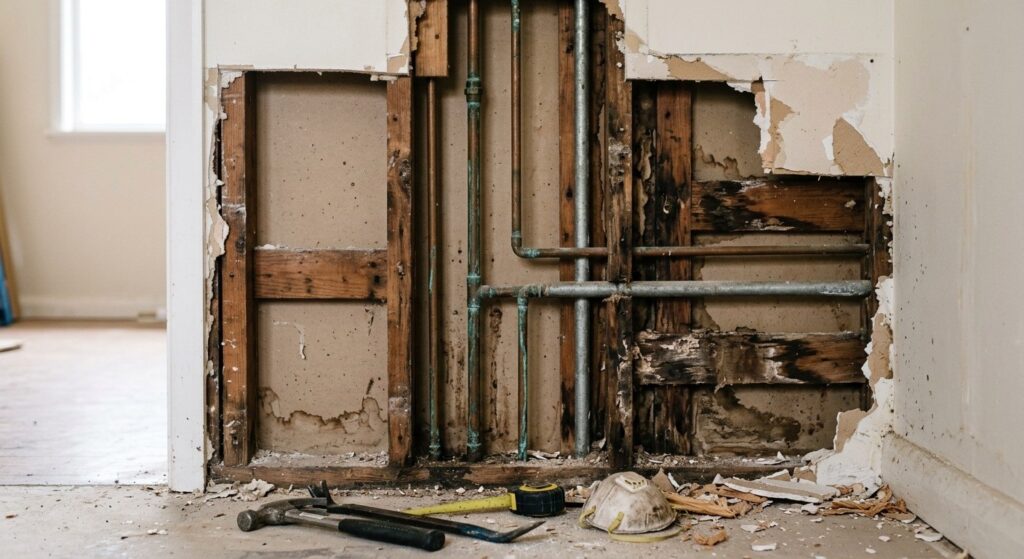
Hidden conditions often create the biggest budget problems. Water damage may sit behind a wall, old wiring may not support new appliances, and uneven flooring may affect cabinet installation. Exterior projects can also be limited by grading, drainage, underground utilities, or property boundaries.
Older homes require extra caution. Renovation work that disturbs painted surfaces in pre-1978 homes can create lead dust. The U.S. Environmental Protection Agency recommends lead-safe practices and, in many situations, certified renovation professionals. Identifying such risks early protects both your budget and your household.
Set a Complete Budget
A common mistake is estimating only visible materials. The true cost may also include labor, permits, design fees, demolition, debris removal, delivery, equipment rental, storage, taxes, repairs, and finishing work.
Divide the budget into clear categories: design, materials, labor, permits, delivery, waste disposal, temporary living needs, and contingency funds. Remodeling can expose conditions that were impossible to see during planning, so many homeowners reserve roughly 10 to 20 percent for genuine surprises. The suitable amount depends on the home’s age and the project’s complexity.
Choose a maximum spending limit before selecting premium finishes. When funds are limited, prioritize structural integrity, safety, waterproofing, energy performance, and reliable installation before decorative upgrades.
Decide Where to Save and Where to Invest
Smart spending does not always mean choosing the cheapest option. Low-cost materials can work well in some areas, while other parts of a project need greater durability.
You may save on items that are easy to replace, such as cabinet handles, mirrors, paint colors, or light shades. It often makes sense to invest more in roofing, windows, waterproofing, plumbing, electrical work, structural framing, exterior doors, and built-in cabinetry.
Think about total ownership cost. A cheaper product may need more maintenance, use more energy, or wear out sooner. Compare lifespan, warranty terms, cleaning requirements, repair options, and installation needs.
When researching materials, compare specialist suppliers as well as large retailers. Budget Home Supply offers categories such as lumber, decking, plumbing, electrical supplies, windows, doors, and cabinetry, which can help homeowners understand available options before making final selections.
Separate DIY Tasks From Professional Work
DIY work can reduce labor costs, but it is only economical when you have the time, tools, knowledge, and physical ability to complete it correctly.
Painting, basic landscaping, simple hardware replacement, and cosmetic updates may be manageable. Structural changes, major electrical work, gas lines, complex plumbing, roofing, waterproofing, and hazardous-material removal usually require qualified professionals.
Before choosing DIY, consider the consequences of failure, permit requirements, warranties, insurance, safety equipment, and the effect on the project schedule. A mixed approach is often practical: professionals complete technical work while you handle preparation, painting, cleanup, or selected finishing tasks.
Compare Contractors With More Than Price
The lowest estimate is not automatically the best value. A reliable contractor should offer clear communication, relevant experience, proper licensing where required, suitable insurance, and a written scope.
Request several written estimates based on the same project description. Each should identify labor, materials, allowances, exclusions, payment stages, expected dates, and responsibility for permits and cleanup.
Check recent references and completed projects similar to yours. Confirm business information independently. The Federal Trade Commission advises homeowners to consider licensed and insured contractors, seek trusted recommendations, review complaints, and avoid pressure to make immediate decisions.
Important details should never depend on verbal promises. The contract should explain scope, materials, payments, change orders, warranties, cleanup, and dispute procedures. Avoid paying the full cost before work begins.
Confirm Permits, Codes, and Approvals
Permit requirements vary by location and project type. Structural work, additions, electrical upgrades, plumbing changes, HVAC installations, roofing, decks, and major window or door changes may require approval.
Contact the local building department before construction. Do not assume the contractor has handled permits unless the responsibility appears in writing. Ask who will schedule inspections and manage correction notices.
Homeowners’ associations may regulate exterior colors, fences, sheds, roofing materials, additions, and landscaping. Boundary-sensitive work may also require confirmation of property lines or easements before construction begins.
Choose Materials for the Actual Environment
A product that looks attractive in a showroom may not perform well in your home. Consider moisture, temperature, sunlight, foot traffic, children, pets, weather, ventilation, and cleaning habits.
Bathroom and basement materials need moisture resistance. Outdoor materials must suit the local climate. Entryway flooring should tolerate dirt and water, while kitchen surfaces should resist heat, stains, and repeated cleaning.
Review technical information as well as appearance. Check dimensions, installation requirements, warranty coverage, maintenance instructions, safety ratings, and compatibility with surrounding materials. Order samples when possible and view them in the actual space during different times of day.
Plan for Energy Efficiency and Future Comfort
A renovation is an opportunity to improve how the home performs, not only how it looks. Before replacing finishes, consider insulation, air sealing, ventilation, efficient windows, heating and cooling needs, water use, and appliance efficiency.
ENERGY STAR recommends a coordinated approach because upgrades can work together. Air sealing and insulation, for example, may reduce heating and cooling demand, while efficient equipment can improve comfort and operating costs.
Also consider future household needs. Wider pathways, better lighting, lever handles, slip-resistant flooring, reachable storage, and step-free access can make a home easier to use over time without creating an institutional appearance.
Thoughtful choices now may prevent another costly renovation later. More practical home and lifestyle guidance is available at zingyzon.com.
Build a Realistic Timeline
Home projects involve more than installation. Design decisions, contractor availability, permit reviews, material orders, inspections, curing times, and final corrections may all affect completion.
Map the main stages, including design approval, contractor selection, permits, ordering, preparation, demolition, rough work, inspections, installation, finishing, and cleanup. Confirm which products have long lead times before setting the start date. Custom cabinets, specialty windows, stone, appliances, and made-to-order fixtures can delay an entire project.
Avoid demolishing a usable room until essential materials are available or delivery dates are dependable. A delayed fixture is inconvenient; a demolished kitchen without cabinets or countertops can disrupt daily life for weeks.
Prepare Your Household
Construction affects routines, privacy, noise, dust, parking, pets, children, and access to essential rooms. Clear the work area, protect nearby belongings, decide where tools and materials will be stored, and agree on worker access and cleanup.
For kitchen work, create a temporary food-preparation area. For bathroom projects, confirm another usable bathroom. Ask when water, power, heating, cooling, or security systems may be interrupted.
Discuss work hours and communication methods with the contractor. One designated household decision-maker can prevent conflicting instructions and slow approvals.
Control Changes During Construction
Changes are sometimes necessary, especially when demolition reveals hidden damage. However, unplanned upgrades can quickly damage the budget and schedule.
Use a written change order for every revision. It should state the changed work, cost, material differences, and schedule impact. Approve it before work continues whenever possible.
Keep the contract, estimates, receipts, permits, reports, warranties, photographs, and written communication together. Take progress photographs before walls or floors are closed because they may help locate wiring, pipes, framing, and repairs later.
Complete a Detailed Final Walkthrough
Do not treat substantial completion as automatic final approval. Inspect the work against the contract, plans, and product specifications.
Create a written punch list of unfinished, damaged, incorrect, or poorly functioning items. Test doors, drawers, faucets, drains, outlets, lights, appliances, locks, ventilation, and installed systems. Review paint, trim, sealant, flooring transitions, hardware, and cleanup.
Collect warranties, manuals, paint codes, spare materials, inspection approvals, and contractor contact details. Final payment should follow the contract and applicable law, not simply the appearance of near completion.
Frequently Asked Questions
What Should I Do First Before Starting a Home Renovation?
Define the main problem, desired result, essential features, budget limit, and project scope. Then inspect the existing space and confirm whether professional assessment, permits, or specialist work will be required.
How Many Contractor Estimates Should I Get?
Three written estimates are a useful starting point. Compare the same scope, materials, exclusions, schedule, insurance, licensing, references, and payment terms instead of choosing only by price.
How Much Extra Money Should I Reserve?
The reserve depends on risk. Older or poorly documented spaces generally create more uncertainty than cosmetic work in a newer home. A 10 to 20 percent contingency is a common planning range, but your specific project should determine the final amount.
Is It Better to Buy Materials Myself?
Buying materials may provide more control, but it also creates delivery, damage, compatibility, warranty, and scheduling responsibilities. Discuss purchasing arrangements with the installer before ordering.
Conclusion
Successful renovations begin long before the first tool is used. Clear goals, accurate measurements, realistic budgeting, careful contractor selection, code awareness, suitable materials, and disciplined communication make a home project easier to manage.
The smartest choice is not always the cheapest product or fastest schedule. It is the decision that balances safety, function, durability, appearance, cost, and long-term value. Thorough home project planning can protect your investment, reduce avoidable stress, and create a result that genuinely improves daily life.


Keep Exploring Zingyzon.com
Read more Zingyzon SEO, digital marketing, online earning, business, and technology guides for Australia, USA, and global readers.