
Patio Decorating Ideas for Summer
Summer gives you the perfect opportunity to turn your patio into a comfortable extension of your home. With the right […]
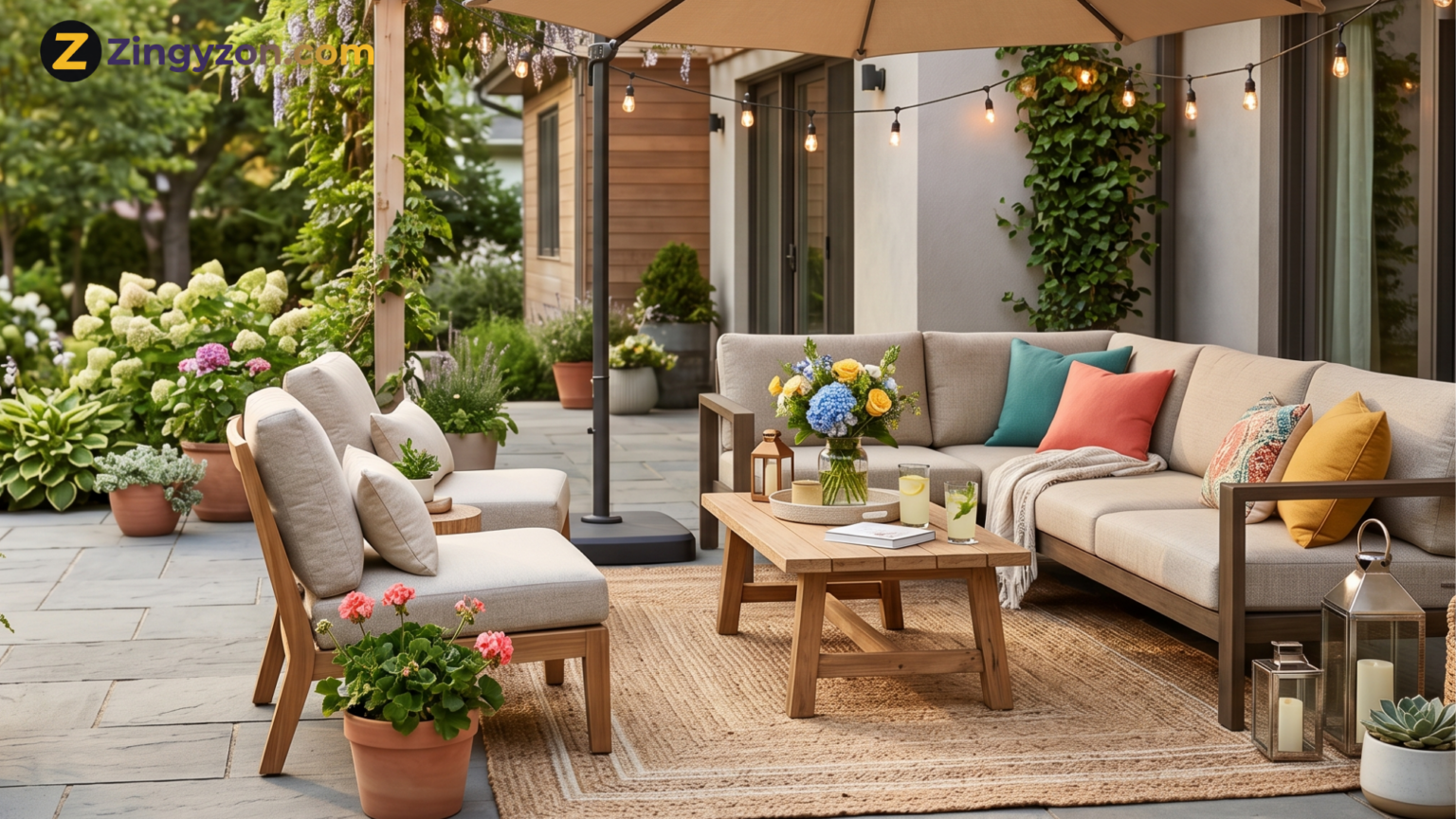
Summer gives you the perfect opportunity to turn your patio into a comfortable extension of your home. With the right furniture arrangement, lighting, colors, plants, and accessories, even a small outdoor area can become a welcoming place for meals, conversations, reading, or quiet evening relaxation.
The best patio decorating ideas for summer do not require an expensive renovation. Simple changes, such as adding outdoor cushions, arranging container plants, introducing shade, or hanging warm lights, can completely change how the area feels.
However, a beautiful patio should also remain practical. Your summer setup needs comfortable seating, open walking space, weather-resistant materials, suitable shade, and decorations that are easy to clean and store.
This guide explains how to decorate patios of different sizes while balancing style, comfort, budget, and everyday usability.
Start With a Clear Patio Plan
Before buying new decorations, decide how you want to use the patio. A space designed for outdoor dining needs a different layout from one intended for reading or entertaining friends.
Think about your primary activity. You may want a dining area for family meals, a conversation zone for guests, a peaceful reading corner, or a flexible space that supports several activities.
Measure the patio and note doors, steps, railings, walls, outlets, grills, and fixed planters. Furniture should not block entrances or narrow important walking paths.
You should also observe how sunlight moves across the patio. A location that feels comfortable in the morning may become extremely hot during the afternoon. Understanding sun and shade patterns will help you position seating, plants, rugs, and umbrellas more effectively.
For more outdoor and household inspiration, explore ZingyZon’s collection of Home & Garden guides.
1. Create a Comfortable Seating Area
Comfortable seating is the foundation of a useful summer patio. Choose furniture according to the size of the space and the number of people who normally use it.
A large patio may support an outdoor sofa, two lounge chairs, and a coffee table. A small balcony or compact patio may only need a bistro table with two folding chairs.
Arrange seats to encourage conversation. Chairs placed directly beside one another can feel formal, while seats facing each other around a small table create a more social layout.
Add outdoor cushions for softness and color. Look for removable covers and fabrics intended for sun and moisture exposure. Cushions should fit the furniture securely so they do not constantly move or blow away.
Avoid placing too many seats in a small area. A smaller arrangement with clear walking space usually looks more inviting than a crowded patio filled with furniture.
2. Choose a Fresh Summer Color Palette
A simple color palette helps different patio elements feel connected. Begin with one neutral base, such as white, beige, gray, charcoal, or natural wood. Then introduce one or two brighter accent colors.
Popular summer combinations include:
- White, navy, and light blue
- Beige, terracotta, and olive green
- Gray, yellow, and white
- Natural wood, cream, and sage
- Coral, turquoise, and warm neutrals
You can introduce color through cushions, outdoor rugs, tableware, planters, flowers, and lightweight throws. These accessories are easier and less expensive to replace than large furniture pieces.
Avoid combining too many unrelated colors. Repeating the same accent color in several locations creates a more polished appearance.
3. Add an Outdoor Rug
An outdoor rug can visually define a seating or dining area. It also adds pattern, texture, and warmth to hard patio surfaces.
Choose a rug made for exterior use. It should resist moisture, dry relatively quickly, and suit the amount of sunlight the patio receives.
The rug should be large enough to connect the furniture. In a lounge area, the front legs of the sofa and chairs should ideally rest on it. In a dining area, the rug should extend far enough for chairs to remain on the surface when pulled back.
Select patterns that can hide small marks, dust, or pollen between cleanings. Geometric designs, narrow stripes, and natural woven effects work well in many summer spaces.
Do not place a rug where it will trap moisture for long periods. Lift and clean it regularly, and allow both the rug and patio surface to dry completely.
4. Introduce Shade for Hot Summer Days
A patio may look beautiful but remain unused if it becomes uncomfortably hot. Shade makes outdoor seating more practical during summer.
A freestanding or table umbrella is one of the easiest options. Cantilever umbrellas can cover a seating area without placing a pole in the middle of the layout.
Larger patios may benefit from a pergola, retractable awning, shade sail, or covered structure. Outdoor curtains can provide additional filtered shade and privacy when correctly secured.
Plants can also contribute natural shade. Tall container plants, climbing vines, and shrubs may soften harsh sunlight while improving the atmosphere.
Always use the appropriate base or mounting system for umbrellas and shade structures. Close or secure them before strong winds and follow the manufacturer’s safety instructions.
5. Decorate With Container Plants
Plants bring color, texture, movement, and a natural summer feeling to patios. Container gardening is particularly useful because pots can be rearranged as sunlight and decorating needs change.
Combine different plant heights to create depth. Place taller plants behind seating, medium plants beside furniture, and smaller pots on tables or shelves.
Flowering plants add seasonal color, while herbs provide fragrance and practical use. Ferns and leafy plants create a softer atmosphere in shaded locations. Succulents may suit sunny areas, depending on local climate and exposure.
Choose plants based on actual light conditions rather than appearance alone. Some varieties need full sun, while others perform better in morning light or partial shade.
Use containers with suitable drainage holes. Pots without drainage can hold excessive water and damage plant roots. Group plants with similar light and watering needs to make maintenance easier.
6. Use Decorative Planters
Planters are not only containers for plants; they are also important decorative elements.
For a modern patio, choose simple pots in black, white, gray, or concrete-style finishes. Terracotta containers create a warmer Mediterranean look, while woven-style planters support relaxed coastal or bohemian themes.
Repeating one material or color in different sizes creates a coordinated arrangement. You do not need every planter to match exactly, but they should share at least one common feature.
Lightweight planters are easier to move, while heavier containers may be more stable in windy conditions. Confirm that rail planters, hanging baskets, and wall-mounted containers are installed securely.
7. Install Warm Outdoor Lighting
Lighting allows you to continue using the patio after sunset. It also makes the space feel more comfortable and inviting.
String lights can be hung along a pergola, fence, railing, or exterior wall. Warm-white bulbs usually create a softer atmosphere than very bright, cool lighting.
Lanterns work well on tables, steps, and beside seating. Solar path lights can define walkways, while wall-mounted fixtures provide stronger general illumination.
Use several gentle light sources instead of relying on one harsh fixture. This layered approach makes an outdoor room feel more balanced.
Make sure electrical products, cords, outlets, and connectors are rated for outdoor use. Keep cords away from walking areas and standing water. Battery-operated or solar lighting may be helpful when exterior outlets are limited.
8. Create a Summer Dining Corner
Outdoor dining can make regular family meals feel more enjoyable. You do not need a large dining set to create an effective eating area.
A round table works well in compact spaces because it supports conversation and avoids sharp corners. Rectangular tables suit longer patios and larger households.
Decorate the table with washable placemats, outdoor-safe dinnerware, a simple centerpiece, and cloth napkins in your chosen summer colors.
Use a low centerpiece so guests can see one another. A small planter, bowl of fruit, hurricane lantern, or vase of garden flowers can provide enough decoration without overcrowding the table.
Keep frequently used serving items on a nearby outdoor cart or small console. This reduces repeated trips between the kitchen and patio.
9. Add a Beverage or Serving Station
A compact beverage station can make summer entertaining easier. Use a weather-appropriate cart, console table, or sturdy shelf to hold drinks, cups, napkins, and serving accessories.
During gatherings, add a water dispenser, covered drink container, ice bucket, or cooler. Keep food protected from heat and insects, and return perishable items indoors promptly.
When the station is not being used for entertaining, it can display plants, lanterns, gardening tools, or decorative baskets.
Choose a cart with locking wheels if you expect to move it frequently. Store items that are not designed for outdoor exposure after use.
10. Decorate With Outdoor Textiles
Textiles make an outdoor area feel more like a comfortable room. Cushions, rugs, seat pads, table runners, and lightweight blankets can introduce color without changing permanent features.
Mix solid colors with one or two simple patterns. For example, use plain neutral seat cushions with striped or botanical accent pillows.
Avoid using too many patterns of equal size and intensity. One bold design works better when balanced with quieter fabrics.
Only use textiles that suit exterior conditions. Indoor cushions may absorb moisture, fade quickly, or develop unpleasant odors when left outside.
A storage bench or ventilated deck box can keep cushions and throws organized when they are not in use.
11. Create Privacy Without Closing the Space
Privacy can make a patio feel more peaceful, especially in apartments or closely built neighborhoods.
Outdoor curtains, bamboo-style screens, decorative panels, trellises, and tall plants can reduce direct views without making the area feel completely enclosed.
A trellis with climbing plants creates a softer, more natural screen. Large planters with grasses or upright shrubs can define boundaries while maintaining airflow.
Check local building, rental, or homeowners’ association rules before attaching screens or structures. Balcony decorations must also be secured against wind.
Position privacy features where they are most useful rather than surrounding the entire patio. Blocking only the strongest sightline often provides enough comfort.
12. Use Wall and Vertical Space
Small patios benefit from vertical decorating because floor space is limited.
Install weather-appropriate shelves, wall planters, hanging baskets, or decorative panels. A vertical herb garden can add greenery without occupying the main seating area.
A simple outdoor mirror may visually enlarge a covered patio, although it should be securely installed and positioned to avoid problematic glare.
You can also hang metal wall art, outdoor-safe woven pieces, or a decorative clock. Limit wall decorations to a few intentional items so the patio does not feel cluttered.
13. Add Natural Materials and Textures
Natural textures help a summer patio feel relaxed and connected to the garden.
Wood, stone, terracotta, rope, woven resin, linen-look outdoor fabric, and ceramic planters can create visual warmth. Even when furniture is made from metal, natural-looking accessories can soften its appearance.
Use these textures in practical ways. A wooden side table, woven planter, stone tray, and neutral cushions may provide enough variety without overwhelming the space.
Check whether each material is truly suitable for exterior use. Natural rattan and untreated indoor wood may not tolerate continuous rain or direct sunlight as well as outdoor-rated alternatives.
14. Design a Relaxing Reading Corner
A reading corner can turn an unused patio edge into a personal retreat.
Start with a comfortable chair and a small table for a drink or book. Add shade, a cushion, and a nearby planter. A rechargeable lamp can provide light during summer evenings.
Position the chair away from the busiest walkway. If possible, face it toward a garden, attractive view, or group of plants rather than a blank wall.
Keep this area simple. Too many decorations can make a peaceful corner feel visually busy.
For additional ways to make everyday spaces more relaxing and functional, read smart lifestyle upgrades for a more comfortable modern home.
15. Include a Small Fire Feature Safely
A fire pit or outdoor fireplace can become a central gathering point during cooler summer evenings. However, it must suit the patio surface, available clearance, and local rules.
Confirm whether open flames are permitted in your area, apartment building, rental property, or homeowners’ association. Follow the manufacturer’s required distance from furniture, walls, roofs, plants, and combustible materials.
Never place a fire feature where it blocks an exit. Keep children and pets supervised, and do not leave an active flame unattended.
Where flame-based features are unsuitable, use lanterns, warm lighting, or an electric outdoor-rated heater designed for the location.
16. Decorate a Small Patio Without Crowding It
Compact outdoor areas need furniture that provides function without consuming all available space.
Use folding chairs, nesting tables, narrow benches, wall-mounted planters, and furniture with hidden storage. A small round table usually requires less visual space than a large rectangular one.
Choose furniture with open legs rather than heavy solid bases. This allows more of the flooring to remain visible and can make the patio feel larger.
Use one strong focal point, such as a colorful chair, patterned rug, or large plant. Several competing focal points may make the area feel crowded.
Keep the color palette light and consistent, and use vertical surfaces for plants and lighting.
17. Try Budget-Friendly Patio Decorating Ideas
You can refresh a patio without replacing all the furniture.
Begin by cleaning the flooring, furniture, railings, and planters. A clean space often looks significantly better before any new decorations are added.
Replace faded cushion covers, repaint approved furniture, rearrange existing plants, or add a simple outdoor rug. Solar lights, inexpensive lanterns, secondhand side tables, and coordinated planters can create noticeable improvements.
Reuse suitable items from other areas of the home only when they can handle outdoor conditions. An indoor decoration may deteriorate quickly when exposed to rain, humidity, or strong sunlight.
Focus your budget on elements that improve comfort and function first. Shade, seating, and lighting usually provide more value than purely decorative objects.
For more affordable upgrade inspiration, explore home improvement ideas on a budget.
18. Choose a Patio Theme
A loose decorating theme can help you make consistent decisions.
A coastal patio may use white, navy, light wood, stripes, and rope details. A Mediterranean theme can combine terracotta, warm neutrals, olive-green plants, and patterned textiles.
A modern patio may feature clean furniture lines, black or gray finishes, and restrained accessories. A bohemian design can use layered textiles, warm colors, woven textures, and mixed planters.
You do not need to follow a theme strictly. Select a few recognizable elements and combine them with practical furniture that suits your space.
19. Keep Summer Patio Decor Easy to Maintain
A patio is more enjoyable when its decorations do not create constant work.
Choose washable cushion covers, easy-to-clean furniture, and planters that suit your watering routine. Keep a small brush or cloth nearby for quick cleaning.
Store textiles during severe weather and allow wet cushions to dry completely. Regularly remove pollen, leaves, spilled food, and standing water.
Inspect string lights, furniture hardware, umbrella bases, planters, and rail-mounted accessories throughout the season. Tighten, clean, repair, or replace damaged items when needed.
A simple storage system will make daily maintenance easier. Use labeled containers or a deck box for lighting accessories, table linens, cushion covers, and small entertaining supplies.
Common Summer Patio Decorating Mistakes
Avoid buying decorations before measuring the space. Oversized furniture can block walkways and make a patio difficult to use.
Do not focus only on appearance while ignoring shade, seating comfort, drainage, and storage. These practical factors determine whether you actually spend time outside.
Another mistake is using indoor fabrics and decorations outdoors. Choose products designed for the conditions they will face.
Avoid overcrowding tables and floors with small accessories. A few larger, coordinated items generally look cleaner than many unrelated decorations.
Finally, do not leave lightweight decorations, umbrellas, or hanging pieces unsecured. Summer storms and strong winds can quickly damage poorly secured items.
Frequently Asked Questions
How can I make my patio look good for summer?
Start by cleaning the area and creating a clear furniture layout. Add coordinated cushions, container plants, an outdoor rug, shade, and warm lighting. Use a limited color palette to keep the design connected.
How can I decorate a small patio?
Choose compact or folding furniture, use vertical planters, and keep walking paths open. A small rug, two chairs, one side table, and a few plants may be enough to create a complete outdoor area.
What colors are best for summer patio decor?
White, beige, blue, green, terracotta, coral, and yellow are popular summer choices. Use one neutral base with one or two accent colors for a balanced result.
How can I decorate my patio on a low budget?
Clean and rearrange existing furniture before buying anything. Add affordable cushion covers, solar lights, repainted planters, a small rug, or secondhand outdoor furniture. Focus on comfort and function first.
What plants are suitable for a summer patio?
The right plants depend on your climate and the amount of sunlight. Herbs, succulents, flowering annuals, ferns, ornamental grasses, and compact shrubs can work well when matched to suitable light and watering conditions.
How do I make my patio feel cozy at night?
Use warm string lights, lanterns, comfortable cushions, a soft outdoor rug, and grouped seating. Avoid excessively bright lighting that removes the relaxed atmosphere.
Should outdoor cushions be left outside?
Outdoor cushions can tolerate some exposure, but they generally last longer when kept clean, allowed to dry completely, and stored during storms, prolonged rain, or extended periods of non-use.
Final Thoughts
The most successful patio decorating ideas for summer combine comfort, function, and personal style. You do not need a large space or an expensive renovation to create an outdoor area that feels inviting.
Begin with a clear purpose and practical furniture layout. Add shade so the patio remains usable during warm weather, then introduce plants, lighting, outdoor textiles, and a coordinated color palette.
Small details such as a side table, herb planter, outdoor rug, or string lights can create a noticeable difference. At the same time, keeping walking paths open and choosing weather-appropriate materials will make the space easier to use and maintain.
Whether you have a spacious garden patio or a narrow apartment balcony, thoughtful decorating can help you enjoy more meals, conversations, and peaceful moments outside throughout the summer.

Keep Exploring Zingyzon.com
Read more Zingyzon SEO, digital marketing, online earning, business, and technology guides for Australia, USA, and global readers.