
Why Designers Are Bringing Natural Wood Back Indoors
After years of smooth finishes, uniform surfaces and synthetic materials, natural wood is returning to contemporary interiors. Designers value it […]
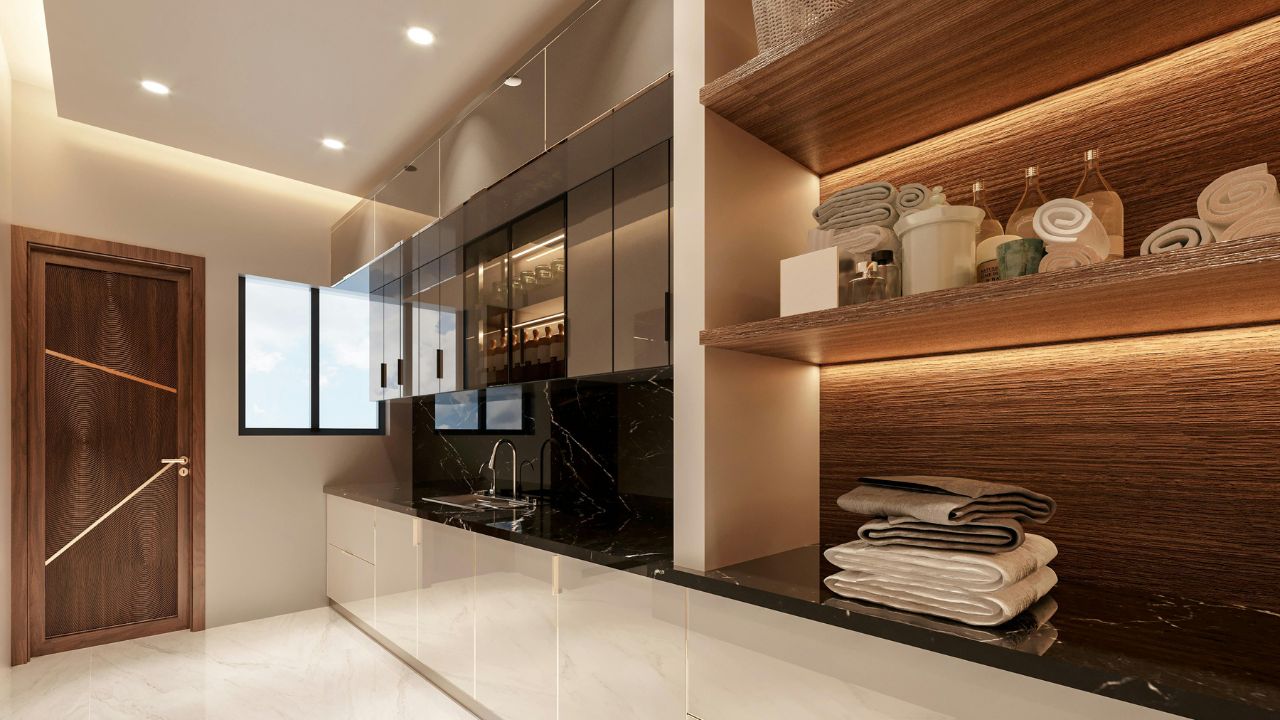
After years of smooth finishes, uniform surfaces and synthetic materials, natural wood is returning to contemporary interiors. Designers value it not only for its appearance, but also for the texture, tonal variation and warmth it introduces into otherwise restrained spaces. Wood can shape visual rhythm, define areas and support better acoustic comfort when used in engineered systems. Its successful use, however, depends on choosing materials that balance character, performance, durability and responsible sourcing.
Why Do Contemporary Interiors Need Natural Materials?
Glass, concrete, metal and painted plasterboard support clean architectural lines, but large uninterrupted areas of these materials can make an interior feel visually cold or impersonal, not to mention with booming echo. Wood introduces a different type of detail. Its grain, knots and subtle tonal changes provide texture without relying on additional ornaments, patterns or colours.
This makes it compatible with biophilic design, which seeks to strengthen the connection between indoor spaces and natural forms, materials and processes. Because no two sections of timber look exactly alike, the surface avoids mechanical uniformity.
That controlled irregularity softens restrained interiors, balances harder finishes and helps rooms feel warmer and more welcoming without compromising a contemporary aesthetic.
Wood Adds Warmth Without Making a Space Look Traditional
Wood does not automatically make an interior rustic or traditional. Its character depends on timber species, veneer pattern, stain, surface finish and slat proportions. Pale oak or ash with narrow, evenly spaced slats can support the light, restrained character associated with Scandinavian-inspired design.
Darker walnut tones, smoked finishes or wider profiles can create greater depth in hotel lounges, executive offices and residential living areas. Against concrete, black metal or exposed services, timber softens an industrial scheme without concealing its structure.
In minimalist and contemporary interiors, it adds controlled warmth while preserving clean lines, limited colour palettes and architectural simplicity.
How Slatted Wood Changes the Perception of Space
Slatted wood influences how people read a room as well as how a surface looks. The spacing between the elements establishes rhythm and direction, allowing designers to change the visual proportions of an interior without altering its structure.
- Alter perceived proportions. Full-height vertical slats draw the eye upward and can make a low ceiling feel less dominant. Horizontal arrangements guide the eye across the surface, helping a narrow wall appear wider.
- Define functional zones. Open slatted dividers can distinguish dining, working, waiting or circulation areas without creating the weight of a solid partition. They preserve partial sightlines and allow daylight to continue through an open interior.
- Connect architectural elements. The same treatment can move from a feature wall onto the ceiling or continue across reception desks, doors and integrated storage. This creates continuity between elements that might otherwise appear unrelated.
Orientation, width and spacing should respond to the room’s dimensions and main viewpoints. When used with restraint, the repeated lines create movement and hierarchy through one consistent material instead of introducing several competing finishes.
When Wood Becomes an Acoustic Surface
When a room contains glass, concrete, plasterboard and other hard surfaces, sound reflects repeatedly instead of losing energy quickly. The result is longer reverberation and reduced speech clarity. Slatted wood acoustic panels combine a slatted timber face with a sound-absorbing felt backing.
The gaps allow sound waves to reach the porous layer, which absorbs part of their energy, while the slats break up reflections across the surface. This can improve speech intelligibility, listening comfort and acoustic balance in homes, offices and hospitality spaces. However, not every decorative slatted wall has verified acoustic performance; the materials, spacing, backing and installation all matter.
These panels provide acoustic treatment by controlling reflections inside the room. They are not structural soundproofing and cannot, by themselves, stop sound passing through a wall or ceiling.
Where Do Slatted Wood Panels Work Best?
Slatted wood panels are particularly useful in rooms where large hard surfaces create noticeable echo, yet the acoustic treatment must remain part of the interior design. Before choosing them, consider how the room is used, where voices or loudspeakers are located and which walls or ceilings create the strongest reflections. This helps determine whether the panels should cover a complete surface, form a smaller feature area or extend overhead.
Common applications include:
- Living rooms and media spaces: create a warm feature wall while controlling reflections around entertainment systems.
- Offices and meeting rooms: support clearer speech during meetings.
- Restaurants and hotels: reduce reverberation without introducing visibly technical acoustic products.
- Reception areas and corridors: add rhythm and identity to broad, otherwise plain surfaces.
- Studios and creative rooms: manage reflections while preserving a calm, design-led atmosphere.
The appropriate coverage depends on the room’s volume, existing finishes, occupancy and sound sources. Placement should respond to the strongest reflection areas rather than being determined only by visual symmetry.
Choose Wood for Performance, Not Appearance Alone
A natural-looking finish says little about how a panel was sourced, manufactured or tested. Before specifying one, check the origin of the timber or veneer, the substrate composition and available information on material emissions.
Fire classification and independently verified acoustic data matter in offices, hotels, restaurants and other public interiors. Room conditions also affect suitability. Consider moisture exposure, cleaning, fixing requirements and whether a damaged panel can be replaced without dismantling the entire surface.
The best choice is not simply the most convincing wood finish but the system that aligns the visual concept with required acoustic performance, safety obligations, maintenance demands and installation conditions.
A Natural Material with a Practical Role
Wood has returned because it offers visual warmth, architectural flexibility and acoustic potential. The strongest designs use it as more than decoration, allowing one surface to define zones, influence proportion and control reflections. When the material and its placement respond to the room’s requirements, an interior can feel natural, sound comfortable and remain practical long after passing trends have disappeared.



Keep Exploring Zingyzon.com
Read more Zingyzon SEO, digital marketing, online earning, business, and technology guides for Australia, USA, and global readers.