
Affordable Home Improvement Ideas
Affordable home improvement ideas can make a big difference without forcing you into expensive remodeling, major construction, or professional renovation […]
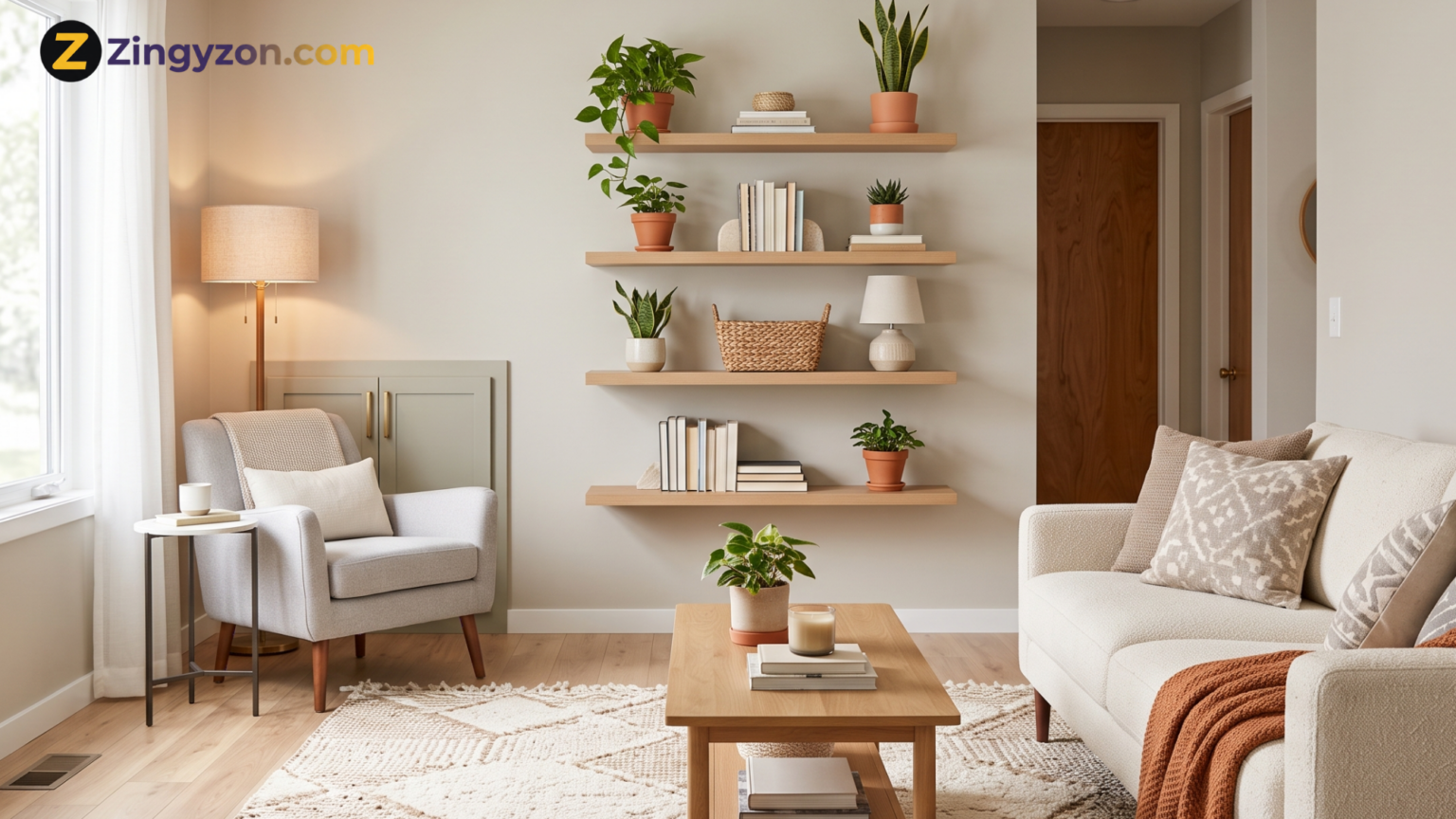
Affordable home improvement ideas can make a big difference without forcing you into expensive remodeling, major construction, or professional renovation work. Many homeowners believe that improving a home requires thousands of dollars, but the truth is much simpler. A cleaner layout, better lighting, fresh paint, smart storage, small repairs, and thoughtful decor choices can completely change how a home looks and feels.
The best part is that affordable home improvement does not always mean “cheap-looking.” With the right planning, even low-cost upgrades can make your space feel modern, comfortable, organized, and more valuable. Whether you live in a house, apartment, condo, or small rental space, you can improve your home step by step without overspending.
This guide covers practical and affordable home improvement ideas that work for living rooms, kitchens, bedrooms, bathrooms, entryways, outdoor spaces, and storage areas. These ideas are simple, realistic, and budget-friendly, making them perfect for homeowners and renters who want noticeable results without a full renovation.
Why Affordable Home Improvement Matters
Home improvement is not only about appearance. A better home can improve comfort, reduce daily stress, increase functionality, and make your space easier to maintain. Small upgrades can also help prevent bigger repair costs later. For example, fixing minor leaks, sealing gaps, cleaning gutters, organizing storage, or replacing worn-out fixtures can protect your home while improving daily living.
Affordable home improvement ideas are especially useful because they allow you to upgrade your home gradually. Instead of waiting until you have a large renovation budget, you can improve one corner, one room, or one problem at a time. This approach is easier to manage and often leads to better results because each decision is more thoughtful.
A budget-friendly home upgrade plan also helps you focus on what matters most. You do not need to replace everything. Sometimes, cleaning, painting, rearranging, and repairing existing items can be more effective than buying new ones.
1. Start With Decluttering and Deep Cleaning
Before spending money on decor or furniture, start with the most affordable improvement of all: decluttering. A cluttered room can make even expensive furniture look messy, while a clean and organized space can make basic decor look stylish.
Begin by removing items you no longer use. Sort things into categories such as keep, donate, sell, repair, and throw away. Focus on surfaces first, including countertops, tables, shelves, nightstands, and entryway areas. These visible spaces affect how your home feels immediately.
After decluttering, deep clean the room. Wash curtains, clean windows, wipe baseboards, vacuum under furniture, clean light fixtures, and remove stains from walls or floors. Many homes look older simply because dust, marks, and clutter build up over time.
This step costs little but creates a strong foundation for every other home improvement project.
2. Refresh Walls With Paint or Peel-and-Stick Options
Paint is one of the most powerful affordable home improvement ideas. A fresh coat of paint can make a room feel larger, brighter, cleaner, and more modern. Neutral colors such as warm white, soft beige, light gray, cream, and pale taupe work well in most spaces because they create a clean background for furniture and decor.
For a bolder look, consider painting one accent wall. A deep green, navy blue, charcoal, terracotta, or muted clay shade can add personality without overwhelming the room. Accent walls are budget-friendly because you only need a small amount of paint.
Renters or people who do not want permanent changes can use peel-and-stick wallpaper. It works well behind beds, inside shelves, in entryways, or on small bathroom walls. Peel-and-stick tiles can also refresh kitchen backsplashes without the cost of traditional tile installation.
When choosing wall updates, focus on clean application. Even affordable materials look high-end when installed carefully.
3. Upgrade Lighting for a Warmer Home
Lighting can completely change the mood of a home. Harsh lighting can make a space feel cold, while warm layered lighting can make the same room feel cozy and expensive.
Start by replacing old bulbs with warm white LED bulbs. They use less energy and create a softer atmosphere. Add floor lamps, table lamps, under-cabinet lighting, or wall sconces where needed. In living rooms and bedrooms, avoid relying only on one ceiling light. Instead, create layers of light at different heights.
Affordable lighting upgrades include:
- LED strip lights under kitchen cabinets
- Plug-in wall sconces beside a bed
- Floor lamps in dark corners
- Motion-sensor lights in closets
- Solar lights for outdoor pathways
- Warm string lights for patios or balconies
Good lighting improves both style and function. It makes reading, cooking, relaxing, and entertaining easier while giving your home a more polished look.
4. Replace Small Hardware for a Big Visual Change
Changing hardware is a small upgrade with a surprisingly big effect. Cabinet knobs, drawer pulls, door handles, towel bars, hooks, and curtain rods can make a home look outdated when they are worn or mismatched.
You do not have to replace cabinets or doors to improve them. Simply swapping old handles for modern ones can refresh kitchens, bathrooms, closets, and furniture. Matte black, brushed nickel, brass, bronze, and simple chrome finishes are popular because they work with many design styles.
For the best result, choose one consistent finish for each room. For example, use black cabinet pulls, black curtain rods, and black hooks in the same space. This creates a coordinated look without expensive remodeling.
This is one of the easiest DIY home improvement ideas because it usually requires only a screwdriver and a little patience.
5. Improve Storage With Smart Organization
Storage problems can make a home feel smaller than it really is. Affordable storage upgrades help you use your space better without adding new rooms or large furniture.
Start with hidden storage. Use under-bed containers, baskets inside cabinets, drawer dividers, shelf risers, over-the-door organizers, and storage ottomans. These items keep daily essentials accessible but out of sight.
In kitchens, add clear containers, spice racks, pull-out baskets, and wall hooks. In bathrooms, use floating shelves, small baskets, and cabinet organizers. In bedrooms, use closet dividers, hanging shelves, and labeled bins.
The goal is not to hide everything randomly. The goal is to create a system where every item has a place. When your home is easier to organize, it stays cleaner for longer.
6. Refresh the Kitchen Without Full Renovation
A kitchen renovation can be expensive, but many kitchen upgrades are affordable and beginner-friendly. Instead of replacing cabinets, consider painting them if the surface is suitable. A clean white, soft gray, sage green, or navy finish can make old cabinets look new.
If painting cabinets feels too difficult, start smaller. Replace cabinet handles, add peel-and-stick backsplash tiles, install under-cabinet lights, update the faucet, or add open shelves for attractive dishes and jars.
Countertop accessories also matter. Remove unnecessary items from counters and keep only useful or decorative pieces, such as a wooden cutting board, fruit bowl, plant, or matching containers.
You can also improve kitchen efficiency by checking appliances and energy use. For long-term savings, explore smart buying and usage tips through this guide on energy efficient home appliances. Choosing efficient appliances and using them wisely can support both comfort and lower household costs.
7. Make Bathrooms Feel Cleaner and More Modern
Bathrooms often look dated because of old fixtures, stained grout, poor lighting, or cluttered counters. Fortunately, many bathroom improvements are affordable.
Start by replacing the shower curtain, bath mat, towels, soap dispenser, and toothbrush holder. Choose matching colors for a cleaner look. Next, clean or refresh grout lines. Grout pens can make tile lines look brighter without replacing tiles.
Other affordable bathroom upgrades include:
- Replacing an old mirror
- Adding floating shelves
- Installing new towel hooks
- Updating the faucet
- Adding peel-and-stick floor tiles
- Using baskets for storage
- Re-caulking around the tub or sink
A bathroom should feel fresh, simple, and easy to clean. Avoid overcrowding it with too many decorative items. A few useful upgrades can make the space feel more relaxing and modern.
8. Rearrange Furniture Before Buying Anything New
One of the most overlooked affordable home improvement ideas is furniture rearrangement. Sometimes a room feels uncomfortable not because the furniture is bad, but because the layout does not work.
Before buying anything new, test a different arrangement. Move seating closer together to create a conversation area. Pull furniture away from walls if space allows. Keep walking paths open. Place large furniture where it does not block windows or natural light.
In small rooms, remove unnecessary pieces. A crowded room feels smaller and less comfortable. In larger rooms, use rugs, lamps, and furniture groupings to create zones.
A better layout can improve comfort, movement, and appearance without costing anything.
9. Add Rugs, Curtains, and Textiles
Textiles make a home feel finished. Rugs, curtains, cushions, throws, and bedding add color, warmth, and texture. They can also hide minor floor imperfections and soften rooms that feel too plain.
Area rugs are especially helpful in living rooms, bedrooms, and dining areas. Choose a rug that is large enough for the furniture arrangement. A too-small rug can make the room feel disconnected. Curtains should ideally be hung higher and wider than the window to make ceilings feel taller and windows look larger.
Pillows and throws are easy seasonal updates. Instead of buying new furniture, change textiles to refresh the room. Use soft textures in winter and lighter fabrics in warmer months.
These small changes can make a space feel cozy and stylish without major expense.
10. Create a Better Entryway
The entryway is the first thing people see when they enter your home. Even a small entrance can become more functional and attractive with affordable upgrades.
Add a simple shoe rack, wall hooks, a small bench, a mirror, and a tray for keys. If the space is narrow, use vertical storage instead of bulky furniture. A washable rug can protect the floor and add warmth.
A mirror near the entrance helps reflect light and makes the area feel larger. Good lighting also improves the first impression. If your entryway looks dark, add a lamp, wall light, or brighter bulb.
A clean entryway makes the whole home feel more organized.
11. Improve Curb Appeal on a Budget
Curb appeal matters because the outside of your home sets the tone before anyone walks inside. You do not need expensive landscaping to make the exterior look better.
Start by cleaning the front door, porch, windows, walkway, and outdoor furniture. Trim overgrown plants, remove weeds, and sweep regularly. Paint the front door if it looks faded. Add a new doormat, house numbers, outdoor light fixture, or planters.
Container plants are a budget-friendly way to add color and life. Choose low-maintenance plants that suit your climate and available sunlight.
If you have outdoor seating, improve it with cushions, string lights, and simple decor. For more inspiration, read these backyard patio ideas on a budget to create an outdoor space that looks inviting without overspending.
12. Upgrade Outdoor Living Areas
Outdoor areas are often underused, but they can become valuable living spaces with simple improvements. A balcony, patio, porch, or backyard corner can turn into a relaxing area for morning coffee, family time, or casual gatherings.
Start with cleaning and defining the area. Add seating, shade, lighting, and a few plants. You can use outdoor rugs to cover plain concrete or worn flooring. Folding chairs, benches, and small tables work well for limited spaces.
Lighting is especially important outdoors. Solar lights, lanterns, and string lights create atmosphere at a low cost. If privacy is a concern, use outdoor curtains, trellis panels, tall plants, or bamboo screens.
For hands-on ideas, explore these DIY patio makeover projects that can help you transform outdoor areas with practical and affordable changes.
13. Use Plants to Add Life and Color
Plants are one of the easiest ways to improve a home. They add natural beauty, color, and freshness. Even simple indoor plants can make shelves, corners, windowsills, and tables look more attractive.
Choose low-maintenance plants if you are a beginner. Snake plants, pothos, peace lilies, ZZ plants, and spider plants are popular options. If natural light is limited, consider realistic faux plants for decorative corners.
Use planters that match your home style. Ceramic pots, woven baskets, metal stands, and simple white containers can make basic plants look more stylish.
Plants work well in living rooms, kitchens, bathrooms, bedrooms, balconies, and entryways. They are affordable, flexible, and easy to move when you want to refresh the layout.
14. Fix Small Repairs Before They Become Big Problems
Affordable home improvement is not only about decoration. Maintenance is just as important. Small problems can become expensive if ignored.
Check your home for loose handles, squeaky doors, leaking faucets, cracked caulk, clogged drains, peeling paint, damaged weatherstripping, and loose tiles. Many of these repairs are inexpensive and can be handled with basic tools.
Create a monthly home checklist. Walk through each room and note anything that needs attention. Repairing small issues early keeps the home safer, cleaner, and more valuable.
A well-maintained home naturally looks better, even before decorative upgrades are added.
15. Add Personality With Affordable Decor
A beautiful home should feel personal. Affordable decor can help your space reflect your style without looking cluttered. Use wall art, framed photos, books, candles, vases, baskets, trays, and handmade pieces.
The key is balance. Too many small decorations can make a room feel messy. Instead, group items in threes, use trays to organize surfaces, and leave some empty space.
You can also create DIY decor. Paint old frames, make simple wall art, reuse glass jars, update old furniture, or create a gallery wall with inexpensive prints. Thrift stores, discount shops, and online marketplaces can also be great places to find unique decor.
Personal touches make your home feel warm and welcoming.
16. Choose Projects That Add Real Value
When planning affordable home improvement ideas, focus on projects that improve daily life and long-term value. Some upgrades are mostly decorative, while others improve function, comfort, and efficiency.
High-value affordable upgrades include:
- Fresh interior paint
- Better lighting
- Organized storage
- Kitchen hardware updates
- Bathroom fixture updates
- Improved curb appeal
- Energy-saving changes
- Small repairs and maintenance
- Better furniture layout
Avoid spending money on trends that do not match your lifestyle. A home should work for your daily routine, not just look good in photos.
17. Build a Simple Budget Before You Start
Even affordable projects can become expensive if you do not plan. Before starting, decide how much you want to spend. Break the budget into categories such as paint, tools, decor, storage, lighting, and repairs.
Start with one room instead of the whole house. Choose three priorities: one repair, one functional upgrade, and one visual improvement. For example, in a bedroom, you might fix a squeaky door, add closet organizers, and paint the walls.
Compare prices before buying materials. Look for sales, reuse what you already have, and avoid impulse purchases. A simple budget keeps your project controlled and stress-free.
18. Try Weekend DIY Projects
Weekend projects are ideal for affordable home improvement because they are small enough to finish quickly. Completing one project at a time also builds confidence.
Good weekend DIY ideas include:
- Painting an accent wall
- Installing shelves
- Replacing cabinet handles
- Organizing a closet
- Updating bathroom accessories
- Creating a small garden corner
- Adding peel-and-stick backsplash
- Rearranging a living room
- Refreshing outdoor seating
Choose projects that match your skill level. If something involves electrical wiring, plumbing, structural changes, or safety risks, hire a professional. DIY should save money, not create bigger problems.
19. Focus on Comfort, Not Just Looks
A home should look good, but it should also feel good. Comfort is one of the most important parts of home improvement. Soft lighting, clean air, comfortable seating, useful storage, and easy movement all improve daily life.
Think about what bothers you most at home. Is the kitchen too cluttered? Is the living room too dark? Is the bedroom not relaxing? Is the entryway always messy? Solving real problems will make your home feel better than simply copying design trends.
Affordable home improvement works best when it improves both beauty and function.
20. Improve One Space at a Time
Trying to upgrade the entire home at once can feel overwhelming. A better approach is to improve one space at a time. Start with the area you use most or the area that causes the most frustration.
For many people, this may be the kitchen, living room, bathroom, or bedroom. Finish one project before starting another. This keeps your home usable and your budget under control.
Take before-and-after photos to track progress. Small changes may not feel dramatic day by day, but over time they create a major transformation.
Frequently Asked Questions
What is the cheapest way to improve a home?
The cheapest way to improve a home is to declutter, deep clean, rearrange furniture, and repair small issues. After that, paint, lighting upgrades, new hardware, and affordable storage solutions can create a big difference on a small budget.
Which home improvements are best for a small budget?
The best small-budget home improvements include fresh paint, cabinet hardware replacement, better lighting, bathroom accessory updates, peel-and-stick backsplash, storage organizers, rugs, curtains, and curb appeal improvements.
Can affordable home improvement increase home value?
Yes, affordable improvements can support home value when they improve cleanliness, function, maintenance, and visual appeal. Fresh paint, repaired fixtures, organized storage, updated lighting, and better curb appeal can make a home more attractive.
How can I make my home look expensive on a budget?
Use a consistent color palette, improve lighting, reduce clutter, hang curtains higher, choose larger rugs, update hardware, add plants, and keep surfaces clean. A simple and coordinated home often looks more expensive than a crowded one.
Should I DIY or hire a professional?
DIY is suitable for simple projects like painting, organizing, decorating, replacing hardware, and basic cosmetic updates. Hire a professional for electrical work, major plumbing, roofing, structural changes, and anything that could affect safety.
Final Thoughts
Affordable home improvement ideas are all about making smart choices. You do not need a huge renovation budget to create a cleaner, more beautiful, and more comfortable home. Start with decluttering, cleaning, repairs, paint, lighting, storage, and small decor upgrades. Then move on to kitchens, bathrooms, outdoor areas, and energy-saving improvements.

Keep Exploring Zingyzon.com
Read more Zingyzon SEO, digital marketing, online earning, business, and technology guides for Australia, USA, and global readers.