
Energy Efficient Home Appliances
Energy efficient home appliances help a home work smarter without making daily life complicated. The goal is not only to […]
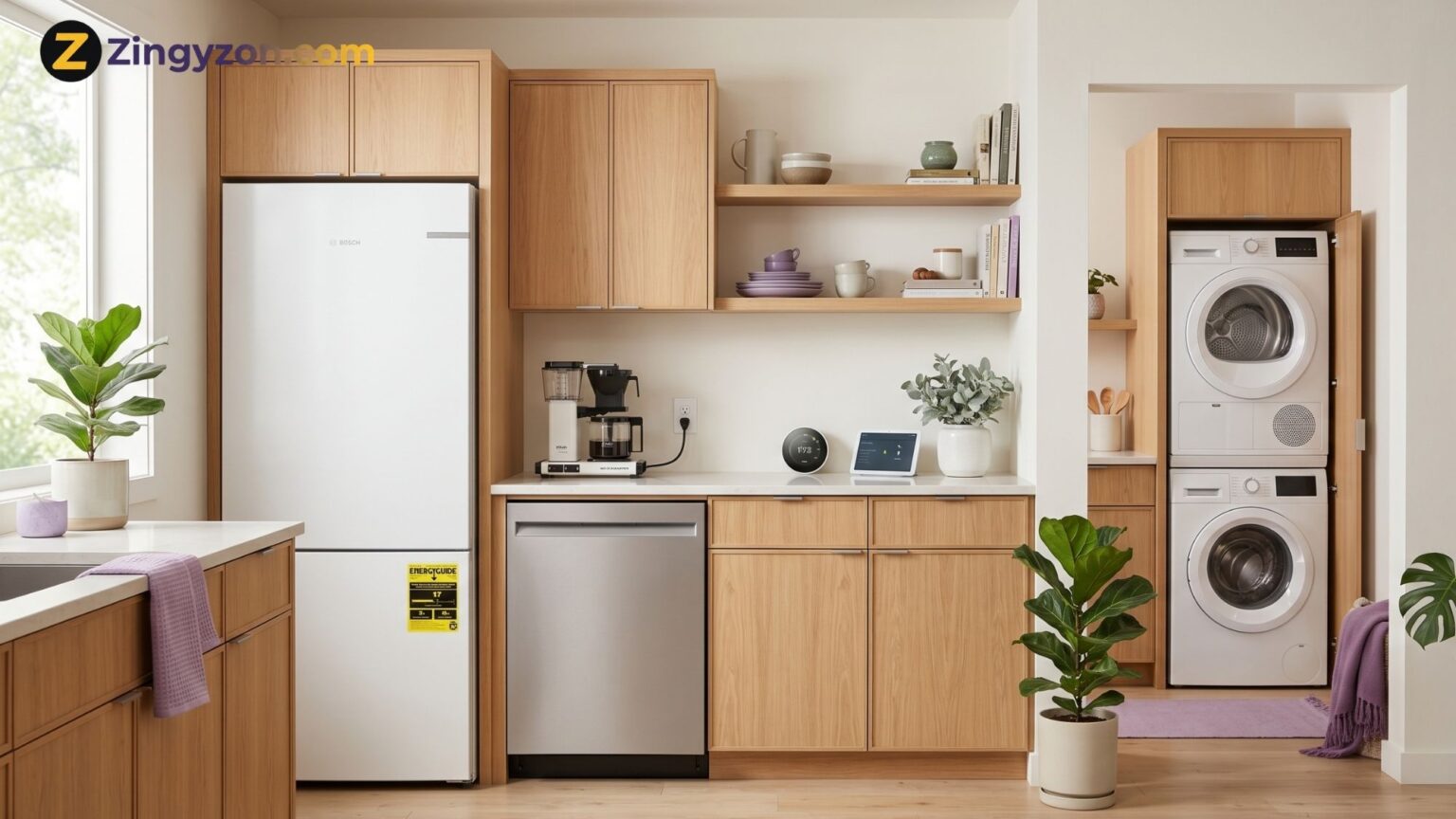
Energy efficient home appliances help a home work smarter without making daily life complicated. The goal is not only to buy a shiny new refrigerator, washer, dishwasher, or dryer. The real goal is to choose appliances that match your household routine, use energy and water more carefully, and stay practical for years.
On Zingyzon, this topic fits naturally inside the Home Appliances category because readers want practical home products that improve comfort, save time, and reduce waste. This guide explains how to compare energy efficient appliances before buying and how to use them better after installation.
Why Energy Efficient Appliances Matter
Home appliances can affect electricity use, water use, kitchen convenience, laundry habits, and long-term running costs. A low-quality appliance may look affordable on purchase day, but it can cost more over time if it uses more electricity, wastes water, makes too much noise, or breaks down early.
ENERGY STAR explains that certified products meet strict energy-efficiency specifications set by the U.S. Environmental Protection Agency. The U.S. Department of Energy also recommends choosing efficient appliances and reducing unnecessary use to lower electricity consumption and home energy bills. That means buying wisely and using appliances wisely both matter.
This becomes even more important in areas where homeowners closely monitor dallas electricity rates, since energy-efficient appliances can help reduce the impact of higher electricity costs over time. Choosing appliances that match your household’s needs and using them efficiently can lead to lower utility bills, improved performance, and savings that add up year after year.
Start With the ENERGY STAR Label
The ENERGY STAR label is one of the easiest signals to check when comparing appliances. It does not mean every certified model is identical, but it does show that the product meets energy-efficiency requirements for its category. This can help shoppers narrow down better options before comparing design, capacity, price, and reviews.
Different appliance types have different efficiency benefits. ENERGY STAR reports that certified refrigerators are about 9 percent more energy efficient than models that meet the federal minimum standard. For laundry, ENERGY STAR certified clothes washers use about 20 percent less energy and about 30 percent less water than regular washers. The savings depend on the appliance type, household usage, and local utility rates, so labels should be compared carefully instead of assuming every model has the same impact.
Use the EnergyGuide Label Before You Buy
The yellow EnergyGuide label is useful because it helps shoppers compare similar appliances. The Federal Trade Commission explains that EnergyGuide labels provide estimates of energy consumption or efficiency, and many major home appliances are required to display them. This makes it easier to compare models that look similar but may have different operating costs.
When you read the label, focus on the estimated yearly energy use, estimated yearly operating cost, and the comparison range for similar models. A cheaper appliance may cost more over time if it sits at the high-use end of the range. A slightly more expensive model may offer better value if it uses less electricity or water year after year.
Refrigerators: Choose the Right Size First
A refrigerator runs all day, so efficiency matters. However, the right size matters just as much as the rating. A refrigerator that is too large may waste energy because it cools empty space. A refrigerator that is too small may become overcrowded, block airflow, and work harder than necessary.
Choose the capacity based on grocery habits, family size, freezer needs, and kitchen layout. Look for strong door seals, adjustable shelving, efficient lighting, and practical compartments. Avoid placing the refrigerator next to strong heat sources if the kitchen layout allows better placement.
Dishwashers: Save Energy, Water, and Time
A modern dishwasher can be a smart appliance choice for busy homes. The U.S. Department of Energy says an ENERGY STAR certified dishwasher uses, on average, 12 percent less energy and 30 percent less water than a standard model. ENERGY STAR also notes that a new certified dishwasher can use less than half as much energy as washing dishes by hand and can save thousands of gallons of water each year.
To get better results, use the dishwasher correctly. Run full loads when possible, avoid unnecessary pre-rinsing when the machine can handle normal food residue, choose eco or sensor cycles when suitable, and keep the filter clean. A good dishwasher is not only about the machine. It is also about the habit.
Washers and Dryers: Think About Water, Heat, and Load Size
Laundry appliances can affect both water and electricity use. A good washer should match the household load size and fabric needs. If the family produces heavy laundry every week, a small machine may need too many cycles. If one person lives alone, a very large machine may be unnecessary.
Cold-water washing, correct detergent use, full but not overloaded loads, and proper machine maintenance can all help. For dryers, moisture sensors are useful because they can stop a cycle when clothes are dry instead of running longer than needed. Cleaning the lint filter also helps airflow and supports better drying performance.
Small Appliances and Smart Controls
Small appliances can also affect daily energy use when they are used often. Coffee makers, microwaves, air fryers, kettles, chargers, and entertainment devices may seem minor individually, but together they shape the home routine. Readers who like connected living can explore more ideas in Zingyzon’s Smart Lifestyle Upgrades article for practical ways to make daily routines easier.
Smart plugs, timers, and energy monitors can help when they solve a real problem. They can turn devices off, show usage patterns, or make appliances easier to control. However, smart technology should support simple habits, not replace them. Turning off unused devices, maintaining appliances, and choosing efficient settings still matter.
Heating, Cooling, and Appliance Planning
Energy efficient appliance planning also connects with indoor comfort. Some homes use dehumidifiers, air purifiers, ceiling fans, portable cooling units, or compact heaters alongside major appliances. If a reader is comparing comfort systems, the Zingyzon guide on cooling solutions for warehouses and factories can provide additional context about cooling needs in larger spaces, while this article focuses on everyday home appliances.
For home use, always match the appliance size to the room or task. An oversized device may waste energy. An undersized device may run constantly and still fail to solve the problem. The best appliance is the one that fits the space, the climate, and the actual daily need.
Energy Efficient Appliance Buying Checklist
• Measure the available space before comparing appliance models.
• Check ENERGY STAR certification when available for that appliance category.
• Read the yellow EnergyGuide label and compare similar models.
• Choose the right capacity instead of automatically buying the biggest size.
• Compare estimated yearly energy use, water use, and operating cost.
• Check noise ratings for appliances near bedrooms or open-plan living areas.
• Look for practical features such as eco cycles, load sensing, and moisture sensing.
• Review warranty, service access, replacement parts, and maintenance needs.
Simple Habits That Improve Appliance Efficiency
Buying an efficient appliance is only the first step. Daily habits make the biggest difference after the appliance is installed. A refrigerator door left open too long, a clogged dryer lint filter, an overloaded washer, or a dishwasher used with the wrong cycle can reduce the benefit of a good model.
Create easy household rules. Keep appliance filters clean. Use full loads when possible. Choose eco settings when they make sense. Leave airflow space around appliances that need ventilation. Unplug or switch off small devices that are not needed. These habits are simple, but they help the appliance perform closer to its intended efficiency.
Conclusion
Energy efficient home appliances are valuable because they combine comfort, convenience, and smarter resource use. A better refrigerator, washer, dishwasher, dryer, or small appliance should not only look modern. It should fit the home, support the routine, and reduce unnecessary waste.
The best approach is simple. Check reputable labels, compare EnergyGuide information, choose the right size, and build better usage habits. With this method, your home can feel more practical, organized, and cost-conscious without losing comfort or style.
FAQs
What are energy efficient home appliances?
Energy efficient home appliances are products designed to use less electricity, water, or fuel while still performing their normal household tasks effectively.
How do I know if an appliance is energy efficient?
Check for ENERGY STAR certification when available, read the EnergyGuide label, compare annual energy use, and choose a model with the right size and features for your home.
Which appliances should I upgrade first?
Start with appliances that run often or use the most resources, such as refrigerators, washers, dryers, dishwashers, and heating or cooling appliances.
Do energy efficient appliances always save money?
They can reduce operating costs, but the exact savings depend on the model, local utility rates, household habits, and how often the appliance is used.

Keep Exploring Zingyzon.com
Read more Zingyzon SEO, digital marketing, online earning, business, and technology guides for Australia, USA, and global readers.