
DIY Home Renovation Projects
DIY home renovation projects can make your home look better, feel more comfortable, and work better for daily life. You […]
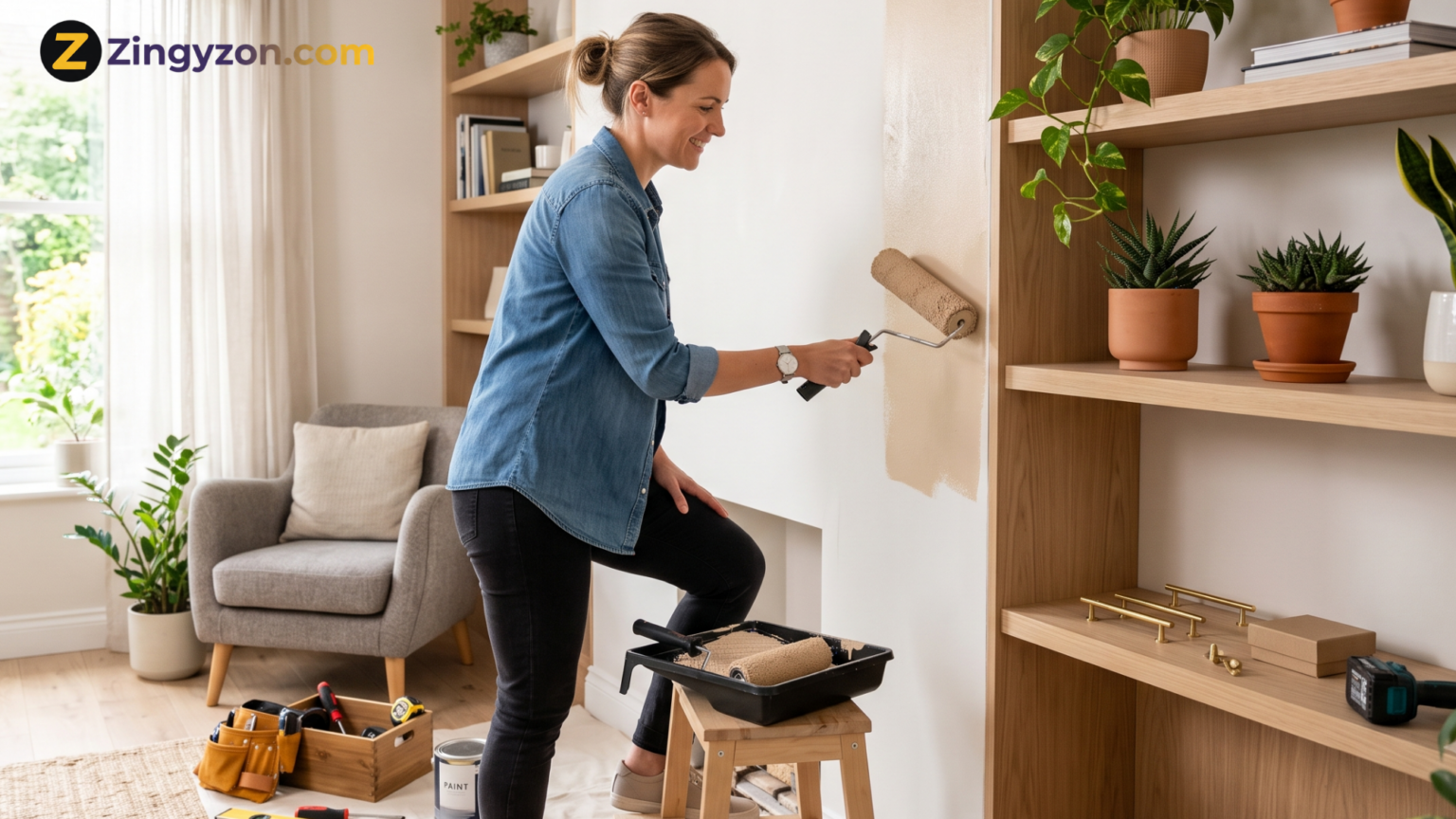
DIY home renovation projects can make your home look better, feel more comfortable, and work better for daily life. You do not always need a full remodel or a large budget to improve your space. Many home upgrades can be done step by step with basic planning, simple tools, and the right project choice.
The best part about DIY renovation is control. You choose the design, budget, timeline, and level of work. Some projects take only a weekend. Others may need more time and preparation. The key is to start with improvements that match your skill level and add real value to your home.
For more practical home ideas and useful guides, you can also explore Zingyzon.com for home improvement inspiration, appliance tips, and everyday living ideas.
Why DIY Home Renovation Projects Are Worth It
A home should feel useful, clean, and comfortable. Over time, paint fades, storage becomes messy, fixtures look outdated, and rooms stop matching your lifestyle. DIY home renovation projects help you fix these problems without waiting for a major renovation.
Small updates can make a big difference. A fresh wall color can brighten a room. New cabinet handles can make a kitchen feel modern. Better lighting can change the mood of a living space. Storage shelves can make a small room easier to use.
DIY projects are also useful because they help you understand your home better. When you repair, paint, organize, or upgrade something yourself, you notice details that are often ignored. You learn what works, what needs fixing, and where future improvements may be needed.
Another benefit is cost control. Professional renovation can be expensive, especially when labor, materials, and design changes are added together. DIY work allows you to spend money where it matters most and save on smaller tasks you can manage yourself.
Start With a Clear Renovation Plan
Before starting any project, make a simple plan. Many DIY mistakes happen because homeowners begin too quickly. They buy materials without measuring, start painting without surface preparation, or remove fixtures without checking what is behind them.
Start by walking through your home and writing down what needs improvement. Divide your list into three groups: urgent repairs, appearance upgrades, and comfort improvements.
Urgent repairs may include leaks, damaged tiles, broken handles, loose shelves, or poor lighting. Appearance upgrades may include paint, wall panels, decor, curtains, and hardware. Comfort improvements may include storage, seating, layout, insulation, or better room function.
Once your list is ready, choose one room or one project at a time. Do not start five projects together. This can create mess, stress, and unfinished work. A focused approach keeps the renovation simple and easier to complete.
You can also explore more Home Improvement guides to plan projects that match your home style and budget.
Easy Wall Renovation Ideas
Walls have a strong effect on how a room looks. If your space feels dull, old, or unfinished, wall updates are a good place to start. These projects are usually affordable and beginner friendly.
Fresh Paint
Painting is one of the most popular DIY home renovation projects because it gives fast results. A new color can make a room look cleaner, larger, warmer, or more modern.
Use light colors for small rooms if you want an open feel. Use warm neutral shades for living rooms and bedrooms. Use bold colors on one accent wall if you want character without making the space too heavy.
Before painting, clean the wall, fill holes, sand rough spots, and use painter’s tape around edges. Good preparation gives a smoother finish and saves time later.
Accent Wall
An accent wall is a simple way to add style. You can use paint, wallpaper, wood strips, peel and stick panels, or textured wall boards. This works well behind a bed, sofa, dining table, or TV unit.
For a modern look, choose one clean feature instead of adding too many patterns. The goal is to create focus, not visual clutter.
Wall Shelves
Floating shelves are useful and decorative. They can hold books, plants, small baskets, frames, candles, or kitchen items. Shelves are especially helpful in small homes where floor space is limited.
Make sure shelves are fixed properly. Use wall anchors when needed and avoid placing heavy items on weak fittings.
Kitchen DIY Renovation Projects
The kitchen is one of the most used areas in a home. A full kitchen remodel can be costly, but small DIY upgrades can still create a big improvement.
Paint or Refinish Cabinets
If your kitchen cabinets are strong but look outdated, painting them can give the kitchen a fresh look. White, cream, soft gray, navy, and natural green shades are popular choices for modern kitchens.
Remove cabinet doors, clean the surface, sand lightly, apply primer, and then paint with a durable finish. This project takes patience, but it can completely change the room.
Change Cabinet Handles
Replacing handles and knobs is one of the easiest kitchen renovation ideas. Black, brass, chrome, or brushed nickel hardware can make old cabinets look more stylish.
Measure the distance between existing screw holes before buying new handles. This helps you avoid drilling new holes.
Add a Peel and Stick Backsplash
A backsplash protects walls and adds design. Peel and stick backsplash tiles are easy for beginners and available in many styles, including subway tile, marble effect, mosaic, and stone look.
Clean the wall first and apply tiles carefully from one corner. Use a level line so the tiles stay straight.
Improve Kitchen Lighting
Poor lighting can make even a nice kitchen feel dull. Under cabinet lights, pendant lights, or brighter ceiling bulbs can improve both appearance and function.
Good lighting helps with cooking, cleaning, and creating a more welcoming space. If wiring is needed, hire a qualified electrician instead of doing electrical work yourself.
For deeper kitchen planning ideas, read this guide on a thoughtfully planned kitchen design to understand how layout, storage, lighting, and workflow affect the final result.
Bathroom DIY Renovation Projects
Bathrooms need regular updates because they deal with moisture, daily use, and cleaning products. You can improve a bathroom without replacing everything.
Replace Old Fixtures
Changing taps, showerheads, towel bars, toilet paper holders, and cabinet handles can make a bathroom look newer. Choose finishes that match each other for a clean design.
Matte black, chrome, and brushed nickel are common options. Keep the style simple so it stays useful for years.
Regrout Tiles
Dirty or cracked grout makes a bathroom look older than it is. Regrouting can refresh tiled walls and floors. Remove damaged grout carefully, clean the gaps, apply new grout, and seal it if needed.
This project takes time but can make the bathroom look much cleaner.
Add Storage
Many bathrooms feel messy because there is not enough storage. Add wall cabinets, floating shelves, baskets, drawer organizers, or over toilet storage.
Keep daily items easy to reach, but avoid overcrowding the countertop. A clean bathroom feels larger and more relaxing.
Upgrade the Mirror
A new mirror can change the whole bathroom. A round mirror gives a soft modern look. A framed mirror adds warmth. A mirror with lighting can improve function and style.
This is a simple project that often gives a high visual return.
Living Room Renovation Ideas
The living room is where people relax, watch TV, welcome guests, and spend family time. DIY home renovation projects in this space should focus on comfort, layout, and visual balance.
Create a Better TV Wall
A TV wall can look messy if wires, shelves, and furniture are not planned well. You can improve it by using a simple console, cable covers, floating shelves, or wall panels.
Keep the design clean. Too many objects around the TV can make the wall feel crowded.
Rearrange Furniture
Sometimes renovation does not require buying anything. Moving furniture can improve flow and make the room feel larger.
Keep walking paths open. Place seating where people can talk easily. Avoid pushing every piece of furniture against the wall if the room allows a better layout.
Add Better Lighting Layers
A living room should not depend on one ceiling light. Use floor lamps, table lamps, wall lights, and warm bulbs to create a comfortable mood.
Layered lighting makes the room more flexible. You can use brighter light for reading and softer light for relaxing.
Refresh Soft Furnishings
Curtains, cushions, rugs, and throws can change the look of a room quickly. Choose colors and textures that work with your wall color and furniture.
A large rug can make the seating area feel complete. Curtains can make ceilings feel higher if they are hung closer to the ceiling.
Bedroom DIY Renovation Projects
A bedroom should feel calm, practical, and personal. DIY projects in this room should improve comfort and reduce clutter.
Build a Simple Headboard
A DIY headboard can make a bed look more finished. You can use wood panels, upholstered boards, cane panels, or peel and stick wall padding.
Choose a design that fits your room size. A tall headboard can add drama, while a simple panel can keep the room modern and clean.
Add Bedside Storage
Small bedrooms often need better storage. Floating bedside shelves, slim nightstands, or wall mounted lights can save space.
This keeps the floor clear and makes the room easier to clean.
Paint the Wardrobe
If your wardrobe looks old but still works well, paint or refinish it. Matching the wardrobe with the wall color can make the room feel larger. A contrasting color can turn it into a feature.
Use paint that works on the wardrobe material. Clean and sand before painting for better results.
Improve Closet Organization
Closet upgrades are very practical. Add hanging organizers, extra rods, drawer dividers, baskets, and labels.
A good closet system saves time every day and helps keep the room neat.
Entryway and Hallway Improvements
Entryways and hallways are often ignored, but they shape the first impression of your home. These areas can be improved with simple DIY projects.
Add wall hooks for bags and coats. Use a shoe bench for storage and seating. Add a mirror to make the space feel open. Paint the hallway in a light shade if it feels narrow.
A runner rug can also make a hallway feel warmer. Choose one that is easy to clean, especially if the area gets heavy foot traffic.
Outdoor DIY Home Renovation Projects
Outdoor areas can add comfort and value to your home. Even a small balcony, patio, or garden corner can become useful with the right updates.
Paint Outdoor Furniture
Old outdoor furniture can look new again with cleaning, sanding, and weather resistant paint. Choose colors that match your home exterior.
Make sure the paint is suitable for outdoor use so it can handle sun, rain, and temperature changes.
Add Planters
Plants can make an outdoor area feel fresh and relaxing. Use pots, raised beds, hanging planters, or vertical garden panels.
Choose plants based on sunlight, climate, and how much care you can give. Low maintenance plants are best for busy homeowners.
Create a Small Seating Corner
A small table, two chairs, outdoor cushions, and warm lighting can turn a balcony or patio into a relaxing spot.
You do not need a large space. Focus on comfort, shade, and simple styling.
Install Solar Lights
Solar lights are easy to install and useful for paths, garden edges, patios, and entrances. They improve safety and create a pleasant evening look.
Place them where they can receive enough sunlight during the day.
Budget Friendly DIY Renovation Tips
DIY renovation can still become expensive if you do not control the budget. Set a spending limit before starting and add a small extra amount for mistakes or missing items.
Reuse what you can. Paint old furniture instead of replacing it. Change handles instead of changing full cabinets. Add shelves instead of buying large storage units.
Buy materials after measuring carefully. Wrong sizes can waste money and delay the project.
Compare prices, but do not always choose the cheapest product. Low quality paint, weak shelves, poor tools, and cheap fixtures may cost more in the long run because they need replacement sooner.
Safety Tips Before Starting DIY Projects
Safety should always come first. DIY work can involve tools, ladders, dust, sharp materials, and hidden risks.
Wear gloves, eye protection, and a mask when needed. Keep children and pets away from the work area. Use ladders carefully and avoid standing on unstable furniture.
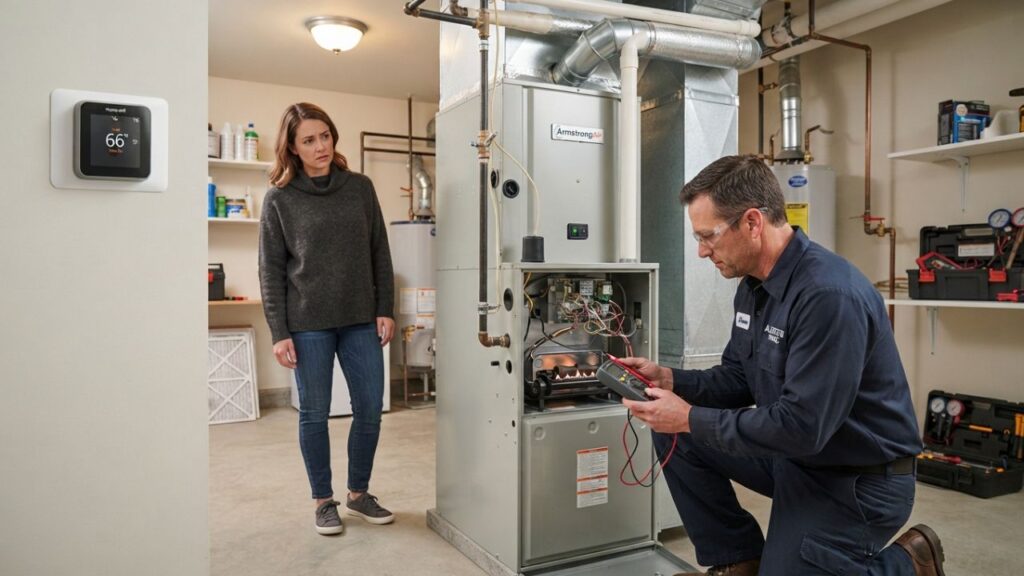
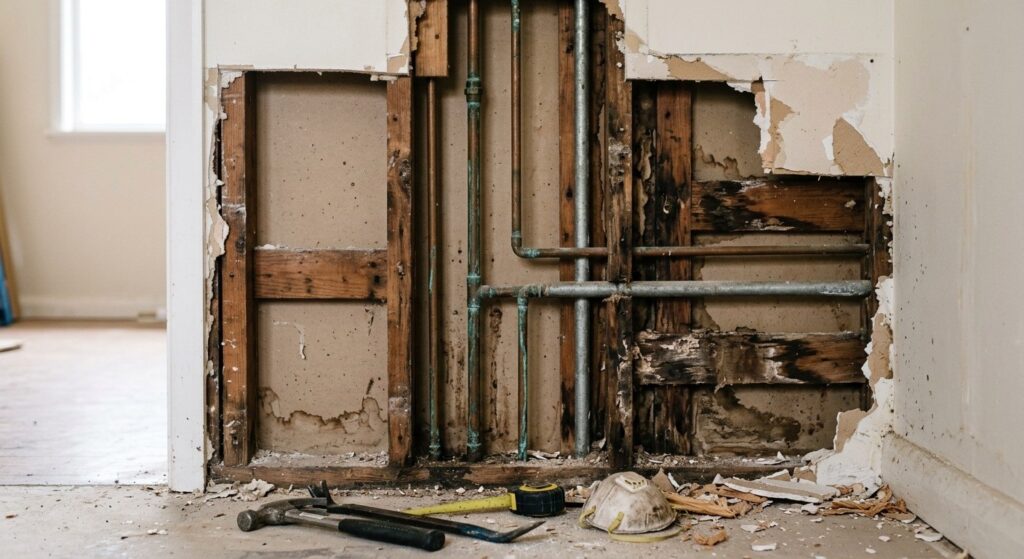
Do not handle major electrical, plumbing, gas, roofing, or structural work unless you are qualified. These jobs can create serious safety problems if done incorrectly.
If a project affects walls, wiring, water lines, or load bearing areas, speak with a professional first. DIY is useful, but it should not put your home or family at risk.
Common DIY Renovation Mistakes to Avoid
One common mistake is starting without a plan. Another is choosing a design only because it looks good online. Every home has different light, space, layout, and daily needs.
Do not ignore measurements. A shelf, rug, cabinet, or mirror may look perfect in a store but feel wrong at home if the size does not match.
Avoid buying too many decorative items before fixing basic problems. Paint, lighting, storage, and layout should come before small decor.
Also avoid rushing the finish. Many DIY projects look poor because people skip sanding, cleaning, drying time, or final touch ups.
Best DIY Projects for Beginners
If you are new to DIY, start with simple projects. Good beginner projects include painting a small wall, changing handles, adding shelves, organizing a closet, installing peel and stick tiles, updating curtains, or improving lighting with plug in lamps.
These projects do not need advanced skills and can help you build confidence. Once you are comfortable, you can move toward bigger tasks like cabinet painting, bathroom fixture updates, furniture refinishing, or outdoor upgrades.
Final Thoughts
DIY home renovation projects are a smart way to improve your home without starting a full remodel. Small changes can make rooms feel cleaner, brighter, more organized, and more comfortable.
Start with one project that solves a real problem. Plan your budget, measure carefully, use the right materials, and focus on safety. Whether you update walls, cabinets, bathrooms, lighting, storage, or outdoor spaces, each improvement can make your home more useful and enjoyable.
A good DIY renovation is not about doing everything at once. It is about making steady upgrades that fit your lifestyle, budget, and home needs.
FAQs
What are the easiest DIY home renovation projects?
The easiest DIY projects include painting walls, changing cabinet handles, adding floating shelves, organizing closets, installing peel and stick backsplash tiles, and updating lighting with lamps or simple fixtures.
Can DIY renovation increase home value?
Yes, simple upgrades can improve home value when they make the space cleaner, more functional, and more attractive. Kitchen updates, bathroom improvements, fresh paint, storage upgrades, and outdoor improvements are often useful.
What should I renovate first in my home?
Start with repairs and high use areas. Fix leaks, damaged surfaces, poor lighting, and storage problems first. After that, update kitchens, bathrooms, living rooms, and bedrooms based on your budget.
Are DIY home renovation projects safe?
Many DIY projects are safe when done carefully. Painting, storage, decor, furniture updates, and simple fixtures are usually manageable. Electrical, plumbing, gas, roofing, and structural work should be handled by professionals.
How do I renovate my home on a small budget?
Choose low cost, high impact projects. Paint walls, refresh cabinets, change hardware, add shelves, improve lighting, reuse furniture, and organize storage. Plan one project at a time to avoid overspending.

Keep Exploring Zingyzon.com
Read more Zingyzon SEO, digital marketing, online earning, business, and technology guides for Australia, USA, and global readers.