
Natural Slug Control for Vegetable Gardens
Slugs may look slow and harmless, but they can cause serious damage to a vegetable garden overnight. Newly planted lettuce, […]
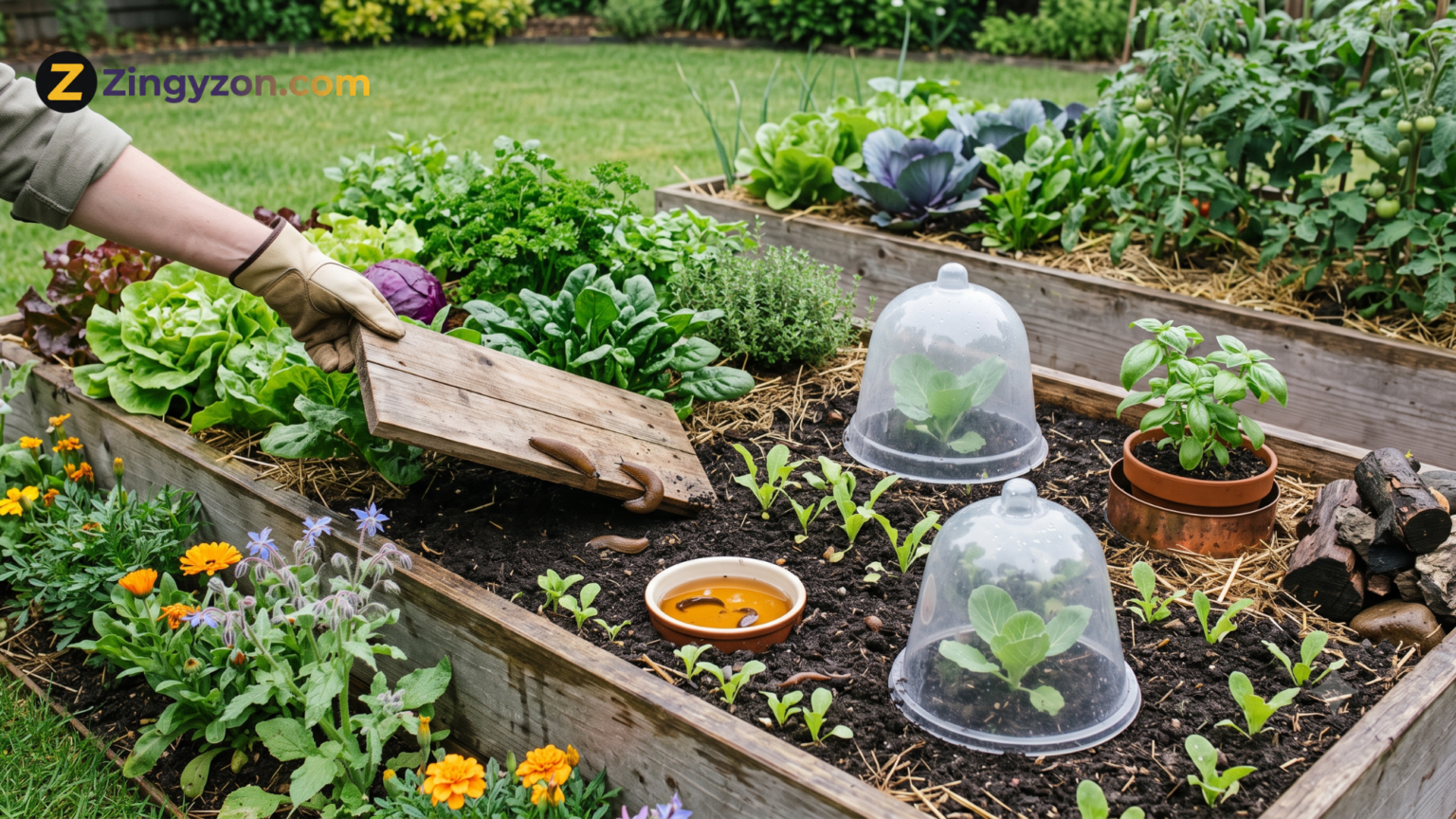
Slugs may look slow and harmless, but they can cause serious damage to a vegetable garden overnight. Newly planted lettuce, cabbage seedlings, beans, strawberries, spinach, basil, and other tender crops can quickly develop ragged holes or disappear completely.
The good news is that you do not need to cover your vegetable beds with harsh chemicals. Effective natural slug control for vegetable gardens is based on understanding when slugs are active, reducing the conditions they prefer, protecting vulnerable plants, and removing slugs before their population becomes difficult to manage.
There is no single home remedy that permanently removes every slug. The most reliable strategy combines monitoring, careful watering, garden sanitation, hand-picking, simple traps, biological controls, and support for natural predators.
It is also important to remember that slugs are part of the garden ecosystem. Many species feed mainly on decomposing organic material and provide food for birds, frogs, beetles, reptiles, and other wildlife. The goal should therefore be to protect vulnerable vegetables rather than trying to eliminate every slug from the garden.
What Attracts Slugs to Vegetable Gardens?
Slugs lose moisture easily, so they prefer cool, dark, damp, and sheltered environments. They often hide during the day beneath boards, stones, plant pots, thick mulch, fallen leaves, weeds, and garden debris.
At night, particularly after rain or irrigation, they leave their hiding places and begin feeding. They may also remain active during cloudy, damp weather.
Vegetable gardens can unintentionally provide ideal slug conditions. Regular watering supplies moisture, dense plants create shade, mulch provides shelter, and young seedlings offer soft leaves that are easy to eat.
Slug activity is usually most noticeable during cool, wet periods in spring and fall. However, irrigated gardens can support them during warmer months as well.
How to Identify Slug Damage
Correct identification matters because caterpillars, earwigs, beetles, and other pests can also create holes in vegetable leaves.
Slug damage commonly includes:
- Irregular, ragged holes in leaves
- Leaves eaten from their edges
- Young seedlings cut down or completely consumed
- Deep holes in strawberries, tomatoes, squash, and other low-growing produce
- Silvery or shiny slime trails on plants, soil, containers, or paths
- Damage that appears mainly overnight
- Slugs hiding beneath pots, leaves, boards, and mulch during the day
Seedlings are particularly vulnerable because a small amount of feeding can destroy the entire plant. Slugs may also feed on ripening produce and vegetables that touch the ground.
To confirm the problem, inspect your garden after sunset using a flashlight. A warm, damp evening is often the best time to find active slugs.
Start With Regular Garden Monitoring
Natural slug control is easier when you respond before severe damage appears.
Walk through your vegetable garden at least several times a week during damp weather. Look beneath leaves, around the bases of plants, under container rims, and near the edges of raised beds.
Pay special attention to newly transplanted seedlings. Mature vegetable plants can often tolerate limited feeding, but a slug can destroy a newly planted seedling in a single night.
Record where you find the most damage. Slug activity is rarely distributed evenly across a garden. One shaded corner, damp pathway, compost area, or heavily mulched bed may be producing most of the problem.
Targeting these high-risk locations is more efficient than treating the entire garden.
Water the Garden in the Morning
Changing your watering schedule is one of the simplest ways to make a vegetable garden less inviting to slugs.
Watering in the evening leaves the soil surface, paths, leaves, and mulch wet during the hours when slugs are most active. Morning watering gives the surface more time to dry before night.
Water deeply around the roots instead of lightly spraying the entire garden. Drip irrigation or a soaker hose can deliver water directly to the soil without keeping every pathway and leaf continuously damp.
Your vegetables still need adequate moisture, so do not allow the root zone to become excessively dry. The objective is to reduce unnecessary surface moisture at night, not to deprive plants of water. Morning watering is specifically recommended as a practical way to reduce ideal nighttime conditions for slug movement.
Remove Unnecessary Slug Hiding Places
Slugs spend daylight hours in cool, protected locations. Reducing unnecessary shelters makes the garden less comfortable for them and easier for you to inspect.
Remove loose boards, unused bricks, overturned pots, dense weeds, rotting plant material, and piles of garden waste from beside vegetable beds.
Keep grass and weeds trimmed around the edges of the garden. Lift containers occasionally and check beneath them. Harvest ripe produce promptly and remove damaged fruit instead of leaving it on the soil.
Do not remove every natural habitat from your entire yard. Birds, ground beetles, frogs, and other useful animals also need shelter. Focus on clearing unnecessary hiding places immediately around vulnerable vegetable beds while maintaining wildlife-friendly areas farther away.
Good soil structure and drainage can also prevent vegetable beds from remaining waterlogged. Learn more about improving growing conditions in this guide to the best ingredients for garden soil.
Use Mulch Carefully
Organic mulch can conserve moisture, suppress weeds, improve soil, and protect roots. However, a thick, constantly wet layer can also provide daytime shelter for slugs.
This does not mean you must completely stop using mulch. Instead, manage it carefully.
Keep mulch slightly away from the stems of young seedlings. Avoid applying an excessively thick layer around lettuce, cabbage, basil, beans, and other vulnerable plants during wet weather.
Check beneath the mulch regularly. If one bed has severe slug activity, temporarily reduce the mulch around newly planted vegetables until they become established.
Allowing the top of the mulch to dry between waterings can make it less attractive without removing all its benefits.
Hand-Pick Slugs at Night
Hand-picking is one of the most direct natural slug-control methods. It requires consistency, but it can significantly reduce local populations in a small vegetable garden.
Go outside after sunset with a flashlight, gloves, and a container. Check the soil around plants, beneath leaves, along raised-bed edges, and near damp hiding places.
Damp evenings and the hours after rain are especially productive. Repeat the inspection for several nights rather than expecting one collection to solve the problem.
Relocating slugs to another part of the property may not always work because some can return to preferred areas. Follow local guidance for humane disposal and avoid releasing potentially invasive species into parks, natural areas, or neighboring properties.
Create Simple Refuge Traps
A refuge trap does not need poison or complicated equipment. It simply creates a cool, dark shelter that attracts slugs during the day.
Place a flat wooden board, roof shingle, damp piece of cardboard, or overturned plant saucer near damaged vegetables. Slightly damp soil beneath the trap makes it more attractive.
Lift the shelter every morning and remove the slugs underneath. Reset it in the same location and continue checking daily.
Refuge traps are especially useful because they show whether slug activity is increasing or decreasing. They are also safer than spreading untested substances across the soil. Small boards or shingles are recommended by extension specialists as practical shelters for collecting slugs.
Do not create many traps and then forget about them. An unchecked board can become a permanent breeding and hiding place.
Use Beer or Yeast Traps Carefully
Beer traps are among the most familiar home remedies for slugs. Slugs are attracted to the fermentation odor rather than a particular brand of beer.
Bury a small container so its rim sits close to soil level. Add a shallow amount of beer or a yeast-based mixture. Place the trap near affected crops but not directly against the plant stem.
Check it every morning, remove trapped slugs, and replace the liquid regularly. Use a cover raised slightly above the container to reduce rainwater dilution.
These traps only affect slugs that reach them, so they work better as part of a broader control plan than as a complete solution. Check frequently to make sure frogs, beetles, or other non-target animals have not fallen inside.
Protect Young Seedlings
Young plants need the most protection because their leaves and stems are soft, and their limited growth cannot tolerate much damage.
Start seeds in pots, cell trays, or a protected growing area. Transplant them when they are larger and stronger instead of placing tiny seedlings directly into high-risk beds.
Inspect purchased plants before bringing them into the garden. Slugs, snails, and eggs may be hidden beneath pots or around drainage holes.
A temporary cloche made from a clean, clear container can protect an individual seedling. Remove the bottom, place the cover around the plant, and make sure the edge sits firmly against the soil. Provide ventilation and remove the cover before the plant becomes crowded or overheated.
Protective collars, raised containers, and clean pots can also reduce access, although no physical barrier should be considered completely slug-proof.
Growing stronger transplants before planting outdoors is one of the recommended ways to reduce losses from slug feeding.
Are Copper Barriers Effective?
Copper tape, copper rings, and copper mesh are often promoted as natural slug barriers. The theory is that contact with copper creates an unpleasant reaction that discourages slugs from crossing.
Copper may provide some protection in certain controlled situations, particularly when a complete, clean, sufficiently wide barrier surrounds a container. However, results in realistic outdoor gardens are inconsistent.
An RHS garden trial found no meaningful reduction in slug damage from several commonly recommended barriers, including copper tape, crushed eggshells, bark mulch, sharp grit, and wool pellets.
Copper should therefore be treated as an optional supporting measure rather than your main control method.
Before installing a barrier, inspect inside the protected area. A copper ring will not help if slugs or eggs are already present within it. Leaves must also be prevented from hanging over the barrier and forming a bridge.
Encourage Natural Slug Predators
A diverse garden is more likely to support animals that feed on slugs or their eggs.
Potential predators include:
- Ground beetles
- Birds
- Frogs and toads
- Slow worms and other reptiles
- Hedgehogs in regions where they naturally occur
- Some centipedes and other soil predators
Create suitable habitat with flowering plants, shallow water sources, undisturbed ground-level shelters, and areas free from broad pesticide use.
Avoid introducing wildlife from other locations. Instead, improve the garden so naturally occurring predators can visit and remain.
Predators may not eliminate a heavy infestation immediately, but they can contribute to long-term balance. Slugs are an important food source for several garden animals, which is another reason targeted crop protection is preferable to attempting total eradication.
For more practical garden and home-growing ideas, explore Zingyzon.com.
Consider Biological Nematodes
Beneficial nematodes are microscopic organisms used as biological controls against certain garden pests. Products containing slug-targeting nematodes can be watered into the soil.
The nematodes work best when the soil is moist and within the temperature range stated on the product label. According to RHS guidance, slug-control nematodes generally require moist soil at approximately 5–20°C or 41–68°F.
Nematodes primarily target soil-dwelling slugs and are unlikely to control snails effectively. They can also affect slug species that are not damaging live plants, so they should be used only in problem areas rather than across the entire garden.
Always purchase a product intended for your region and apply it before its expiration date. Follow the storage, mixing, temperature, and watering instructions carefully.
Use Iron Phosphate Bait Only When Necessary
Although this guide focuses on nonchemical methods, severe slug damage may lead some gardeners to consider an approved bait.
Iron phosphate products are often permitted in organic gardening systems and generally have lower toxicity than metaldehyde-based products. However, lower toxicity does not mean completely harmless.
Pets can become ill if they consume enough bait, and formulations may contain additional ingredients. Keep all products away from children and animals, follow the label exactly, and never apply more than recommended.
Scatter bait thinly only where necessary instead of creating piles. Avoid placing it directly on edible plant parts. Product labels and local regulations should always take priority over general online advice.
Natural prevention, monitoring, traps, hand removal, and habitat management should remain your first options.
Slug-Control Remedies to Avoid
Many popular remedies are ineffective, temporary, or potentially damaging.
Salt
Salt kills slugs through dehydration, but spreading it in a vegetable bed can damage plants, soil organisms, and soil quality. It may also build up around roots. Do not pour salt onto garden soil.
Crushed Eggshells
Eggshells can be composted or used as a slow source of calcium, but they should not be relied upon as a dependable slug barrier. Field testing has not shown consistent protection from eggshell barriers.
Coffee Grounds
A normal layer of used coffee grounds is not a reliable slug-control system. Applying large quantities can affect soil conditions and plant growth. Coffee grounds are better added moderately to a balanced composting system.
You can learn how to manage food scraps and organic materials in the guide to balcony composting without smell.
Diatomaceous Earth
Diatomaceous earth loses much of its usefulness when wet, while slugs are most active in damp conditions. Dust can also affect non-target organisms and should not be inhaled.
Strong Homemade Sprays
Concentrated vinegar, detergent, essential oils, or other homemade mixtures can burn vegetable leaves, damage soil life, and harm useful insects. Natural ingredients are not automatically safe for every plant or animal.
A Seven-Day Natural Slug-Control Plan
A short, focused plan can reduce damage before it spreads.
Day 1: Inspect the garden after sunset and confirm that slugs are causing the damage.
Day 2: Remove unnecessary boards, weeds, fallen leaves, damaged vegetables, and other hiding places near the beds.
Day 3: Change irrigation to early morning and direct water toward plant roots.
Day 4: Install several refuge traps using damp boards or overturned saucers.
Day 5: Hand-pick slugs after dark and empty the refuge traps the next morning.
Day 6: Protect vulnerable seedlings with cloches, collars, containers, or temporary barriers.
Day 7: Reinspect the garden, compare new damage with earlier damage, and decide whether biological nematodes or another targeted backup method is necessary.
Continue monitoring two or three times per week, especially after rain.
Seasonal Slug Prevention
Natural slug control should continue throughout the growing season.
In early spring, inspect planting areas before setting out seedlings. Remove unnecessary shelters and begin trapping before damage becomes severe.
During wet weather, check the garden frequently and keep mulch away from young plant stems.
In summer, water in the morning and harvest ripe produce promptly. Check beneath irrigation equipment and containers where moisture collects.
In fall, remove diseased plants, spoiled vegetables, and dense weeds. However, maintain some wildlife habitat away from the main vegetable beds so natural predators still have shelter.
During winter bed preparation, inspect pots, boards, raised-bed corners, and other protected locations for slugs and eggs.
Frequently Asked Questions
What is the best natural slug control for vegetable gardens?
The best method is an integrated approach. Water in the morning, remove unnecessary hiding places, inspect after dark, hand-pick slugs, use refuge traps, protect seedlings, and encourage natural predators.
How do I stop slugs from eating vegetable seedlings?
Raise seedlings in pots until they are stronger, clear hiding places around the planting area, use ventilated cloches or collars, water in the morning, and inspect the plants after sunset.
Do eggshells stop slugs?
Crushed eggshells are frequently recommended, but realistic garden trials have not found them consistently effective. They should not be used as the only barrier protecting valuable seedlings.
Does coffee kill slugs?
Concentrated caffeine may affect slugs, but ordinary used coffee grounds are not a dependable control method. Excessive grounds can also create problems for plants and soil.
Are beer traps effective for slugs?
Beer or yeast traps can catch nearby slugs, particularly in small gardens. They require frequent cleaning and refilling and work best when combined with other control methods.
What time do slugs come out?
Slugs are mostly active at night and during cloudy, damp conditions. The best time to inspect for them is shortly after sunset, especially following rain or irrigation.
What vegetables do slugs eat?
Slugs commonly damage lettuce, spinach, cabbage-family crops, beans, basil, strawberries, tomatoes, squash, and many young vegetable seedlings. Their preferences vary according to available food and environmental conditions.
Will morning watering reduce slug damage?
Morning watering can make the garden surface drier by night, reducing the moist conditions slugs prefer when moving and feeding.
Do copper rings stop slugs?
Copper rings may discourage some slugs when correctly installed, but outdoor results are inconsistent. Copper is better used as a supporting method than as the garden’s only protection.
Are slug nematodes safe for vegetable gardens?
Commercial slug-control nematodes can be used around vegetables when the product is approved for that purpose and applied according to its label. They require suitable soil moisture and temperature.
Is iron phosphate safe for pets?
Iron phosphate bait is generally considered less toxic than metaldehyde, but it can still be risky if a pet consumes enough. Store and apply it carefully, and follow every label precaution.
Should I remove every slug from my garden?
No. Some slug species mainly consume decomposing material and contribute to the garden food web. Concentrate on protecting vulnerable vegetables and reducing damaging populations in the growing area.
Final Thoughts
Successful natural slug control for vegetable gardens depends more on consistent garden management than on a single miracle remedy.
Begin by confirming that slugs are responsible for the damage. Water early in the day, reduce unnecessary hiding places, protect young seedlings, use simple refuge traps, and inspect the garden after dark.
Combine these immediate controls with long-term improvements such as better drainage, stronger transplants, healthy soil, and habitat for natural predators.
Avoid covering the garden with salt, concentrated homemade sprays, or unproven barriers. These methods may damage plants or beneficial organisms without providing reliable protection.
A few damaged leaves do not mean your garden has failed. With regular monitoring and targeted action, you can limit losses while maintaining a healthy, productive, and wildlife-friendly vegetable garden.

Keep Exploring Zingyzon.com
Read more Zingyzon SEO, digital marketing, online earning, business, and technology guides for Australia, USA, and global readers.