
Selling a House As-Is vs. Making Repairs: Which Option Saves More Time and Money?
Much of Spokane County’s housing has reached the age where big-ticket items come due together. The brick homes on the […]
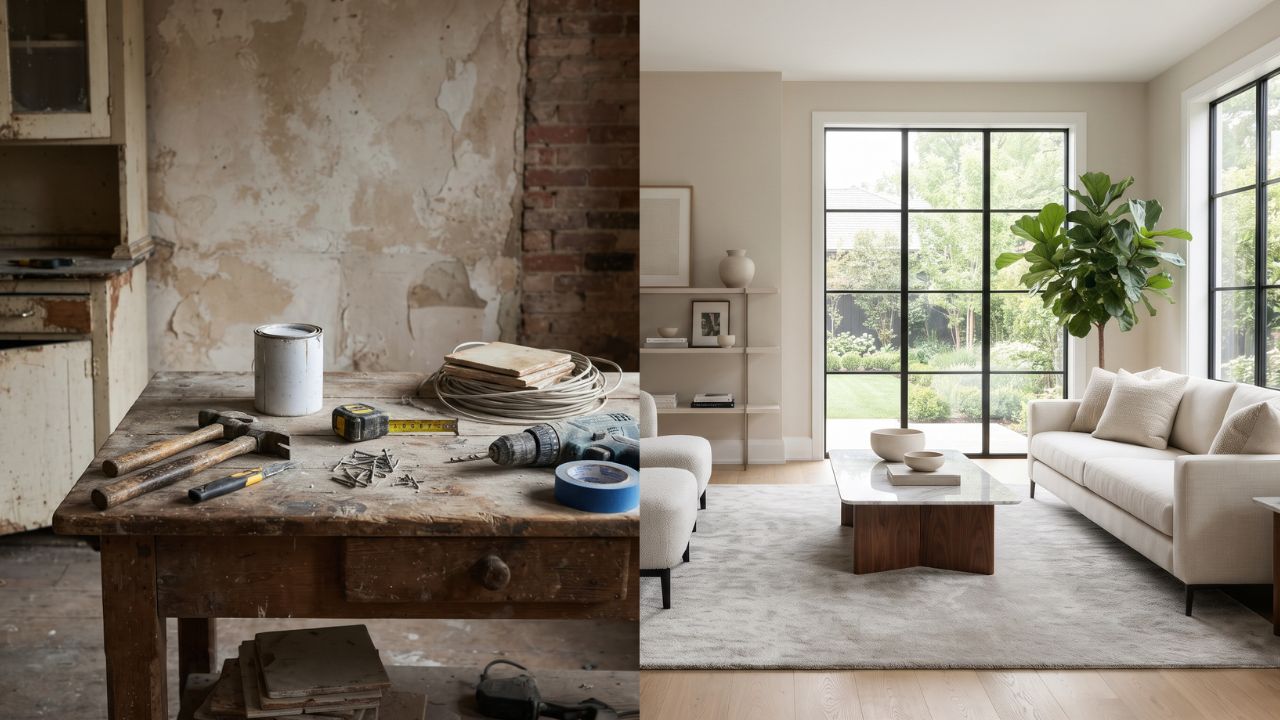
Much of Spokane County’s housing has reached the age where big-ticket items come due together. The brick homes on the South Hill, the bungalows around Garland, and the ranch houses built across Spokane Valley in the 1960s and 70s often need a roof, a furnace, and electrical updates within the same few years. With a county median price near $400,000 and a long winter that slows both contractors and buyers, the choice between fixing and selling carries real money. Owners who search “sell house fast Spokane” are usually trying to settle one question: sell the house as-is, or make repairs first?
Each option has a clear meaning, a typical timeline, and a typical cost. Looking at them in that order makes the answer easier to see.
What Selling a House As-Is Involves
Selling as-is means the owner offers the property in its current condition. No repairs are made before the sale, and no repair credits are promised afterward. The price is set lower to reflect the work a buyer will take on.
Two points are often misunderstood. First, as-is does not cancel disclosure. Washington still requires most residential sellers to report known defects on the state disclosure form. Second, buyers can still inspect. The inspection simply informs their decision to proceed, since the seller has already declined to fix anything.
An as-is home can be listed with an agent or sold directly to an investor, which is the route most sell house fast Spokane offers follow. Either way, the defining feature is the same: the condition is the buyer’s responsibility.
What Making Repairs Before Selling Involves
Making repairs means correcting problems before the home goes on the market so it shows well, passes inspection, and qualifies for more types of financing.
The work falls into three levels:
- Cosmetic: cleaning, paint, flooring, landscaping, and minor fixes.
- Functional: a furnace, water heater, electrical panel, or plumbing repair.
- Major: a roof, sewer line, foundation, or a full kitchen or bathroom remodel.
Cost and time rise sharply from one level to the next. Cosmetic work may run a few thousand dollars and finish in a week or two. Major work can cost tens of thousands and take months, particularly when permits or dry weather are needed.
Which Option Saves More Time?
Selling as-is saves more time in nearly every case.
An as-is sale skips the repair period entirely. A direct sale to a cash buyer can close in one to two weeks. An as-is listing on the open market usually takes six to nine weeks from listing to closing.
Making repairs adds its own schedule before the listing even begins. Bids take a week or two to collect. Cosmetic work adds one to three weeks, and major work adds one to three months. In Spokane County, exterior jobs such as roofing and painting slow or stop in freezing weather, so a project started in late fall can run into spring.
Repairs save time in only one circumstance: when a defect is serious enough to derail a financed sale. A leaking roof that fails a lender’s appraisal can cost a seller a buyer and several weeks. Fixing that single item first can prevent the delay.
Which Option Saves More Money?
The answer depends on the size of the repairs.
Small repairs usually save money: A home worth $395,000 as it sits might sell for $420,000 after $9,000 of paint, floor refinishing, and yard work. Even after a month of holding costs and the extra commission, the owner finishes around $12,000 ahead.
Large repairs often do not: Consider a home worth $340,000 as-is and $385,000 repaired, with a $32,500 list covering a roof, furnace, electrical panel, and interior work. The $45,000 gain looks attractive. Subtract the repair bill, about four months of mortgage payments, taxes, insurance, and utilities, and the higher commission and excise tax on the larger price, and the advantage shrinks to roughly $11,000. A modest cost overrun or a month of delay can cut that in half.
Three figures decide the outcome: the repair bill, the monthly cost of holding the house, and the gap between the as-is value and the repaired value. Owners should write those three numbers down before calling a contractor. As a working rule, repairs make financial sense when the value gap is at least twice the repair bill.
Available cash matters too. Repairs must be paid for before the sale. An owner who would need to borrow for the work adds interest to the cost side, which weakens the case further.
As-Is vs. Repairs at a Glance
The two options compare as follows on the points that affect time and money.
| Factor | Selling as-is | Making repairs first |
| Time to closing | 1 to 9 weeks | 2 to 6 months |
| Cash needed before the sale | Little or none | The full repair bill |
| Sale price | Lower | Higher |
| Buyers who can purchase | Cash buyers and some financed buyers | Nearly all buyers |
| Exposure to cost overruns | None | Common in older homes |
| Holding costs | Low | Grow with every month of work |
| Usually the better choice when | Repairs are major, funds are short, or a deadline is close | Repairs are cosmetic and the season allows quick work |
How to Choose Between As-Is and Repairs
A short process settles most cases.
- Order a pre-listing inspection so the full repair list is known.
- Get written bids for each item on that list.
- Ask an agent for two values: the home as it sits and the home repaired.
- Add up monthly holding costs and multiply by the months the repairs would take.
- Compare the two net figures alongside the two timelines.
Many owners end up with a split decision. They complete the cosmetic items, which return more than they cost, and sell with the major items disclosed and priced in. That approach keeps most of the time savings of an as-is sale while recovering the easiest money.
Frequently Asked Questions
How much less does a house sell for as-is?
There is no fixed percentage. The discount usually equals the cost of the needed repairs plus a margin for the buyer’s risk and effort. Written contractor bids help keep that margin small.
Is it better to fix a roof or sell the house as-is?
It depends on the buyer pool. A failing roof can block FHA and VA financing, so replacing it opens the home to more buyers. If the roof is one of several major problems, selling as-is is often cheaper overall.
Which repairs are worth making even in an as-is sale?
Cleaning, clearing out belongings, and basic safety fixes such as working smoke and carbon monoxide alarms. They cost little, take days, and improve both the offers and the speed of the sale.
The Final Verdict
Selling a house as-is saves more time in almost every situation. Making repairs saves more money only when the work is modest, the season cooperates, and the budget holds. The surest way to decide is to put both net figures and both timelines on one page. Owners who need a firm as-is number for that comparison can request one from a regional buyer such as Webuyhouseasis.com and place it next to a contractor’s bid and an agent’s estimate. Once those numbers are side by side, a sell house fast Spokane decision stops being a guess, so gather them before committing to either option.

Keep Exploring Zingyzon.com
Read more Zingyzon SEO, digital marketing, online earning, business, and technology guides for Australia, USA, and global readers.