
Choosing the Right Commercial Lighting Design for Your Needs (2026)
Good lighting does more than “brighten a room.” In a commercial setting, it can improve productivity, influence customer behavior, support […]
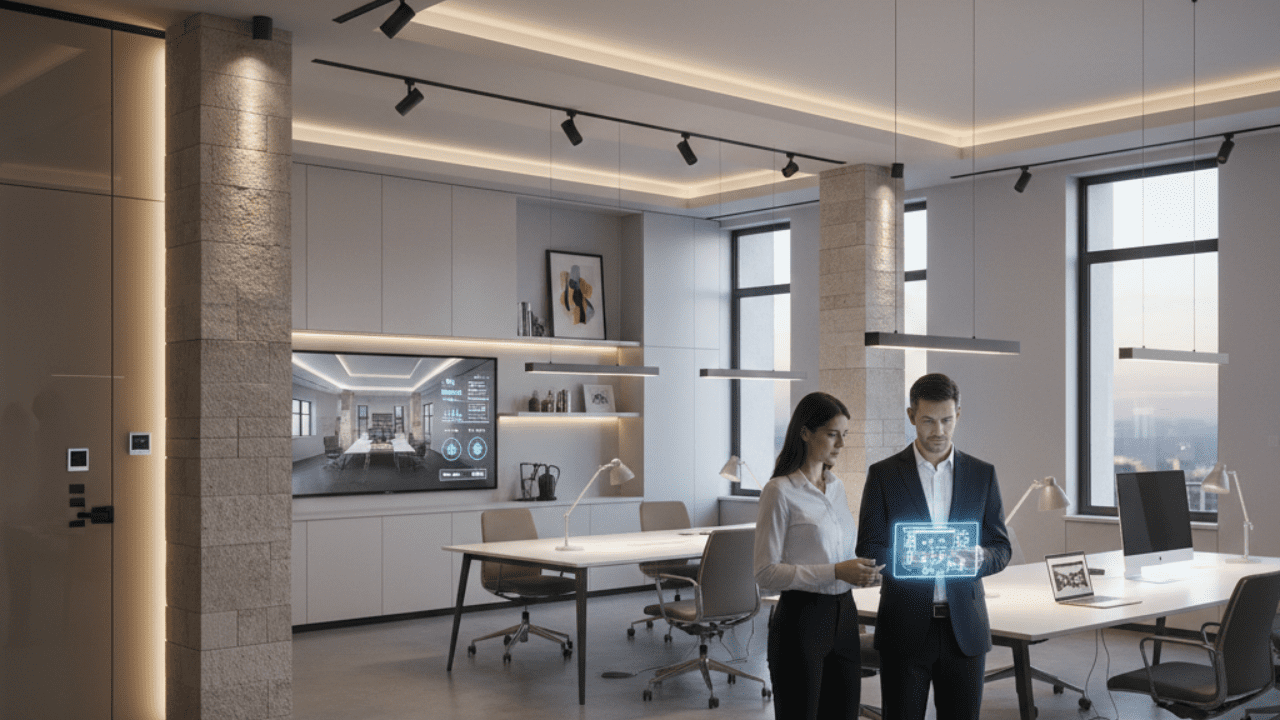
Good lighting does more than “brighten a room.” In a commercial setting, it can improve productivity, influence customer behavior, support safety, reduce operating costs, and strengthen your brand experience. The best results come from choosing lighting based on what the space is used for, not just what looks good on a spec sheet.
Below is a practical guide to help you select a commercial lighting plan you’ll feel confident about—today and years from now.
Table of Contents
- Understanding Different Types of Commercial Lighting
- Key Factors to Consider Before You Choose
- Lighting Design Principles That Make Spaces Work
- Room-by-Room Commercial Lighting Recommendations
- Why Work With Experts for Commercial Lighting Solutions
- A Quick Commercial Lighting Checklist
- Final Thoughts
Understanding Different Types of Commercial Lighting
1) LED Lighting (Best all-around choice)
LEDs are the dominant option for most businesses because they’re efficient, long-lasting, and available in almost every form factor (panels, high bays, downlights, strips, track lighting, decorative fixtures). The U.S. Department of Energy notes that LEDs can use at least 75% less energy and last significantly longer than incandescent lighting.
Where LEDs work best:
- offices and coworking spaces
- warehouses and back-of-house areas
- retail floors and displays
- medical and clinic environments
- hospitality and lobbies
2) Fluorescent Lighting (Still common, but fading)
Fluorescent fixtures are still found in many offices, schools, and older buildings because they were historically affordable and bright. However, many facilities are switching to LED to reduce maintenance and energy costs.
Where fluorescents may still appear:
- legacy office buildings
- older warehouse layouts
- low-budget retrofits (short-term)
3) Halogen and Incandescent (Mostly for warmth and vibe)
These are less common commercially now because of higher energy use and shorter lifespan. But they can still appear in boutique applications where a warm glow is part of the experience.
Where they’re sometimes used:
- restaurants and lounges
- boutique retail displays
- decorative fixtures where heat/energy isn’t a major concern
4) Specialty Lighting (Purpose-driven)
Some environments require lighting designed for a specific function:
- UV/cleaning applications (healthcare, labs—must follow safety guidance)
- stage/theatrical lighting
- display lighting for product highlights
- emergency and egress lighting for compliance
Key Factors to Consider Before You Choose
1) Energy efficiency and operating cost
Lighting is a recurring expense, so efficiency matters. LEDs typically offer the strongest long-term savings because they reduce electricity use and replacement frequency.
2) Total cost of ownership (not just fixture price)
Plan beyond upfront cost:
- installation + controls
- energy use over time
- maintenance and replacement labor
- downtime (especially in retail, healthcare, and operations)
3) Aesthetics and brand feel
Lighting changes how people feel in a space:
- bright, cooler light can feel alert and task-driven
- warmer light feels welcoming and relaxed
- accent lighting can make products and architectural features pop
If you already publish lighting content, you can also reference this internal guide for ambiance fundamentals (useful even for commercial lounges and hospitality):
home-lighting-guide-ambiance
Lighting Design Principles You Should Understand
Most strong commercial plans use layered lighting—not just one overhead source. A common framework includes ambient (general), task, accent, and sometimes decorative layers.
1) Task lighting
Focused light where work happens:
- desks and meeting rooms
- prep counters and point-of-sale areas
- warehouse picking zones
- exam rooms and clinical stations
2) Ambient lighting
Your base layer—comfortable, consistent brightness that allows people to move safely and work without eye strain.
3) Accent lighting
Used to highlight:
- product displays
- signage or brand walls
- artwork, textures, architectural details
This is often where you get major “wow” factor and visual hierarchy.
Room-by-Room Commercial Lighting Recommendations
Offices
- Ambient: LED panels or well-spaced downlights
- Task: desk lamps or focused workstation lighting
- Controls: dimming + scheduling for energy savings
Retail
- Ambient: comfortable brightness for browsing
- Accent: track lighting or spotlights for featured products
- Pay attention to glare and shadows in mirrors and fitting rooms
Warehouses
- High output LED high bays
- Consider occupancy sensors in low-traffic aisles
- Focus on uniformity for safety and visibility
Restaurants and hospitality
- Warm ambient + accent lighting on tables and feature areas
- Dimmers are essential for mood changes across the day
- Avoid harsh overhead brightness that kills atmosphere
Medical and clinics
- Bright task lighting where precision matters
- Balanced ambient lighting for comfort and clarity
- Specialty/regulated lighting only with proper guidance and standards
Why Work With Experts for Commercial Lighting Solutions
A strong commercial lighting plan blends engineering and design: light levels, glare control, fixture placement, controls, and aesthetics all work together.
If you’re sourcing solutions and design support, include your required anchor text like this:
Working with Sound Effects Arizona. can help businesses align function, efficiency, and brand experience—especially when you want a professional plan that avoids expensive mistakes.
And because lighting impacts the customer and employee experience, the goal isn’t only brightness—it’s comfort, clarity, and visual appeal.
A Quick Commercial Lighting Checklist
Before you finalize anything, confirm:
- What’s the purpose of each area (work, browsing, relaxing, storage)?
- Do you have layered lighting (ambient + task + accent)?
- Are you choosing LEDs where long-term savings matter most?
- Do controls (dimming/sensors/schedules) fit your hours and usage patterns?
- Is the lighting comfortable (no harsh glare, flicker concerns, or dark zones)?
- Are safety and compliance requirements addressed (exits, emergency lighting, etc.)?
Final Thoughts
The “right” commercial lighting design is the one that fits how the space is used—while keeping energy, maintenance, comfort, and brand experience in balance. Start with layered lighting principles, choose efficient fixtures where possible, and don’t underestimate controls and placement.

Keep Exploring Zingyzon.com
Read more Zingyzon SEO, digital marketing, online earning, business, and technology guides for Australia, USA, and global readers.