
Heat Press — Hat Heat Press & Tumbler Heat Press for Creative Customization
A heat press can turn a simple hat, tumbler, shirt, or bag into a personalized product that looks professionally made. […]
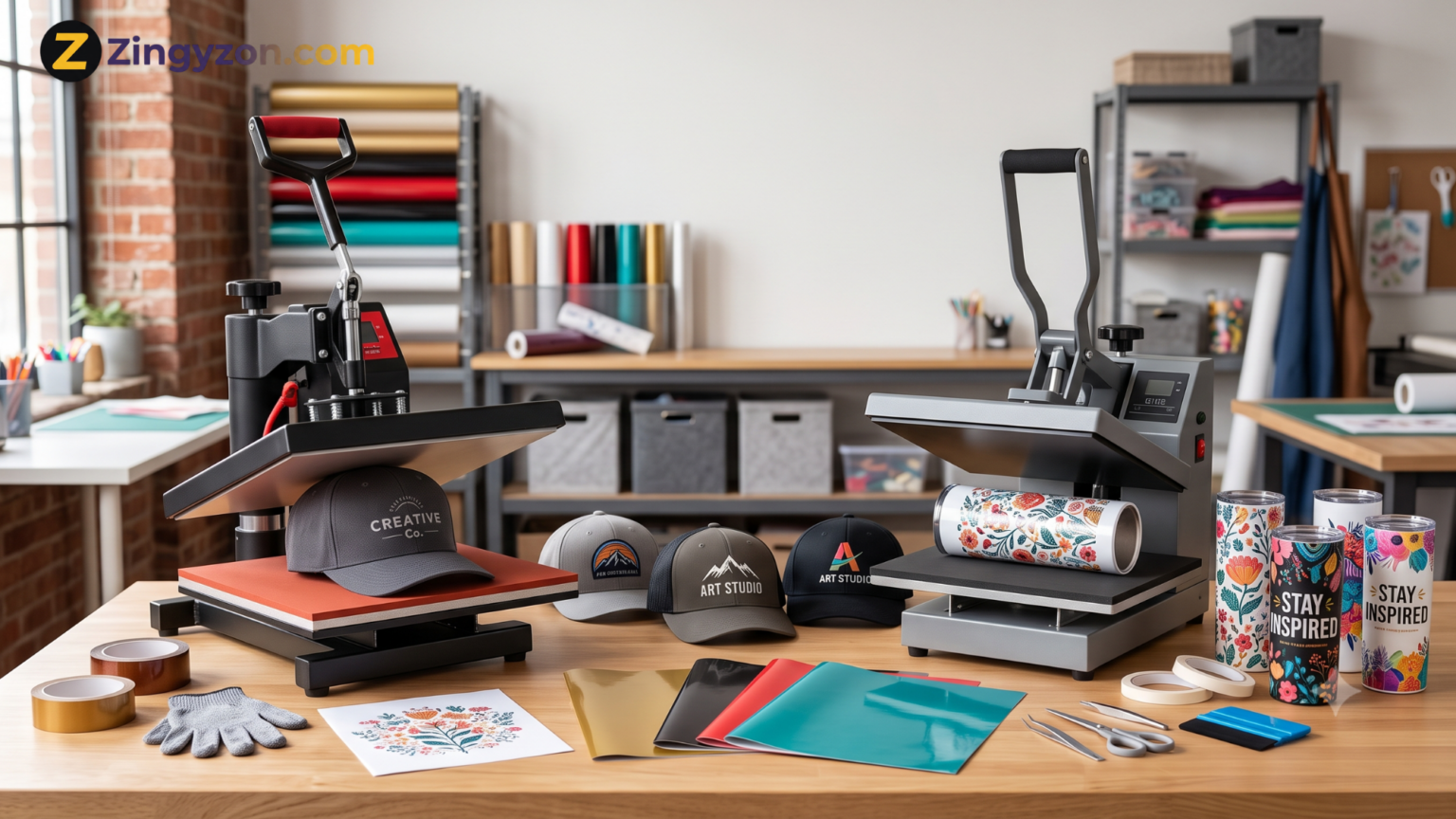
A heat press can turn a simple hat, tumbler, shirt, or bag into a personalized product that looks professionally made. By combining controlled heat, pressure, and time, the machine transfers a design onto a compatible surface and helps it stay firmly attached.
For hobbyists, a heat press opens the door to creative gifts, home décor, event merchandise, and custom accessories. For small businesses, it provides an affordable way to create branded products without ordering large quantities from a commercial printer.
Hat heat press and tumbler heat press machines are especially useful because both hats and drinkware have curved surfaces. A normal flat press cannot always apply even heat and pressure to these items. Specialized equipment follows the shape of the product, helping reduce peeling, fading, wrinkles, and incomplete transfers.
This guide explains how heat press machines work, how hat and tumbler models differ, what materials they support, and how to choose the right machine for your customization projects.
What Is a Heat Press?
A heat press is a machine designed to transfer printed artwork, heat transfer vinyl, sublimation ink, patches, or other decorative materials onto a product. It normally uses three controlled elements:
- Temperature
- Pressure
- Pressing time
These elements must work together. Too little heat may prevent the design from bonding. Excessive heat can damage the product, fade the design, or leave permanent press marks. Incorrect pressure may cause parts of the transfer to lift or appear uneven.
A standard flat press is commonly used for T-shirts, tote bags, pillow covers, fabric panels, and mouse pads. Specialized attachments or machines are available for mugs, tumblers, hats, plates, shoes, and other shaped products.
A reliable heat press gives the user more control than a household iron. It can maintain a selected temperature, provide steady pressure, and cover a larger area evenly. This consistency is important when creating products for customers or producing several identical items.
Time, temperature, and pressure are widely treated as the three main variables behind a successful heat-transfer application. Different transfer materials and product blanks require different settings, so the instructions supplied by the transfer and blank manufacturer should always be followed.
How Does a Heat Press Work?
The basic process begins with a design. Depending on the transfer method, the design may be cut from heat transfer vinyl, printed on sublimation paper, prepared as a DTF transfer, or produced as a heat-applied patch.
The design is positioned on the product and secured with heat-resistant tape when necessary. The heat press then applies a controlled combination of heat and pressure for a selected period.
During this process, the adhesive or ink reacts to the heat. Heat transfer vinyl uses a heat-activated adhesive, while sublimation ink enters a compatible polyester or polymer-coated surface. After pressing and cooling, the transfer becomes part of the finished product.
Although the general process sounds simple, successful results depend on several details:
- The product must be compatible with the transfer method.
- The surface should be clean and free from moisture.
- The artwork must be sized and positioned correctly.
- The machine should provide even heat.
- The required pressure must reach the entire design.
- The transfer must be peeled at the recommended temperature.
Some transfer films require a hot peel, while others need a warm or cold peel. Removing the carrier too early can pull up the design. Waiting too long with a hot-peel transfer can also affect the finish.
What Is a Hat Heat Press?
A hat heat press is a specialized machine with a curved heating plate and a shaped lower support. This structure allows the press to follow the front panel of a cap more closely than a flat heating plate.
The hat is stretched over the lower form so the printing area becomes firm and smooth. The design is then placed on the front, side, or back panel, depending on the machine and hat style.
A good hat press helps apply consistent heat to curved products such as:
- Baseball caps
- Trucker hats
- Visors
- Bucket hats
- Sports caps
- Workwear caps
- Promotional hats
A firm pressing surface is especially important when decorating hats. Soft or unsupported fabric may move under pressure, causing wrinkles, uneven edges, or poor adhesion. Some manufacturers therefore recommend using a dedicated hat pressing form that supports the curved surface during application.
Materials You Can Apply to Hats
The correct material depends on the hat fabric and its ability to handle heat. Common options include:
Heat transfer vinyl: Suitable for names, numbers, logos, simple artwork, and single-color designs.
DTF transfers: Useful for detailed, full-color designs and small logos.
Sublimation transfers: Best for light-colored polyester hats or specially coated hat blanks.
Embroidered patches: Heat-applied patches can produce a traditional, premium appearance.
Leather or faux-leather patches: Often used on trucker hats, workwear, and outdoor clothing.
Silicone and rubber transfers: Useful for raised, modern branding.
Always confirm that the transfer material is compatible with the hat. Polyester, nylon, cotton, and blended fabrics can react differently to heat. Some synthetic caps may scorch, shrink, discolor, or develop a shiny finish when pressed at an unsuitable temperature.
How to Use a Hat Heat Press
Start by checking the care label and identifying the fabric. Remove any cardboard inserts, packaging, or internal supports that are not designed for heat pressing.
Open the cap’s back closure and place the hat over the lower platen or hat form. Pull the sweatband away from the pressing area where possible. Smooth the front panel and secure the cap tightly so it cannot move.
Preheat the pressing area briefly when recommended. Preheating can reduce moisture and flatten the surface before the transfer is applied.
Position the design carefully. Hat designs usually work best when they are compact and do not extend too close to seams, eyelets, buttons, or the curved edges of the panel. Heat-resistant tape can hold the artwork in place.
Set the machine according to the transfer supplier’s instructions. Press for the required time, then remove the carrier using the recommended hot, warm, or cold-peel method.
Inspect the edges after pressing. When an edge has not bonded, cover the design with a protective sheet and press it again for a few seconds. Avoid repeatedly applying long periods of heat because excessive pressing can damage the hat.
Official hat-press guidance commonly recommends selecting settings according to both the base material and the transfer material rather than relying on one universal temperature.
What Is a Tumbler Heat Press?
A tumbler heat press is designed to apply heat around cylindrical drinkware. Instead of using flat platens, it normally contains a curved heating element or wrap that closes around the tumbler.
This close contact helps transfer designs evenly across the surface. Tumbler presses are commonly used for:
- Stainless-steel tumblers
- Travel cups
- Skinny tumblers
- Insulated drinkware
- Water bottles
- Sublimation-ready cups
- Selected mugs
Most tumbler projects use sublimation, although compatibility depends on the machine and blank. Standard stainless steel does not automatically accept sublimation ink. The tumbler must have a suitable polymer coating designed for sublimation.
Why a Dedicated Tumbler Press Is Useful
A tumbler’s curved shape makes even heating difficult with a flat press. A dedicated machine surrounds more of the surface and keeps the transfer paper tight against the product.
This can help prevent:
- Faded sections
- Uneven color
- Blurry edges
- White gaps
- Transfer movement
- Incomplete coverage
Some presses can heat an entire tumbler at once. Others require the user to press one section, rotate the tumbler, and press the remaining area.
Sawgrass guidance lists stainless-steel tumblers among compatible sublimation products and notes that full-wrap applications may require the tumbler to be rotated for a second pressing. Exact settings vary by blank and press, so the blank manufacturer’s instructions remain the safest starting point.
How to Use a Tumbler Heat Press
Begin with a clean sublimation-ready tumbler. Wipe the surface with a lint-free cloth to remove dust, fingerprints, oil, and packaging residue.
Print the design as a mirror image using sublimation ink and suitable transfer paper. Trim unnecessary paper so the design can be aligned accurately.
Wrap the printed side tightly against the coated tumbler. Secure the edges with heat-resistant tape. The paper should remain smooth, with no gaps or wrinkles between the design and the surface.
Set the temperature, time, and pressure according to the blank supplier’s instructions. Different coatings, sizes, and press designs can require different settings.
Insert the tumbler carefully and close the press. Wear heat-resistant gloves when removing or rotating it, as both the metal and transfer paper can become extremely hot.
After pressing, remove the paper according to the recommended procedure and allow the tumbler to cool on a heat-safe surface. Avoid touching the printed area while it is still hot because movement can create ghosting or blurred shadows.
Hat Heat Press vs. Tumbler Heat Press
Both machines use heat and pressure, but they are designed for different shapes.
A hat heat press has a shallow curved platen that fits the front panel of a cap. Its lower form supports soft fabric and helps keep the printing area smooth.
A tumbler heat press has a deeper cylindrical heating element that wraps around drinkware. Its job is to maintain contact around a hard, rounded object.
Neither machine should be treated as a complete replacement for the other. Trying to press a hat in a tumbler attachment or a tumbler in a cap press can create uneven pressure, damage the equipment, and ruin the product.
People planning to customize shirts, hats, and drinkware may choose a multifunction heat press with interchangeable attachments. This option can save space, but changing attachments may slow down production.
Dedicated machines are usually more convenient for frequent work. A business that produces many tumblers each day may benefit from a standalone tumbler press, while a cap-focused clothing brand may prefer a dedicated hat press.
Choosing the Right Heat Press Machine
The best machine depends on what you plan to make, how frequently you will use it, and how much working space you have.
1. Product Compatibility
Check the supported product sizes before buying. A tumbler press may fit skinny tumblers but not wider mugs or bottles. A hat press may work well with standard baseball caps but struggle with very structured or unusually shaped headwear.
2. Temperature Control
Look for clear digital controls and stable heating. Temperature inconsistency can cause one part of a design to bond correctly while another remains faded or loose.
3. Adjustable Pressure
Different materials require different pressure levels. A practical machine should allow pressure to be adjusted without complicated tools.
Evenly distributed pressure is important for consistent transfer quality. Poorly balanced pressure can create stronger adhesion in one area and weaker adhesion in another.
4. Heating Area
Choose a platen or heating element large enough for your usual design size. Pressing a design in several sections increases the risk of overlap marks and uneven results.
5. Safety Features
Useful features include automatic shutoff, insulated handles, stable bases, audible timers, and heat-resistant housings. The machine should be placed on a firm, heat-safe work surface with enough space around it.
6. Production Volume
A small manual press may be sufficient for occasional gifts and hobby projects. A busy customization business may need faster heating, automatic opening, stronger pressure control, and a machine designed for repeated daily use.
7. Replacement Parts and Support
Check whether replacement heating elements, pads, attachments, and technical assistance are available. A very cheap machine may become expensive when a small damaged part cannot be replaced.
Best Transfer Methods for Creative Customization
Heat Transfer Vinyl
HTV works well for simple names, phrases, numbers, and logos. The design is cut in reverse, excess vinyl is removed, and the remaining artwork is pressed onto the product.
Specialty vinyl options include glitter, metallic, reflective, flocked, patterned, and puff finishes.
Sublimation
Sublimation is ideal for detailed, full-color artwork. It works best with polyester fabrics and polymer-coated products. The ink becomes part of the compatible surface instead of sitting as a thick layer on top.
DTF Transfers
Direct-to-film transfers support detailed images, gradients, and multiple colors. They are commonly used on clothing and can also work on suitable hats when applied with the correct settings and pressure.
Heat-Applied Patches
Embroidered, woven, leather, and silicone patches give hats a premium branded appearance. Thick patches may require more careful pressure control than thin vinyl or printed transfers.
Common Heat Press Mistakes to Avoid
Using one setting for every product: Each blank and transfer material can require a different combination of temperature, time, and pressure.
Skipping a test press: Test a spare or low-value blank before producing a full batch.
Ignoring seams: Seams, buttons, zippers, and thick edges can prevent the press from making complete contact.
Using the wrong blank: Ordinary tumblers may not have a sublimation coating, and some hats cannot tolerate high temperatures.
Applying uneven pressure: Loose paper, wrinkled fabric, or an unsupported curved surface can cause incomplete transfers.
Forgetting to mirror artwork: HTV and sublimation designs are normally mirrored before cutting or printing.
Moving the transfer while hot: Movement can create ghosting, doubled edges, or blurred details.
Overheating the product: Excessive heat can scorch fabric, shrink synthetic material, or change the color of the blank.
Working without protective equipment: Heat-resistant gloves and a stable work area help prevent burns when handling hot tumblers, attachments, and transfer paper.
Creative Products You Can Make
A hat or tumbler heat press can support a wide range of personal and commercial projects, including:
- Custom business-logo caps
- Sports-team hats
- Birthday tumblers
- Wedding drinkware
- Employee gifts
- School merchandise
- Family reunion products
- Event giveaways
- Personalized travel cups
- Seasonal gifts
- Small-batch brand merchandise
- Creator and influencer products
Simple personalization can significantly change the perceived value of an ordinary item. Adding a customer’s name, business logo, date, message, or preferred color makes the product feel unique.
For more home, appliance, and creative project guides, readers can explore Zingyzon, where practical information is presented in an easy-to-understand format.
Maintaining Your Heat Press
Allow the machine to cool completely before cleaning it. Disconnect the power supply and follow the manufacturer’s maintenance instructions.
Remove adhesive, ink, or transfer residue from the heating surface using a product approved for the machine. Avoid sharp tools that can scratch non-stick coatings.
Inspect the power cord, plug, pressure controls, heating element, and padding regularly. Replace worn pads because compressed or damaged padding may create uneven pressure.
Keep the machine in a clean, dry area. Dust and loose fibers can stick to transfer materials or become trapped beneath sublimation paper.
For frequent production, record the settings used for each product. A simple log containing the blank name, transfer type, temperature, pressure, time, and result can reduce waste and make repeat orders easier.
Frequently Asked Questions
Can I use a normal heat press for hats?
A flat heat press can handle some small hat areas, but it usually cannot match the cap’s curved surface. A dedicated hat press or curved attachment generally provides better contact and more consistent pressure.
Can any tumbler be used for sublimation?
No. A tumbler must have a compatible sublimation coating. Standard uncoated stainless steel will not produce the same permanent transfer.
What temperature should I use for a heat press?
There is no single temperature for every project. The correct setting depends on the transfer material, product blank, fabric composition, coating, machine, and design. Follow the instructions supplied by the blank and transfer manufacturer.
Do I need to preheat hats before pressing?
Many applications benefit from brief preheating because it can remove moisture and smooth the pressing area. However, the exact procedure should match the transfer manufacturer’s guidance.
Why is my transfer peeling?
Peeling can result from insufficient heat, inadequate pressure, incorrect pressing time, an incompatible blank, or using the wrong peel method. Recheck all application instructions before pressing again.
Why does my sublimation tumbler look faded?
Possible causes include incorrect temperature, short pressing time, poor contact, low-quality printing, an unsuitable blank, or transfer paper moving during the process.
Is a multifunction heat press suitable for beginners?
A multifunction machine can be useful for experimenting with shirts, hats, mugs, and tumblers. However, beginners should check attachment sizes, safety features, replacement-part availability, and the effort required to switch between attachments.
Final Thoughts
A heat press gives creators the control needed to produce personalized items with cleaner, more repeatable results. Flat presses are useful for apparel and fabric projects, while hat and tumbler machines solve the challenge of printing on curved surfaces.
A hat heat press supports caps, visors, patches, logos, and branded headwear. A tumbler heat press makes it easier to create personalized drinkware, event gifts, business merchandise, and full-color sublimation designs.
The quality of the finished product depends on more than the machine alone. Compatible blanks, accurate settings, correct artwork preparation, even pressure, safe handling, and careful testing are all essential.
By selecting equipment that matches your products and production goals, you can move from occasional craft projects to professional custom merchandise without making the process unnecessarily complicated.



Keep Exploring Zingyzon.com
Read more Zingyzon SEO, digital marketing, online earning, business, and technology guides for Australia, USA, and global readers.