
An Introductory Guide to Home Lighting – Creating the Right Ambiance (2026)
Light can completely change how a space feels. The right lighting plan doesn’t just help you see better—it shapes mood, […]
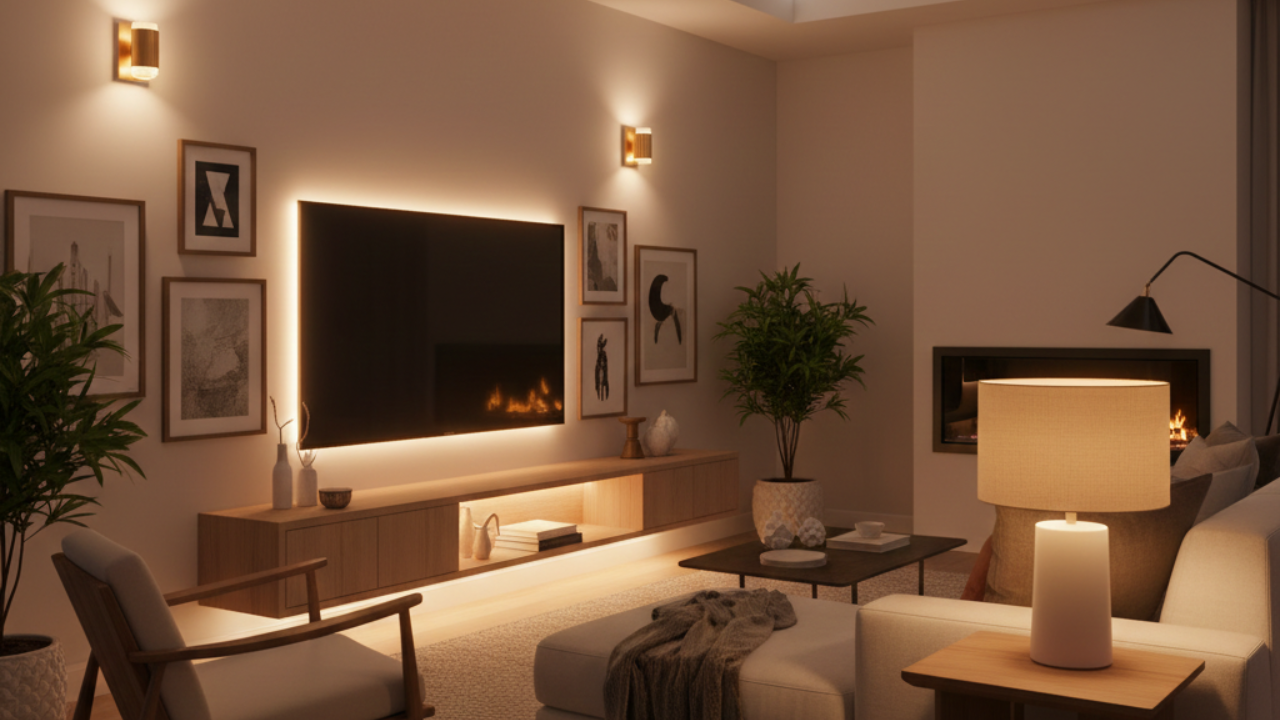
Light can completely change how a space feels. The right lighting plan doesn’t just help you see better—it shapes mood, comfort, and the overall “vibe” of your home. Whether you’re designing from scratch or upgrading a few fixtures, this guide will help you build a lighting setup that feels warm, functional, and intentional.
Table of Contents
- Breaking the Code of Light
- Selecting the Ideal Fixtures for Each Room
- Smarter Lighting and Energy Savings in 2026
- Better Home with Measured Lighting
1) Breaking the Code of Light
Great lighting is usually layered—meaning you combine different types of light so the room feels balanced, not harsh.
Ambient lighting (the base layer)
Ambient lighting is the general, overall light in a room—often from ceiling fixtures, recessed lighting, or a central pendant/chandelier. It’s meant to provide comfortable visibility and safe movement through the space.
Task lighting (the functional layer)
Task lighting supports specific activities like cooking, reading, shaving, applying makeup, or working. Think:
- pendant lights over counters
- under-cabinet lights
- desk lamps
- vanity lighting near mirrors
Accent lighting (the mood + style layer)
Accent lighting adds depth and personality. It highlights art, decor, shelving, architectural features, and textures. Popular options include picture lights, LED strips, and wall lighting—especially textured glass styles like ribbed wall lights that soften and scatter light in a really inviting way.
2) Selecting the Ideal Fixtures for Each Room
Choosing fixtures isn’t just about looks—it’s about matching the lighting to how each space is used.
Living room
Goal: comfort + flexibility
Best mix:
- ambient ceiling light for coverage
- floor/table lamps for softness
- accent lights for art, shelves, or corners
Pro move: Add dimmers so you can shift from bright social lighting to cozy movie lighting instantly.
Kitchen
Goal: visibility + safety + clean aesthetics
Must-haves:
- strong task lighting (under-cabinet LEDs or pendants over prep zones)
- even ambient lighting to avoid shadows
If you’re already improving your kitchen layout or finishes, lighting upgrades pair perfectly with renovation planning—this is often where small changes create the biggest “new kitchen” feel.
Bedroom
Goal: calm + wind-down lighting
Best mix:
- warm ambient lighting (avoid overly cool bulbs)
- bedside lamps or wall sconces for reading
- dimming options for evening comfort
Bathroom
Goal: bright, even lighting for grooming
Best practices:
- place lighting at face level near mirrors (or use a well-designed vanity bar)
- avoid a single harsh overhead light that casts shadows
3) Smarter Lighting and Energy Savings in 2026
Modern lighting upgrades can improve comfort and reduce energy use.
Switch to LEDs for easy savings
Residential LED bulbs—especially ENERGY STAR-rated—use at least 75% less energy and can last up to 25 times longer than incandescent bulbs.
That’s a simple upgrade that lowers bills and reduces your carbon footprint over time.
Use smart controls where they actually help
Smart lighting can be useful when it makes daily life easier, like:
- schedules (porch, hallway, bedtime routines)
- motion sensors in closets/pantries
- dimming scenes (“Dinner,” “Work,” “Relax”)
- adjusting color temperature if you want warmer evenings
Maximize daylight first
Before adding more fixtures, take advantage of natural light:
- use sheer window treatments where possible
- place mirrors to bounce daylight deeper into the room
- avoid heavy visual clutter near windows
4) Better Home with Measured Lighting
Lighting is practical—but it’s also an art. When you layer ambient, task, and accent light, choose fixtures room-by-room, and switch to efficient LEDs, you build a home that feels more comfortable and looks more polished.
Start small: add one task light where you need it most, then add a dimmer, then bring in accent lighting. Over time, the whole feel of your house improves—without needing a full redesign.



Keep Exploring Zingyzon.com
Read more Zingyzon SEO, digital marketing, online earning, business, and technology guides for Australia, USA, and global readers.