
How EMF Protection Can Safeguard Your Health (2026)
Electromagnetic fields (EMFs) are part of modern life—created by electricity, wireless networks, and devices we use every day. It’s normal […]
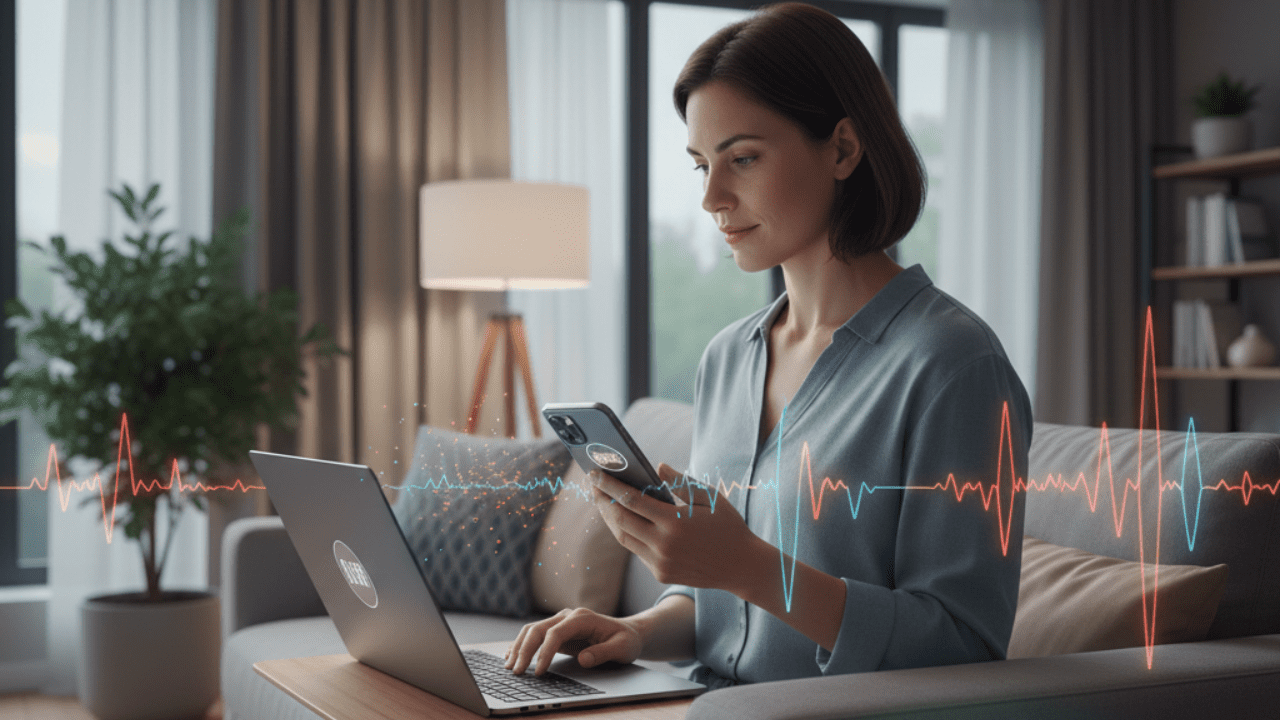
Electromagnetic fields (EMFs) are part of modern life—created by electricity, wireless networks, and devices we use every day. It’s normal to wonder what that exposure means for your health, especially with so much mixed information online.
Here’s the balanced reality in 2026: major health agencies say current evidence has not shown consistent or credible proof that typical cellphone RF exposure causes health problems, but research continues, and many people still choose a precautionary approach—especially for sleep, stress reduction, and overall peace of mind.
This guide explains EMFs, what the evidence says, and practical steps you can take without fear-based thinking.
Table of Contents
- What Are EMFs and Where Do They Come From?
- What Does Research Say About Health Risks?
- What Is EMF Protection and Why Does It Matter?
- EMF Protection Methods That Actually Reduce Exposure
- Practical Tips to Reduce EMF Exposure Every Day
- Common Myths About EMFs
- The Future of EMF Research and Protection
- Final Thoughts
What Are EMFs and Where Do They Come From?
EMFs are areas of energy around electrical and wireless systems. They’re commonly grouped into:
1) Low-frequency EMFs (ELF)
These come from power lines, household wiring, and many appliances (especially when they’re running).
2) Radiofrequency EMFs (RF)
These come from wireless technologies such as cell phones, Wi-Fi routers, Bluetooth devices, and cell towers. RF from phones is non-ionizing, meaning it doesn’t have enough energy to break chemical bonds the way X-rays do.
What Does Research Say About Health Risks?
This is where it’s important to stay grounded:
- The FDA says available scientific evidence does not show consistent or credible evidence of health problems caused by RF energy from cell phones.
- The National Cancer Institute (NCI) summarizes that studies have not shown a clear link between cellphone use and cancer risk, and it discusses why findings can be inconsistent.
- The IARC previously classified RF electromagnetic fields as “possibly carcinogenic” (Group 2B), which means there is limited evidence and uncertainty—not proof of harm.
- The WHO continues to evaluate evidence and is conducting/commissioning systematic reviews to inform updated health risk assessments.
So the most accurate takeaway is: no proven harm at everyday exposure levels has been established, but research and evaluation are ongoing, and precaution is a personal choice.
What Is EMF Protection and Why Does It Matter?
EMF protection, in practical terms, means reducing exposure where it’s easy and reasonable—especially in places where you spend a lot of time (like your bedroom or workspace). For many people, the goal isn’t fear. It’s control: fewer always-on signals, better sleep hygiene, and less device dependency.
If you’re taking a precautionary approach toward EMF, the best strategies are the simplest ones—because they’re measurable and don’t rely on gimmicks.
EMF Protection Methods That Actually Reduce Exposure
1) Distance (most effective for personal devices)
RF exposure drops significantly with distance. Using speakerphone, wired earbuds, or simply holding your phone away from your head reduces exposure.
2) Device settings and habits
Small settings changes can make a real difference:
- airplane mode when you don’t need connectivity
- turn off Wi-Fi/Bluetooth when not in use
- disable background syncing overnight (when possible)
3) Physical barriers (use with realistic expectations)
Some shielding products exist (cases, fabrics, covers). If you use them, focus on reputable brands with transparent testing—and remember: some phone cases can cause phones to increase power output if signal is blocked, depending on design and usage.
4) Home network choices
Wired internet connections (Ethernet) reduce reliance on constant Wi-Fi, especially for desktops, smart TVs, and gaming setups.
Practical Tips for Reducing EMF Exposure Every Day
- Don’t sleep with your phone next to your pillow. Keep it across the room or in another room.
- Use speakerphone or wired earbuds for long calls.
- Avoid carrying your phone against your body all day (pocket/bra). Use a bag when you can.
- Turn off Wi-Fi at night if it doesn’t disrupt your household (or use a timer).
- Place your router strategically (not in bedrooms; keep it in a central, less-used area).
- Prefer wired devices for workstations where practical (Ethernet + wired keyboard/mouse).
- Take screen breaks, especially before bedtime—this often helps sleep even beyond EMF concerns.
For cancer-focused concerns specifically, NCI also lists practical ways users can reduce RF exposure from phones.
Debunking Common Myths About EMFs
Myth: “Only high-frequency EMFs matter.”
Reality: Different EMFs behave differently, and the evidence base differs by type. It’s not accurate to generalize risk across all EMFs.
Myth: “EMFs are only from phones.”
Reality: Phones, routers, Bluetooth devices, and even household wiring can contribute to exposure.
Myth: “You can’t reduce exposure at all.”
Reality: Distance, time, and connectivity choices (airplane mode, wired connections) can reduce exposure in very practical ways.
The Future of EMF Protection and Technology
Research is still evolving. WHO’s ongoing systematic reviews are part of a larger push to keep guidelines aligned with the strongest available evidence, especially as wireless tech continues to expand.
At the consumer level, the biggest “future” shift is likely to be smarter devices and networks that balance performance with efficient power use—plus more transparency around testing and exposure metrics.
Final Thoughts
You don’t need to panic about EMFs to make smart choices. If you want to reduce exposure, focus on changes that are simple, low-cost, and sustainable: increase distance, reduce unnecessary connectivity, and protect your sleep environment.



Keep Exploring Zingyzon.com
Read more Zingyzon SEO, digital marketing, online earning, business, and technology guides for Australia, USA, and global readers.