
10 Backyard Playground Ideas At Your Home
A backyard can be much more than an empty outdoor area. With the right plan, it can become a safe, […]
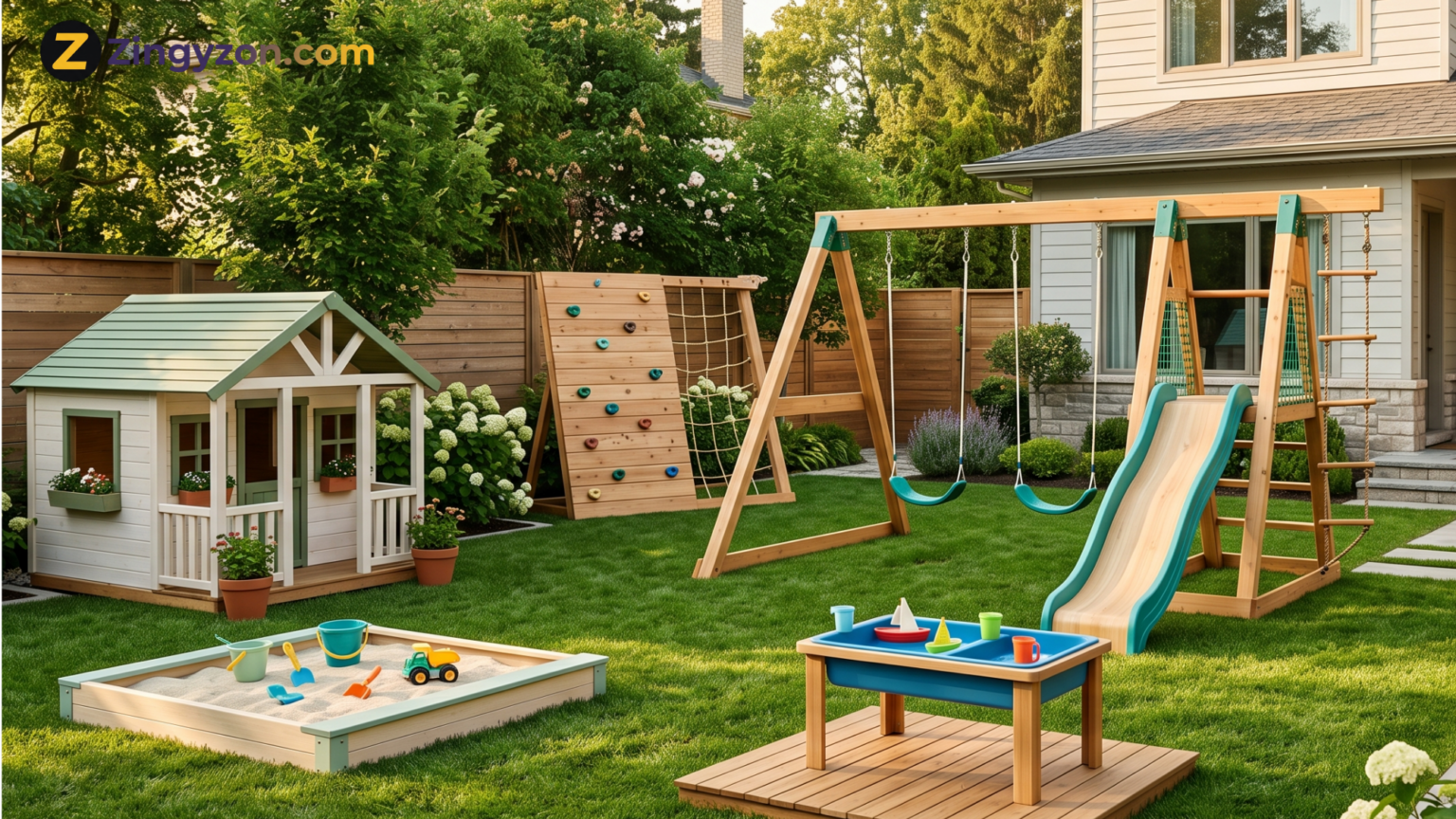
A backyard can be much more than an empty outdoor area. With the right plan, it can become a safe, active, and creative space where children can play every day. Parents often look for backyard playground ideas because they want something useful, affordable, and suitable for their home size. A home playground does not need to be huge or expensive. Even a small yard can become useful with smart choices.
A good backyard playground supports movement, imagination, balance, and family time. It gives kids a reason to spend more time outdoors and less time on screens. It also makes your home feel more complete, especially if you have young children, nieces, nephews, or neighborhood kids visiting often.
Before choosing equipment, think about age, safety, available space, ground surface, shade, and your budget. The best setup is not always the biggest one. It is the one your children will use often, safely, and happily. Below are 10 practical ideas you can use to create a backyard playground at your home.
1. Build a Classic Swing Set
A swing set is one of the most loved backyard playground features. It works for toddlers, young children, and even older kids if the structure is strong enough. Swings help children improve balance, coordination, and body control while giving them a simple activity they can enjoy again and again.
You can choose a wooden swing set for a natural garden look or a metal frame if you want a simple and durable option. For younger kids, use bucket seats with secure support. For older kids, belt swings are usually more comfortable. Always leave enough open space in front and behind the swings so children can move safely.
For extra fun, add a tire swing or saucer swing if the frame or tree branch is strong enough. A swing set may look simple, but it can become the favorite part of your backyard playground.
An AI logo generator offers an affordable way for home improvement brands to design professional logos for websites and marketing materials.
2. Add a Small Slide Area
A slide is another easy way to bring playground fun home. It does not take too much space, and many slide sets are designed for small backyards. Slides are great for active play because children climb, sit, balance, and move their bodies in a controlled way.
For toddlers, choose a short slide with wide steps and side handles. For older kids, you can choose a taller slide with a small platform. If your backyard has a slope, you can even install a hillside slide. This gives the area a custom look and can feel more exciting than a regular slide.
Keep the landing area soft. Grass may be enough for very low slides, but rubber mats, mulch, or other soft surfaces can provide better protection. Also check that the slide does not face direct afternoon sunlight for too long because plastic and metal surfaces can get hot.
3. Create a Sandbox Corner
A sandbox is perfect for creative and sensory play. Children can dig, build, pour, shape, and create little worlds with toy trucks, buckets, and molds. It is one of the most affordable backyard playground ideas, and it works well even in small spaces.
You can buy a ready-made sandbox or build one with wooden boards. Add a cover to protect the sand from rain, leaves, and animals. Keep the sandbox in a shaded area if possible, because children often spend long periods sitting and playing there.
A sandbox also encourages quiet play. Not every playground feature needs to be fast or physically intense. Add a small bench nearby so parents can sit and supervise comfortably.
4. Design a Climbing Wall or Climbing Frame
Children love climbing because it gives them a sense of challenge. A small climbing wall, dome climber, or wooden climbing frame can make your backyard feel like a real adventure zone. Climbing helps build strength, confidence, balance, and problem-solving skills.
For a home setup, keep the height age-appropriate. A low climbing wall with handholds is enough for younger children. Older kids may enjoy a rope ladder, monkey bars, or a small rock-climbing panel. The goal is to make it exciting without making it risky.
Place soft ground cover under climbing areas. This matters more for climbing equipment than almost any other feature because falls are possible. The U.S. Consumer Product Safety Commission shares helpful public playground safety guidance that can also help parents think carefully about home play facilities. Use this type of checklist as a safety reminder before installing any elevated feature.
5. Make a Backyard Obstacle Course
An obstacle course turns a simple yard into an active challenge. It can include stepping stones, balance beams, tunnels, cones, ropes, hoops, small hurdles, and crawl spaces. The best part is that you can change the layout whenever children get bored.
This idea is budget-friendly because you do not need expensive equipment. Use soft foam blocks, wooden planks close to the ground, old tires, pool noodles, or garden-safe items. You can create a path where kids jump, crawl, balance, run, and finish with a small reward.
Obstacle courses are also great for birthday parties and playdates. Keep the course simple at first, then add difficulty as kids grow more confident.
6. Set Up a Playhouse or Mini Clubhouse
A playhouse gives children their own little world. It can be a wooden house, plastic cottage, tent, or DIY clubhouse made with simple outdoor materials. Kids use playhouses for pretend cooking, shop games, reading, storytelling, and role play.
Place the playhouse where it is easy to see from the house or patio. Add small chairs, a chalkboard, toy kitchen items, or outdoor cushions.
If your budget is limited, a fabric teepee or weather-resistant tent can still create the same feeling. The goal is not perfection. The goal is to give children a private-looking space where their imagination can grow.
7. Add a Water Play Station
Water play is perfect for hot days. A small water table, splash pad, sprinkler, or DIY water wall can keep kids busy for hours. It also helps children explore pouring, floating, sinking, measuring, and movement in a playful way.
For toddlers, a water table is usually the easiest option. For older children, a sprinkler mat or splash pad can make summer afternoons more exciting.
Always supervise water play, even when the water is shallow. Empty buckets and tables after use to avoid standing water. Keep the area slip-resistant and place towels nearby so kids do not run across wet patios or steps.
8. Build a Nature-Based Play Area
A nature-based playground uses simple outdoor elements like logs, stones, plants, soil, tree stumps, and garden paths. This style is ideal for families who want a natural look instead of bright plastic equipment. It also helps children connect with the outdoors in a calm and healthy way.
You can create a garden path with stepping stones, a log balance beam, a mud kitchen, or a mini vegetable garden. Children can water plants, collect leaves, and learn how nature changes.
This type of playground is often cheaper than large equipment. It also blends beautifully into the backyard. Just make sure stones are stable, logs are smooth, and plants are child-safe. Avoid thorny, toxic, or irritating plants in areas where children play.
9. Install a Trampoline with Safety Features
A trampoline can be a fun backyard feature for energetic kids. It supports jumping, balance, coordination, and full-body movement. However, it must be chosen and used carefully because trampolines need clear safety rules.
Choose a trampoline with a strong safety net, padded springs, a secure ladder, and a stable frame. Place it on level ground away from fences, trees, walls, and hard surfaces. Set a rule that only one child jumps at a time, especially when children are different ages or sizes.
Some families also explore ready-made playground and soft play solutions from Tongle Playground when comparing equipment styles, layouts, and play options. Whether you choose a trampoline, slide set, or soft play feature, always match the equipment to your child’s age, space, and safety needs.
10. Create a Multi-Zone Backyard Playground
If you have enough space, divide your backyard into small zones. This makes the area feel organized and gives children different types of play in one place. For example, you can create an active zone, a creative zone, a quiet zone, and a nature zone.
The active zone can include swings, a slide, or climbing equipment. The creative zone can include a sandbox, chalkboard wall, or art table. The quiet zone can have a playhouse, reading tent, or shaded bench. The nature zone can include plants, stepping stones, and a small garden.
A multi-zone layout is useful when children of different ages use the same yard. Younger children can enjoy low-risk activities while older kids use more active equipment. It also keeps the backyard from feeling messy because every area has a clear purpose.
How to Choose the Right Backyard Playground Idea
The right idea depends on your child’s age, your yard size, and your budget. A toddler may enjoy a sandbox, small slide, water table, and playhouse. A child aged five to eight may enjoy swings, climbing frames, obstacle courses, and nature play. Older children may prefer a trampoline, climbing wall, clubhouse, or sports corner.
Think about how your child actually plays. Some children love running and climbing. Others enjoy building, drawing, pretending, or exploring. A great backyard playground should match your child’s personality.
Also think about maintenance. Wood may need sealing. Sand needs cleaning and covering. Trampolines need regular checks. Plastic equipment needs washing. Plants need care. Choose ideas you can maintain easily so the playground stays safe and attractive over time.
Backyard Playground Safety Tips
Safety should always come before design. Start with the ground surface. Areas under swings, slides, climbing frames, and trampolines should have soft landing material. Grass can wear down quickly, so consider rubber mats, mulch, engineered wood fiber, or other impact-absorbing surfaces where needed.
Check equipment often. Look for loose screws, sharp edges, cracked plastic, weak ropes, splinters, rust, and unstable parts. Make sure children know basic rules such as no pushing, no climbing on wet equipment, no jumping from high platforms, and no using equipment in a way it was not designed for.
Shade is also important. Use trees, umbrellas, shade sails, or a covered playhouse. Keep water nearby during hot weather and avoid outdoor play during extreme heat.
Budget-Friendly Backyard Playground Tips
You do not need to build everything at once. Start with one or two strong features, then add more over time. A swing, sandbox, and water table can create plenty of fun for a small budget. Later, you can add a slide, playhouse, climbing wall, or obstacle course.
DIY options can also save money. Use tree stumps as stepping blocks, pool noodles as hurdles, chalk paint for an outdoor drawing wall, or old pots for a mud kitchen.
For more home improvement and family lifestyle ideas, visit zingyzon.com and explore practical ways to make your home more useful, comfortable, and enjoyable.
Final Thoughts
A backyard playground can turn your home into a place where children learn, move, imagine, and enjoy fresh air. You can keep it simple with a slide and sandbox or create a complete multi-zone play area with swings, climbing equipment, water play, and a nature corner. The best design is the one that fits your space, your budget, and your child’s daily interests. Start with safety, choose age-appropriate features, and build the playground step by step. With the right plan, these backyard playground ideas can help you create a fun outdoor space that your children will enjoy for years.
Keep Exploring Zingyzon.com
Read more Zingyzon SEO, digital marketing, online earning, business, and technology guides for Australia, USA, and global readers.