
Beyond Pinterest: Turning Landscape Ideas Into Buildable Design
By a landscape design industry contributor. You have a folder of images showing the perfect outdoor space. There’s a sleek […]
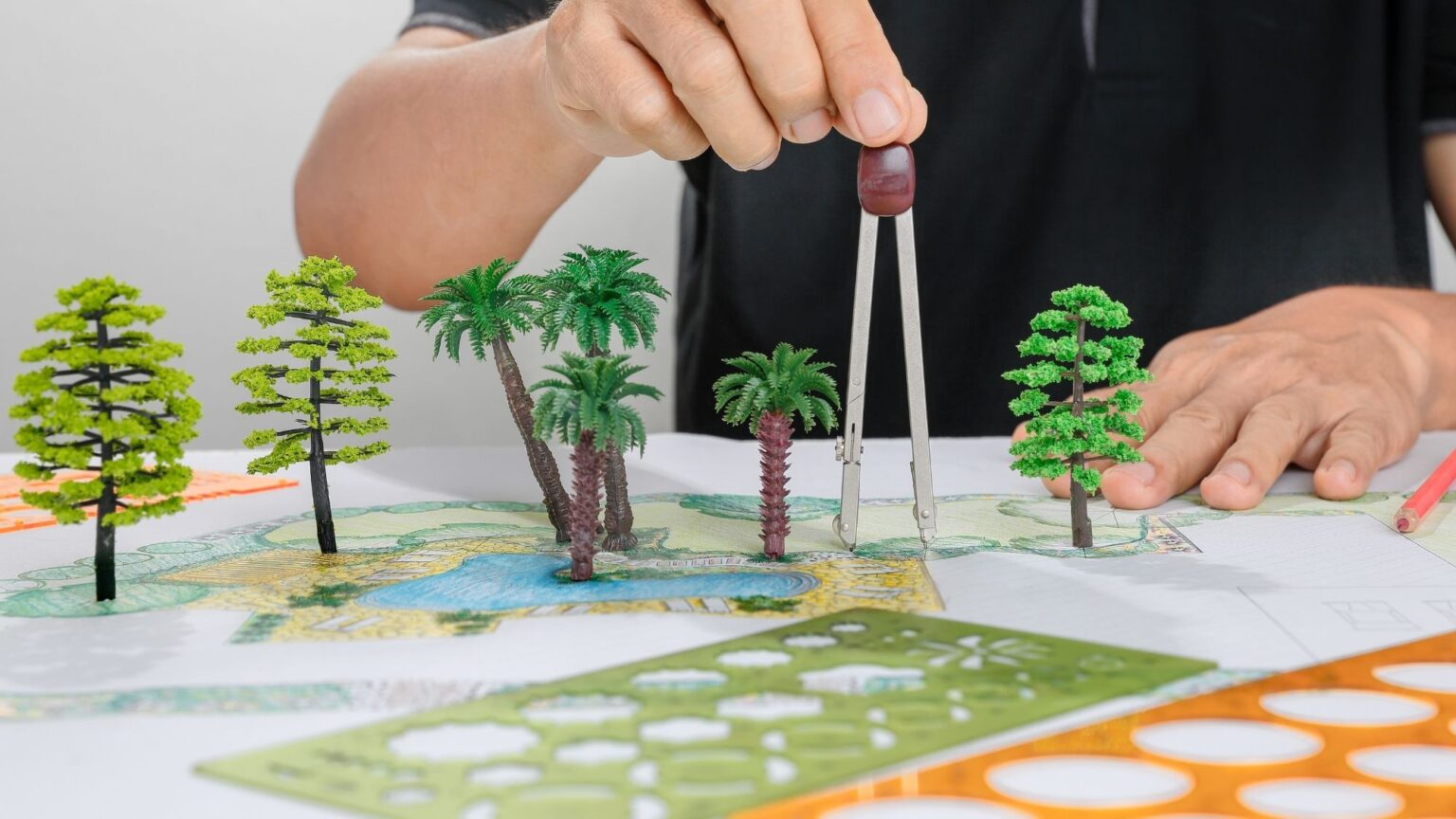
By a landscape design industry contributor.
You have a folder of images showing the perfect outdoor space. There’s a sleek patio, a modern fire feature, and plants that look lush and effortless. But a collection of ideas is not a plan. The most expensive mistake in any landscape project is starting construction without a professional design that bridges that gap, one that solves for drainage, soil composition, and the intense sun and temperature swings of the Front Range climate.
Without a detailed blueprint, your project can face budget overruns, construction delays, and a finished product that doesn’t function as beautifully as it looks. The real value of a design process is risk mitigation. It translates your vision into a set of instructions that a build team can execute precisely. Understanding the importance of thorough planning and transparent project data is crucial, as highlighted by resources like Colorado Information Marketplace. To see how a conceptual vision becomes a finished project, it helps to review portfolios of professional landscape design denver near me to understand the scope and detail involved in high-quality work. A proper plan is the foundation for an outdoor space that lasts.
Quick answer: A professional landscape design is a comprehensive plan that turns your aesthetic vision into a buildable reality. It accounts for site-specific challenges like grading and sun exposure, specifies materials, and provides a clear roadmap for construction, preventing costly on-the-fly decisions and ensuring a cohesive, functional, and lasting result.
What’s inside
· Key Questions to Ask Any Design Firm
· How Does Denver’s Climate Impact Landscape Design Choices?
· Frequently Asked Questions
· Beyond the Pretty Picture: The Real Value of Design
Key Questions to Ask Any Design Firm
The best questions go beyond price to probe a firm’s process, problem-solving abilities, and how they ensure a design is truly buildable. Vetting a potential partner is about understanding their methodology. A thoughtful design process uncovers potential issues before a shovel ever hits the ground, saving you from costly surprises during construction. Similarly, understanding complex processes is vital in other fields, such as urban water dynamics, a topic researched by the University of Colorado Boulder.
Before you commit, consider asking these five questions to gauge a firm’s expertise and approach.
1. How do you analyze my property’s specific challenges? A beautiful drawing is not enough. Ask how they will address site-specific issues like poor drainage, expansive clay soil, steep grading, or intense sun exposure. A professional response should involve a site analysis, soil testing, and a clear plan for water management, not just a discussion of plants and patios.
2. What is your process for managing the budget and change orders? Get clarity on how the budget is developed and tracked. Ask for a sample change order document. You want to see a formal process for documenting any client-requested changes or unforeseen site conditions, including the impact on cost and timeline. This transparency is crucial for keeping the project on track.
3. How does your firm approach long-term plant health and establishment? A project isn’t successful if the plants are struggling a year later. Ask about their plan for soil amendment, irrigation system design, and plant selection based on your property’s microclimate. Do they provide a detailed care plan for the first one to two years as the landscape matures? This demonstrates a commitment to the living elements of the design.
❝ A significant red flag is any firm that provides a detailed quote without first performing a thorough site visit and analysis. A fixed price offered over the phone or based on a simple sketch often overlooks the critical details that drive the real cost and complexity of a project.
4. What professional standards guide your work? Reputable firms align themselves with industry best practices. Ask about their affiliations and certifications. For instance, many top Colorado firms adhere to principles of water conservation and sustainability, such as those promoted by the Associated Landscape Contractors of Colorado (ALCC). This signals a commitment to quality and responsible practices tailored to the local environment.
5. Which project delivery method do you use? Understanding the firm’s structure is key. Most projects follow one of two models: “Design-Bid-Build,” where you hire a designer and a contractor separately, or “Design-Build,” where one firm handles the entire process. Each has implications for communication, budget, and timeline.
| Feature | Design-Bid-Build | Design-Build |
| Point of Contact | Multiple (designer, contractor) | Single firm for the entire project |
| Budgeting | Design is completed, then bid out | Budget is integrated into the design phase |
| Timeline | Often longer due to separate phases | Typically more streamlined and faster |
| Collaboration | Designer and builder are separate entities | An integrated team works together from the start |
Choosing the right model depends on your comfort level with managing multiple vendors versus having a single point of responsibility. A design-build approach often streamlines communication and can provide more cost certainty earlier in the process.
How Does Denver’s Climate Impact Landscape Design Choices?
It fundamentally changes every decision, from the soil under your feet to the plants and materials you choose. A successful Denver landscape is an engineered system built to withstand a unique combination of high altitude, intense sun, expansive clay soil, and dramatic temperature swings. Ignoring these factors is the primary reason that patios heave, plants fail, and water bills skyrocket. The local climate demands a more resilient and thoughtful approach than in many other parts of the country.
The elevation at over 5,000 feet means the atmosphere is thinner, leading to higher UV radiation. This intense sun can scorch plants not adapted for it and cause accelerated fading and degradation of materials like wood and composite decking. This same thin air also contributes to rapid temperature drops at night. Plants must be hardy enough to tolerate a 30-degree swing in a single day, a condition that stresses less-adapted species.
Beneath the surface, many Front Range properties contend with expansive clay soil. This soil acts like a sponge, swelling significantly when it absorbs water and shrinking dramatically as it dries. This constant movement can crack concrete patios, push retaining walls out of alignment, and even damage a home’s foundation. Proper design involves amending this soil with organic matter to improve its structure and drainage, creating a more stable environment for both plants and hardscapes.
❝ The most destructive force for hardscapes in Colorado is the freeze-thaw cycle. Water seeps into tiny pores and cracks in stone or concrete. When it freezes overnight, it expands with incredible force, widening the crack. This process repeats dozens of times each winter, gradually destroying improperly installed patios and walkways.
This cycle makes base preparation the most critical part of any hardscape installation. A deep, compacted gravel base is not optional; it is essential for allowing moisture to drain away before it can freeze and cause damage. It also means material selection is key. Porous stones or low-quality pavers are more likely to absorb water and fail, whereas dense, high-quality materials are better suited to withstand the pressure. A design that looks beautiful on day one but fails in its second winter is not a successful design.
Frequently Asked Questions
Are landscape designers worth the investment? Yes, because a professional design process is fundamentally about risk management. It prevents the most common and expensive construction errors, such as improper drainage that can damage your home’s foundation or hardscaping that fails after a few winters. A designer also ensures a cohesive vision, avoiding the disjointed look that can result from tackling projects piece by piece over several years.
How much should I budget for a landscape project in Denver? A common guideline for a comprehensive, professionally installed landscape is to budget between 10% and 20% of your home’s current market value. The final cost depends heavily on the scope, including the amount of hardscaping (patios, walls, kitchens), the maturity of the plants installed, and the complexity of the site itself. Projects with significant grading or drainage challenges will naturally require a larger investment.
What does the design phase itself typically cost? Design fees are usually separate from the construction budget and often range from 5% to 15% of the total estimated project cost. This fee covers the detailed site analysis, soil testing, conceptual plans, 3D renderings, and the final construction documents. The exact percentage depends on the project’s complexity and the level of detail required in the plans.
Can I just use free software to design my own landscape? While free software is excellent for visualizing basic layouts and plant arrangements, it cannot perform the critical technical analysis a professional provides. These tools do not account for site-specific grading, soil composition, drainage patterns, or local building codes. A professional plan translates a visual idea into a set of buildable instructions that a construction crew can execute safely and effectively.
How long does the design process take before construction can start? The design phase alone typically takes anywhere from four to twelve weeks, depending on the project’s scale and the number of revisions. This timeline includes the initial consultation and site analysis, the development of one or two conceptual designs, and the finalization of detailed construction plans and material specifications. The process is collaborative and depends on timely feedback to move forward.
Beyond the Pretty Picture: The Real Value of Design
Ultimately, selecting a landscape design partner is about more than aesthetics. It is a decision to invest in a technical process that solves problems before they become expensive realities. A beautiful rendering is appealing, but its true value lies in the unseen details: the specific depth of the gravel base under a patio, the soil amendment plan to counter expansive clay, and the irrigation strategy that accounts for your property’s unique sun exposure. These elements are what ensure a landscape thrives for decades rather than failing after a few harsh Colorado seasons.
The most critical shift in perspective is to see the design phase not as a preliminary expense, but as the most important form of project insurance you can buy. It is the structured process for identifying and mitigating the risks posed by our region’s challenging climate. A thoughtful plan transforms a vision into a durable, functional outdoor space that respects the realities of high-altitude sun, freeze-thaw cycles, and water scarcity.
When you evaluate your options, look past the portfolio and focus on the process. The right partner will be more interested in discussing your site’s drainage issues than just the color of your pavers. Your final decision should rest on which firm demonstrates the deepest understanding of how to build a resilient system, ensuring your investment enhances your property for years to come.
About the author
Since 1976, Lifescape Colorado has operated as a Denver-based landscape architecture and construction firm specializing in high-end residential outdoor living spaces. Their work focuses on design-build projects that integrate hardscaping, native plantings, and sustainable practices suited for Colorado’s unique climate. The firm provides comprehensive services from initial design through long-term property care, emphasizing craftsmanship and architectural harmony for homeowners throughout the Front Range.
Keep Exploring Zingyzon.com
Read more Zingyzon SEO, digital marketing, online earning, business, and technology guides for Australia, USA, and global readers.