
Everything You Need to Know About Solar Installation
Imagine this: Your neighbor waves at you from their rooftop, casually mentioning their $0 electricity bill this month. Meanwhile, you’re […]
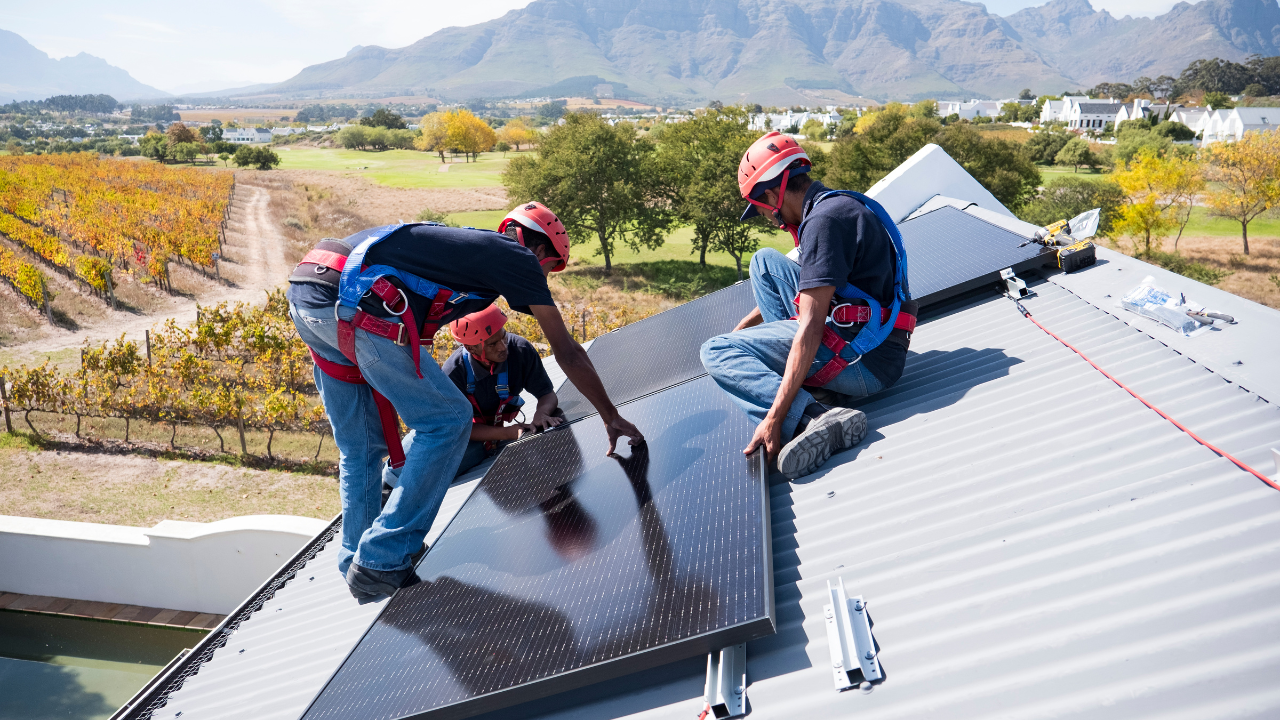
Imagine this: Your neighbor waves at you from their rooftop, casually mentioning their $0 electricity bill this month. Meanwhile, you’re sweating over your latest power bill, wondering how a few cloudy days spiked your costs. The secret? They switched to solar.isn’t just for eco-warriors or tech geeks anymore—it’s a smart, money-saving upgrade for homes and businesses alike.
But between the jargon (“inverters,” “kilowatt-hours”) and the flood of ads, diving into solar can feel overwhelming. Is it worth the upfront cost? How long does installation take? And what happens when the sun takes a holiday? Let’s cut through the noise and shed light on solar installation—the upgrade that pays for itself.
Why Solar Installation Matters Now
Australia’s love affair with solar isn’t slowing down. With over 3 million homes powered by solar panels, it’s clear this isn’t a trend—it’s a revolution. Rising energy prices, government incentives, and advancing tech make 2024 the perfect time to join the solar wave.
Here’s the kicker: A typical Aussie household saves 800–2,000/year after solar installation. Combine that with a 3–6 year payback period, and you’ve got a no-brainer investment. Let’s break down how it works, what it costs, and how to avoid rookie mistakes.
How Solar Installation Works: The Basics
1. The Solar Power System Breakdown
Every solar setup has three key parts:
- Solar Panels: Convert sunlight into DC electricity.
- Inverter: Transforms DC into AC power (what your home uses).
- Meter & Grid Connection: Tracks energy sent to the grid and pulled from it.
Bonus: Add to store excess energy for nighttime or blackouts.
2. The Installation Process (Step-by-Step)
- Assessment: A pro checks your roof’s angle, shading, and structure.
- Design: Custom system sizing (e.g., 6.6kW for a 4-bedroom home).
- Approvals: Council permits and grid connection paperwork.
- Installation: Mount panels, connect inverters, and test the system (1–3 days).
- Activation: Flip the switch and start saving!
Top 5 Reasons to Invest in Solar Installation
1. Slash Your Energy Bills (For Good)
- How It Works: Solar panels generate free power during daylight. Use it instantly or sell excess to the grid.
- Real Savings:
- A 5kW system saves 800–1,200 annually.
- A 10kW system slashes bills by 1,500–2,500/year.
Pro Tip: Pair solar with a battery to reduce grid reliance by 70–90%.
2. Boost Your Home’s Value
- Homes with solar sell 4–6% faster and for 10k–30k more, according to CoreLogic.
- Buyers love locked-in savings and eco perks.
3. Cash In on Government Incentives
- Federal STC Rebate: Covers ~30% of installation costs (phasing out by 2030!).
- State Bonuses:
- NSW offers interest-free loans for low-income households.
- VIC provides solar battery rebates up to $3,500.
4. Go Green Without Lifting a Finger
- A 5kW system cuts 3–4 tonnes of CO2 annually—like planting 100 trees.
- Solar panels are 95% recyclable.
5. Energy Independence
- Dodge blackouts with a battery or hybrid system.
- No more panic during heatwaves or coal plant closures.
What to Look For in a Solar Installer
Avoid dodgy operators with this checklist:
- Clean Energy Council Accreditation: Non-negotiable for quality and safety.
- Local Experience: Choose installers familiar with your area’s weather and regulations.
- Strong Warranties:
- 25+ years for panels.
- 10+ years for inverters.
- 5+ years for workmanship.
- Transparent Quotes: Itemized costs (panels, labor, permits).
- Glowing Reviews: Check Google, SolarQuotes, and Facebook groups.
Solar Installation Costs in Australia (2024)
- 5kW System:
- 4,000–6,000 (after rebates), pays back in 3–5 years.
- 10kW System:
- 8,000–12,000, pays back in 4–6 years.
- Battery Add-On:
- 8,000–15,000 extra, with a 7–12 year payback.
Note: Prices vary by panel quality (Tier 1 vs. budget brands) and roof complexity.
Common Solar Installation Mistakes (And How to Dodge Them)
Cheaping Out on Equipment
Why it’s bad: Low-quality panels degrade faster, and shady installers might skip safety checks.
The fix: Invest in Tier 1 panels and prioritize accredited installers.
Ignoring Shading
Why it’s bad: Trees or chimneys can slash energy output by 50%.
The fix: Get a shade audit before installation.
Overlooking Roof Health
Why it’s bad: Installing panels on a damaged roof leads to leaks and costly repairs.
The fix: Repair or reinforce your roof first.
Skipping Monitoring Apps
Why it’s bad: You won’t know if your system underperforms.
The fix: Use apps like SolarEdge or Tesla to track energy production.
Real-Life Win: The Family That Cut Bills by 90%
The Problem:
The Nguyen family in Adelaide faced $1,800/year power bills and wanted to go green.
The Fix:
- Installed a 6.6kW system with a 10kWh battery.
- Chose Tier 1 panels and a local installer.
The Result:
- Bills: Dropped to $200/year (mostly winter grid use).
- Blackout-Proof: Kept lights on during a storm-induced outage.
- Ego Boost: Their teen now brags about their “eco-warrior” status.
Their Advice: “Don’t skip the battery—it’s a game-changer!”
When to Call a Pro
While researching solar is DIY-friendly, the actual installation isn’t. Professionals handle:
- Safe Wiring: Avoiding fire risks or voided insurance.
- Grid Compliance: Meeting AusNet or Endeavour Energy standards.
- Maximizing Rebates: Paperwork that’s trickier than tax returns.
Your Solar Installation Action Plan
- Audit Your Energy Use: Check past bills to size your system.
- Get 3 Quotes: Compare equipment, warranties, and reviews.
- Apply for Rebates: Your installer can help with STC paperwork.
- Prep Your Roof: Trim trees or fix leaks beforehand.
- Monitor & Maintain: Use apps to track savings and schedule cleanings.
Final Thoughts
Solar installation isn’t just about saving money—it’s about taking control of your energy future. Whether you’re motivated by shrinking bills, boosting property value, or saving the planet, solar delivers. And with tech advancing faster than ever, there’s never been a better time to harness the sun.
So next time you squint at your power bill or admire your neighbor’s shiny panels, remember: The solar revolution is here, and it’s brighter than ever.
FAQs: Solar Installation Questions Answered
Do solar panels work on cloudy days?
Yes! They generate 10–25% of normal output—enough to power basics like fridges.
How long does installation take?
1–3 days for most homes. Delays happen if your roof needs repairs or council approvals drag.
Can I install solar myself?
Legally, no. You need a licensed electrician for grid connections and compliance.
What if I rent or have a strata plan?
Renters can’t install solar, but strata properties may approve shared systems.
How often do panels need cleaning?
Once a year, unless you’re near dust or birds. Rain usually does the job!
READ ALSO: Understanding Your Rights: A Guide from a Defense Attorney’s Perspective

Keep Exploring Zingyzon.com
Read more Zingyzon SEO, digital marketing, online earning, business, and technology guides for Australia, USA, and global readers.