
Pollinator Garden for Small Spaces
A pollinator garden does not require a large backyard, a wide lawn, or expensive landscaping. Even a sunny balcony, narrow […]
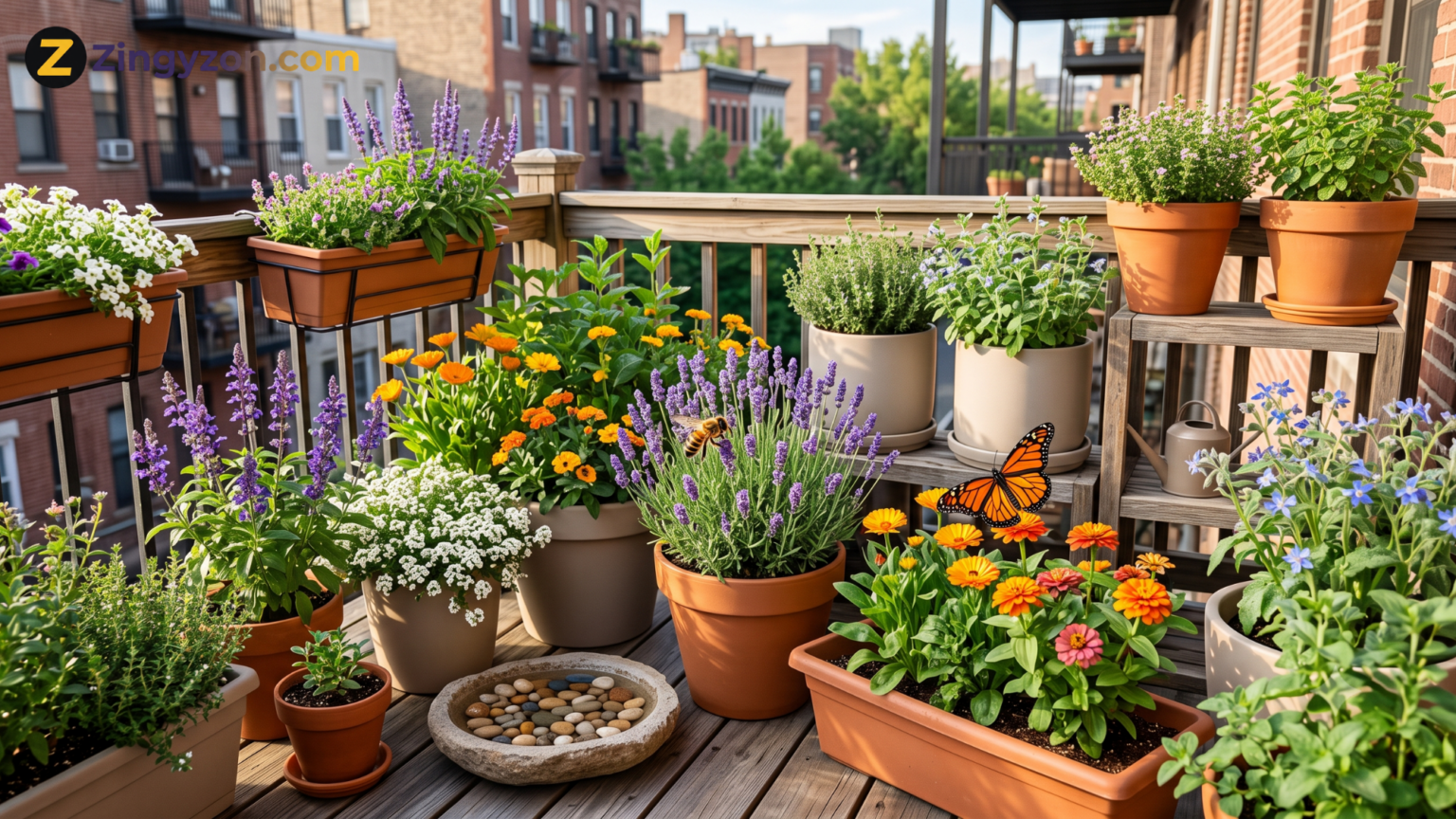
A pollinator garden does not require a large backyard, a wide lawn, or expensive landscaping. Even a sunny balcony, narrow patio, apartment entrance, rooftop corner, or collection of window boxes can become a useful feeding stop for bees, butterflies, moths, hoverflies, and other beneficial visitors.
The key is to use the available area wisely. A small pollinator garden should provide three basic things: reliable flowers, a little water, and a safe place where pollinators can feed without being exposed to harmful chemicals. When these elements are combined in containers or compact planting beds, a limited space can feel colorful, active, and full of life.
This guide explains how to create a pollinator garden for small spaces from the ground up. You will learn how to evaluate your site, select plants, arrange containers, provide water and shelter, avoid common mistakes, and maintain the garden through the seasons.
Why Create a Pollinator Garden in a Small Space?
Pollinators help flowering plants produce seeds, fruits, and future generations of plants. While large wildlife gardens are valuable, small gardens also matter because they can act as stepping stones between parks, street trees, community gardens, and larger natural areas.
A compact pollinator garden can also improve your living space. Flowering herbs add fragrance, colorful blooms soften hard surfaces, and containers can be moved or rearranged when needed. A carefully planned group of pots may provide more useful flowers than a larger but poorly maintained bed.
For more practical ideas related to outdoor living and garden improvement, explore the Home & Garden resources available on ZingyZon.
Step 1: Evaluate Your Available Space
Before buying flowers, observe the area for several days. Pollinator-friendly plants can struggle when their basic light and moisture needs are ignored, so a short site assessment will save time and money.
Measure the Sunlight
Record how many hours of direct sun your balcony, patio, or yard receives. Full sun generally means six or more hours, partial sun means roughly three to six hours, and shade receives little direct light. Nearby buildings, balcony roofs, fences, and trees can change these conditions, so observe the area in the morning, at midday, and later in the afternoon. Choose plants that match the actual light rather than forcing sun-loving varieties into shade.
Check Wind and Heat
Balconies and rooftops may be hotter and windier than ground-level gardens. Use stable pots, protect tall stems, and group containers to slow moisture loss. Leave enough airflow between plants to reduce disease problems.
Think About Weight and Drainage
Wet containers can be heavy, so follow building rules for weight, drainage, and railing planters. Every pot needs drainage holes, and runoff should not damage the floor or affect neighbors. Empty water-filled saucers promptly.
Step 2: Choose the Right Containers
A successful balcony pollinator garden can be created with ordinary pots, window boxes, railing planters, hanging baskets, grow bags, and vertical planting systems.
Larger containers dry out more slowly and give roots more room. Match each pot to the plant’s mature size; crowding vigorous plants into one shallow container creates weak growth and extra maintenance. Use a lightweight container mix rather than ordinary garden soil, which can compact and drain poorly in pots.
Space-Saving Container Ideas
Use vertical space when floor area is limited. A tiered stand can hold several small pots without taking over the balcony. Wall-mounted planters can support trailing flowers or herbs. Hanging baskets add another layer of blooms, while a narrow trellis can support lightweight climbing plants.
Keep the arrangement accessible. You should be able to water, prune, and inspect every plant without moving the entire garden.
Step 3: Select Pollinator-Friendly Plants
The best plants for a small pollinator garden are those that produce accessible nectar or pollen, grow well in containers, and match your local climate. Native plants are often excellent choices, while well-behaved non-native herbs and ornamentals can also provide useful flowers. Check local guidance because a plant that is suitable in one region may be invasive or difficult to manage in another.
Easy Flowering Herbs
Flowering herbs are ideal for small spaces because they can support pollinators and provide leaves for the kitchen. Basil, thyme, oregano, chives, mint, rosemary, and sage can produce attractive flowers when allowed to bloom.
Grow spreading herbs such as mint in their own pots. Instead of harvesting every stem, allow part of each herb plant to flower so the container serves both the kitchen and visiting pollinators.
Compact Annual Flowers
Annuals can provide quick color and are useful for filling gaps between longer-lived plants. Container-friendly options may include sweet alyssum, calendula, cosmos, dwarf sunflowers, nasturtiums, marigolds, and compact zinnias.
Choose single or open flower forms whenever possible. Highly doubled flowers may look impressive, but tightly packed petals can make nectar and pollen difficult for insects to reach.
Perennial Flowers for Containers
Perennials can return for more than one growing season when they are suited to the climate and properly cared for. Salvia, lavender, coneflower, catmint, yarrow, coreopsis, and some compact asters can perform well in containers.
Consider winter cold, summer heat, humidity, and mature size. In hot climates, afternoon shade may reduce stress; in cold climates, pots may require winter protection.
Plants for Butterflies
Adult butterflies often prefer flowers that provide a stable landing surface and easy access to nectar. Flat-topped or clustered flowers are useful, especially when several blooms are grouped together.
Butterfly gardens should also consider caterpillars, which often depend on specific host plants. Research local species and add one suitable host plant when space allows. Some leaf damage is normal.
Step 4: Provide Flowers Across the Seasons
A garden filled with one type of flower may look impressive for a few weeks and then offer very little after the blooms fade. A better approach is to combine plants with different flowering periods.
Choose at least one early-season bloomer, several plants for the main growing season, and one or two late-flowering options. In mild climates, include plants that can flower during cooler months as well.
You do not need dozens of species. Five carefully selected plants with different bloom times can provide a steadier food supply than many plants flowering together. Check the expected flowering period and use local nursery or regional guidance for climate-specific advice.
Step 5: Plant in Groups Rather Than Isolated Pots
Pollinators can find flowers more easily when similar blooms are grouped together. In a small space, this does not mean planting a large mass. Even two or three containers of the same flower placed close together can create a stronger visual signal.
Repeat colors and flower shapes through the garden. For example, place three pots of compact salvia along the back, two containers of flowering thyme near the front, and a window box of alyssum along the edge.
A layered arrangement also makes the space feel larger:
- Place taller plants at the back or against a wall.
- Use medium-height flowers in the center.
- Add trailing or low-growing plants near the front.
- Keep open space around flowers so insects can reach them easily.
For a family-friendly outdoor area, a pollinator corner can also be combined with nature play. This guide to 10 Backyard Playground Ideas for Home includes simple ways to connect children with plants and outdoor spaces.
Step 6: Add a Safe Water Source
Pollinators need water, but a deep bowl is not the best option because small insects can drown. Create a shallow water station using a plant saucer, shallow dish, or small tray filled with clean stones or pebbles. Add enough water to wet the stones while leaving dry landing surfaces above the waterline.
Place the station in a stable, partly shaded location. Replace the water regularly and clean the container to prevent algae and mosquito breeding. During very hot weather, check it daily because shallow water evaporates quickly.
Avoid adding sugar, honey, syrup, or artificial coloring. Plain clean water is the safest general choice for a garden drinking station.
Step 7: Create Simple Shelter
Shelter can be created through plant structure and careful maintenance. Leave a few hollow or pithy stems standing after flowering, and keep one quiet corner slightly less tidy where this does not create a fire, moisture, or pest problem.
Bee hotels require correct design and regular cleaning. Beginners may achieve better results by focusing first on flowers, water, reduced pesticide use, and natural stems.
Step 8: Avoid Pesticides
A pollinator garden should be managed with the least harmful methods possible. Broad-spectrum insecticides can kill beneficial insects along with pests, and spraying open flowers may directly expose visiting pollinators.
Start by identifying the problem. A few chewed leaves do not always require treatment. Remove pests by hand, prune heavily damaged growth, improve airflow, and use physical barriers when appropriate. Healthy plants grown in suitable light and soil are also more resistant to stress.
When treatment is necessary, follow local advice and product instructions carefully. Avoid applying products while flowers are open or pollinators are active. Never assume that a product is harmless simply because it is described as natural or organic.
Step 9: Maintain the Garden Without Overworking It
Small container gardens need regular attention, but maintenance can remain simple.
Check soil moisture with your finger instead of watering on a fixed schedule. Water thoroughly, let excess moisture drain, and remove some faded flowers to encourage repeat blooming. Leave selected seed heads or stems when they provide food or shelter.
Use compost or a suitable fertilizer according to each plant’s needs. Too much fertilizer can produce lush leaves with fewer flowers.
Inspect plants weekly for:
- Dry or waterlogged soil
- Yellowing leaves
- Aphids or other pests
- Broken stems
- Blocked drainage holes
- Crowding between pots
- Flowers that need light pruning
A Simple Small-Space Pollinator Garden Plan
A beginner can create an effective arrangement with six containers:
- One large pot with a compact perennial salvia
- One medium pot with lavender or a locally suitable alternative
- One pot of thyme or oregano allowed to flower
- One pot of basil or chives
- One window box with alyssum and calendula
- One seasonal container with compact zinnias or dwarf sunflowers
Add a shallow pebble water dish and place the containers in two or three groups. Use the tallest plants at the back and low flowers near the front.
This plan can be adjusted for shade, tropical conditions, cold climates, or strong wind. The exact plant list matters less than choosing healthy, non-invasive plants that bloom at different times and fit the available light.
Common Mistakes to Avoid
Choosing Plants Only for Appearance
A beautiful flower is not automatically useful to pollinators. Select open, accessible blooms and avoid filling the entire garden with highly doubled varieties.
Using Too Many Tiny Pots
Tiny pots dry quickly and restrict roots. Use fewer, larger containers when possible, especially for perennials.
Allowing Every Plant to Bloom at Once
Spread flowering across the seasons. A continuous sequence of blooms is more useful than one short burst of color.
Ignoring Mature Plant Size
Read plant labels and research growth habits. An oversized plant can shade smaller flowers, block a walkway, or become difficult to water.
Spraying Flowers for Minor Pest Damage
A few imperfect leaves are normal in a living garden. Identify the cause before applying any treatment.
Forgetting About Water
Containers can dry rapidly, especially on windy balconies. Group pots, mulch the soil surface lightly, and check moisture regularly.
How to Make the Garden Look Attractive
A pollinator garden can be practical and visually organized at the same time. Limit the container palette to two or three materials or colors. Repeat the same flower color in several locations to create unity. Use pots of different heights, but avoid overcrowding the floor.
Keep a clear path for watering and maintenance, and use a narrow shelf or compact storage box where space allows. Choose plants for texture as well as flowers so the arrangement remains attractive between bloom periods.
Readers looking for more home, garden, appliance, and outdoor-living inspiration can browse zingyzon.com for practical guides designed for everyday spaces.
Frequently Asked Questions
Can I Create a Pollinator Garden on an Apartment Balcony?
Yes. Use containers with drainage, choose plants suited to the available sunlight, group flowers together, and provide a shallow water source. Follow building rules for railing planters, weight, and water runoff.
What Is the Best Flower for a Small Pollinator Garden?
There is no single best flower for every location. The best choice is a non-invasive plant that grows well in your climate, fits your container, and provides accessible nectar or pollen. Salvia, flowering herbs, alyssum, calendula, and compact zinnias are common starting points.
How Many Plants Do I Need?
You can begin with three to six containers. Focus on healthy plants and staggered bloom times rather than a large number of species.
Do Pollinator Gardens Attract Dangerous Bees?
Flower-visiting bees are generally focused on gathering nectar and pollen. Avoid disturbing nests or hives, supervise children, and contact a qualified local professional when a colony is located in an unsafe place.
Can I Grow a Pollinator Garden in Partial Shade?
Yes. Select shade-tolerant flowering plants recommended for your region. The garden may attract fewer sun-loving butterflies, but it can still support small bees, flies, moths, and other visitors.
Final Thoughts
Creating a pollinator garden for small spaces is mostly about making thoughtful choices. Start with the light you have, choose containers that will not dry out too quickly, and select a small group of flowers that bloom at different times. Add a safe water dish, avoid unnecessary pesticides, and allow a little natural structure to remain after flowering.
Do not wait until you have a perfect balcony or a large collection of plants. One pot of flowering herbs beside a container of salvia can be a meaningful beginning. As you observe which plants grow well and which visitors arrive, you can gradually improve the garden.
A compact pollinator garden brings color and movement into everyday life while making better use of balconies, patios, rooftops, and narrow yards. With consistent care, even the smallest outdoor space can become a welcoming stop for bees, butterflies, and other beneficial pollinators.
Keep Exploring Zingyzon.com
Read more Zingyzon SEO, digital marketing, online earning, business, and technology guides for Australia, USA, and global readers.