
EcoFlow Power Station for Australian Camping Trips
An EcoFlow power station can make Australian camping trips more comfortable, practical, and self-sufficient. Whether you are staying at a […]
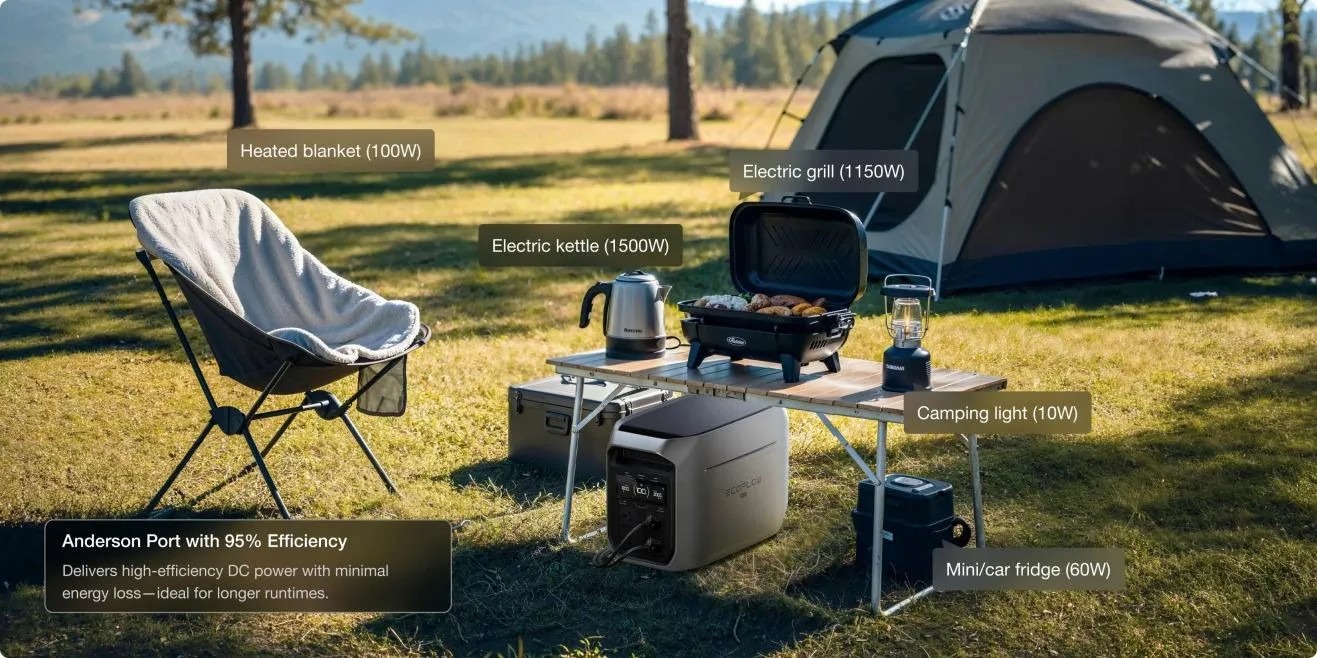
An EcoFlow power station can make Australian camping trips more comfortable, practical, and self-sufficient. Whether you are staying at a powered site, heading into the bush, or setting up near the coast, reliable portable power helps you run lights, keep food cold, charge phones, and support essential gear without relying on noisy fuel equipment. That matters even more in Australia, where campsites can be remote and weather conditions can change quickly. Choosing the right portable power setup starts with understanding how much energy you need each day and how you plan to recharge along the way. With the right approach, a power station can support short weekend escapes, longer touring holidays, and off-grid camps where dependable electricity improves safety, convenience, and overall trip enjoyment.
Why Use an EcoFlow Power Station for Camping in Australia?
Keep Camping Essentials Powered Without a Generator
A portable power station gives campers a simple way to run essential devices without the noise, fumes, and fuel handling that come with a generator. On Australian camping trips, that can mean powering LED lights after dark, charging phones and GPS units, keeping camera batteries topped up, or running a camping fridge for food and drinks. Quiet operation is especially useful in national parks, family campgrounds, and shared sites where low noise helps everyone enjoy the surroundings. A battery-based setup is also easier to use for short stays because you can plug in devices directly and monitor available power as you go. For many campers, that makes a portable power station a cleaner, more convenient solution for everyday off-grid electricity needs.
Handle Remote Campsites and Changing Australian Conditions
Camping in Australia often means dealing with distance, heat, dust, and limited access to power. A portable power station helps you stay prepared when you are far from towns, moving between multiple campsites, or spending long hours outdoors. It can support communications, lighting, and refrigeration in locations where mains power is unavailable, which is important for both convenience and basic trip safety. It also gives you flexibility when plans change because of weather, road conditions, or extended stays. If a campsite has little shade and warm temperatures put pressure on your fridge, or if unexpected delays keep you off-grid longer, stored battery power becomes more than a luxury. It helps keep your setup functional and your trip running smoothly under real camping conditions.
How to Choose the Right EcoFlow Power Station for Camping
Calculate Your Camping Power Needs and Battery Capacity
Start by listing the devices you expect to use each day, then estimate both wattage and runtime. A camping fridge might run around the clock in cycles, lights may be needed for several evening hours, and phones, cameras, or laptops usually charge once or twice daily. Multiply each device’s power draw by the hours used to get a realistic daily energy figure in watt-hours. This gives you a clear target for battery capacity rather than guessing. For Australian camping, it is smart to allow extra capacity for hot weather, longer drives between charge opportunities, and unplanned appliance use. If your total daily use comes to 800Wh, choosing a ecoflow power station with meaningful headroom helps prevent battery anxiety and supports more reliable off-grid camping.
Consider the EcoFlow DELTA 3 Max Plus Portable Power Station for Extended Trips
For longer camping trips or more demanding setups, the ecoflow australia DELTA 3 Max Plus Portable Power Station offers the kind of capacity and output that suit extended off-grid use. It has a 2048Wh LFP battery, 3000W max AC output, 3900W with X-Boost, and 6000W surge output, giving it enough headroom for fridges, cooking appliances, chargers, and other campsite essentials. With 10 total output ports, including 4 AC outlets, USB-A, USB-C, Anderson output, and car power output, it supports mixed device charging in one unit. Recharging is flexible too, with up to 1000W solar input, 2300W AC input, car charging, alternator charging up to 1000W, and generator charging up to 2400W. A 5-year warranty, app connectivity, and expandable battery support strengthen its appeal for regular campers.
How to Use an EcoFlow Power Station on Australian Camping Trips
Charge Your Power Station Before and During Your Trip
Begin every trip with the power station fully charged so you arrive with maximum usable energy. That simple step reduces stress and gives you a buffer if weather or travel delays affect your recharging plan. During the trip, top up whenever practical rather than waiting until the battery gets low. Charge at home before departure, use solar panels during daylight at camp, or recharge while driving if your route involves long distances between stops. If you are staying several nights in one place, position solar panels for the best sun exposure and keep them clear of shade from trees or awnings. In mixed weather, short charging sessions still help. Consistent top-ups are the easiest way to maintain reliable off-grid power throughout an Australian camping itinerary.
Power Camping Fridges, Lights and Other Essential Devices
Use your power station strategically by prioritising the devices that matter most to comfort and safety. A camping fridge usually sits at the top of the list, especially during hot Australian conditions, so keep it efficient by pre-cooling it before departure, limiting lid openings, and placing it out of direct sun. LED camp lights use relatively little energy, making them an easy addition for evenings around camp. Phones, smartwatches, headlamps, GPS units, cameras, and laptops can be charged as needed, ideally during daylight if you are also collecting solar input. To extend runtime, avoid leaving appliances plugged in unnecessarily and switch off outputs you are not using. Good energy habits help your stored power last longer and keep essential gear available when you need it.
Conclusion
An EcoFlow power station is a practical upgrade for Australian camping because it delivers quiet, reliable electricity where mains power is unavailable. It can keep food storage, lighting, communications, and everyday devices running without the inconvenience of fuel-powered equipment. The key is to match battery capacity to your actual camping habits, then recharge consistently through AC, solar, or vehicle-based options during the trip. For campers planning longer stays, remote travel, or a higher-powered setup, choosing a model with strong capacity and flexible outputs makes day-to-day use much easier. With some simple planning around energy use and charging, a portable power station supports safer, more comfortable, and more independent camping across Australia, from short weekend escapes to extended off-grid touring adventures in remote and varied conditions.



Keep Exploring Zingyzon.com
Read more Zingyzon SEO, digital marketing, online earning, business, and technology guides for Australia, USA, and global readers.