
What Design-Led Travelers Look For Before They Book a Hotel
A hotel is no longer simply a place to sleep. For design-led travelers, it is part of the destination and […]
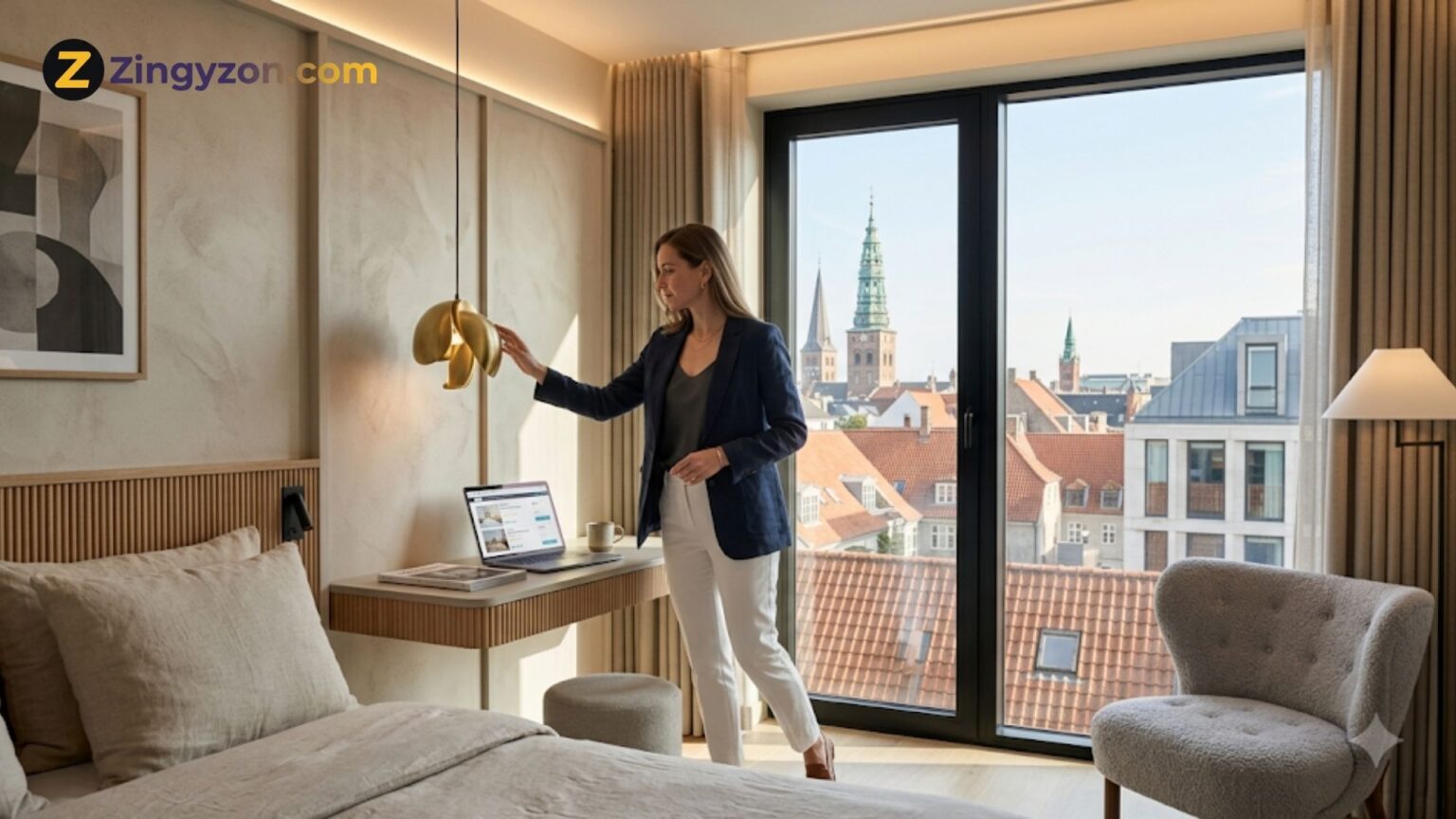
A hotel is no longer simply a place to sleep. For design-led travelers, it is part of the destination and often part of the reason for taking the trip. These guests notice details that other visitors may miss: the way daylight enters a room, how materials connect with the local environment, whether furniture is comfortable, and whether the lobby creates a genuine sense of arrival.
However, visual appeal alone is not enough. A hotel may look impressive in carefully edited photographs and still feel uncomfortable, noisy, or impractical. Before booking, design-conscious travelers look beyond a dramatic reception area or a stylish bed. They want to know whether the design will improve their stay.
From architecture and room planning to lighting, neighbourhood character, and recent reviews, here is what design-led travelers examine before choosing a hotel.
A Clear and Consistent Design Identity
The first thing many design-conscious guests notice is whether a hotel has a clear point of view. A strong design identity does not mean every room must be bold, expensive, or highly decorated. It means the property feels intentional.
The exterior, lobby, corridors, guest rooms, restaurant, and shared spaces should feel connected. Colours, materials, furniture, artwork, and typography do not need to match exactly, but they should belong to the same story.
Travelers may become cautious when a hotel website shows a spectacular lobby but generic rooms. That difference can suggest that design has been used mainly as a marketing feature. A convincing hotel carries its identity through the full guest journey, including practical spaces that receive less attention in promotional photography.
Consistency creates trust. It shows that the experience has been planned rather than assembled from unrelated trends.
Authenticity and a Sense of Place
Design-led travelers increasingly look for hotels that reflect their location. Familiar luxury signals such as marble, brass, velvet, and oversized lighting can look elegant, but they do not automatically make a property memorable.
Many guests prefer architecture, materials, craftsmanship, and artwork that connect the hotel to its city or region. A coastal property might use local stone and weathered timber. A converted warehouse may retain exposed brick, original beams, or industrial details. A boutique hotel in a historic district might display work by local artists or preserve traditional decorative features.
Authenticity does not require a hotel to feel old-fashioned. A modern property can still express local culture through its proportions, landscaping, textures, colours, and choice of materials.
The question design-minded travelers often ask is simple: could this hotel exist anywhere, or does it clearly belong here?
Complete and Believable Photography
Strong hotel photography can create interest, but images that look too polished may also raise questions. Wide-angle lenses, heavy editing, repeated shots, and carefully cropped corners can hide useful information.
Before booking, travelers look for a complete visual picture. They want to see the full room from different angles, the bathroom layout, window size, storage, corridors, lifts, shared spaces, the entrance, and the street outside.
They also compare official photographs with recent guest images. This helps them judge whether the hotel remains well maintained and whether the advertised room is a standard option or an expensive suite.
Resources such as HotelScout can help travelers explore hotel information, real property photos, guest-rating details, and direct booking links in one place. The platform describes itself as an editor-reviewed hotel directory rather than a booking engine.
The goal is to understand the property as a real place, not just as a carefully staged collection of images.
Room Layout and Everyday Functionality
A room can look beautiful and still be difficult to use. Good hospitality design should solve everyday problems instead of creating them.
Travelers check whether there is enough space to open a suitcase, move around the bed, store clothing, charge devices, and place personal items. They notice whether the desk is usable, whether bedside sockets are easy to reach, and whether the bathroom offers enough privacy.
Open-plan bathrooms, glass partitions, freestanding bathtubs, and unusual furniture may look impressive online. In practice, they can reduce privacy or make a compact room feel awkward. Experienced travelers consider how these features will work during an actual stay.
The best rooms balance visual character with intuitive use. Guests should not need to move furniture, search for light switches, or discover that the only power socket is on the opposite side of the room.
Natural Light, Night Lighting, and Sound
Lighting has a major effect on how a hotel feels, yet it can be difficult to judge from promotional images. Design-led travelers look for signs that a room provides both useful daylight and flexible lighting at night.
They consider window placement, the direction of the room, nearby buildings, balcony depth, and whether the view faces an internal courtyard or a busy road. A large window does not always guarantee good natural light.
At night, layered lighting matters. Bedside lamps, reading lights, task lighting, softly illuminated mirrors, and controllable ambient lighting create a more comfortable experience than one bright ceiling fixture. Blackout curtains are also important for guests dealing with early sunrises, jet lag, or different sleep schedules.
Sound is equally important. Travelers read reviews for mentions of thin walls, street traffic, rooftop bars, lifts, plumbing, and slamming doors. Beautiful interiors cannot compensate for a room that prevents proper rest.
Materials, Comfort, and Long-Term Maintenance
A newly opened hotel may photograph perfectly, but design-led travelers often look for signs of how well its materials will age. Trendy surfaces can quickly lose their appeal when they scratch, stain, chip, or become difficult to clean.
Guests examine flooring, upholstery, bathroom fittings, joinery, furniture, and door hardware. They may search recent reviews for comments about worn carpets, damaged surfaces, mould, loose fixtures, or tired communal areas.
Comfort also matters. A sculptural chair has little value when it is unpleasant to sit on. A dramatic sink may become frustrating if it splashes water across the counter. A beautiful bed must still provide proper support and practical access on both sides.
The strongest hotel interiors combine appearance, durability, and comfort. Good design continues to work after the opening photographs have been taken.
The Hotel’s Relationship With Its Neighbourhood
For many design-led travelers, the hotel cannot be separated from its surroundings. They judge the experience of stepping outside as carefully as they judge the room.
A beautifully designed property may lose its appeal if it sits beside a noisy road, inside an isolated commercial area, or far from the places the guest wants to visit. A smaller hotel may offer greater value when it is located on a walkable street near cafés, galleries, independent shops, public transport, parks, or historic architecture.
Travelers study maps, neighbourhood guides, street views, and recent reviews. They want to know whether the area feels active or empty at night, whether the entrance is easy to find, and whether the location matches the mood shown in the hotel’s marketing.
The right neighbourhood extends the design experience beyond the hotel door.
Shared Spaces That Guests Can Actually Use
Hotel lobbies and lounges are often designed to look impressive, but thoughtful travelers want to know whether these spaces are genuinely useful.
A successful shared area offers different ways to sit and spend time. It may include quiet corners for reading, tables for working, comfortable lounge seating, social areas for groups, and outdoor spaces with shade. Lighting, temperature, music volume, power access, and staff movement all influence whether guests feel welcome.
Travelers also consider how the hotel manages public activity. A popular restaurant or rooftop bar can make a property feel lively, but it may also create noise, queues, crowded lifts, and reduced privacy.
The best communal spaces feel active without becoming chaotic. They invite people to stay rather than serving only as attractive backgrounds for social media photographs.
Credible Sustainability
Many design-conscious travelers value sustainability, but vague claims are not enough. A statement about being “green” means little unless the hotel shows how its building, rooms, and operations support that goal.
Guests look for practical measures such as the reuse of existing buildings, durable local materials, refillable bathroom products, efficient lighting, water-saving fittings, natural ventilation, and sensible control of heating and cooling.
They also notice contradictions. A hotel may promote environmental responsibility while using excessive single-use packaging, replacing towels unnecessarily, or maintaining decorative features that consume large amounts of energy or water.
Credible sustainable design feels integrated rather than added for marketing. It should improve efficiency and long-term quality without making the guest experience less comfortable.
Reviews That Confirm the Design Experience
Design-led travelers do not read reviews only for cleanliness and service. They use them to discover whether the hotel’s design works in real life.
Recent reviews can reveal whether rooms are smaller or darker than expected, whether furniture is comfortable, whether bathrooms provide enough privacy, and whether stylish public areas become crowded. Comments about air conditioning, storage, blackout curtains, noise, and maintenance are especially useful.
Specific reviews carry more value than general praise. “Beautiful hotel” says very little. A review explaining that the room had quiet windows, practical storage, comfortable seating, and well-placed lighting provides a clearer picture.
Travelers also compare feedback across room categories. A hotel may have excellent overall ratings while its entry-level rooms offer limited views, awkward layouts, or less distinctive interiors.
The aim is not to find a hotel with no criticism. It is to understand the compromises before paying.
Value That Goes Beyond the Nightly Rate
Design-led travelers are not always searching for the cheapest hotel. They are looking for value that feels meaningful.
A higher rate may be justified by exceptional architecture, a strong location, quality materials, thoughtful service, comfortable furniture, a memorable view, or access to well-designed shared spaces. A more affordable hotel may offer better value when it delivers a distinctive experience without unnecessary extras.
Guests consider what they will actually use. A large spa offers little value to someone who plans to explore the city all day. A calm workspace may be essential for a business traveler. A small but well-planned room can be a better choice than a larger room with poor lighting and awkward furniture.
For more practical guides that help readers make informed choices, explore zingyzon.com.
Final Pre-Booking Checklist
Before confirming a reservation, design-led travelers should ask:
- Does the property have a clear and consistent identity?
- Do the rooms match the quality shown in the lobby?
- Does the hotel feel connected to its destination?
- Are official photographs supported by recent guest images?
- Is the room layout practical for the planned stay?
- Are lighting, privacy, storage, and sound control adequate?
- Do recent reviews confirm that the design works well?
- Are sustainability claims supported by visible action?
- Does the neighbourhood suit the itinerary?
- Is the complete experience worth the total price?
These questions help travelers avoid choosing a hotel based on appearance alone.
Final Thoughts
Design-led travelers want more than photogenic interiors. They look for hotels where architecture, atmosphere, comfort, functionality, and location work together.
The strongest properties do not force guests to choose between beauty and practicality. Their rooms are intuitive, their materials feel appropriate, their lighting supports different needs, and their communal spaces feel welcoming. They also present themselves honestly through complete photography and accurate descriptions.
Before booking, thoughtful guests study the details that shape a real stay: noise, privacy, layout, neighbourhood, maintenance, and value. A memorable hotel is not simply one that looks impressive online. It is one where every design decision helps the guest feel comfortable, connected, and pleased to be there.

Keep Exploring Zingyzon.com
Read more Zingyzon SEO, digital marketing, online earning, business, and technology guides for Australia, USA, and global readers.