
The Hidden Cost of Dirty Filters: How Skipping Maintenance Quietly Kills Your Compressor
An air conditioning filter may look like a small and inexpensive part, but it plays a major role in protecting […]
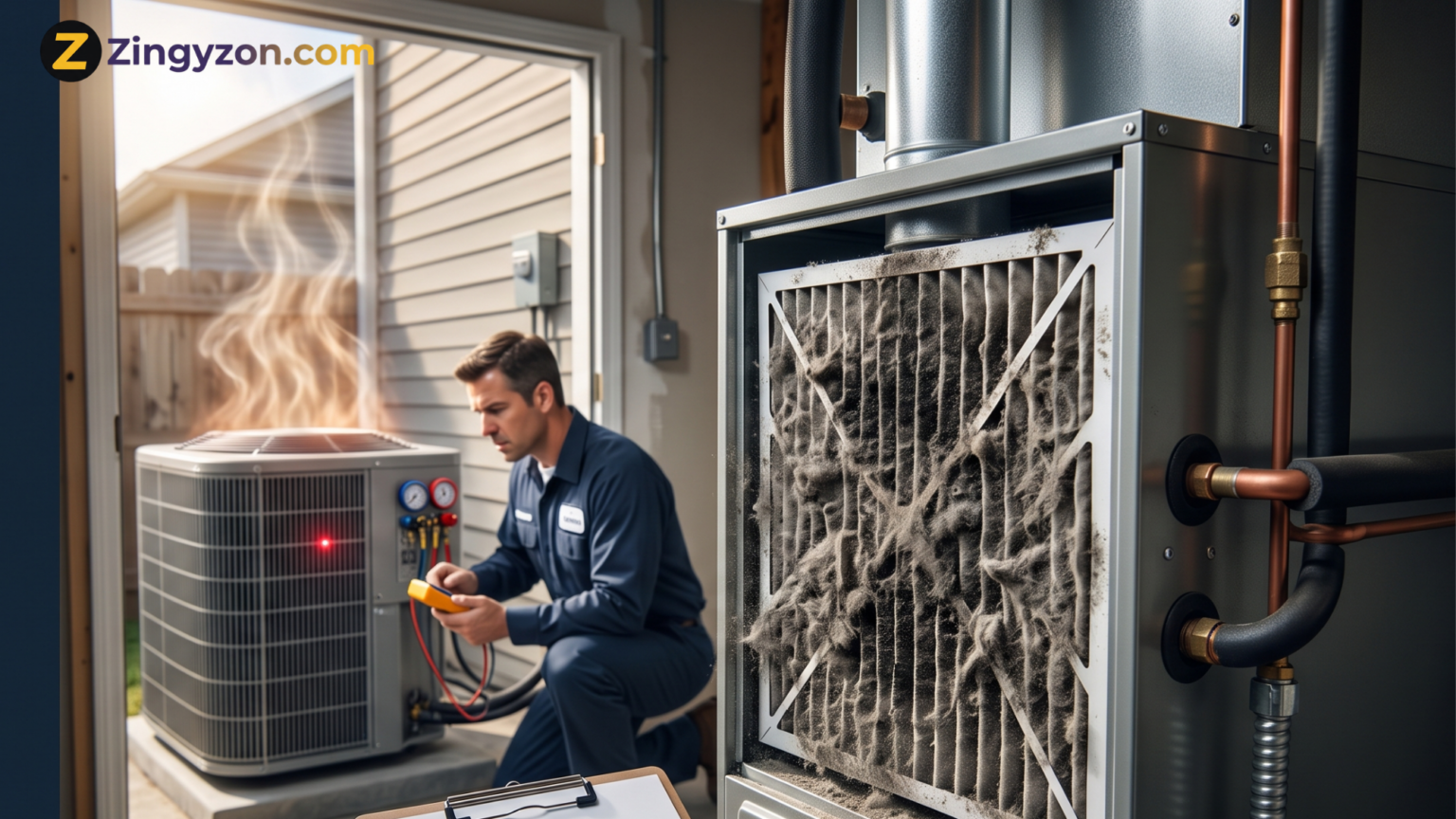
An air conditioning filter may look like a small and inexpensive part, but it plays a major role in protecting the entire system. It catches dust, hair, pollen, pet dander, and other airborne particles before they reach the indoor coil and other sensitive components.
Because filters are simple and usually hidden behind a grille or inside the indoor unit, they are easy to forget. Many people continue running their air conditioner for months without checking the filter. The system may still produce cool air, so everything appears normal.
Behind the scenes, however, a dirty filter can slowly restrict airflow, increase energy use, reduce cooling performance, and place unnecessary pressure on the compressor. The compressor is one of the most important and expensive parts of an air conditioning system. When it fails, the repair bill can be significant.
Understanding how dirty AC filters affect the system can help homeowners and business owners avoid high electricity bills, unexpected breakdowns, and early equipment replacement.
Why Your Air Conditioner Needs Proper Airflow
An air conditioner does not simply create cold air. It removes heat from the indoor environment and transfers it outside through the refrigeration cycle.
Warm indoor air moves through the return vents and passes through the air filter. It then flows over the evaporator coil, where the refrigerant absorbs heat. The cooled air is sent back into the rooms while the absorbed heat moves through the system and is released outdoors.
This process depends on a steady volume of air moving across the evaporator coil.
When the filter becomes covered with dust and debris, less air can pass through it. The fan may continue running, but the system cannot move the amount of air it was designed to handle. The US Department of Energy confirms that a clogged filter restricts airflow, decreases efficiency, and reduces an air conditioner’s ability to cool effectively.
This airflow restriction is the starting point for many expensive air conditioning problems.
How Dirty AC Filters Increase Energy Consumption
One of the first effects of a clogged filter is longer cooling cycles.
When airflow is restricted, the air conditioner takes more time to reach the temperature set on the thermostat. Instead of completing a normal cooling cycle and switching off, it may continue operating for extended periods.
Longer operating times mean higher electricity consumption. The indoor fan, outdoor fan, and compressor remain active for longer than necessary. The difference may not be immediately obvious, but electricity costs can gradually increase as the filter becomes more blocked.
Some homeowners respond by lowering the thermostat because the property does not feel cool enough. This forces the system to work even harder without fixing the actual airflow problem.
Replacing or cleaning the filter allows air to move more freely. The system can cool the space faster, complete normal cycles, and switch off when the desired temperature is reached.
The Connection Between a Dirty Filter and Compressor Damage
The compressor circulates refrigerant between the indoor and outdoor sections of an air conditioning system. It raises the refrigerant pressure so that heat can be transferred and released outdoors.
Although the filter does not directly touch the compressor, a heavily blocked filter can create operating conditions that place serious stress on it.
Restricted airflow reduces the amount of warm air moving over the evaporator coil. As a result, the refrigerant may not absorb enough heat indoors. The coil temperature can drop below its normal operating range and eventually become covered with ice.
Once ice forms, airflow becomes even more restricted. The system may continue running because the thermostat still detects that the room has not reached the selected temperature.
This creates a damaging cycle:
- The dirty filter reduces airflow.
- Low airflow causes the evaporator coil to become too cold.
- Moisture freezes on the coil.
- Ice blocks even more airflow.
- The compressor runs longer under poor operating conditions.
- Internal temperatures and mechanical stress increase.
Trane identifies dirty filters as a common cause of restricted airflow and frozen evaporator coils. It also warns that clogged filters can reduce performance, lead to system shutdowns, and cause long-term AC damage when ignored.
In severe situations, unusual refrigerant conditions can also affect compressor lubrication and internal components. The damage may develop slowly, which is why filter-related compressor problems often go unnoticed until the system stops cooling properly.
Why Compressor Failure Is So Expensive
The compressor is often described as the heart of an air conditioner because the cooling cycle cannot work without it.
Replacing a filter is normally a small maintenance expense. Replacing a compressor is a major repair involving refrigerant recovery, electrical work, specialised tools, labour, and testing.
The final cost depends on the system type, compressor size, refrigerant, age of the equipment, and availability of replacement parts. In an older system, compressor replacement may not be financially practical. The owner may need to replace the complete outdoor unit or install an entirely new air conditioning system.
Skipping a simple filter check can therefore turn a low-cost maintenance task into one of the most expensive air conditioner repairs.
Other Problems Caused by Clogged Filters
Compressor stress is not the only hidden cost of dirty AC filters. Restricted airflow can affect several parts of the system.
Weak Airflow From the Vents
A noticeable drop in airflow is often one of the earliest warning signs. Some rooms may feel warm even though the air conditioner is operating continuously.
Weak airflow may also create uneven temperatures throughout the property. Rooms farther from the indoor unit can become especially uncomfortable.
Frozen Evaporator Coil
A frozen coil prevents the system from absorbing heat properly. The air conditioner may run without producing enough cool air.
After the system is switched off, the ice can melt and create excess water around the indoor unit. This may be mistaken for a blocked drain or refrigerant leak.
Blower Motor Strain
The blower motor moves air through the filter, coil, ducts, and supply vents. When the filter is clogged, the motor may need to work harder to maintain airflow.
This extra workload can increase energy use, raise operating temperatures, and shorten the motor’s service life.
Dirt Accumulation on the Evaporator Coil
A damaged, incorrectly installed, or extremely overloaded filter may allow dust to pass around it. That dust can settle on the evaporator coil.
Even a thin layer of dirt can reduce heat transfer. Coil cleaning is more difficult and expensive than regular filter maintenance.
Poor Indoor Air Quality
A filter filled with dust may no longer capture particles effectively. Dust can circulate through the rooms, settle on furniture, and affect people who are sensitive to pollen or other airborne particles.
A neglected system may also develop unpleasant smells, especially when moisture and organic debris collect around the coil or drain pan.
Unexpected System Shutdowns
Modern air conditioners include safety controls designed to protect important components. When temperatures, pressures, or electrical readings move outside safe limits, the system may shut down.
This protective shutdown can prevent immediate damage, but repeated trips indicate that the underlying problem needs professional attention.
Common Warning Signs of a Dirty Filter
You do not need to wait for a complete breakdown before checking the filter. Several signs may indicate that airflow is restricted:
- Airflow from the vents feels weaker than normal.
- The system runs for long periods without reaching the selected temperature.
- Electricity bills increase without a clear reason.
- Some rooms remain warmer than others.
- Dust collects quickly around vents and indoor surfaces.
- The indoor unit produces unusual smells.
- Ice appears on the refrigerant pipe or indoor coil.
- Water leaks near the indoor unit after the ice melts.
- The air conditioner frequently switches on and off.
- The system makes louder airflow or fan noises.
These symptoms can have several causes, so a dirty filter should not be treated as the only possible explanation. However, checking the filter is one of the simplest and safest first steps.
How Often Should Air Conditioner Filters Be Cleaned or Replaced?
There is no single schedule that works for every property.
The correct maintenance interval depends on the filter type, system design, operating hours, local environment, number of occupants, presence of pets, and manufacturer’s instructions.
Disposable filters usually need to be replaced. Washable filters should be removed, cleaned carefully, dried completely, and reinstalled in the correct direction.
Many manufacturers recommend checking residential filters regularly and replacing common disposable filters approximately every 30 to 90 days. Systems operating in dusty conditions or homes with pets may require more frequent attention.
Consider inspecting the filter more often when:
- The air conditioner runs daily.
- Construction or renovation work is taking place nearby.
- The property is located close to a busy road.
- There are several pets in the home.
- Doors or windows remain open frequently.
- The area experiences dust, smoke, or heavy pollen.
- The system serves a shop, office, restaurant, or busy commercial space.
The filter should be checked rather than changed only according to a fixed calendar. A filter can become dirty much faster during periods of heavy use.
Can You Clean an Air Conditioner Filter Yourself?
Many split-system and window air conditioner filters can be cleaned by the user. However, the correct method depends on the equipment.
Always switch off the system before opening the indoor unit or filter compartment. Remove the filter carefully and inspect it for dust, tears, or damage.
A washable filter can often be cleaned using a vacuum, soft brush, or gentle stream of water. Avoid using harsh chemicals unless the manufacturer specifically recommends them.
Allow the filter to dry completely before reinstalling it. A wet filter can encourage moisture problems and may allow dirt to stick more quickly.
Disposable filters should not normally be washed. Water can damage the filter material and reduce its ability to capture particles. Replace it with a filter of the correct size, type, and airflow direction.
Never force a thick or high-resistance filter into a system that was not designed for it. A filter that captures smaller particles may also restrict more airflow. Filter efficiency and airflow must remain properly balanced.
Why Filter Maintenance Is Not a Complete AC Service
Cleaning the filter is important, but it does not replace professional servicing.
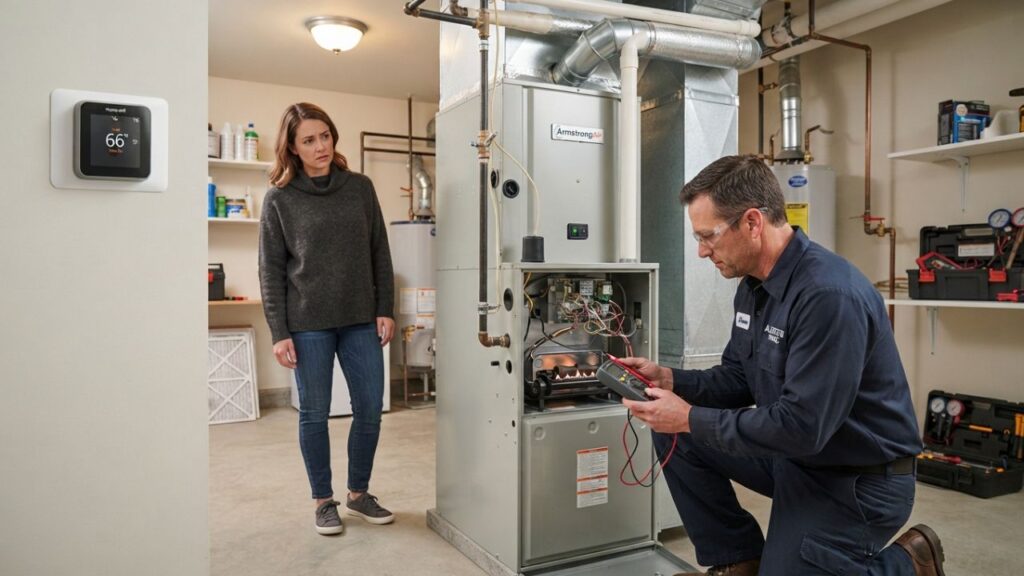
A qualified technician can inspect parts that are not easily accessible to the user, including:
- Evaporator and condenser coils
- Refrigerant pressures and temperatures
- Electrical terminals and contactors
- Compressor operating current
- Fan motors and capacitors
- Condensate drain lines
- Ductwork and airflow
- Thermostat operation
- Refrigerant pipe insulation
- Unusual noise and vibration
The Department of Energy identifies dirty filters, dirty coils, low airflow, duct leakage, and other installation or maintenance faults as common causes of poor HVAC performance.
People experiencing weak cooling, frozen coils, unusual noises, or repeated shutdowns should arrange an inspection rather than repeatedly resetting the system.
For local assistance, a qualified provider specialising in penrith air conditioning can inspect airflow, clean system components, and identify issues before they develop into compressor failure.
A Simple Filter Maintenance Routine
A basic routine can protect the air conditioner without requiring much time.
Step 1: Set a Monthly Reminder
Inspect the filter once a month during periods of regular use. An inspection does not always mean the filter must be replaced, but it prevents long periods of neglect.
Step 2: Check Both Sides of the Filter
A filter may look clean from the visible side while the other side is covered with dust. Remove it carefully and inspect the complete surface.
Step 3: Clean or Replace It Correctly
Follow the equipment manufacturer’s instructions. Use the correct dimensions and filter type when installing a replacement.
Step 4: Keep Return Vents Clear
Furniture, curtains, boxes, and other objects should not block return-air grilles. Even a clean filter cannot help if the return opening is obstructed.
Step 5: Watch for Ice and Water
Ice on the indoor coil or refrigerant pipe is not normal. Switch the cooling system off and arrange an inspection if freezing happens repeatedly.
Step 6: Book Preventive Servicing
Professional servicing can identify dirty coils, electrical wear, drainage problems, refrigerant issues, and early compressor stress before they cause a breakdown.
More practical maintenance and home system guides are available on zingyzon.com.
The Real Cost of Skipping Maintenance
The price of ignoring a dirty filter is not limited to the cost of a replacement filter.
The hidden costs can include:
- Higher monthly electricity bills
- Longer cooling times
- Reduced indoor comfort
- Poorer indoor air quality
- Frozen coils and water leaks
- Premature blower motor wear
- Emergency service charges
- Lost business time in commercial properties
- Compressor replacement
- Early replacement of the complete system
These expenses usually develop gradually. Because the air conditioner may continue operating, users often assume it is working correctly. By the time the cooling becomes noticeably weak, the system may already have been operating under stress for weeks or months.
Frequently Asked Questions
Can a dirty air filter really damage an AC compressor?
Yes. A dirty filter restricts airflow across the evaporator coil. This can cause longer operating cycles, coil freezing, abnormal refrigerant conditions, and additional compressor stress. Continued operation under these conditions can contribute to serious system damage.
Will changing the filter fix a frozen air conditioner?
Changing a dirty filter may correct the airflow restriction, but the ice must melt before the system can operate normally. A technician should inspect the unit if it freezes again, as low refrigerant, blower problems, dirty coils, or restricted ducts may also cause freezing.
Why is my air conditioner running but not cooling?
Possible causes include a clogged filter, dirty evaporator or condenser coils, low refrigerant, thermostat problems, blocked vents, fan failure, or compressor trouble. Start by checking the filter, but arrange professional diagnosis if cooling does not improve.
Can I run my air conditioner without a filter?
No. Operating without a filter allows dust and debris to collect on the evaporator coil, fan, and other internal components. This can reduce heat transfer, harm indoor air quality, and lead to costly cleaning or repairs.
Is a more expensive filter always better?
Not necessarily. A filter must match the airflow requirements of the system. A filter with very dense material may restrict airflow if the equipment was not designed for it. Follow the manufacturer’s recommendations or ask a qualified technician.
How can I tell whether a filter is disposable or washable?
Washable filters normally have a durable plastic or metal frame and may include cleaning instructions. Disposable filters often use cardboard frames or delicate pleated material. Check the label or equipment manual before applying water.
Should I replace the filter before an AC service?
You may replace or clean an obviously dirty filter, but keep note of its condition. A severely clogged filter can provide useful information to the technician about the cause of airflow and cooling problems.
Conclusion
Dirty AC filters are easy to ignore because the damage they cause does not always happen immediately. The system may continue producing some cool air while airflow drops, electricity consumption rises, and the compressor runs for longer periods.
Over time, restricted airflow can contribute to frozen coils, blower motor strain, poor indoor air quality, system shutdowns, and expensive compressor problems.
Checking the filter regularly is one of the simplest ways to protect an air conditioning system. It costs very little, takes only a few minutes, and can prevent repairs that cost far more than years of routine filter maintenance.
A clean filter does more than improve the air. It helps the entire air conditioning system operate efficiently, safely, and reliably.

Keep Exploring Zingyzon.com
Read more Zingyzon SEO, digital marketing, online earning, business, and technology guides for Australia, USA, and global readers.