
How Cafe Owners Choose Commercial Bar Stools That Survive a Full Season
A season is the honest unit for cafe furniture. Not a year, not a warranty period, a season: the stretch […]
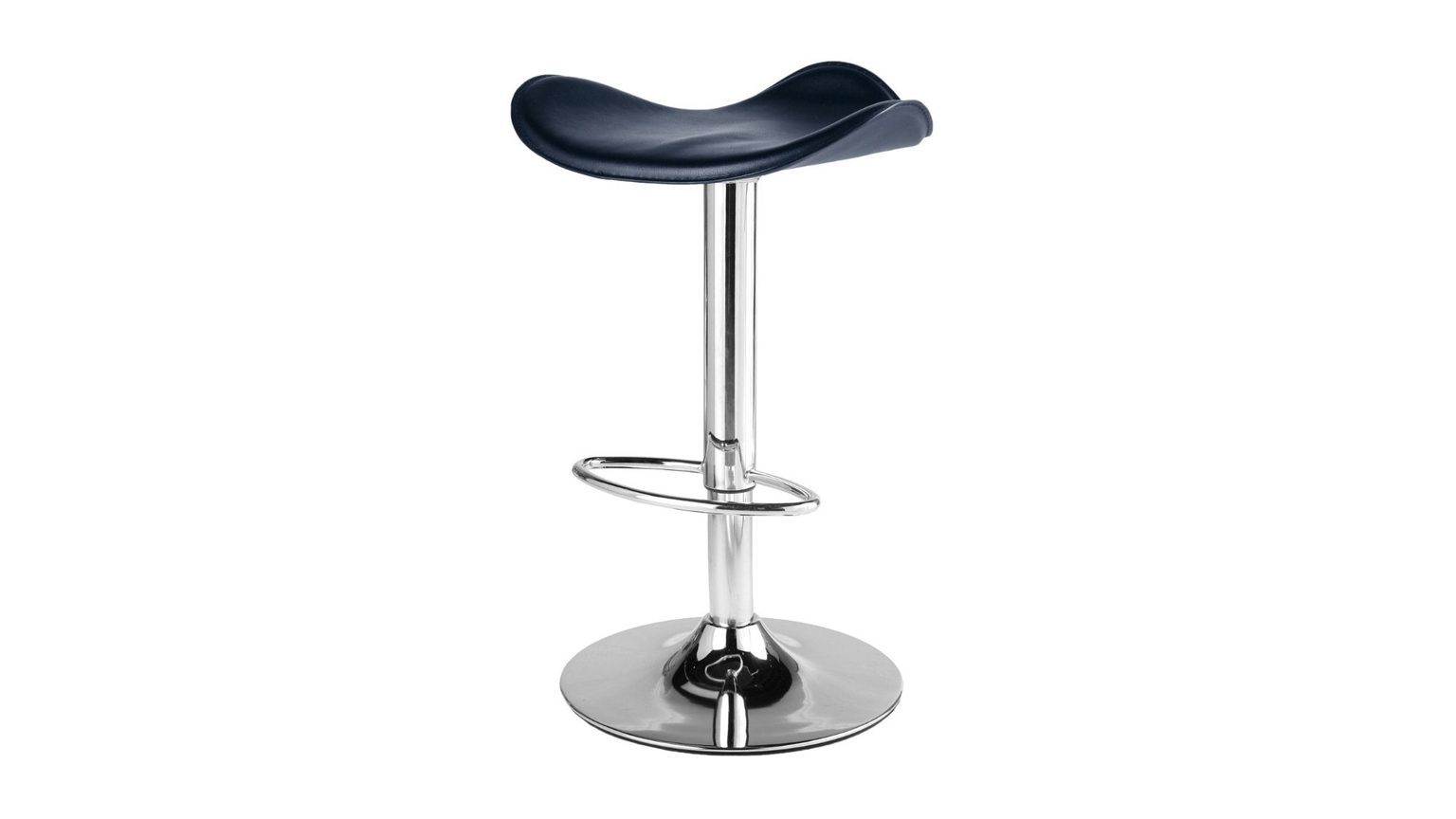
A season is the honest unit for cafe furniture. Not a year, not a warranty period, a season: the stretch from opening through the busiest months to the point where somebody looks at the room and decides whether it still reads as looked after. Stools that make it through one season looking new are a different product from stools that do not, and the difference is visible on a quote if anybody asks.
Cafe owners who have been through this once buy commercial bar stools against a short list of properties rather than against a photograph. The list is not long and none of it is expensive, which is what makes the failures so frustrating in retrospect.
Season One Is Where Everything Reveals Itself
Start with what actually happens over a busy season, because the failures are consistent.
Glides wear through, usually within months on a hard floor. Footrests scuff down to bare metal where every guest puts their feet. Seat edges chip where stools knock the counter. Joints loosen where people lean back on a stool that was never built to be leaned back on.
None of those is dramatic and all of them are cumulative. By the end of a season the run looks tired, and the owner concludes they bought badly rather than that they bought without asking four questions.
The Footrest Is the First Thing to Go
The first specific property is the footrest, and it takes more abuse than any other part of the stool.
Every guest puts both feet on it, every time, for the whole visit. That is continuous abrasion in one narrow band, and on a stool with a painted or lightly plated footrest the finish is gone within a season.
The specification that survives is a footrest with a wear-resistant surface, or better, a replaceable one. Some contract stools use a separate footrest ring that can be swapped for a few dollars. That is worth more over three years than almost any other feature.
Glides Are a Consumable, Not a Component
The second property is about maintenance rather than durability.
Glides wear out. That is their job. A cafe on a hard floor will go through them, and the only question is whether replacing them is a five-minute task or a new stool.
Field-replaceable glides in a standard size are the answer. Moulded-in glides mean the stool becomes noisy and starts scoring the floor, with no remedy short of replacement. Ask specifically, and ask what a replacement set costs, because a supplier who cannot answer is describing a consumable sold as an asset.
The other reason to care is noise. A worn glide is the loudest thing in a quiet cafe, and a run of eight stools scraping through a morning service is the complaint guests file under atmosphere.
The Finish Has to Meet Your Actual Chemistry
The third property is chemical and it is where most disappointment originates.
A cafe cleans with a specific sanitizer at a specific concentration, several times a day, on the seat and the counter edge. A powder coat with proper pre-treatment and stated thickness is essentially inert to that. One described only as durable frequently is not, and dulling starts within months.
Test methods maintained by ASTM cover coating adhesion, corrosion resistance and weathering, which is the language a supplier should be able to answer in. If the stools ever go outside, even seasonally, that becomes the whole conversation rather than a detail.
Cleanability Is a Seat Construction Question
The fourth property is about the seat itself.
An upholstered seat with a welt across the sitting area traps liquid in a channel no cloth reaches in one pass. A textured surface holds residue. Both look fine for a few months and then never look clean again regardless of effort.
Standards for food equipment describe surfaces that are smooth, non-absorbent and genuinely cleanable, and the principle transfers directly to seating in a room where people eat. A plain seat face with no seam across it is the specification, and it is a decision made once at order time.
The Documentation That Predicts a Second Season
The fifth property is the only one that is evidence rather than description.
Contract seating tested against the standards published by BIFMA has been through cyclic load, drop and stability sequences built to compress years of use into a laboratory program. A supplier either has a report number or does not.
That is not a guarantee of a service life. It separates products engineered against a defined load case from products that were styled and described as heavy duty, and over a season the two populations behave visibly differently.
The Five Questions Before Signing
For a cafe owner about to place a stool order:
- Is the footrest wear-resistant or replaceable, and what does a replacement cost
- Are the glides field-replaceable in a standard size, and are they stocked
- What is the coating thickness and pre-treatment, and has it been tested
- Does the seat have a seam or welt across the sitting area
- Is there a test report number covering strength and stability
- Will this model still be manufactured in three years, in this finish
What the Second Season Actually Shows
The useful thing about judging stools by the season is that it is a short enough period to learn from and long enough to be decisive.
A stool that looks new after one busy season will look acceptable after four, because the failure modes are cumulative rather than sudden. A stool that looks tired after one will look bad after two, and the owner will be replacing a run that was supposed to last a decade.
Nothing on the list above adds much to the purchase price. What it adds is an afternoon of asking questions that every supplier can answer and none of them volunteer. That afternoon is the entire difference between a room that ages well and a room that gets rebought.


Keep Exploring Zingyzon.com
Read more Zingyzon SEO, digital marketing, online earning, business, and technology guides for Australia, USA, and global readers.