
Drought Tolerant Ground Cover Alternatives: 16 Water-Wise Options
A traditional lawn can look attractive, but it often requires frequent watering, mowing, fertilizing, edging, and weed control. In dry […]
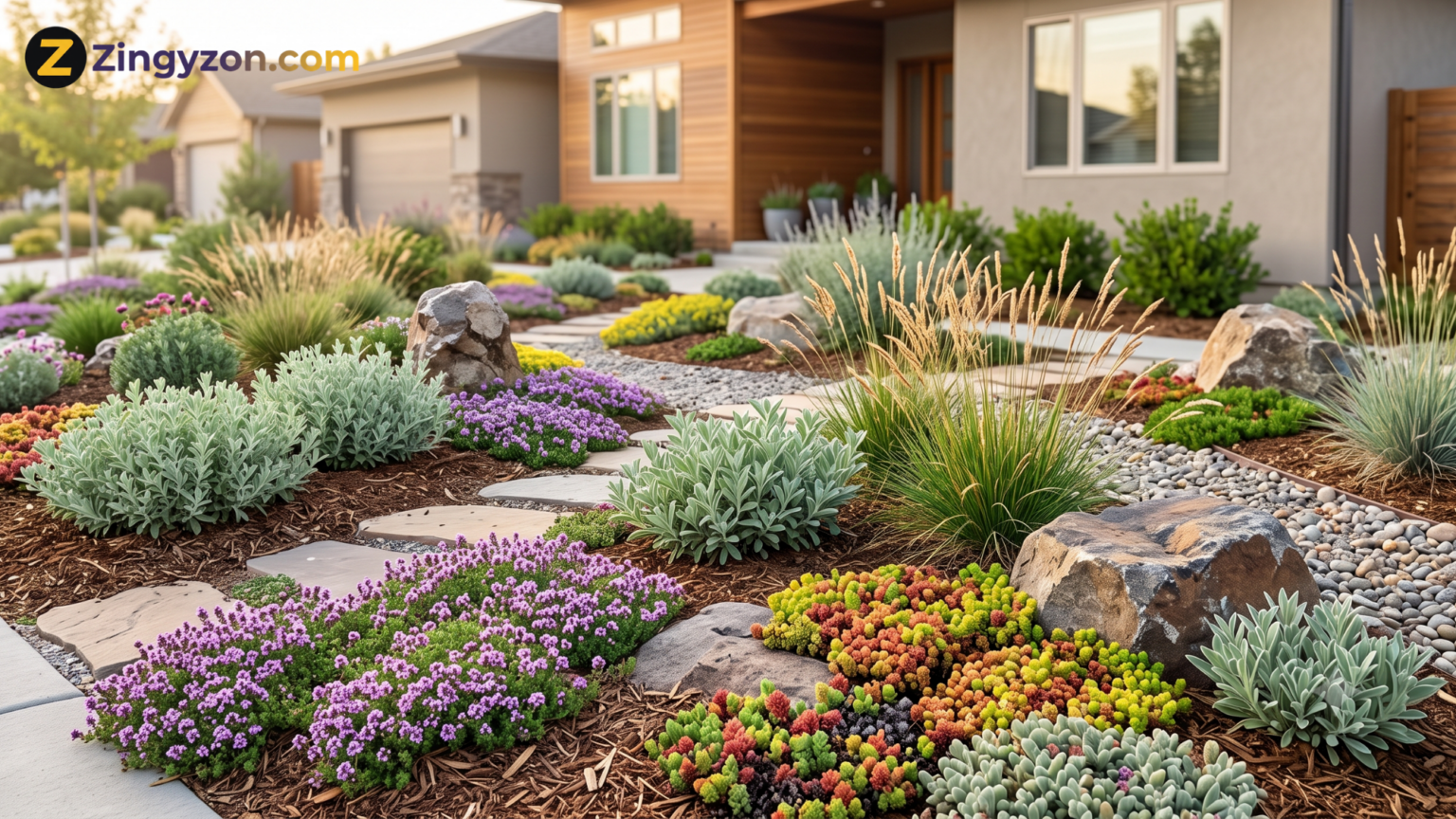
A traditional lawn can look attractive, but it often requires frequent watering, mowing, fertilizing, edging, and weed control. In dry climates or places affected by watering restrictions, maintaining large areas of turf may become expensive and difficult. Drought tolerant ground cover alternatives can provide color, texture, erosion control, and a finished landscape appearance while using less water once established.
The best choice depends on sunlight, soil, climate, drainage, foot traffic, and the level of maintenance you prefer. Some alternatives form living carpets, while others grow as low shrubs, succulents, ornamental grasses, or flowering mats. Non-plant materials such as gravel, mulch, and permeable pavers can also reduce the area requiring irrigation.
This guide covers practical drought tolerant ground cover alternatives, where they work best, and how to build a low-water landscape without making the yard look bare.
Why Replace Water-Hungry Lawn or Ground Cover?
Replacing lawn does not mean removing every green surface. The goal is to match each part of the landscape with a plant or material suited to its use.
A front slope may need spreading plants that help protect soil. A side yard may work better with gravel and stepping stones. A sunny strip beside a driveway may support succulents, while an area beneath open trees may need a shade-adapted ground cover.
Water-wise alternatives can reduce irrigation, mowing, edging, muddy patches, and maintenance. They may also add flowers, seasonal color, habitat, and texture. For more outdoor planning ideas, browse the Home & Garden guides on ZingyZon.
What to Check Before Choosing a Ground Cover
A plant described as drought tolerant is not suitable for every dry garden. Most plants need regular watering while establishing, and some tolerate drought only in particular soils or climates.
Sun Exposure
Full-sun plants may become weak in shade, while shade-tolerant options can burn in intense afternoon sun. Observe the location throughout the day before buying plants.
A garden that receives six or more hours of direct sunlight will generally support different plants from an area shaded by buildings, fences, or mature trees. Remember that sunlight conditions may also change between seasons.
Soil and Drainage
Many water-wise plants prefer fast-draining soil. Heavy clay that stays wet can damage roots, while very sandy soil may dry quickly around young plants. Correct serious drainage problems before planting.
You can improve some soils by adding suitable organic matter, but avoid creating a small pocket of heavily amended soil surrounded by compacted ground. Water may collect around the roots instead of draining away.
Climate and Winter Hardiness
A succulent suited to a warm coastal garden may not survive freezing winters. A hardy alpine ground cover may struggle in humid heat. Use local planting guidance and check the recommended hardiness range.
Also consider summer temperatures, rainfall patterns, wind exposure, and humidity. Drought tolerance does not always mean that a plant can tolerate extreme heat or prolonged humidity.
Foot Traffic
Most ground covers cannot handle the same activity as turf. In paths, play areas, or access routes, combine plants with pavers, gravel, or stepping stones.
Occasional stepping is very different from children playing, pets running, or people walking through the same route every day. Identify traffic patterns before installing delicate plants.
Growth Habit
Fast spread is useful on slopes, but aggressive plants may invade beds or natural areas. Check local invasive-species guidance before planting any vigorous ground cover.
Research the plant’s mature width, root system, self-seeding behavior, and ability to grow beneath edging. A plant that is easy to manage in one climate may behave differently in another.
1. Creeping Thyme
Creeping thyme is a popular choice for sunny, well-drained areas. It forms a low mat of tiny aromatic leaves and produces small flowers that may attract bees. Once established, it handles dry periods better than many conventional lawn grasses.
Use it between widely spaced stepping stones, along path edges, in rock gardens, or across small decorative areas. It tolerates occasional light stepping but is unsuitable for heavily used play spaces or wet soil.
Different varieties produce pink, purple, white, or red-toned flowers. Check the mature height because some varieties remain extremely low while others form a slightly taller flowering carpet.
Good drainage is particularly important during cool or wet weather. Avoid planting creeping thyme in low areas where rainwater remains around the roots.
2. Stonecrop Sedum
Low-growing sedums are useful in hot, sunny, dry locations. Their succulent leaves store moisture, and different varieties offer green, blue-green, bronze, red, or variegated foliage.
Sedum works beside driveways, on banks, around rocks, in shallow soil, and along patio edges. It prefers good drainage and limited foot traffic.
Some low sedums produce clusters of small star-shaped flowers that add seasonal color. Their foliage can also change color in response to temperature, sunlight, or seasonal conditions.
When mixing varieties, repeat a few compatible selections rather than combining plants with very different growth rates. Vigorous types may otherwise overwhelm slower-growing plants.
3. Ice Plant
Ice plant creates a succulent carpet and may produce vivid, daisy-like flowers. It performs well in hot, exposed locations where leafy ground covers can struggle.
Plant it on sunny slopes, in rock gardens, along retaining walls, or near heat-reflecting hardscape. The flowers are available in bright shades such as pink, purple, orange, yellow, and red, depending on the species.
Ice plant needs fast-draining soil and may fail in cold, wet winters. Avoid placing it where irrigation from nearby lawns keeps the soil continuously moist.
Several species share the common name “ice plant,” and some can spread aggressively in particular regions. Verify the exact botanical name and its local suitability before purchasing.
4. Creeping Phlox
Creeping phlox forms a dense, low mound covered with spring flowers. It suits sunny banks, rock gardens, wall edges, and the front of dry borders.
After flowering, its needle-like foliage continues to cover the soil. Flower colors commonly include white, pink, lavender, purple, and combinations with contrasting centers.
Creeping phlox prefers good drainage and may need occasional deep watering during prolonged drought. It can look especially effective when several plants are repeated across a slope or allowed to soften the top of a wall.
Use it for decorative coverage rather than walking areas. Space plants according to their mature width instead of crowding them closely for immediate coverage.
5. Prostrate Rosemary
In mild climates, low-growing rosemary can serve as an aromatic ground cover or trailing shrub. Its evergreen leaves and small flowers look attractive over walls, slopes, and raised beds.
It can also be planted near patios or paths where its fragrance can be appreciated. The flowers may attract bees and other beneficial visitors when environmental conditions are suitable.
Prostrate rosemary requires full sun and excellent drainage and should not be placed in waterlogged soil. It may struggle in regions with severe winter cold.
This plant becomes taller than a true carpet-forming ground cover. Allow enough space for its spreading branches, and prune lightly when necessary to maintain the desired shape.
6. Creeping Juniper
Creeping juniper is a low evergreen conifer suited to sunny banks, broad slopes, and large low-maintenance areas. Cultivars are available in green, blue-green, and silvery tones.
Its spreading branches can create dependable year-round structure in landscapes where flowering ground covers would disappear during winter. Some cultivars also develop bronze or purple tones in colder weather.
Once established, creeping juniper tolerates dry conditions, but new plants still require careful watering. It performs best in soil that does not remain wet.
It is not suitable for foot traffic and can trap leaves beneath its branches. Choose a variety according to mature width and avoid planting too closely.
7. Bearberry
Bearberry, also called kinnikinnick in some regions, is a low evergreen shrub with small leaves, spring flowers, and red berries. It can suit slopes, naturalistic borders, and open woodland-style landscapes where the climate and soil are appropriate.
Its trailing branches gradually spread across the soil, creating a natural appearance rather than a perfectly uniform carpet. Bearberry may be particularly useful where a locally native selection is available.
It generally prefers good drainage and may dislike rich, heavily fertilized soil. Conditions that are too wet, humid, or heavily shaded may produce disappointing growth.
Bearberry can establish slowly, making it a better choice for gardeners who accept gradual coverage instead of expecting immediate results.
8. Dymondia
Dymondia, often called silver carpet, forms a low mat of narrow green and silver leaves. It is commonly used between pavers and in small lawn-replacement areas in warm, dry climates.
Small yellow flowers may appear close to the foliage. The silver undersides of the leaves can become visible when wind or footsteps move the plant, creating an attractive two-tone effect.
Dymondia may tolerate occasional stepping after establishment, but heavy traffic can create thin or bare patches. Use solid pavers along the primary walking route.
The plant is sensitive to severe winter cold and needs more consistent moisture while its root system develops. It should be treated as a climate-specific option rather than a universal ground cover.
9. Lamb’s Ear
Lamb’s ear is valued for soft, silver-gray foliage that contrasts with green plants. It grows in spreading clumps and can cover dry soil along sunny borders.
The pale foliage reflects light and works well in Mediterranean, cottage, gravel, or silver-themed gardens. Flowering stems may appear above the leaves during the growing season.
High humidity, wet soil, or poor airflow may cause the fuzzy leaves to decline. Remove damaged foliage and avoid overhead watering where disease is a regular concern.
Lamb’s ear is not designed for foot traffic. It works best as textured edging, a massed ornamental planting, or a transition between taller plants and hardscape.
10. Yarrow
Low-growing or mowable yarrow can be used in naturalistic lawns and meadow-style landscapes. Its fine foliage stays attractive, while flower stems support beneficial insects when allowed to bloom.
A yarrow lawn normally looks softer and less formal than conventional turf. This makes it more appropriate for relaxed landscapes than highly manicured garden designs.
Yarrow handles sunny sites and relatively lean soil, but it may need occasional mowing, trimming, or control near formal beds. Flowering can be reduced when the planting is regularly mowed.
Choose a locally appropriate species or seed mix. Some selections spread more quickly than others, so check mature growth before installation.
11. Buffalo Grass
Buffalo grass is a warm-season turf alternative for suitable regions with hot summers and relatively low rainfall. It produces a lawn-like surface while generally requiring less water and mowing than many traditional grasses.
It can be a useful option for homeowners who want the appearance of grass without maintaining a highly irrigated lawn. However, performance depends heavily on the regional climate.
Buffalo grass needs full sun and may thin in shade or under heavy traffic. It may not be suitable for areas that remain wet or receive frequent irrigation.
The grass can turn tan during dormancy, which is a normal seasonal response. Follow regional guidance for establishment timing, weed control, and cultivar selection.
12. Native Sedge or Bunchgrass Mixes
Native sedges and low bunchgrasses can replace lawn where a meadow-like appearance is acceptable. They add movement, texture, and habitat while reducing the need for a perfectly clipped surface.
Some sedges grow in soft, flowing clumps, while bunchgrasses produce more upright forms. Repeating a limited number of species creates a more organized appearance than planting many unrelated grasses.
Some sedges prefer shade or moderate moisture, while certain bunchgrasses handle dry sun. Select species adapted to conditions similar to those in your yard.
Add paths through larger plantings and cut back old growth when appropriate for the selected plants. Avoid assuming that every locally native grass is suitable as a low ground cover.
13. Gravel and Decorative Stone
A ground cover does not need to be alive. Gravel can create a clean, low-water surface in side yards, around stepping stones, beneath dry-climate shrubs, or wherever plant roots would struggle.
Gravel is available in different sizes, textures, and natural colors. Select a material that coordinates with the house, nearby paving, retaining walls, and the surrounding landscape.
Angular gravel generally remains more stable than rounded material. Install suitable edging and prepare the base to slow mixing with soil.
Gravel can become hot in strong sun and should not be piled against trunks or plant crowns. It also needs occasional raking and weed removal.
For ideas on combining stone, paths, edging, and planted areas, read this guide to contemporary hardscaping materials.
14. Organic Mulch
Wood chips, bark, shredded leaves, and other organic mulches cover bare soil, reduce evaporation, moderate soil temperature, and create a finished appearance while new plants establish.
Mulch is useful beneath shrubs, around trees, and in irregular areas where a living ground cover would compete with established roots. It can also cover gaps between young drought-tolerant plants until they grow wider.
Keep mulch away from trunks, stems, and plant crowns. Piling mulch against a tree trunk or building material can trap unwanted moisture.
Organic mulch decomposes and needs replenishment, but this process can gradually add organic matter to the soil. Choose a locally available material without introducing weed seeds or diseased plant debris.
15. Permeable Pavers With Planted Joints
Permeable pavers reduce irrigated area while creating a stable route through the landscape. Depending on the system, joints can contain gravel or low-growing plants.
This solution works for garden paths, utility access, lightly used seating areas, and transitions between patios and beds. It is especially helpful where a fully planted surface would not tolerate regular traffic.
Proper base preparation is essential for stability and drainage. The correct installation method depends on the paver system, soil, expected load, and local rainfall.
Where joints are planted, choose species that tolerate reflected heat, shallow root space, and occasional stepping. Keep the heaviest traffic on solid surfaces.
16. A Mixed Water-Wise Design
In many yards, the strongest alternative is a combination rather than one plant. A mixed design may use creeping thyme beside stepping stones, sedum on a sunny bank, gravel in a side yard, mulch beneath shrubs, and native grasses in an open section.
This method allows each part of the landscape to receive a material suited to its sunlight, soil, drainage, and use. It also reduces the risk of losing an entire planting when one species fails.
Repeat a limited palette for a cohesive appearance. For example, use the same gravel in several areas or repeat one flowering ground cover beside multiple paths.
Clear edging between gravel, mulch, turf, and planted surfaces makes the design look intentional and can reduce future maintenance.
Best Alternatives for Different Landscape Conditions
Full Sun and Heat
Consider creeping thyme, low sedum, ice plant, prostrate rosemary, creeping juniper, yarrow, buffalo grass, or gravel.
The final choice should reflect winter temperatures, summer heat, soil drainage, and the amount of reflected heat coming from nearby walls or pavement.
Slopes
Creeping juniper, bearberry, creeping phlox, selected native grasses, and massed low shrubs can help protect exposed soil.
Plant roots alone may not solve serious erosion or structural problems. Steep, unstable, or rapidly eroding slopes may require professional assessment before planting or excavation.
Light Foot Traffic
Dymondia, creeping thyme, mowable yarrow, and planted paver joints may tolerate occasional stepping.
Add solid stepping surfaces wherever traffic is frequent. People naturally follow the easiest route, so place paths where they are actually needed rather than where they only look attractive on a plan.
Shade
Drought tolerance in shade can be complicated because tree roots compete for moisture. Regionally appropriate sedges, selected native ground covers, organic mulch, or a simple path may be more reliable than sun-loving carpet plants.
Avoid adding large amounts of soil over established tree roots. Changes in soil depth or drainage can damage mature trees.
Large Areas
Buffalo grass, native grass mixes, creeping juniper, mulch beneath widely spaced shrubs, or planted islands divided by gravel can be more economical than installing hundreds of small plants.
Divide a large area into manageable zones and begin with the most visible or difficult section. This allows you to evaluate plant performance before expanding the project.
How to Establish Drought-Tolerant Ground Cover
Even drought-tolerant plants need care during establishment. Remove persistent weeds, correct drainage problems, and loosen compacted soil when appropriate.
Eliminate weeds before planting instead of expecting the new ground cover to smother them immediately. Perennial weeds can grow through young plants and become difficult to remove later.
Place plants according to mature size rather than crowding them for instant coverage. Close spacing produces faster results but increases cost and may create poor airflow.
Water deeply after planting and continue according to the species, weather, and soil. Reduce frequency gradually as roots expand.
Frequent shallow watering can encourage shallow rooting, while neglect during establishment can cause plant loss. Check moisture below the surface instead of judging conditions only by appearance.
A light mulch may suppress weeds between young plants. Keep mulch away from the crowns of succulents and other plants that require dry airflow.
Inspect the area regularly and remove weeds before they produce seed. Replace dead plants early so weeds do not occupy the open spaces.
Designing an Attractive Low-Water Landscape
A water-wise yard can look lush when it includes layers, repetition, and clearly defined spaces. Begin with a limited palette of three to five main plants instead of collecting many unrelated species.
Repeat foliage colors and plant shapes throughout the design. Combine fine grasses with broad or succulent leaves, but avoid making every section visually busy.
Use taller plants toward the back of beds and low ground covers along paths or edges. Allow spreading plants enough room to display their natural growth habit.
Hardscape should support the planting rather than overwhelm it. A gravel path, a few large stones, or a restrained paver pattern can make plant groups feel intentional.
Edging creates a clear boundary and helps prevent loose materials from spreading into beds, lawns, or walkways. Choose an edging material that complements the surrounding design.
Include flowering plants with different bloom periods. This provides seasonal interest and can support pollinators without turning the yard into a high-water garden.
Watering a Low-Water Landscape
Drought-tolerant landscaping reduces water use only when irrigation is managed correctly. Watering every plant on the same schedule may waste water and damage species that prefer dry soil.
Group plants with similar water requirements together. This allows one irrigation zone to serve plants that need comparable moisture.
Deep, less frequent watering is generally more useful for established drought-tolerant plants than frequent surface sprinkling. However, the correct schedule depends on soil, climate, plant type, and season.
Check irrigation equipment for leaks, blocked emitters, and overspray onto paths. Adjust the system as plants mature because established ground covers may need less frequent irrigation than new plantings.
Avoid watering automatically after rainfall. A moisture check or weather-responsive controller can help prevent unnecessary irrigation.
Common Mistakes to Avoid
The first mistake is assuming “drought tolerant” means “never water.” New plants usually require regular moisture until their roots establish.
Another problem is choosing by appearance without checking climate and drainage. A ground cover can fail quickly in heavy wet soil, deep shade, extreme cold, or humid heat.
Avoid planting aggressive species across the entire yard. Research local invasive-plant guidance, especially before using a fast spreader near natural areas.
Do not rely on delicate plants for a primary walking route. Use pavers, gravel, or stepping stones for circulation and reserve living ground covers for the surrounding spaces.
Avoid placing several plants with very different watering needs on the same irrigation line. The schedule that keeps one species healthy may overwater or dry out another.
Do not expect immediate coverage from widely spaced young plants. Use mulch and regular weed control while the planting fills in.
Finally, avoid covering every surface with rock. A balanced low-water yard can still include flowers, shade, living soil, wildlife habitat, and seasonal change.
Frequently Asked Questions
What Is the Most Drought-Tolerant Ground Cover?
There is no universal best choice. Low sedums, creeping thyme, creeping juniper, selected native plants, and gravel-based designs are strong options when matched to suitable conditions.
What Can I Use Instead of Grass in a Dry Yard?
Options include low ground covers, buffalo grass, native grass mixes, mulch, gravel, stepping stones, permeable pavers, or a combination of these materials.
The right choice depends on whether the area is used for walking, playing, decoration, drainage, or erosion control.
Can Drought-Tolerant Ground Covers Be Walked On?
Some tolerate occasional light stepping, but few can handle heavy daily traffic. Create solid paths through planted areas.
Plants growing between pavers generally perform better when most body weight remains on the paving surface.
How Long Does Ground Cover Take to Fill In?
Timing depends on the species, starting plant size, spacing, climate, soil, and care. Fast growers may begin joining within one season, while slow shrubs can need several years.
Do not reduce spacing below recommendations simply to achieve an immediate finished appearance.
Will Ground Cover Stop All Weeds?
No. Dense coverage can reduce open soil, but weed control is still necessary during establishment and whenever new seeds arrive.
Removing weeds before planting and applying suitable mulch can reduce future work.
Is Gravel Better Than Living Ground Cover?
Gravel requires no irrigation and works well for paths or narrow spaces. Living plants can cool soil, add flowers, soften hard surfaces, and provide habitat.
A combination often performs better than either option alone.
What Is the Best Ground Cover for a Sunny Slope?
Creeping juniper, creeping phlox, sedum, ice plant, bearberry, and selected native grasses may be suitable, depending on climate and soil.
Very steep or unstable slopes may need engineered erosion control rather than plants alone.
Can I Replace My Entire Lawn With Ground Cover?
It is possible, but one plant may not suit every part of the yard. A mixed design with paths, planted zones, gravel, mulch, and a smaller lawn area is often more practical.
Final Thoughts
The most effective drought tolerant ground cover alternatives are selected for the actual site. A sunny slope, shaded tree bed, narrow side yard, and frequently used path should not all receive the same treatment.
Begin by identifying light, soil, drainage, climate, and traffic. Then choose a small group of suitable plants and hardscape materials.
Creeping thyme, sedum, creeping juniper, yarrow, native grasses, gravel, mulch, and permeable pavers can all contribute to a lower-water yard when used correctly.
Replace lawn gradually if a complete redesign feels overwhelming. Start with a dry corner, difficult slope, or narrow strip that is already hard to maintain.
Observe the result through different seasons before expanding. Notice which plants remain healthy, which areas collect water, and where people naturally walk.
A water-wise landscape does not need to look empty or harsh. Repeated textures, defined paths, seasonal flowers, and correctly spaced plants can create an intentional, colorful, and welcoming yard.
More practical home, garden, and outdoor ideas are available at zingyzon.com
Keep Exploring Zingyzon.com
Read more Zingyzon SEO, digital marketing, online earning, business, and technology guides for Australia, USA, and global readers.