
5 Tips – Choosing the Right Honda in Pinehurst for Your Needs
Choosing the right Honda in Pinehurst starts with understanding how the vehicle will fit your daily life. A compact Civic […]
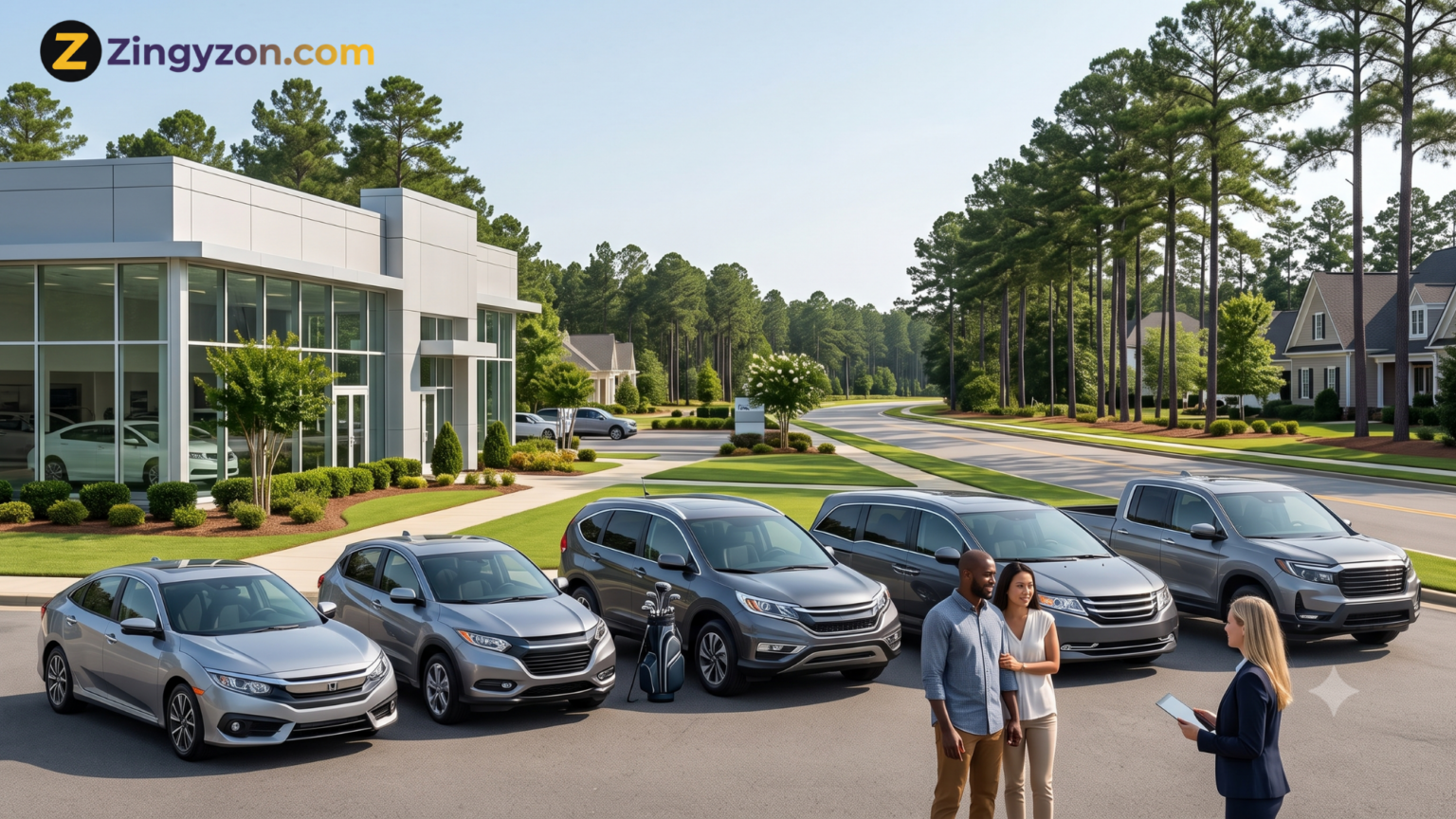
Choosing the right Honda in Pinehurst starts with understanding how the vehicle will fit your daily life. A compact Civic may suit a commuter who values fuel efficiency, while a CR-V can provide additional cargo space for family errands and weekend activities. Larger households may prefer the Pilot or Odyssey, while buyers who occasionally carry equipment could consider the Ridgeline.
The right decision is not simply about selecting the newest model or the most expensive trim. You need to compare passenger space, driving comfort, fuel use, safety technology, cargo capacity, financing, and long-term ownership costs.
Pinehurst-area buyers may use their vehicles for short local journeys, daily commuting, family trips, golf outings, shopping in nearby communities, and longer drives across North Carolina. Your vehicle should therefore feel comfortable in town while remaining practical for highways and weekend travel.
The following five tips will help you compare your options and choose a Honda that matches your budget, lifestyle, and future needs.
Tip 1: Define How You Will Use Your Honda
Before comparing models, write down what you expect the vehicle to do. This prevents attractive styling or optional technology from distracting you from your actual requirements.
Begin by considering your normal weekly routine.
Ask yourself:
- How many people regularly travel with me?
- Do I transport children, older relatives, clients, or pets?
- How far is my usual commute?
- Do I frequently carry sports equipment, luggage, or large purchases?
- Will I need all-wheel drive?
- Do I prefer a sedan, SUV, minivan, or pickup?
- How long do I plan to keep the vehicle?
- Will my household needs change over the next few years?
A vehicle that feels perfect during a short showroom visit may become inconvenient if the cargo area is too small or the rear seats are difficult to access.
Honda Civic for Commuting and Everyday Driving
The Honda Civic is a strong starting point for individuals, couples, students, and commuters who want a compact vehicle. It is easier to maneuver and park than a large SUV while still providing useful passenger space.
Honda currently offers the Civic Sedan with gasoline and hybrid options. The hybrid version uses a 200-horsepower powertrain, while Honda lists fuel-economy ratings of up to 50 mpg city and 47 mpg highway for relevant hybrid trims. Actual mileage depends on the configuration, road conditions, maintenance, and driving behavior.
The Civic Hatchback may be more practical for buyers who like the Civic’s size but want a wider cargo opening.
Honda HR-V for Compact SUV Buyers
The HR-V suits buyers who prefer a higher seating position and flexible cargo space without moving to a large SUV. The current model provides seating for five, a split-folding second row, and available all-wheel drive. Honda Sensing safety and driver-assistance technology is included across the current trim range.
It can be a practical option for a single driver, young family, or couple who occasionally carries luggage, shopping, or recreational equipment.
Honda CR-V for Versatility
The CR-V is one of the most balanced choices for buyers who need more space than a compact car but do not require a three-row SUV.
Current CR-V configurations include gasoline and hybrid powertrains, available all-wheel drive, fold-down rear seats, and Honda Sensing technology. The hybrid powertrain is rated at 204 horsepower, and selected configurations offer strong city fuel economy.
The CR-V may suit families, pet owners, frequent travelers, and buyers who want one vehicle for commuting and weekend use.
Honda Pilot or Odyssey for Larger Families
The Pilot is a three-row SUV designed for families that need greater passenger capacity, towing ability, and available all-wheel drive. The current Pilot uses a 285-horsepower V6 engine and can tow up to 5,000 pounds when properly equipped.
The Odyssey is worth considering when passenger access and family convenience are more important than SUV styling. It offers sliding side doors, flexible Magic Slide second-row seats, and family-focused features such as CabinTalk on selected trims.
Do not dismiss a minivan without testing it. Sliding doors and a low step-in height can be particularly useful when installing child seats or assisting older passengers.
Honda Ridgeline for Work and Recreation
The Ridgeline combines a pickup bed with a cabin that drives more like a crossover than a traditional body-on-frame truck.
Current models use a 280-horsepower V6, standard all-wheel-drive technology, a dual-action tailgate, and a lockable in-bed trunk. Honda lists a towing capacity of up to 5,000 pounds when the vehicle is properly equipped.
It may suit homeowners, outdoor enthusiasts, and buyers who occasionally transport equipment but do not need a full-size work truck.
Tip 2: Set a Complete Ownership Budget
The purchase price is only one part of the cost of owning a vehicle. A realistic budget should include both the initial transaction and the expenses you will face after leaving the dealership.
Calculate the likely costs of:
- Down payment
- Monthly loan or lease payment
- Interest charges
- Sales tax and registration
- Insurance
- Fuel
- Routine maintenance
- Tires
- Repairs
- Parking or tolls
- Optional accessories
A lower monthly payment does not always mean a better deal. Extending the loan term may reduce each payment but increase the total interest paid.
Ask for the vehicle’s complete out-the-door price rather than discussing only the monthly payment. The out-the-door figure should show the selling price, dealer charges, taxes, registration costs, accessories, and any other fees.
Compare Gasoline and Hybrid Models
A hybrid may reduce fuel use, but it can also have a higher initial price. Estimate your annual mileage and compare the likely fuel savings with the price difference.
Drivers who cover many miles in city or mixed conditions may benefit more from a hybrid than someone who drives only occasionally. Current Civic and CR-V lineups both include hybrid options, giving buyers alternatives without requiring them to move to a completely different body style.
Do not base the decision on fuel economy alone. Compare cargo capacity, trim features, insurance quotes, availability, and financing offers as well.
New, Used, or Certified Pre-Owned?
A new Honda provides the latest features, a full new-vehicle warranty, and the ability to choose a preferred trim and color. However, a used model may offer a lower purchase price.
Certified pre-owned vehicles can sit between these options. They typically undergo manufacturer-defined inspections and may include additional warranty coverage, but buyers should read the specific program terms carefully.
Regardless of category, obtain a vehicle-history report, review service records, inspect the car, and arrange an independent mechanical evaluation when appropriate.
Prices, incentives, inventory, and financing rates can change frequently. Confirm current figures directly with the seller before making a decision.
Tip 3: Compare Size, Comfort, and Practical Features
Online specifications are useful, but they cannot tell you whether a seat feels comfortable or a cargo area fits your belongings.
Visit a nearby Pinehurst Honda dealer and compare more than one model in person. Leith Honda Aberdeen is located in nearby Aberdeen and lists new and used Honda sales, service, and parts at its US 15-501 location.
Bring the people and equipment that normally travel with you when practical.
Check Passenger Comfort
Sit in every seating row you expect to use. Adjust the driver’s seat to your normal position, then sit behind it to assess rear legroom.
Check:
- Headroom
- Seat support
- Door-opening width
- Step-in height
- Visibility
- Armrest position
- Rear-seat air vents
- Child-seat access
- Ease of entering the third row
A three-row vehicle may technically have enough seats, but the third row may not suit every adult passenger. Compare the Pilot and Odyssey directly when carrying six or more people is a regular requirement.
Test the Cargo Area
Open the liftgate or trunk and examine the shape of the loading area. Published cargo volume does not always reveal whether wide, tall, or awkwardly shaped items will fit.
Consider bringing measurements for:
- Golf bags
- Strollers
- Wheelchairs or mobility devices
- Pet carriers
- Luggage
- Bicycles
- Work equipment
- Large shopping items
Fold and raise the rear seats yourself. A flexible cargo system is only useful when it is simple enough to operate regularly.
Choose Features You Will Actually Use
Modern vehicles offer long lists of optional features. Separate genuine needs from attractive extras.
Useful features may include:
- Blind-spot monitoring
- Parking sensors
- Heated seats
- Wireless phone integration
- Power liftgate
- All-wheel drive
- Remote start
- Leather or easy-clean seating
- Additional USB ports
- Rear-seat monitoring
- Trailer equipment
Current CR-V trims can offer wireless Apple CarPlay and Android Auto, available all-wheel drive, and power-tailgate options. Higher Pilot trims add features such as a panoramic moonroof, multiview camera, head-up display, and ventilated front seats.
Paying for a higher trim can be worthwhile when it includes several features you value. It makes less sense when you are upgrading for one cosmetic detail.
Tip 4: Take a Purposeful Test Drive
A test drive should reproduce your normal driving conditions as closely as possible. Driving slowly around the dealership block may not reveal road noise, seat discomfort, transmission behavior, or highway performance.
Ask for enough time to evaluate the car properly.
During the test drive, assess:
- Driver visibility
- Steering response
- Braking feel
- Acceleration
- Ride comfort
- Cabin noise
- Turning radius
- Parking ease
- Camera clarity
- Control placement
- Climate-control performance
- Infotainment usability
Drive over different road surfaces when possible. Include local streets, curves, stop-and-go traffic, and a faster road.
Test Technology Before Buying
Connect your phone and test Apple CarPlay or Android Auto. Try the navigation, audio controls, voice commands, charging ports, and steering-wheel buttons.
Technology that appears impressive in a brochure may feel distracting or complicated during daily use.
Also ask the salesperson to explain the Honda Sensing features. These systems can assist the driver, but they do not replace attentive driving. Understand how alerts appear, how settings are changed, and under what conditions each feature operates.
Compare Models Back to Back
Drive your two leading choices on the same day when possible. Direct comparison makes differences easier to notice.
For example, test the HR-V and CR-V consecutively if you are uncertain about size. Compare the CR-V Hybrid with a gasoline version when fuel economy and responsiveness matter. Drive the Pilot and Odyssey when family space is the main priority.
Write down your impressions immediately after each drive. It is easy for details to blend together after several vehicles.
Tip 5: Evaluate the Dealer and Long-Term Support
You are not only choosing a vehicle; you are also selecting a business that may handle financing, scheduled maintenance, warranty questions, parts, and future repairs.
A good dealership should answer questions clearly without pressuring you into an immediate decision.
Before buying, ask about:
- Warranty coverage
- Included maintenance
- Service scheduling
- Loaner or shuttle availability
- Parts availability
- Financing conditions
- Return or exchange policies
- Dealer-installed accessories
- Documentation fees
- Trade-in valuation
- Certified pre-owned coverage
Request all promises in writing. Verbal statements about free services, accessories, repairs, or warranty coverage can be difficult to prove later.
Research the Specific Vehicle
For a used Honda, review the vehicle identification number, service history, accident records, title status, open recalls, tire condition, and remaining brake life.
Do not assume that every used vehicle at a franchised dealership is certified. Ask whether it is officially certified, what inspection was completed, and which warranty applies.
For a new vehicle, inspect the exact car before signing. Confirm the trim, drivetrain, color, mileage, accessories, keys, and window-sticker information.
Think Beyond the Purchase Day
A model that meets your present needs should ideally remain practical for several years.
Consider whether you may:
- Add another family member
- Begin a longer commute
- Work from home
- Tow a trailer
- Carry more sports equipment
- Need easier passenger access
- Move to a different home
- Keep the vehicle after the loan is repaid
Buying significantly more vehicle than you need can increase fuel, insurance, and financing costs. Buying too little may force you to replace it sooner.
The best choice leaves reasonable room for future changes without creating unnecessary expense today.
For additional automotive, technology, home, and lifestyle guidance, visit Zingyzon.
Quick Honda Model Selection Guide
Choose the Civic when fuel economy, commuting, and compact dimensions are priorities.
Choose the HR-V when you want an affordable compact SUV with flexible seating and available all-wheel drive.
Choose the CR-V when you need a balanced family vehicle with additional cargo space and available hybrid efficiency.
Choose the Pilot when you regularly carry more passengers, need three rows, or expect to tow.
Choose the Odyssey when child access, passenger comfort, sliding doors, and maximum family practicality matter most.
Choose the Ridgeline when you need an open pickup bed, towing capability, and a comfortable everyday cabin.
Frequently Asked Questions
What is the best Honda for daily driving in Pinehurst?
The Civic, HR-V, and CR-V are strong everyday options. The Civic suits commuters, the HR-V offers compact SUV practicality, and the CR-V provides more passenger and cargo space.
Which Honda is best for a family?
The CR-V can suit smaller families, while the Pilot and Odyssey offer more seating. The Odyssey may be particularly convenient for young children because of its sliding doors.
Should I buy a Honda hybrid?
A hybrid may be worthwhile when you drive frequently and value better fuel economy, particularly in city or mixed driving. Compare the purchase price, annual mileage, insurance, and expected fuel savings.
Is all-wheel drive necessary in Pinehurst?
Not every driver needs it. Available all-wheel drive may be valuable for buyers who travel in poor weather, use unpaved roads, or prefer additional traction. Front-wheel drive may cost less and be sufficient for normal paved-road use.
Is a test drive really necessary?
Yes. A test drive helps you evaluate comfort, visibility, noise, control layout, acceleration, braking, and parking in ways that specifications cannot show.
Should I choose a new or used Honda?
A new Honda offers the latest features and full warranty coverage. A used Honda may reduce the purchase price. Compare condition, mileage, service history, warranty, financing, and total cost rather than focusing only on age.
Final Thoughts
Choosing the right Honda in Pinehurst becomes easier when you begin with your actual needs rather than a specific model or monthly payment.
Define how many passengers you carry, how much cargo space you need, where you drive, and how long you plan to keep the vehicle. Establish a complete ownership budget, compare body styles, inspect practical features, and test-drive your leading options under realistic conditions.
The Civic, HR-V, CR-V, Pilot, Odyssey, and Ridgeline serve different types of drivers. No single Honda is best for everyone.
A careful comparison will help you find a vehicle that is comfortable today, affordable to own, and practical enough to support your plans for the years ahead.



Keep Exploring Zingyzon.com
Read more Zingyzon SEO, digital marketing, online earning, business, and technology guides for Australia, USA, and global readers.