
10 Best Rain Garden Plants for Wet Yards
A wet, soggy area in your yard can quickly become muddy, difficult to mow, and unattractive. Instead of fighting the […]
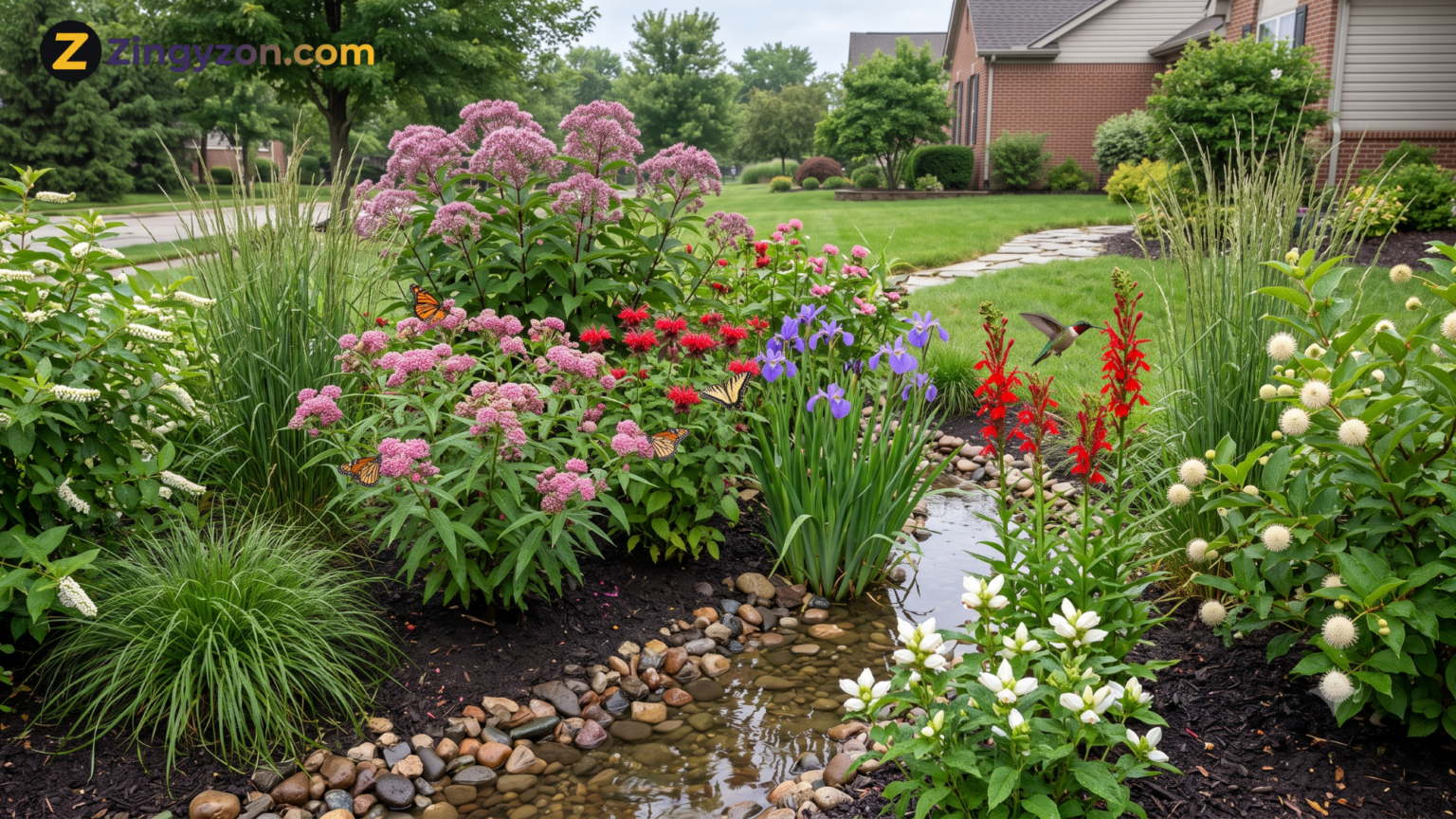
A wet, soggy area in your yard can quickly become muddy, difficult to mow, and unattractive. Instead of fighting the water with constant drainage repairs, turn that low spot into a beautiful rain garden. The right rain garden plants absorb temporary runoff, help slow erosion, support pollinators, and bring color to places where ordinary garden plants often struggle.
This guide covers ten of the best rain garden plants for wet yards, plus practical tips for choosing, placing, and maintaining them. Because climate and native ranges differ, always confirm that a plant is suitable for your region before buying it.
What Is a Rain Garden?
A rain garden is a shallow planted depression that collects rainwater flowing from roofs, driveways, patios, lawns, or other hard surfaces. Instead of letting that water rush into a street or storm drain, the garden holds it temporarily and allows it to soak into the soil.
A correctly designed rain garden is not a permanent pond. It should normally drain within about 24 to 48 hours after rainfall. This wet-and-dry cycle means the best plants must handle short periods of saturated soil as well as drier conditions between storms.
If you are improving more than one part of your outdoor space, these DIY patio makeover projects can help you connect a rain garden with nearby seating, paths, containers, and lighting.
How to Choose Plants for a Wet Yard
Do not choose plants only because they are labeled “moisture loving.” Some wetland plants need constantly wet soil and may fail when a rain garden dries out. Look for adaptable species that tolerate temporary standing water and normal garden moisture.
Check the site’s sunlight, soil type, water depth, mature plant size, and local climate. The center of a rain garden stays wet longer than the slopes and rim, so it should contain the most moisture-tolerant plants. Use adaptable perennials on the slopes and plants that prefer average soil around the upper edge.
Native plants are often a smart choice because they are usually well suited to regional weather and can provide food or habitat for local insects and birds. However, native status differs by location, so verify each species before planting.
1. Swamp Milkweed
Swamp milkweed is one of the best rain garden plants for sunny wet yards. It produces clusters of pink to mauve flowers in summer and attracts butterflies, bees, and other beneficial insects. In areas where it is native, it also serves as a host plant for monarch butterfly caterpillars.
Despite its name, swamp milkweed does not need permanent standing water. It performs well in moist soil and can tolerate the temporary saturation found in a properly built rain garden. Once established, its deep roots also help it survive short dry periods.
Plant it in full sun near the center or lower slope. Because it can grow several feet tall, place it behind shorter plants.
Best for: Full sun, pollinator gardens, lower or middle zones.
2. Blue Flag Iris
Blue flag iris brings upright foliage and blue-violet flowers to wet garden areas. It naturally grows near marshes, wet meadows, ponds, and stream edges, making it a strong choice for the lower part of a rain garden.
This iris grows from rhizomes and gradually forms attractive clumps. It handles saturated soil better than many common perennials, while its sword-shaped leaves provide structure after the flowers fade.
Plant blue flag iris in full sun or light partial shade. Give the rhizomes space to spread, and choose a species native to your region because several related irises share similar common names.
Best for: Wet centers, bold foliage, spring or early-summer color.
3. Cardinal Flower
Cardinal flower is known for brilliant red flower spikes that brighten a partially shaded rain garden. Its tubular blooms are especially attractive to hummingbirds and create a bold vertical accent among sedges and broad-leaved perennials.
This plant prefers rich, moist soil and works best in the lower or middle zone where the ground does not remain dry for long periods. It may tolerate more sun when moisture is reliable, but afternoon shade can help in hot climates.
Keep mulch away from the crown and allow a little open soil so the plant can produce offsets or seedlings.
Best for: Partial shade, hummingbird gardens, moist areas.
4. Joe Pye Weed
Joe Pye weed is a tall perennial with large clusters of dusty pink or purple flowers. It works well in large rain gardens, naturalistic landscapes, and areas where height is needed at the back of a planting bed.
Its flowers attract butterflies and other pollinators from midsummer into fall. The plant prefers moist, fertile soil but can tolerate the normal drying cycle of a rain garden after establishment.
Some varieties grow very tall, so check the mature size before planting. Compact cultivars suit small yards, while full-size types work well along fences or behind shorter flowers.
Best for: Large wet yards, back borders, late-season color.
5. Buttonbush
Buttonbush is a moisture-tolerant shrub with round white flowers that resemble small pincushions. The blooms attract bees and butterflies, while the seeds can provide food for birds.
It is an excellent choice when a rain garden needs permanent structure rather than only seasonal flowers. Buttonbush tolerates wet soil and occasional standing water, so it can grow in a lower zone.
Choose a compact cultivar for a small residential garden. Larger forms are better for spacious yards, drainage swales, and pond edges. Give the shrub enough room to develop its natural rounded shape.
Best for: Large rain gardens, wildlife habitat, wet centers.
6. Virginia Sweetspire
Virginia sweetspire is a graceful deciduous shrub with fragrant white flower clusters and colorful fall foliage. Its leaves may turn red, orange, or purple as temperatures cool.
It adapts to moist soil and temporary wetness but can also tolerate average garden conditions after establishment. This flexibility makes it useful on rain garden slopes, where moisture levels change quickly after a storm.
Virginia sweetspire grows in sun or partial shade. More sunlight often improves flowering and fall color, while light shade can help in hot regions.
Best for: Slopes, partial shade, fragrance, and fall color.
7. Fox Sedge
Fox sedge is a clump-forming sedge that adds fine texture and movement to a rain garden. Its dense root system helps hold soil in place, making it useful near inflow areas where runoff may otherwise cause erosion.
Unlike many ornamental grasses that prefer dry soil, fox sedge grows well in moist or periodically wet ground. It also works as a soft filler around taller flowers and shrubs.
Plant it in groups instead of isolated specimens. Repeated clumps create a more cohesive design and fill gaps where weeds might grow.
Best for: Erosion control, mass planting, lower and middle zones.
8. Bee Balm
Bee balm produces shaggy flower heads in red, pink, purple, or lavender. It attracts bees, butterflies, and hummingbirds, making it a colorful addition to a wildlife-friendly rain garden.
Most bee balm varieties prefer moist, well-drained soil rather than prolonged flooding. Place them on the middle slope or upper edge instead of the deepest section. They perform best with good air circulation and several hours of sunlight.
Powdery mildew can affect crowded plants. Choose resistant cultivars, avoid overhead watering, and divide dense clumps every few years.
Best for: Middle slopes, pollinators, bright summer color.
9. Turtlehead
Turtlehead is a sturdy perennial with pink or white flowers shaped like small turtle heads. It blooms later in the season, helping the garden remain colorful after many summer plants have faded.
It prefers moist, rich soil and grows in full sun to partial shade. It is especially useful where afternoon shade keeps the soil from drying too quickly. Turtlehead tolerates temporary wetness but should not remain in stagnant water indefinitely.
The plant forms upright clumps and pairs well with sedges, cardinal flower, and Virginia sweetspire.
Best for: Late-season blooms, partial shade, moist slopes.
10. Switchgrass
Switchgrass is a warm-season ornamental grass that provides height, movement, and winter interest. Its airy seed heads catch the light, while the upright stems give the garden structure through fall and winter.
Established switchgrass tolerates periodic moisture and dry spells. This makes it useful on the upper slope or rim, where soil drains faster than in the center. Its fibrous roots also help stabilize soil.
Select a cultivar that fits the size of your yard. Cut old stems back in late winter or early spring before new growth begins.
Best for: Upper edges, sunny yards, erosion control, winter structure.
Quick Comparison of Rain Garden Plants
| Plant | Light | Best Zone | Main Benefit |
|---|---|---|---|
| Swamp milkweed | Full sun | Lower to middle | Monarch and pollinator support |
| Blue flag iris | Sun to part shade | Lower | Wet-soil tolerance |
| Cardinal flower | Part shade to sun | Lower to middle | Hummingbird attraction |
| Joe Pye weed | Full sun | Middle to back | Height and late flowers |
| Buttonbush | Sun to part shade | Lower | Shrub structure |
| Virginia sweetspire | Sun to part shade | Middle | Fragrance and fall color |
| Fox sedge | Sun to part shade | Lower to middle | Soil stabilization |
| Bee balm | Sun to part shade | Middle to upper | Pollinator color |
| Turtlehead | Sun to part shade | Middle | Late-season flowers |
| Switchgrass | Full sun | Upper edge | Structure and erosion control |
How to Arrange Rain Garden Plants
Start with one or two structural plants, such as buttonbush, Virginia sweetspire, or switchgrass. Add repeating groups of three, five, or seven perennials around them. Repetition gives the garden a planned, professional appearance.
Place taller plants at the back or center, depending on where the garden will be viewed. Use low sedges and shorter flowers near paths and edges. Avoid filling every space immediately because plants need room to reach their mature width.
A stone path, small bench, or nearby seating area can connect the garden with the rest of the yard. These backyard patio ideas on a budget offer affordable ways to coordinate materials and outdoor features.
How to Prepare the Site
Observe the yard during heavy rain before digging. Identify where the water comes from, where it collects, and how quickly it drains. Do not place a rain garden where extra water could threaten a foundation, septic system, retaining wall, or underground utility.
Test drainage by digging a small hole, filling it with water, and checking how long it takes to empty. If water remains for several days, the site may need soil improvement, another design, or professional drainage advice.
Shape the rain garden as a shallow basin with gently sloped sides rather than a deep pit. Add compost only when appropriate for the existing soil, then apply two to three inches of mulch. Keep mulch away from plant crowns and shrub stems.
For a wider low-cost yard update, combine the project with these affordable home improvement ideas instead of rebuilding the entire landscape.
Rain Garden Maintenance Tips
Water new plants regularly during their first growing season. Even moisture-tolerant species need support while their roots become established. During prolonged heat or drought, established plants may also need supplemental water.
Remove weeds before they set seed, especially during the first two years. Refill thin mulch, clear leaves from the water entry point, and inspect the garden after strong storms. Repair channels or bare areas quickly if runoff has washed soil away.
Avoid routine fertilizing. Extra nutrients may wash into runoff and can create weak growth. Leave healthy stems and seed heads through winter when possible, then cut old growth back in late winter or early spring.
Common Mistakes to Avoid
Using Plants That Need Permanent Water
A rain garden usually dries between storms. Aquatic and true bog plants may fail unless the site stays consistently wet.
Planting Too Close to the House
Do not direct water toward the foundation. Keep the garden at a safe distance and make sure overflow moves away from buildings.
Ignoring Mature Plant Size
Buttonbush, Joe Pye weed, and some switchgrass cultivars can become large. Plan for their mature height and width.
Choosing Aggressive Plants
Some moisture-loving plants spread rapidly. Check regional invasive plant lists before buying and choose native or well-behaved alternatives.
Frequently Asked Questions
What plants are best for a rain garden?
The best plants tolerate temporary wet soil and drier periods. Swamp milkweed, blue flag iris, cardinal flower, fox sedge, Virginia sweetspire, turtlehead, switchgrass, and buttonbush are strong options where locally suitable.
Can I plant a rain garden in a permanently soggy yard?
A rain garden is designed for temporary runoff, not permanent flooding. If water remains for several days, investigate compacted soil, a high water table, or a drainage problem first.
Do rain gardens attract mosquitoes?
A properly designed rain garden should drain within roughly 24 to 48 hours. Persistent standing water may allow mosquitoes to breed and usually means the drainage needs correction.
Are native plants required?
They are not always required, but they are often preferred because they suit local conditions and support regional wildlife. Confirm native status with a local extension office or native plant society.
Can a rain garden grow in shade?
Yes. Cardinal flower, turtlehead, Virginia sweetspire, and several sedges grow in partial shade. Deep shade may reduce flowering, so match plants to the site’s actual light.
Create a Rain Garden That Works With Your Yard
The best rain garden plants for wet yards do more than survive moisture. They turn runoff into a useful landscape feature, stabilize soil, support pollinators, and add color across several seasons.
Combine shrubs, sedges, grasses, and flowering perennials instead of relying on one species. Choose plants suited to your region, give them enough room to mature, and monitor drainage after heavy storms. With thoughtful planning, a muddy low spot can become one of the most attractive and useful parts of your yard.

Keep Exploring Zingyzon.com
Read more Zingyzon SEO, digital marketing, online earning, business, and technology guides for Australia, USA, and global readers.