
Why Battery Backup Is Replacing Gas Generators for Home Outages
Power outages are becoming a serious concern for many homeowners. Storms, heat waves, aging grid systems, wildfires, heavy rain, and […]
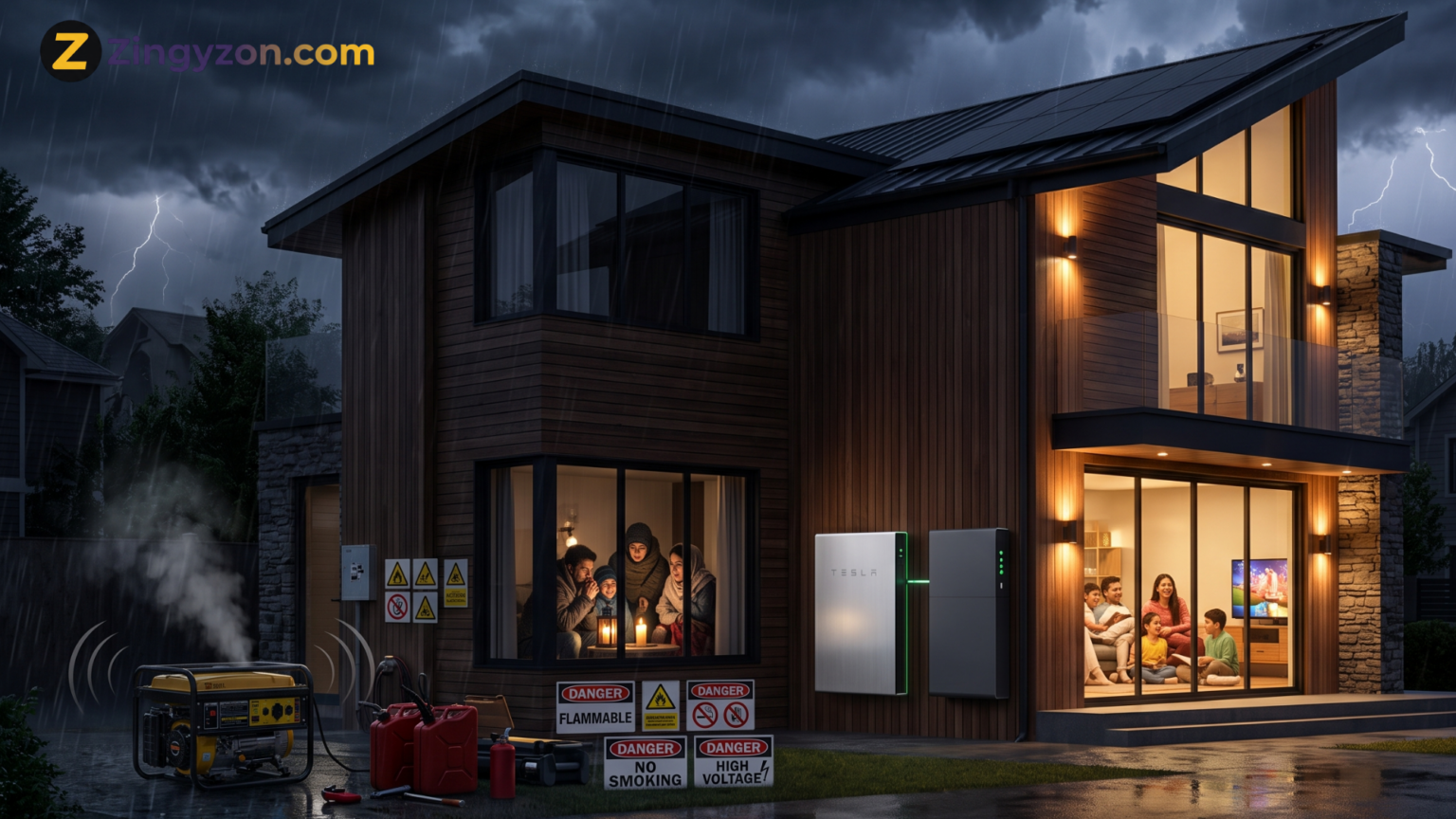
Power outages are becoming a serious concern for many homeowners. Storms, heat waves, aging grid systems, wildfires, heavy rain, and unexpected utility failures can leave homes without electricity for hours or even days. For years, gas generators were the most common backup power solution. People kept fuel cans ready, pulled out portable generators during storms, and hoped the machine would keep essential appliances running.
But today, the situation is changing fast. More homeowners are moving toward battery backup systems because they are cleaner, quieter, safer, and easier to use. A modern home energy setup is no longer just about emergency power. It is about comfort, safety, energy independence, and long-term savings.
This is why battery backup is replacing gas generators for home outages. While gas generators are still useful in some situations, battery systems are becoming the preferred choice for many modern homes.
What Is a Home Battery Backup System?
A home battery backup system stores electricity and provides power when the grid goes down. It works like a large rechargeable battery for your house. When electricity is available, the battery charges from the grid or from solar panels. When an outage happens, the system automatically supplies power to selected appliances, rooms, or sometimes the whole home.
Many homeowners install batteries to keep essential loads running, such as refrigerators, Wi-Fi routers, lights, medical devices, security systems, garage doors, fans, and phone chargers. Larger systems can also power HVAC equipment, well pumps, electric cooking appliances, and more.
Unlike a gas generator, a battery backup does not burn fuel during operation. It produces no exhaust, no engine noise, and no direct emissions at the home. This is one of the biggest reasons why homeowners are choosing modern battery systems over traditional generators.
Why Gas Generators Are Losing Popularity
Gas generators have been around for a long time, and they can provide strong backup power. However, they come with several problems that many homeowners no longer want to deal with.
First, gas generators need fuel. During major storms or regional outages, fuel stations may be closed, crowded, or out of supply. Storing gasoline at home can also be inconvenient and unsafe if it is not handled correctly.
Second, generators are noisy. A running generator can disturb your family, your neighbors, and the overall comfort of your home. This is especially frustrating during nighttime outages when people are trying to sleep.
Third, gas generators need regular maintenance. Oil changes, spark plugs, filters, fuel stabilizers, engine checks, and test runs are all part of ownership. If a generator is ignored for months, it may fail exactly when you need it most.
Most importantly, portable gas generators produce carbon monoxide, which can be deadly if the generator is used too close to the home or in an enclosed space. Even with safety instructions, accidents still happen because people often set up generators during stressful weather events.
These drawbacks have pushed many homeowners toward safer and simpler options.
Battery Backup Is Safer for Home Use
Safety is one of the strongest reasons battery backup is replacing gas generators. A battery system does not release carbon monoxide while powering your home. There is no exhaust pipe, no gasoline fumes, and no need to place a running machine outside during a storm.
This matters because outages often happen during dangerous weather. When there is heavy rain, snow, wind, or flooding, setting up a portable generator outside can be risky. A homeowner may need to carry fuel, pull cords, connect extension cables, and keep the generator dry while still maintaining proper ventilation.
A battery backup system is usually installed permanently. When the grid fails, it can switch on automatically. There is no need to go outside, refill fuel, or start an engine manually. For families with children, elderly people, or anyone using medical equipment, this automatic backup can be a major advantage.
Quiet Operation Makes Batteries More Comfortable
Noise is another major reason homeowners prefer batteries. Gas generators can be loud, especially portable models. Even standby generators that are installed outside can create a noticeable engine sound.
Battery backups are different. They operate silently or almost silently. You can sleep, work, watch TV, study, or talk normally while the system powers your home. This makes a big difference during long outages.
For people living in suburbs, townhomes, or areas with close neighbors, quiet backup power is a huge benefit. Many neighborhoods also have noise rules, and a loud generator can create tension during emergencies. Battery backup avoids that problem.
No Fuel Storage or Refilling
One of the biggest headaches with gas generators is fuel management. Gasoline has to be stored safely, rotated, and protected from heat and moisture. If fuel sits too long, it can degrade and cause engine problems. Propane and natural gas generators solve some issues, but they still depend on a fuel supply.
Battery backup removes the need for fuel storage. The battery charges from your home’s electrical system or solar panels. During normal conditions, it stays ready. During an outage, it delivers stored electricity.
This makes battery backup especially attractive for people who do not want to handle gasoline, store fuel containers, or worry about fuel availability during storms.
Solar Compatibility Is a Major Advantage
Battery systems become even more powerful when paired with solar panels. Solar panels can generate electricity during the day, and the battery can store extra energy for nighttime use or outages.
Without a battery, many solar systems shut down during grid outages for safety reasons. But when solar is paired with proper battery storage and backup equipment, the home can use stored solar energy even when the grid is down.
This is one of the biggest reasons the home battery backup market is growing. Homeowners do not only want emergency backup. They also want to use more of their own solar energy, reduce reliance on the grid, and have more control over electricity costs.
Lower Maintenance Compared to Generators
Gas generators are mechanical machines. They have engines, moving parts, filters, oil, fuel lines, and exhaust systems. Like any engine, they need maintenance.
Battery systems usually require much less routine maintenance. After professional installation, homeowners mainly monitor system performance through an app or display. The system may receive software updates, and the installer may recommend periodic checks, but there is no fuel engine to service.
This lower-maintenance experience is a major selling point. Many homeowners want backup power that is ready when needed without constant attention.
Better for Indoor Comfort and Daily Life
During an outage, most people do not need to power every appliance at the same time. They need comfort, communication, food protection, and basic safety. Battery backup is very good at supporting these needs.
A well-designed battery system can keep refrigerators cold, lights on, phones charged, internet running, and important devices working. This helps families stay calm and connected during emergencies.
Some battery systems can also be programmed to power only critical loads. This makes stored energy last longer. For example, instead of wasting backup power on large appliances, the system can prioritize essentials.
This smart load management is one area where batteries are improving quickly.
Battery Backup Supports Energy Independence
Many homeowners are not just preparing for outages. They are also thinking about energy independence. Rising utility rates and grid reliability concerns have made people more interested in controlling their own power.
A battery backup system gives homeowners more flexibility. It can store electricity when rates are low and use it when rates are high, depending on local utility rules and system settings. When paired with solar, it can store daytime solar production for evening use.
This means the battery is not sitting unused until an emergency. It can become part of daily energy management. A gas generator, on the other hand, usually sits idle until the power goes out.
Cleaner Energy and Environmental Benefits
Gas generators burn fossil fuels and produce emissions. During an outage, this may be necessary for some homes, but many people are looking for cleaner options.
Battery backup systems do not produce direct emissions while operating. If the battery is charged from solar panels, the backup power can be even cleaner. This makes batteries attractive for homeowners who want a more sustainable energy solution.
Cleaner operation also matters in dense neighborhoods. During widespread outages, many running generators can create noise and air pollution. Battery systems reduce that impact.
Better User Experience During Outages
A major reason battery backup is replacing gas generators is convenience. With a properly installed battery system, the transition during an outage can be automatic. Some systems switch so quickly that homeowners barely notice the grid went down.
Gas generators require more effort. Portable models may need to be moved outside, fueled, started, connected, and monitored. Even standby generators need maintenance and fuel supply.
For modern homeowners, convenience matters. People want technology that works in the background. Battery systems fit that expectation better than traditional generators.
Where Gas Generators Still Make Sense
Battery backup is becoming more popular, but gas generators are not completely obsolete. In some cases, a generator may still be the better choice.
For very long outages, especially during several cloudy days without solar production, a generator can keep running as long as fuel is available. For homes with very high energy demand, such as large HVAC systems, electric heating, well pumps, or heavy equipment, a generator may provide more continuous power at a lower upfront cost.
Some homeowners also choose a hybrid solution. They install a battery backup for short outages and daily energy use, then keep a generator for extended emergencies. This approach offers both quiet automatic backup and long-duration fuel-based power.
Battery Backup Cost vs Generator Cost
Cost is one of the biggest questions homeowners ask. Gas generators often have a lower upfront cost, especially portable models. Standby generators can be more expensive because they require professional installation, transfer switches, permits, and fuel connections.
Battery backup systems can also be expensive upfront, especially if they are large enough to power major appliances. However, batteries may provide value beyond emergency backup. If connected with solar or smart energy management, they can help reduce utility bills and improve energy efficiency.
The best choice depends on your home size, outage risk, energy needs, local electricity rates, solar availability, and budget.
What to Consider Before Choosing Battery Backup
Before installing a battery backup system, homeowners should think carefully about their needs.
Start by listing the appliances and devices you want to run during an outage. A refrigerator, internet router, lights, and phone chargers need much less power than central air conditioning, electric ovens, or large pumps.
Next, decide how long you want backup power to last. A few hours of backup is very different from two full days. The longer the backup time, the more battery capacity you need.
Also consider whether you plan to install solar panels. A battery with solar can recharge during the day, which can extend backup time during longer outages.
Finally, work with a qualified installer. Battery systems involve electrical panels, inverters, permits, safety settings, and utility rules. Professional design is important for performance and safety.
Future of Backup Power
The future of home backup power is becoming smarter, cleaner, and more automated. Batteries are improving, solar adoption is growing, and homeowners want energy systems that are easy to manage through apps and smart controls.
As battery technology becomes more advanced, more homes will likely use batteries as their first line of defense during outages. Gas generators may still serve as backup for extreme situations, but they are no longer the only practical solution.
For many homeowners, the ideal future is simple: silent backup power, no fuel runs, no carbon monoxide risk, smart energy control, and the ability to store solar energy for later.
Final Thoughts
Battery backup is replacing gas generators because it solves many of the problems homeowners face during outages. It is quieter, cleaner, safer, easier to use, and better suited for modern homes. It can work automatically, pair with solar panels, reduce fuel dependence, and support everyday energy management.
Gas generators still have a place, especially for long-duration outages and high-power needs. But for many families, a battery backup system offers a better balance of safety, convenience, and comfort.
As more homeowners look for reliable outage protection, battery backup will continue to grow as a smart alternative to traditional gas generators. For more helpful guides on home technology, energy solutions, and smart living, visit zingyzon.com.


Keep Exploring Zingyzon.com
Read more Zingyzon SEO, digital marketing, online earning, business, and technology guides for Australia, USA, and global readers.