
Essential Safety Tips for Home Health Aides: Ensuring a Safe Work Environment
Home health aides play a very important role in helping patients live safely and comfortably at home. They assist with […]
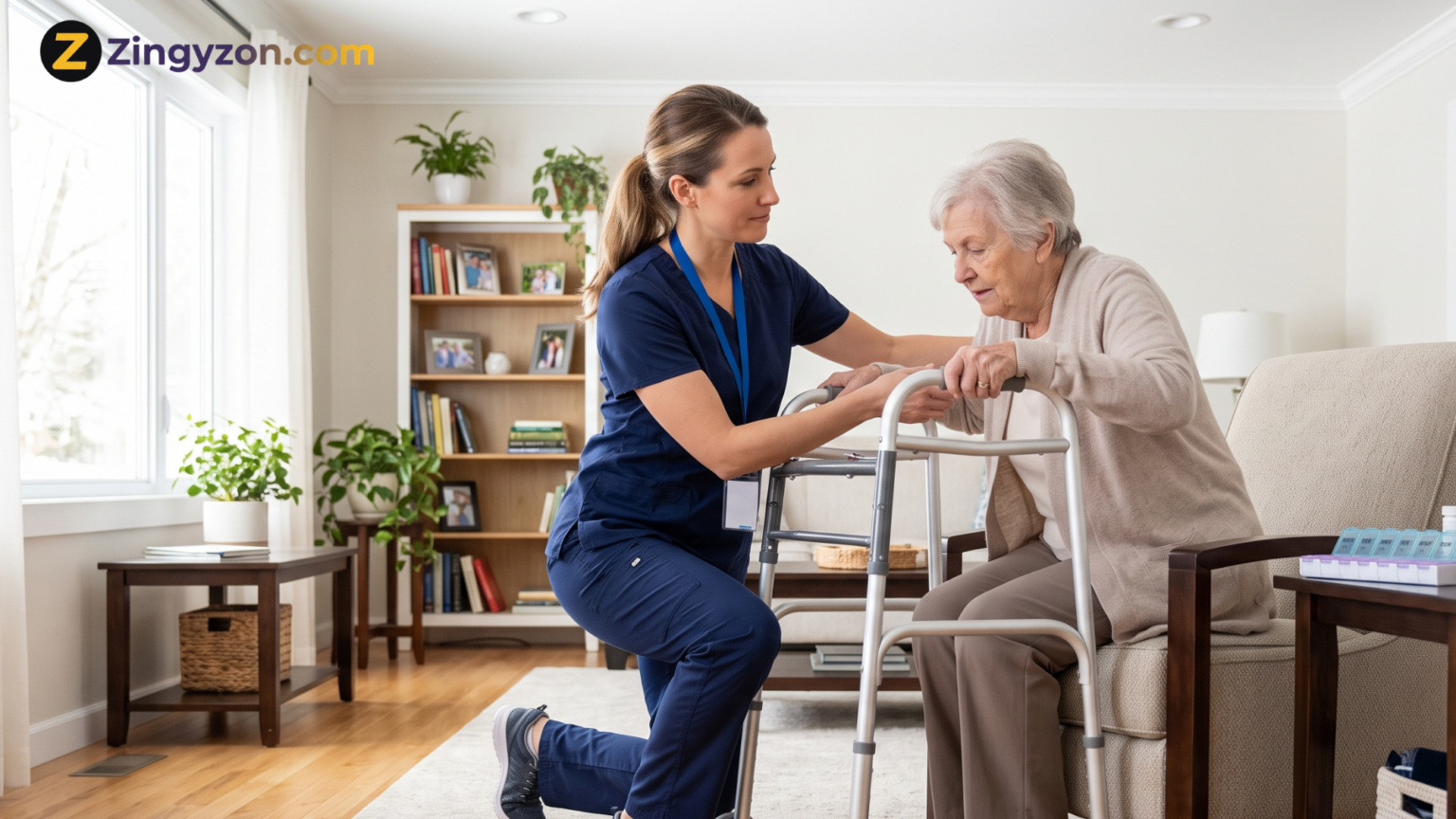
Home health aides play a very important role in helping patients live safely and comfortably at home. They assist with daily activities, personal care, mobility, medication reminders, light housekeeping, companionship, and basic health-related support. For many families, a home health aide is not just a caregiver but also a trusted part of the patient’s daily life.
However, home care work also comes with unique safety challenges. Unlike hospitals or clinics, private homes are not always designed for safe caregiving. Aides may work alone, lift or support patients without enough equipment, deal with cluttered spaces, face pets, handle bodily fluids, travel between homes, and respond to emergencies without immediate backup.
That is why safety should be a top priority for every home health aide, agency, and family. A safe work environment protects the caregiver, supports better patient care, reduces injury risks, and creates a more professional care experience.
This guide shares essential home health aide safety tips to help caregivers stay protected, confident, and prepared while working in private homes.
1. Start Every Visit with a Safety Check
Before beginning care tasks, take a few moments to look around the home. A quick safety check can help prevent falls, injuries, infections, and other problems.
Look for loose rugs, wet floors, poor lighting, electrical cords, cluttered walkways, broken furniture, sharp objects, unstable chairs, and blocked exits. Check whether the patient’s walking path is clear, especially from the bed to the bathroom, kitchen, or living area.
Also notice environmental concerns such as smoke, strong odors, insects, pets, spoiled food, extreme heat, extreme cold, or signs of unsafe living conditions. If anything feels unsafe, report it to the agency, supervisor, or responsible family member according to workplace policy.
A home health aide should never ignore hazards just because they seem small. A loose rug or dark hallway can easily lead to a fall for both the patient and caregiver.
2. Practice Proper Hand Hygiene
Hand hygiene is one of the simplest and most effective ways to reduce infection risk. Home health aides often help with bathing, toileting, dressing, wound care support, meal preparation, and cleaning. These tasks can expose both the caregiver and patient to germs.
Wash your hands before and after patient contact, after using gloves, after touching bodily fluids, before preparing food, after using the bathroom, and after handling trash or laundry. Use soap and water when hands are visibly dirty. If soap and water are not available, use an alcohol-based hand sanitizer when appropriate.
Good hand hygiene protects everyone in the home. It is especially important when caring for older adults, patients with weak immune systems, people recovering from surgery, or patients with chronic illnesses.
3. Use Personal Protective Equipment Correctly
Personal protective equipment, or PPE, helps reduce exposure to germs, bodily fluids, chemicals, and other hazards. PPE may include gloves, masks, gowns, eye protection, or shoe covers depending on the care situation.
Gloves should be worn when there is a chance of contact with blood, bodily fluids, wounds, contaminated laundry, or soiled surfaces. Change gloves between tasks and never reuse disposable gloves. Wash or sanitize hands after removing gloves.
Masks and eye protection may be needed if there is risk of splashes, respiratory illness, or exposure to infectious droplets. Follow agency policies and care plan instructions carefully.
PPE only works when used correctly. Wearing gloves while touching multiple surfaces can spread germs if gloves are not changed at the right time.
4. Prevent Back Injuries During Patient Transfers
Patient lifting and transferring are among the biggest safety risks for home health aides. Helping a patient move from bed to chair, wheelchair to toilet, or chair to standing position can strain the back, shoulders, knees, and wrists.
Always use proper body mechanics. Keep your back straight, bend your knees, keep the patient close to your body, and avoid twisting while lifting. Use your legs instead of your back. Ask the patient to help as much as they safely can.
If the patient needs more support than one person can safely provide, do not force the transfer. Request help or proper equipment. Transfer belts, walkers, wheelchairs, slide boards, and mechanical lifts may be needed depending on the patient’s condition.
A caregiver injury can affect both the aide and the patient. Safe transfers protect everyone involved.
5. Follow the Patient’s Care Plan
Every patient has different needs. Some may need help walking. Others may have dementia, fall risk, oxygen equipment, swallowing problems, diabetes, or mobility limitations. The care plan gives important instructions about what the aide should and should not do.
Review the care plan before starting tasks. Follow instructions for transfers, bathing, meals, medication reminders, emergency contacts, mobility support, and reporting changes.
Do not perform tasks outside your training, job role, or authorization. If a patient or family member asks you to do something that is unsafe or outside your scope, contact your supervisor for guidance.
Following the care plan protects the patient, the caregiver, and the agency.
6. Reduce Fall Risks in the Home
Falls are a major concern in home care. Many patients receiving home health support have balance problems, weakness, poor vision, medication side effects, or limited mobility. Home health aides can help reduce fall risk by keeping the environment safe.
Make sure walkways are clear. Keep frequently used items within easy reach. Encourage the patient to use walkers, canes, grab bars, or other prescribed assistive devices. Make sure the patient wears proper footwear instead of loose slippers or socks on slippery floors.
Bathroom safety is especially important. Wet floors, low toilet seats, and lack of grab bars can create serious hazards. Report unsafe bathroom conditions and encourage the use of approved safety equipment when needed.
Never rush a patient during movement. Moving slowly and safely is better than moving quickly and risking a fall.
7. Be Careful with Needles, Sharps, and Medical Waste
Some home health aides may work in homes where needles, lancets, wound care supplies, or other medical waste are present. Even if the aide is not responsible for medical procedures, accidental contact can happen.
Never touch loose needles or sharps with bare hands. Used sharps should be placed in an approved sharps container. Do not throw needles into regular trash bags. If you find unsafe disposal, report it immediately.
Laundry, bedding, and trash may also be contaminated with bodily fluids. Use gloves and follow agency procedures for handling these items safely.
Safe handling of sharps and medical waste reduces the risk of needlestick injuries and infection exposure.
8. Protect Yourself from Workplace Violence
Home health aides often work alone in private homes and communities. While most patients and families are respectful, caregivers should still be aware of personal safety.
Pay attention to warning signs such as aggressive behavior, threats, yelling, unsafe visitors, weapons, substance abuse, uncontrolled pets, or an environment that makes you feel uncomfortable. Trust your instincts. If you feel unsafe, leave the area if possible and contact your supervisor or emergency services according to policy.
Agencies should have clear workplace violence prevention policies, emergency contact systems, and reporting procedures. Aides should know what to do if a patient, family member, or visitor becomes threatening.
Your safety matters. Providing care should never mean accepting abuse, harassment, or dangerous conditions.
9. Handle Pets Safely
Pets can be comforting for patients, but they may also create risks for home health aides. Dogs, cats, and other animals can bite, scratch, trip caregivers, or interfere with patient care tasks.
Before entering a home, ask about pets if you are not already informed. If an animal seems aggressive, overly excited, or uncontrolled, request that it be secured in another room before care begins.
Do not feed, pet, or handle animals unless it is part of the approved care arrangement. If you are bitten or scratched, report the incident immediately and seek medical guidance if needed.
Even friendly pets can become unpredictable during stressful care activities, so caution is important.
10. Keep Emergency Information Easy to Access
Emergencies can happen at any time. A patient may fall, experience chest pain, have breathing difficulty, become confused, faint, or show sudden changes in condition. Home health aides should know how to respond quickly.
Keep emergency contacts, supervisor numbers, patient medical information, and address details accessible. Know where the phone is located and whether the patient has emergency alert devices.
If the patient has special emergency instructions, such as oxygen use, seizure response, or fall protocols, review them before providing care.
Do not wait too long to report serious symptoms. Quick communication can protect the patient and help prevent complications.
11. Report Changes in the Patient’s Condition
Home health aides often spend more time with patients than many other care providers. This means they may notice important changes early.
Report changes such as increased confusion, new weakness, shortness of breath, fever, skin breakdown, swelling, loss of appetite, mood changes, dizziness, falls, pain, or unusual behavior. Also report changes in the home environment, medication concerns, or family issues that may affect care.
Accurate reporting helps nurses, supervisors, family members, and healthcare providers respond properly. Never assume a change is unimportant.
12. Travel Safely Between Homes
Many home health aides travel from one client’s home to another. Travel safety is part of workplace safety.
Keep your vehicle in good condition if you drive. Plan routes ahead of time. Avoid distracted driving. Park in well-lit areas when possible. Be aware of your surroundings when walking to and from a home.
If visiting an unfamiliar neighborhood, share your schedule according to agency policy. Keep your phone charged and accessible. During severe weather, follow agency instructions and avoid unsafe travel conditions.
A safe workday begins before you enter the patient’s home.
13. Prevent Burnout and Stress
Home health aide work can be emotionally and physically demanding. Caregivers may deal with illness, loneliness, family stress, difficult behaviors, grief, and long hours. Over time, this can lead to burnout.
Pay attention to your own well-being. Take breaks when allowed. Stay hydrated. Eat regular meals. Get enough rest. Talk to a supervisor if you feel overwhelmed or unsafe.
Emotional safety is part of workplace safety. A caregiver who is exhausted or stressed may be more likely to make mistakes or suffer injuries.
Healthy caregivers provide better care.
14. Keep Communication Professional
Clear communication prevents many problems. Home health aides should communicate respectfully with patients, families, supervisors, and other care team members.
Explain what you are doing before helping with personal care or transfers. Ask the patient how they feel. Listen to concerns. Report problems clearly and honestly.
Document care tasks according to agency requirements. Accurate documentation protects the patient and creates a record of services provided.
Professional communication also helps prevent misunderstandings with families and improves trust.
15. Know What to Do with Unsafe Requests
Sometimes patients or family members may ask home health aides to do tasks that are unsafe, inappropriate, or outside their job duties. This may include heavy lifting without help, giving medication without authorization, moving furniture, handling hazardous chemicals, or performing medical tasks beyond training.
Do not feel pressured to say yes. Politely explain that you need to follow the care plan and agency rules. Contact your supervisor for direction.
Setting boundaries is not rude. It is part of professional and safe caregiving.
16. Understand the Importance of Insurance and Protection
Home health aides and care businesses face unique risks. Accidents, injuries, property damage, patient falls, misunderstandings, and liability concerns can happen even when caregivers are careful. That is why proper protection matters.
Care agencies, independent caregivers, and home care professionals should understand what coverage may be needed for their work situation. home health aide insurance can help provide financial protection and peace of mind when unexpected issues arise.
Insurance does not replace safe work practices, training, or proper supervision. However, it can be an important part of a complete risk-management plan.
17. Keep Learning and Updating Your Skills
Safety training should not happen only once. Home care work changes, patient needs change, and best practices may be updated over time. Home health aides should continue learning about infection control, transfer safety, dementia care, emergency response, communication, and workplace violence prevention.
Ask questions when you are unsure. Attend required training. Review agency policies regularly. Learn how to use equipment properly before using it with a patient.
A well-trained aide is safer, more confident, and better prepared to handle daily challenges.
For more helpful healthcare, safety, lifestyle, and professional guidance, visit zingyzon.com.
Final Thoughts
Home health aides provide essential care that allows many people to remain comfortable and supported at home. But caregiving in private homes can involve real safety risks. From infection control and patient transfers to workplace violence, pets, falls, medical waste, and emotional stress, aides must stay alert and prepared.
The most important home health aide safety tips include checking the environment, using proper hand hygiene, wearing PPE when needed, following the care plan, preventing falls, using safe transfer techniques, reporting hazards, and protecting personal safety.
A safe work environment benefits everyone. It protects the caregiver from injury, helps patients receive better care, supports families, and creates a more professional home care experience. With the right training, awareness, communication, and support, home health aides can provide compassionate care while staying safe on the job.



Keep Exploring Zingyzon.com
Read more Zingyzon SEO, digital marketing, online earning, business, and technology guides for Australia, USA, and global readers.