
Summer Roof Problems Atlanta Homeowners Should Watch For
Summer in Atlanta can be beautiful, but it can also be tough on your roof. Long sunny days, high humidity, […]
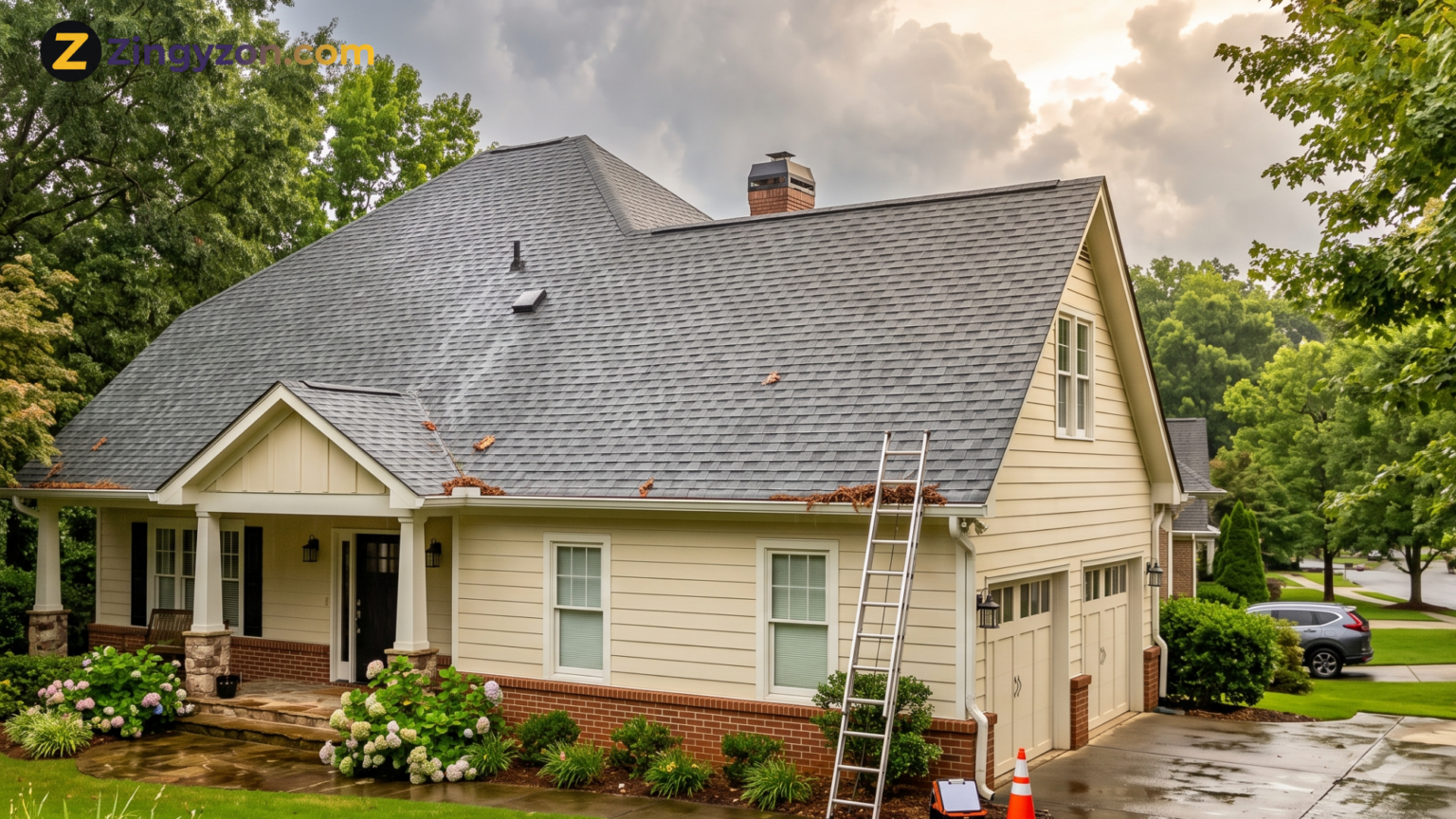
Summer in Atlanta can be beautiful, but it can also be tough on your roof. Long sunny days, high humidity, sudden downpours, strong winds, and afternoon thunderstorms can all put extra pressure on roofing materials. Many homeowners do not think about their roof until water starts dripping through the ceiling, shingles go missing, or a stain appears on an upstairs wall. By that time, the damage may already be more expensive to repair.
The good news is that most summer roof problems can be spotted early if you know what to look for. Atlanta homes deal with a mix of heat, moisture, tree debris, and storm activity, so roof maintenance should be part of every homeowner’s summer checklist. Whether your roof is new or aging, understanding the warning signs can help protect your home, prevent interior damage, and extend the life of your roofing system.
Below are the most common summer roof problems Atlanta homeowners should watch for, along with practical tips for prevention and repair.
1. Heat Damage to Shingles
Atlanta summers can bring intense heat, and your roof absorbs a lot of it throughout the day. Asphalt shingles are designed to handle outdoor exposure, but repeated heat cycles can still cause wear over time. During the day, shingles expand in the heat. At night, they cool and contract. This daily movement can gradually weaken the material.
Common signs of heat-damaged shingles include curling edges, cracking, blistering, fading, and loose granules. If shingles begin to curl or crack, they may no longer protect the roof deck properly. Once water gets under the shingles, leaks and wood rot can follow.
Homeowners should visually inspect their roof from the ground after long periods of extreme heat. Look for uneven areas, warped shingles, or patches that appear lighter than the rest of the roof. You should also check gutters and downspouts for excessive shingle granules. A small amount of granule loss is normal, especially on older roofs, but heavy buildup can mean your shingles are deteriorating faster than expected.
2. Storm Damage from Wind and Heavy Rain
Summer storms can arrive quickly in Atlanta. One hour the sky may be clear, and the next hour your home may be dealing with heavy rain, strong wind, and flying debris. These storms can loosen shingles, lift flashing, damage gutters, and expose weak points in your roofing system.
After a storm, walk around your property and look for visible signs of roof trouble. Missing shingles, shingle pieces in the yard, dented gutters, fallen branches, and water spots on ceilings are all warning signs. Even if the roof looks fine from the ground, wind-driven rain can push moisture under loose shingles or flashing.
This is why professional inspections are important after major weather events. A small lifted shingle or cracked flashing area may not seem urgent, but it can let water enter your home during the next storm. If you suspect damage, scheduling roofing repair Atlanta services early can help prevent a small issue from turning into a major leak.
3. Roof Leaks Around Flashing
Flashing is the metal material installed around roof penetrations and transition areas, such as chimneys, skylights, vents, valleys, and walls. Its job is to direct water away from vulnerable areas. During summer, flashing can loosen because of heat expansion, wind, poor installation, or aging sealant.
Leaks around flashing are common because these areas are natural weak points. You may notice water stains near a fireplace, around skylights, in the attic, or along walls. Sometimes the leak does not appear directly under the damaged flashing because water can travel along rafters or insulation before showing up indoors.
Homeowners should not ignore small water stains. A minor stain may indicate an active leak that only appears during heavy rain. Over time, moisture can damage drywall, insulation, framing, and even electrical systems. If you see signs of water intrusion, have the flashing inspected and sealed or replaced as needed.
4. Clogged Gutters and Poor Drainage
Gutters play a major role in protecting your roof and home. They move rainwater away from the roof edge, fascia, siding, and foundation. In Atlanta, summer storms can wash leaves, pine needles, twigs, and other debris into gutters. If the gutters become clogged, water can back up under the roof edge or overflow near the foundation.
Clogged gutters can lead to several problems, including fascia rot, roof edge leaks, siding stains, basement moisture, and landscape erosion. If water sits in the gutters too long, it can also attract pests and add extra weight to the gutter system.
During summer, homeowners should check gutters regularly, especially if there are trees near the house. Watch for water spilling over the sides during rain, sagging sections, plant growth in the gutters, or downspouts that do not drain properly. Cleaning gutters before and after stormy periods can reduce the risk of roof damage.
5. Poor Attic Ventilation
Your roof is only one part of your home’s protection system. The attic also matters. Poor attic ventilation can trap heat and moisture under the roof deck. In summer, this can make your home hotter, increase cooling costs, and shorten the life of your shingles.
When attic heat builds up, it can bake the underside of the roof. This may cause shingles to age faster. Moisture trapped in the attic can also lead to mold growth, musty odors, and wood deterioration. In some cases, poor ventilation can make indoor rooms feel uncomfortable even when the air conditioner is running.
Signs of ventilation problems include unusually hot upstairs rooms, high energy bills, musty attic smells, visible mold, rusted nails in the attic, or warped roof decking. A balanced ventilation system usually includes intake vents and exhaust vents that allow air to move properly. If your attic feels extremely hot or humid, a roofing professional can evaluate whether your ventilation system needs improvement.
6. Hail Damage
Hail does not have to be huge to damage a roof. Even small hailstones can knock granules off asphalt shingles, leaving the surface weaker and more exposed to sunlight and water. Larger hail can create dents, bruises, cracks, or impact marks.
Hail damage is not always easy to see from the ground. You may notice dents on gutters, downspouts, metal vents, or outdoor furniture before you see roof damage. If hail has hit your neighborhood, it is wise to have the roof checked, especially if your shingles are older.
Granule loss from hail may reduce the roof’s ability to protect against UV rays. Over time, this can speed up shingle aging and increase the chance of leaks. Insurance claims may also have time limits, so documenting possible storm damage early is important.
7. Tree Limb and Debris Damage
Many Atlanta neighborhoods have mature trees, which add beauty and shade. However, trees can also create roof problems during summer storms. Overhanging branches may scrape shingles, drop leaves into gutters, or break during high winds. Even small branches can damage shingles if they hit the roof with enough force.
Tree debris can also collect in roof valleys, where two roof slopes meet. If leaves and twigs sit in valleys, they can trap moisture and slow water drainage. This creates a higher risk of leaks, algae growth, and shingle deterioration.
Homeowners should keep branches trimmed back from the roof whenever possible. Ideally, tree limbs should not touch or hang directly over roofing materials. After a storm, check for fallen limbs, piles of leaves, or debris stuck in valleys and gutters. Removing debris quickly can help your roof dry properly after rain.
8. Algae, Moss, and Mildew Growth
Atlanta’s humidity can encourage algae, moss, and mildew growth on roofs, especially in shaded areas. Black streaks on shingles are often caused by algae. While algae may start as a cosmetic issue, it can affect curb appeal and may contribute to moisture retention over time.
Moss is more concerning because it can lift shingles and hold water against the roof surface. When moisture stays on the roof too long, shingles may weaken and roof decking may become vulnerable.
Avoid pressure washing your roof, as high pressure can remove granules and damage shingles. Instead, use safe roof-cleaning methods or hire a professional. Trimming back trees to allow more sunlight can also reduce moisture buildup and slow organic growth.
9. Damaged Roof Vents and Pipe Boots
Roof vents and plumbing pipe boots are small components, but they can cause major leaks when damaged. Rubber pipe boots can crack under summer heat and UV exposure. Metal vents can loosen during storms or develop gaps around their seals.
A cracked pipe boot may allow water to enter around a plumbing vent pipe. These leaks often appear in bathrooms, kitchens, laundry rooms, or attic spaces. Because the opening is small, homeowners may not notice the problem until water stains form.
During a roof inspection, vents and pipe boots should always be checked. Replacing a cracked boot or resealing a vent is usually much less expensive than repairing interior water damage later.
10. Skylight Leaks
Skylights can bring natural light into a home, but they are also common leak points. Summer heat can dry out seals, and heavy rain can expose weak flashing around the skylight frame. If the skylight was not installed properly, leaks may become more noticeable during storm season.
Signs of skylight problems include water stains around the frame, condensation between panes, dripping during rain, bubbling paint, or damaged drywall. Sometimes homeowners assume the skylight itself is bad, but the issue may be flashing, sealant, or nearby shingles.
A professional inspection can determine whether the skylight needs resealing, flashing repair, or replacement. Ignoring skylight leaks can lead to ceiling damage and mold growth.
11. Flat or Low-Slope Roof Drainage Problems
Some Atlanta homes have flat or low-slope roof sections over porches, additions, garages, or modern-style areas. These sections require proper drainage because water does not run off as quickly as it does on steep-slope roofs.
Standing water, also called ponding water, can damage roofing materials over time. It may also find weak seams, cracks, or flashing gaps. After heavy rain, water should drain away within a reasonable amount of time. If puddles remain for long periods, the roof may need drainage improvements or surface repairs.
Homeowners with low-slope roof areas should inspect them more often during summer. Look for soft spots, bubbles, cracks, water stains, or clogged drains. These signs should be addressed quickly.
12. Hidden Attic Moisture After Storms
Not all roof leaks show up as obvious ceiling drips. Sometimes water enters the attic and soaks insulation or wood without reaching the living space right away. This hidden moisture can create mold, odors, and structural issues.
After strong rain or wind, check your attic with a flashlight if it is safe to do so. Look for damp insulation, dark wood stains, wet spots around nails, or daylight coming through the roof. A musty smell can also indicate moisture problems.
If you find damp areas, do not wait for the problem to get worse. Roof leaks rarely fix themselves. Early repair can prevent more expensive damage and help keep your home healthy.
Why Summer Roof Inspections Matter in Atlanta
Summer is one of the most important times for roof maintenance in Atlanta because weather conditions can change quickly. Heat can weaken materials, humidity can encourage growth, and storms can expose small problems. A roof that seemed fine in spring may develop issues by mid-summer.
Regular inspections help identify problems before they become emergencies. Ideally, homeowners should schedule a roof inspection before peak storm season and again after any major storm. This is especially important for older roofs, homes with large trees nearby, and properties that have had previous leaks.
You should also keep basic records of your roof’s condition. Take photos after storms, save repair receipts, and document inspection reports. These records can be helpful for insurance claims, resale value, and future maintenance planning.
For more helpful home improvement and maintenance guides, visit zingyzon.
Simple Summer Roof Maintenance Tips
A few simple steps can reduce the risk of summer roof damage:
Keep gutters and downspouts clear so rainwater drains properly. Trim tree branches away from the roof. Check your attic for heat, moisture, and water stains. Look for missing, curled, or cracked shingles after storms. Watch for granules collecting in gutters. Inspect ceilings and walls for new stains. Make sure vents, skylights, and flashing areas are sealed properly. Schedule professional repairs as soon as you notice damage.
Homeowners should also pay attention to local weather alerts during Summer storms in Georgia. After strong wind, hail, or heavy rainfall, even a quick ground-level roof check can help you catch damage early.
When to Call a Roofing Professional
Some roof problems are easy to spot, but roof repair is not always safe or simple. Climbing on a roof can be dangerous, especially after rain or during extreme heat. Homeowners should avoid walking on damaged or steep roofs. A professional roofer has the equipment and experience to inspect problem areas safely.
You should call a roofing professional if you notice missing shingles, active leaks, sagging roof areas, damaged flashing, hail marks, cracked pipe boots, clogged roof valleys, or repeated attic moisture. You should also schedule an inspection if your roof is older and has not been checked recently.
A professional inspection can help you understand whether you need a small repair, preventive maintenance, or a larger roof replacement plan. Fixing problems early is usually less stressful and less expensive than waiting until water damage spreads inside your home.
Final Thoughts
Atlanta summers can be hard on roofs. Heat, humidity, storms, wind, hail, and debris can all create problems if homeowners are not paying attention. The most common summer roof problems Atlanta homeowners should watch for include damaged shingles, clogged gutters, flashing leaks, poor attic ventilation, tree debris, algae growth, and storm-related damage.
The best approach is prevention. Keep your roof clean, inspect it after storms, maintain your gutters, and repair small issues before they grow. Your roof protects your home, your belongings, and your family. Giving it attention during the summer can save you money and help your home stay safe through the season.

Keep Exploring Zingyzon.com
Read more Zingyzon SEO, digital marketing, online earning, business, and technology guides for Australia, USA, and global readers.