
Chimney Caps vs. Chimney Shrouds: What’s Best for Ventura Homes?
For homeowners in Ventura, a chimney is more than a cozy feature for cool coastal evenings. It is also an […]
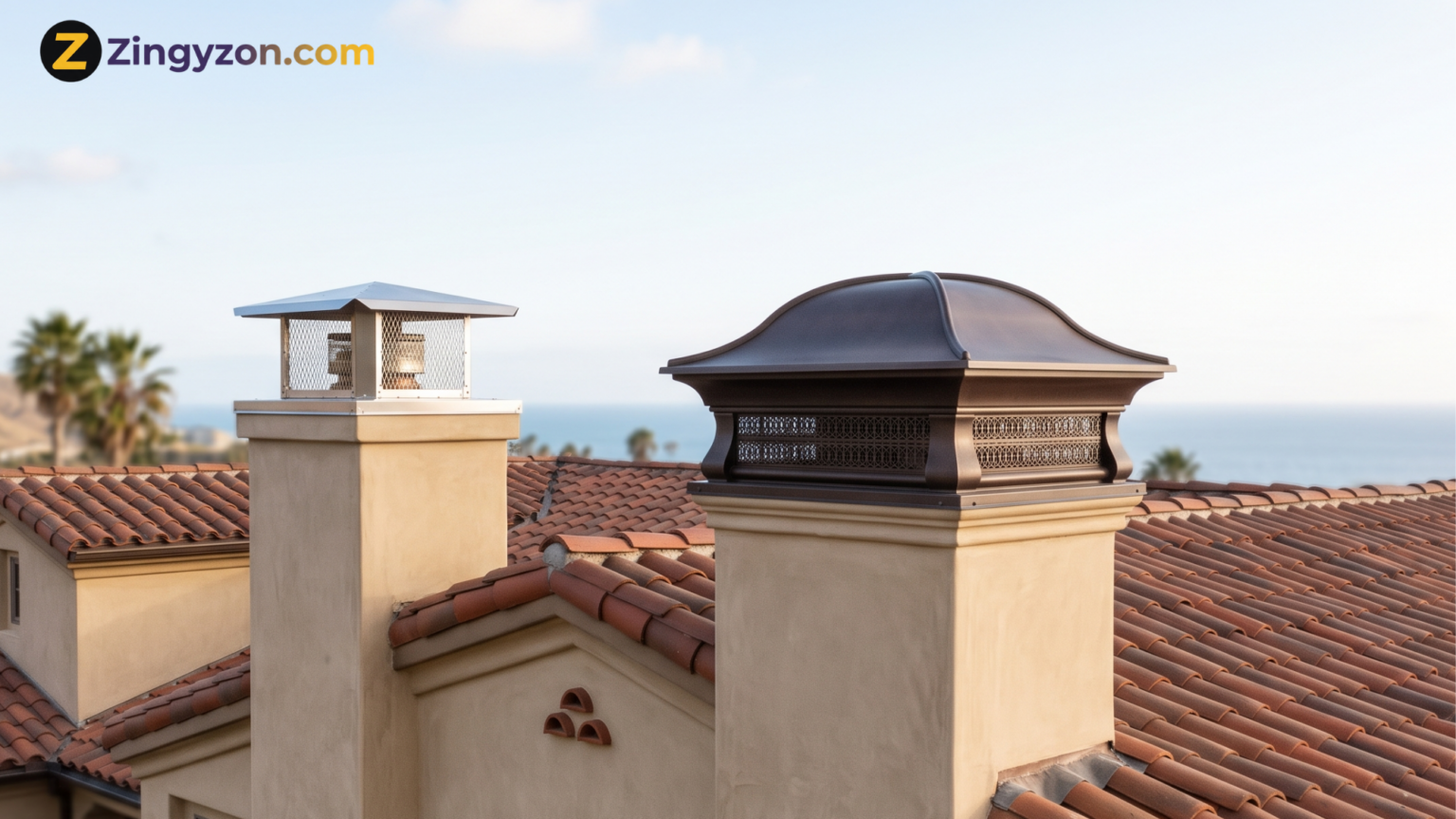
For homeowners in Ventura, a chimney is more than a cozy feature for cool coastal evenings. It is also an exposed part of the home that faces moisture, ocean air, wind, debris, birds, and seasonal weather changes. Because of this, choosing the right chimney top protection is not just a design decision—it can affect safety, performance, durability, and long-term maintenance costs.
Two common options homeowners compare are chimney caps and chimney shrouds. At first glance, they may seem similar because both sit at the top of a chimney. However, they serve different purposes. A chimney cap is usually a functional protective cover that keeps rain, debris, and animals out of the flue. A chimney shroud is often larger and more decorative, covering the chimney chase or top area while adding architectural style.
So, which one is better for Ventura homes? The answer depends on your chimney type, home design, ventilation needs, budget, and exposure to coastal conditions. This guide explains the difference between chimney caps and chimney shrouds in simple terms so you can make a smarter choice for your property.
Why Chimney Top Protection Matters in Ventura
Ventura homes are exposed to a unique coastal environment. Ocean air can bring moisture and salt, and the marine layer can create foggy, damp conditions. Over time, this moisture may contribute to rust, staining, masonry wear, and damage to metal chimney components. Even if your fireplace is not used every day, the top of the chimney remains exposed all year.
An uncovered chimney can allow rainwater to enter the flue. It can also become a nesting spot for birds or small animals. Leaves, twigs, and other debris may fall inside and create blockages. These issues can reduce airflow, cause unpleasant odors, increase fire risk, and lead to expensive repairs.
That is why many homeowners look for reliable chimney vent caps in Ventura, CA before problems appear. A properly selected chimney cap or shroud can help protect the chimney system and improve the overall look of the roofline.
What Is a Chimney Cap?
A chimney cap is a protective covering installed over the chimney flue opening. Most chimney caps include a metal lid and mesh sides. The lid helps block rain from entering the flue, while the mesh helps keep birds, leaves, and animals out. Some caps also include spark arrestor mesh, which can help reduce the chance of embers escaping from the chimney.
Chimney caps are commonly made from stainless steel, galvanized steel, copper, or powder-coated metal. For Ventura homes, stainless steel is often a smart option because it handles moisture and corrosion better than cheaper metals.
The main purpose of a chimney cap is function. It protects the flue, supports better chimney performance, and helps reduce common maintenance problems.
Benefits of Chimney Caps
A chimney cap is usually the more practical and budget-friendly option. It offers several important benefits for homeowners.
First, it helps keep rainwater out. Water is one of the biggest enemies of a chimney system. Moisture can damage masonry, liners, dampers, and metal parts. In coastal areas like Ventura, where damp air and fog are common, limiting moisture entry is especially important.
Second, a chimney cap helps prevent animal entry. Birds, squirrels, raccoons, and other animals may try to nest inside an open chimney. Nesting materials can block airflow and create safety hazards.
Third, chimney caps help stop debris from falling inside the flue. Leaves, sticks, and windblown material can collect inside and restrict ventilation.
Fourth, some caps reduce downdrafts. Wind can push air down the chimney, bringing smoke or odors back into the home. A well-designed cap may help control this issue, especially on windy days.
Finally, chimney caps are usually less expensive than shrouds. If your main goal is protection, a cap may be the best first investment.
What Is a Chimney Shroud?
A chimney shroud is a larger cover, usually installed over a chimney chase or framed chimney structure. Shrouds are often used on prefabricated or factory-built chimney systems, especially where the chimney exterior is covered with siding, stucco, or another chase material.
Unlike a simple cap, a shroud is often chosen for both protection and appearance. It can give the chimney a finished, custom look. Shrouds come in different styles, such as hip roof, arched, flat top, decorative metal, or custom architectural designs.
However, chimney shrouds must be designed correctly. If a shroud restricts airflow or does not meet the appliance manufacturer’s requirements, it can create serious performance and safety problems. A shroud should never be selected only for style. It must allow proper venting and must be compatible with the fireplace or heating system.
Benefits of Chimney Shrouds
The biggest advantage of a chimney shroud is appearance. It can make a chimney look more polished and match the architecture of the home. For Ventura properties with Spanish-style, coastal, modern, or custom roof designs, a shroud can improve curb appeal.
A shroud can also help protect the chimney chase cover from direct exposure to rain and debris. It may reduce how much water collects around the top of the chase, depending on the design.
Another benefit is customization. Homeowners can choose a design that complements roof color, exterior paint, metal finishes, and home style. Copper shrouds, for example, can create a high-end look, while powder-coated steel may offer a clean modern appearance.
For homeowners who care about both performance and design, a professionally built shroud can be a strong option.
Chimney Caps vs Chimney Shrouds: Key Differences
The biggest difference between chimney caps and chimney shrouds is purpose.
A chimney cap mainly protects the flue opening. It is smaller, simpler, and focused on function. It helps block rain, animals, sparks, and debris.
A chimney shroud is larger and more decorative. It usually covers the chimney chase top and adds style. It may also provide some protection, but it must be carefully designed for safe airflow.
Cost is another difference. Chimney caps are usually more affordable. Shrouds often cost more because they are larger, more customized, and may require more detailed installation.
Maintenance is also different. Caps are easier to inspect and replace. Shrouds may require more attention because decorative designs can trap debris or create hidden corrosion points if not built properly.
In short, a cap is usually the best choice for essential protection. A shroud is best when you want protection plus a finished architectural look.
Which Option Is Better for Ventura Homes?
For most Ventura homes, a chimney cap is the best starting point. It is practical, cost-effective, and directly addresses the most common problems: rain, animals, debris, and airflow disruption. If your chimney is currently open or has a damaged cap, replacing or installing a quality cap should be a priority.
A chimney shroud may be better if your home has a chimney chase and you want a more attractive roofline. It can also be a good option if your existing chase cover looks plain or unfinished. However, it must be installed correctly and should not interfere with venting.
Ventura’s coastal environment also affects the material choice. Stainless steel is a strong choice for caps because it resists rust better than galvanized steel. For shrouds, powder-coated metal, stainless steel, or copper can be considered depending on budget and style.
If your home is close to the ocean, avoid low-quality metal parts. Salt air can speed up corrosion, and a cheap cap or shroud may fail faster than expected.
When to Choose a Chimney Cap
Choose a chimney cap if your main goal is protection. It is ideal if you want to keep rain, birds, leaves, and animals out of your chimney. It is also a good choice if you are working with a moderate budget and want a simple upgrade with strong practical value.
A chimney cap is also better if your chimney is masonry and has one or more flues. Multi-flue caps can cover several openings at once and protect the chimney crown.
You should also choose a cap if your existing chimney top is missing protection, rusted, cracked, or loose. A damaged cap can allow water and debris inside, so replacement should not be delayed.
When to Choose a Chimney Shroud
Choose a chimney shroud if appearance matters as much as function. A shroud can make the chimney look custom and complete. It is a strong choice for homes where the chimney is highly visible from the street or backyard.
A shroud may also be right if your home has a prefabricated chimney chase with a flat metal chase cover. In this case, a shroud can improve the look while offering extra top-side coverage.
However, shrouds should be professionally measured and installed. The wrong design can restrict exhaust flow, cause overheating, or create drafting problems. Before installing a shroud, make sure it is compatible with your chimney system and local safety requirements.
Material Matters: Best Choices for Coastal Homes
Ventura homeowners should pay close attention to material quality. Coastal moisture and salt air can be tough on metal. A low-cost galvanized cap may work for a while, but it can rust faster in damp environments.
Stainless steel is one of the best choices for chimney caps because it is durable, corrosion-resistant, and usually lower maintenance. Copper is another premium option. It is attractive and long-lasting, but it costs more.
For chimney shrouds, powder-coated steel can look clean and modern, but coating quality matters. If the finish scratches or chips, corrosion may begin. Stainless steel and copper offer better long-term durability, especially near the coast.
The best material depends on your budget, roof design, and how much exposure your chimney gets.
Common Mistakes Homeowners Should Avoid
One common mistake is choosing a chimney top cover based only on appearance. A beautiful shroud that blocks airflow is not a good investment. Chimneys need proper ventilation to move smoke and gases safely out of the home.
Another mistake is installing a cap that is too small or poorly fitted. A loose cap can blow off during high winds, while an undersized cap may not protect the flue properly.
Homeowners should also avoid ignoring rust. If you see rust stains on the chimney, roof, or chase cover, it may be a sign that the cap, shroud, or chase cover is failing.
Finally, do not assume that every chimney needs the same solution. Masonry chimneys, prefabricated fireplaces, gas appliance vents, and wood-burning systems can have different requirements.
Maintenance Tips After Installation
Once your chimney cap or shroud is installed, regular maintenance is still important. Check the chimney top visually after heavy winds or storms. Look for loose parts, rust, leaning, missing screws, or damaged mesh.
Schedule routine chimney inspections, especially before the fireplace season. Professional inspection can identify hidden issues such as cracked crowns, damaged liners, poor draft, or moisture damage.
Keep nearby tree branches trimmed so leaves and twigs do not collect around the chimney. If your cap has mesh, make sure it does not become clogged with soot, ash, or debris.
For coastal homes, inspect metal parts more often. Salt and moisture can cause corrosion earlier than expected, especially on lower-grade metals.
Final Verdict: Cap or Shroud?
For most Ventura homeowners, a chimney cap is the better practical choice. It is affordable, protective, and directly solves the most common chimney-top problems. If your chimney does not already have a quality cap, installing one should be your first step.
A chimney shroud is best for homeowners who want a more finished, decorative look and have a chimney system that can safely support it. It can improve curb appeal, but it must be properly designed and professionally installed.
The best solution may even include both: a functional cap for the flue and a properly designed shroud for style and added chase coverage. Before choosing, consider your chimney type, material needs, coastal exposure, and ventilation requirements.
For homeowners who want expert guidance, zingyzon.com can help you understand the right chimney top protection option for your Ventura home.
FAQs
1. What is the main difference between a chimney cap and a chimney shroud?
A chimney cap covers the flue opening and mainly protects against rain, animals, debris, and sparks. A chimney shroud is larger and more decorative, usually covering the chimney chase area while adding style.
2. Do Ventura homes really need chimney caps?
Yes, many Ventura homes benefit from chimney caps because coastal moisture, wind, birds, and debris can affect exposed chimneys. A cap helps protect the flue and reduce common maintenance problems.
3. Are chimney shrouds safe?
Chimney shrouds can be safe when they are properly designed, sized, and installed. However, a poorly designed shroud can restrict airflow and create venting issues. Always choose a shroud that matches your chimney system requirements.
4. Which material is best for chimney caps near the coast?
Stainless steel is usually a strong choice for coastal homes because it resists rust better than galvanized steel. Copper is also durable and attractive, but it is more expensive.
5. Can I install a chimney cap myself?
Some simple caps may look easy to install, but professional installation is safer and more reliable. A professional can measure correctly, secure the cap, and check for related chimney issues.
6. Does a chimney shroud replace a chimney cap?
Not always. A shroud may cover the chase area, but the flue may still need a proper cap. In many cases, the best setup includes both a functional cap and a properly designed shroud.
7. How often should chimney caps and shrouds be inspected?
They should be checked at least once a year, especially before regular fireplace use. Coastal homes may need more frequent visual checks because moisture and salt air can speed up corrosion.
8. What is better for curb appeal?
A chimney shroud usually provides better curb appeal because it offers more design options. However, decorative multi-flue caps and copper caps can also improve appearance while providing protection.
9. Can a chimney cap help with downdrafts?
Some chimney caps are designed to reduce downdrafts caused by wind. If smoke or odors come back into your home, a professional can help determine whether a special cap design may help.
10. What is the best choice overall for Ventura homes?
For basic protection, a stainless steel chimney cap is usually the best choice. For homeowners who want added style and a custom roofline, a properly designed chimney shroud can be a good upgrade.

Keep Exploring Zingyzon.com
Read more Zingyzon SEO, digital marketing, online earning, business, and technology guides for Australia, USA, and global readers.