
DIY Patio Makeover Projects to Transform Your Outdoor Space
A tired patio does not always need professional construction or an expensive renovation. Cleaning the surface, repainting furniture, installing better […]
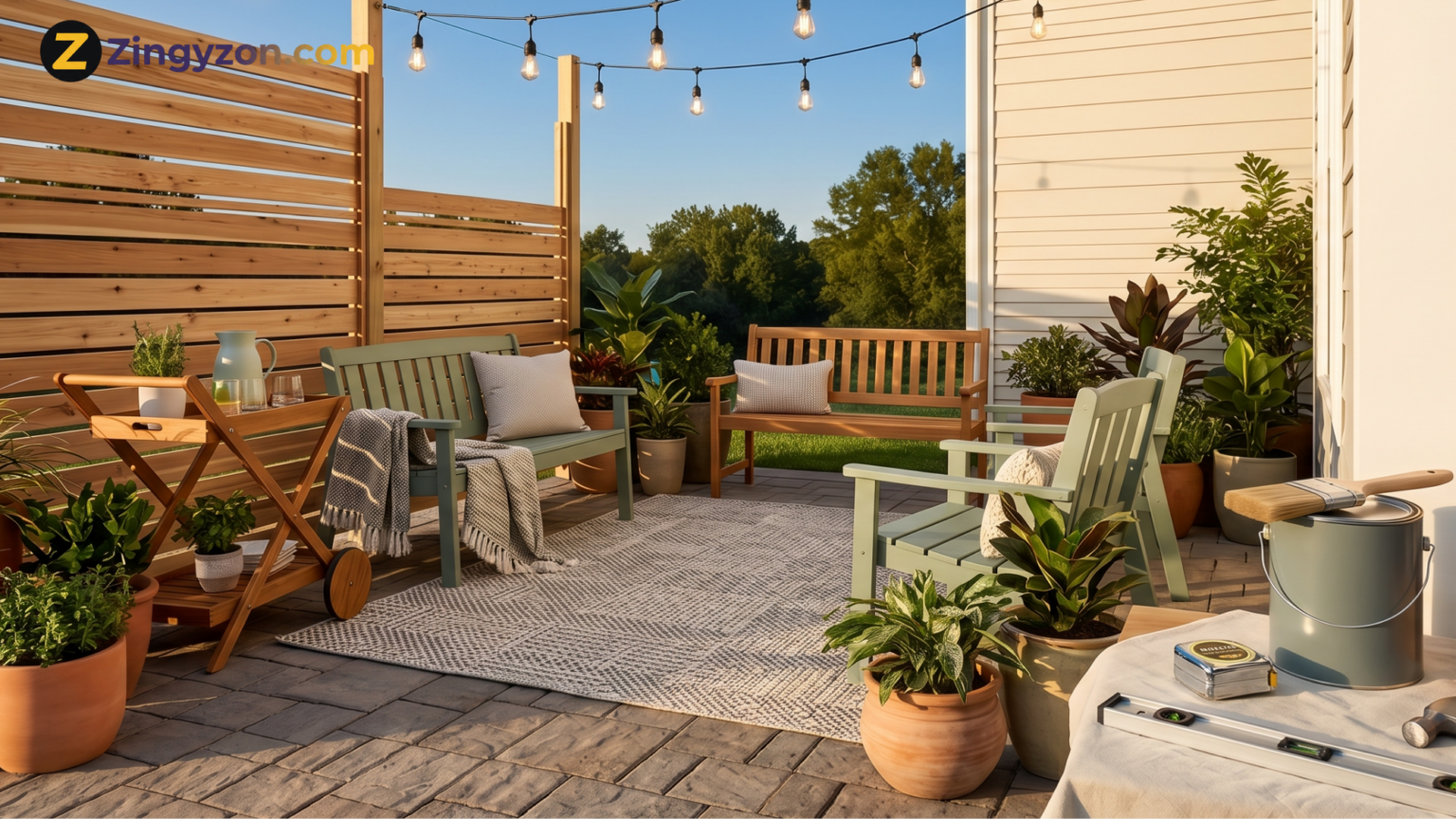
A tired patio does not always need professional construction or an expensive renovation. Cleaning the surface, repainting furniture, installing better lighting, arranging planters, and creating a more practical layout can completely change how an outdoor space looks and functions.
The best DIY patio makeover projects solve real problems before adding decoration. A beautiful rug will not improve a patio where rainwater collects, chairs wobble, or people cannot walk comfortably. Similarly, buying new furniture may be unnecessary when the existing pieces only need cleaning, repair, or a fresh outdoor finish.
Whether you have a concrete slab, apartment balcony, wooden deck, or compact backyard corner, you can complete many useful improvements over one or two weekends. This guide shares affordable projects involving flooring, seating, lighting, privacy, shade, storage, planting, and outdoor entertainment.
Begin With a Patio Assessment
Before purchasing paint, plants, or furniture, inspect the entire space during daylight and after dark. Look for cracks, loose boards, unstable railings, drainage problems, damaged electrical products, and surfaces that become slippery when wet.
Measure the patio’s width and depth. Note doors, steps, outlets, drains, grills, air-conditioning equipment, and permanent landscape features. Furniture and planters should not block entrances, drainage routes, or important walking paths.
Decide how you want to use the finished patio. A morning coffee area requires a different layout from an outdoor dining space or weekend entertainment zone.
Take photographs before beginning. They will help you evaluate the progress and avoid purchasing items that duplicate what you already own.
Set a Realistic Makeover Budget
Divide the budget into essential repairs, functional upgrades, and decoration. Safety, drainage, stable furniture, and suitable electrical connections should receive attention before purely visual accessories.
A basic budget may cover cleaning supplies, paint, planters, cushions, and lighting. A larger project may include pavers, privacy panels, a pergola, built-in seating, or an outdoor cooking station.
Include small expenses such as brushes, screws, sandpaper, protective equipment, delivery, waste disposal, and replacement hardware. These costs can quickly add up when they are not included in the initial plan.
For additional ways to stretch a limited outdoor budget, explore ZingyZon’s guide to backyard patio ideas on a budget.
1. Deep-Clean the Entire Patio
Cleaning is often the least expensive and most effective patio makeover project. Remove furniture, rugs, planters, and decorations so you can see the complete surface.
Sweep away leaves, soil, cobwebs, and loose debris. Clean the patio using a method approved for its material. Concrete, natural stone, composite decking, painted wood, and ceramic tile may require different products.
Test cleaners in an inconspicuous area. Strong chemicals or aggressive pressure washing may damage finishes, remove jointing material, or mark softer surfaces.
Wash furniture, railings, planters, and outdoor storage separately. Allow everything to dry before deciding which pieces require repair or refinishing. Many patios look dramatically better once dirt, pollen, mildew stains, and clutter are removed.
2. Repair Small Surface Problems
Inspect concrete for minor cracks and loose edges. Suitable repair products may prevent small defects from becoming more noticeable, but recurring or widening cracks can indicate movement or drainage issues requiring professional assessment.
On wooden patios and decks, check for loose fasteners, splinters, soft areas, and unstable boards. Replace damaged components rather than simply hiding them beneath a rug.
Examine paver patios for sunken or shifting sections. Small isolated areas may be reset after correcting the base, while widespread movement may require more extensive work.
Do not cover structural or drainage problems with paint, tiles, or furniture. Repairing the underlying cause creates a more durable makeover.
3. Refresh a Concrete Patio With Paint or Stain
A dull concrete patio may be improved with an exterior coating designed for concrete and foot traffic. Color can help connect the patio to the house, furniture, and surrounding garden.
Surface preparation is essential. The concrete should be clean, dry, and free from loose coating, grease, or unsuitable sealers. Follow the product instructions for repairs, etching, primer, drying time, and weather conditions.
Light gray, warm beige, muted terracotta, and soft stone colors are versatile choices. Dark colors may absorb more heat in direct sunlight, while very pale surfaces can show dirt more easily.
Consider a simple painted border or geometric pattern instead of coating the entire area with a complicated design. A restrained pattern is easier to maintain and less likely to overwhelm the furniture.
4. Create a Simple Paver Extension
A small paver extension can provide space for a grill, planter display, or additional chair without rebuilding the entire patio.
Mark the proposed area and check for underground services before digging. Remove vegetation, prepare a stable base, establish suitable drainage, and install edging according to the paver system’s requirements.
Keep the finished surface level with nearby areas while allowing water to move safely away from structures. An uneven transition can create a trip hazard.
Begin with a modest extension rather than attempting a large patio without the necessary tools, skills, or base preparation. Proper groundwork matters more than an elaborate paver pattern.
5. Use Gravel to Define an Outdoor Zone
Gravel can create an affordable seating or garden zone beside an existing patio. It works particularly well around a fire-free conversation area, planter display, or secondary seating space.
Prepare the location carefully and install appropriate edging to keep the gravel contained. The ground should support drainage without allowing the material to spread into lawns or walkways.
Choose furniture with legs that remain stable on the finished surface. Lightweight chairs may feel uneven, while broader feet or a solid base can provide better support.
Gravel requires occasional raking and replenishment. It may not be the best choice for every mobility need, so consider who will use the space before installation.
6. Repaint Outdoor Furniture
Existing patio furniture may only need a new finish. Clean each piece, tighten hardware, and repair damage before painting.
Use a coating intended for the furniture material and exterior exposure. Metal, wood, wicker-style resin, and plastic require different preparation methods and products.
Remove rust or loose paint where appropriate, then follow instructions for primer, ventilation, drying, and recoating. Avoid painting hinges, moving components, fabric, or surfaces that the manufacturer says should remain untreated.
A consistent finish can make unrelated secondhand pieces look coordinated. Black, charcoal, white, olive green, and muted blue work well with many outdoor color schemes.
7. Build a Simple Outdoor Bench
A basic bench can provide more seating while using less space than several individual chairs.
Choose a design that matches your woodworking ability. The bench should have stable legs, smooth edges, corrosion-resistant exterior fasteners, and suitable outdoor lumber or material.
Include a comfortable seat depth and height. Add a removable outdoor cushion rather than permanently attaching fabric that may remain wet after rain.
A corner bench can make efficient use of a small patio, while a straight bench works against a fence or exterior wall. Never attach seating to a railing or structure unless it is designed to carry the additional load.
8. Make a Storage Bench
A storage bench combines seating with a place for small patio accessories. It can hold game equipment, gardening tools, or approved outdoor items.
Design the interior to allow ventilation and drainage. A completely sealed wooden box may trap moisture around its contents.
Use lid supports or soft-close hardware to reduce the chance of the heavy top falling unexpectedly. Keep children’s safety in mind and avoid creating an enclosure that can lock accidentally.
Outdoor cushions, electronics, paper products, and moisture-sensitive objects may still need indoor storage during severe weather, even when the bench is weather-resistant.
9. Add an Outdoor Rug
An outdoor rug can define a seating or dining zone and introduce color without permanent construction.
Choose a size that connects the main furniture. In a conversation area, at least the front furniture legs should generally rest on the rug. A tiny rug floating beneath the table can make the layout feel disconnected.
Select a product designed for exterior use and suited to the surface beneath it. Lift the rug regularly to remove dirt and allow trapped moisture to dry.
Patterns with several related colors can hide pollen and minor marks between cleanings. Stripes, geometric motifs, and woven natural effects suit many patio styles.
10. Sew or Replace Cushion Covers
Changing faded cushion covers can refresh the patio for less than replacing the complete furniture set.
Use fabric intended for outdoor conditions and select colors that coordinate with the rug, planters, and house exterior. Removable zippered covers simplify seasonal cleaning.
A simple palette works best. Combine a neutral base cushion with one solid accent and one restrained pattern.
Measure every cushion carefully before cutting or ordering fabric. Covers that are too loose may look untidy, while excessively tight covers can place stress on seams and zippers.
Store cushions during severe weather and allow damp filling to dry completely before placing it inside a storage box.
11. Create a Vertical Plant Wall
A vertical plant display adds greenery without consuming valuable floor space. It works well on small patios and balconies.
Use securely attached shelves, wall planters, railing containers, or a freestanding trellis. Confirm that the supporting wall or railing can safely hold the combined weight of containers, wet soil, and mature plants.
Choose plants according to sunlight, wind, and local climate. Group varieties with similar watering requirements.
Every container should have a suitable drainage plan. Water draining from upper pots should not damage the wall, stain furniture, or create a slippery walking surface below.
12. Paint and Coordinate Old Planters
Mismatched planters can be unified with a consistent finish. Clean the pots and use a suitable exterior product for their material.
You do not need to make every container identical. Repeating one color across several sizes can create a coordinated arrangement while retaining visual variety.
Place taller plants at the back of a grouping and lower containers toward the front. Use plant stands to vary height without buying oversized pots.
Ensure that paint or decorative treatments do not block drainage holes. Healthy plants and practical watering matter more than the planter’s appearance.
13. Build a Simple Privacy Screen
A privacy screen can make a patio feel more comfortable without enclosing the entire yard.
Freestanding slatted panels, trellises, outdoor curtains, and planter screens are common DIY options. Position the screen where it blocks the strongest direct view rather than surrounding every side.
The structure must be able to withstand wind. Secure it appropriately and check local building, rental, or homeowners’ association requirements before attaching anything to walls, railings, or fences.
Climbing plants can soften a screen over time, but they may require support, pruning, and regular maintenance. Choose plants that suit the available sunlight and climate.
14. Add Shade With an Umbrella or Sail
Shade can improve patio comfort during hot afternoons. A properly sized umbrella is one of the simplest additions because it does not require permanent construction.
Select a stable base appropriate for the umbrella and close the canopy before strong winds. Position it so the pole does not obstruct an important walkway.
Shade sails can cover a larger area but require secure attachment points and correct tension. Water should not collect in the fabric, and the anchors must be capable of handling the forces created by wind.
A permanent pergola or roof may need permits, structural planning, and professional installation. Do not treat a large overhead structure as a casual weekend project.
15. Install Warm Patio Lighting
Lighting extends the hours you can use the patio. Combine decorative illumination with task and pathway lighting.
Outdoor-rated string lights can define a seating area, while rechargeable lanterns provide flexible table lighting. Step and path lights improve visibility around changes in level.
Use proper supports for long string-light spans instead of placing the entire physical load on the electrical cable. Keep lights away from grills, moving branches, and sharp edges.
Warm-white lighting creates a comfortable atmosphere for dining and conversation. Timers and dimmers can reduce unnecessary operating time and excessive brightness.
For a complete lighting plan, see ZingyZon’s guide to best patio lighting ideas.
16. Make a Rolling Serving Cart
A compact rolling cart can carry drinks, food, gardening supplies, or entertainment accessories.
Start with a weather-resistant cart or upgrade an existing suitable piece with exterior paint and locking wheels. Add hooks for utensils and a lower shelf for heavier supplies.
Keep the cart narrow enough to move through the patio door and around furniture. Store it under cover when the materials are not suitable for permanent weather exposure.
During gatherings, use the cart as a beverage or serving station. On ordinary days, it can display plants or hold frequently used patio items.
17. Create a Fold-Down Table
A wall-mounted fold-down table can provide dining or preparation space on a compact patio.
Attach it only to a structure that can safely support the table and its expected load. Use exterior-rated hardware and include a dependable support or locking system.
The folded table should not block a door, outlet, or walkway. Round exposed corners can make movement easier in a narrow area.
Renters should obtain permission before drilling into an exterior wall. A folding freestanding table may provide a better temporary alternative.
18. Design a Patio Focal Point
A focal point gives the makeover a clear visual center. It may be a painted wall, large planter, outdoor art panel, decorative bench, water feature, or attractive dining table.
Choose one main feature rather than filling every surface with decorations. A strong focal point helps a small patio feel intentional instead of crowded.
Make sure the item can tolerate the weather conditions. Indoor mirrors, untreated wood, and delicate artwork may deteriorate outdoors.
A large group of coordinated plants can be just as effective as an expensive decorative installation.
19. Create a Small Entertainment Corner
A patio can support entertainment without becoming filled with permanent equipment.
Set aside a wall for a portable movie screen, leave open space for compact games, or use a storage bench to hold activity supplies. A serving cart and flexible chairs can help the space adapt for different gatherings.
Keep electrical cords outside walking paths and protect electronic equipment from moisture. Portable projectors and speakers should normally return indoors after use.
For styling the finished area with plants, cushions, dining accessories, and color, explore patio decorating ideas for summer.
20. Finish With Simple Seasonal Decor
Seasonal accessories allow you to update the patio without rebuilding it.
Change cushion covers, table linens, flowering plants, wreaths, and lightweight decorations throughout the year. Maintain one neutral furniture base so new colors remain easy to coordinate.
Use a limited number of accessories. Outdoor spaces naturally include strong textures from plants, wood, stone, and sky, so they rarely need excessive decoration.
Secure lightweight objects before storms and store anything that cannot handle prolonged outdoor exposure.
Important DIY Patio Safety Tips
Wear suitable eye, hand, hearing, and respiratory protection for the tools and products being used. Read every tool, coating, adhesive, and cleaner instruction before beginning.
Inspect extension cords and use only products approved for outdoor conditions. Keep electrical connections away from water and busy walkways. Permanent wiring, new outlets, and uncertain electrical work should be handled by a qualified electrician.
Older painted surfaces can require additional precautions. In the United States, homes built before 1978 may contain lead-based paint. Do not sand or disturb an unknown old coating without understanding appropriate testing and lead-safe practices.
Know when a project is no longer suitable for DIY work. Structural cracks, unstable decks, major drainage problems, gas lines, permanent electrical systems, and large overhead structures generally require qualified assessment.
Common Patio Makeover Mistakes
Avoid purchasing decorations before deciding on a layout. Furniture that is too large can make even an attractive patio uncomfortable.
Other common mistakes include painting dirty surfaces, using indoor products outdoors, blocking drainage, ignoring drying times, mixing too many colors, and beginning several projects without finishing the essential repairs.
Do not hide damaged boards, cracks, or unsafe wiring beneath rugs and furniture. A makeover should make the patio safer and easier to use rather than simply covering its problems.
DIY Patio Makeover Checklist
Before finishing the project, confirm that:
- The patio surface is clean and stable.
- Drainage routes remain open.
- Furniture is secure and comfortable.
- Walking paths are clear.
- Coatings are suitable for outdoor exposure.
- Planters have effective drainage.
- Screens and shade structures are wind-resistant.
- Electrical products are approved for exterior use.
- Steps and edges remain visible after dark.
- Cushions and tools have practical storage.
- Decorations are easy to clean and maintain.
Frequently Asked Questions
What is the easiest DIY patio makeover project?
Deep-cleaning the surface, rearranging furniture, and adding coordinated cushions or plants are among the easiest projects. They can produce a noticeable change without permanent construction.
How can I update my patio on a small budget?
Reuse existing furniture, repaint suitable pieces, add an outdoor rug, arrange container plants, and install simple outdoor lighting. Focus on one functional improvement at a time.
Can I paint an old concrete patio?
Many concrete patios can be painted or coated after proper inspection and preparation. Use a product intended for exterior concrete and follow its instructions regarding cleaning, repairs, primer, weather, and curing.
How can I make a small patio look bigger?
Use compact furniture, preserve open walkways, add vertical planters, choose a consistent color palette, and limit the number of decorations. Furniture with open legs can also keep more of the floor visible.
What can I use for patio privacy?
Freestanding screens, trellises, tall planters, outdoor curtains, and slatted panels can provide privacy. The best choice depends on wind, space, property rules, and available support.
How can I make my patio feel cozy?
Combine comfortable seating, warm lighting, cushions, plants, an outdoor rug, and a small table. Keep the layout uncluttered so the area remains easy to use.
Which patio projects require professional help?
Structural repairs, major drainage work, permanent wiring, gas connections, unstable railings, and large roof or pergola construction may require qualified professionals and permits.
Final Thoughts
DIY patio makeover projects can turn a neglected outdoor area into a comfortable place for dining, reading, gardening, and entertaining.
Begin with cleaning, repairs, drainage, and a practical furniture layout. Then add projects that improve comfort, such as shade, storage, lighting, seating, privacy, and container plants.
You do not need to complete every improvement at once. A freshly cleaned surface, repainted furniture, a small rug, and several healthy plants may provide a stronger result than an expensive but poorly planned renovation.
Choose exterior-rated materials, follow product instructions, and recognize when professional help is necessary. With a clear plan and manageable weekend projects, your patio can become a practical and attractive extension of your home.
Keep Exploring Zingyzon.com
Read more Zingyzon SEO, digital marketing, online earning, business, and technology guides for Australia, USA, and global readers.