
What Most People Get Wrong About Shipping a Car When They Move to a New Home
Moving to a new home involves dozens of connected decisions. You may be comparing movers, transferring utilities, packing fragile belongings, […]
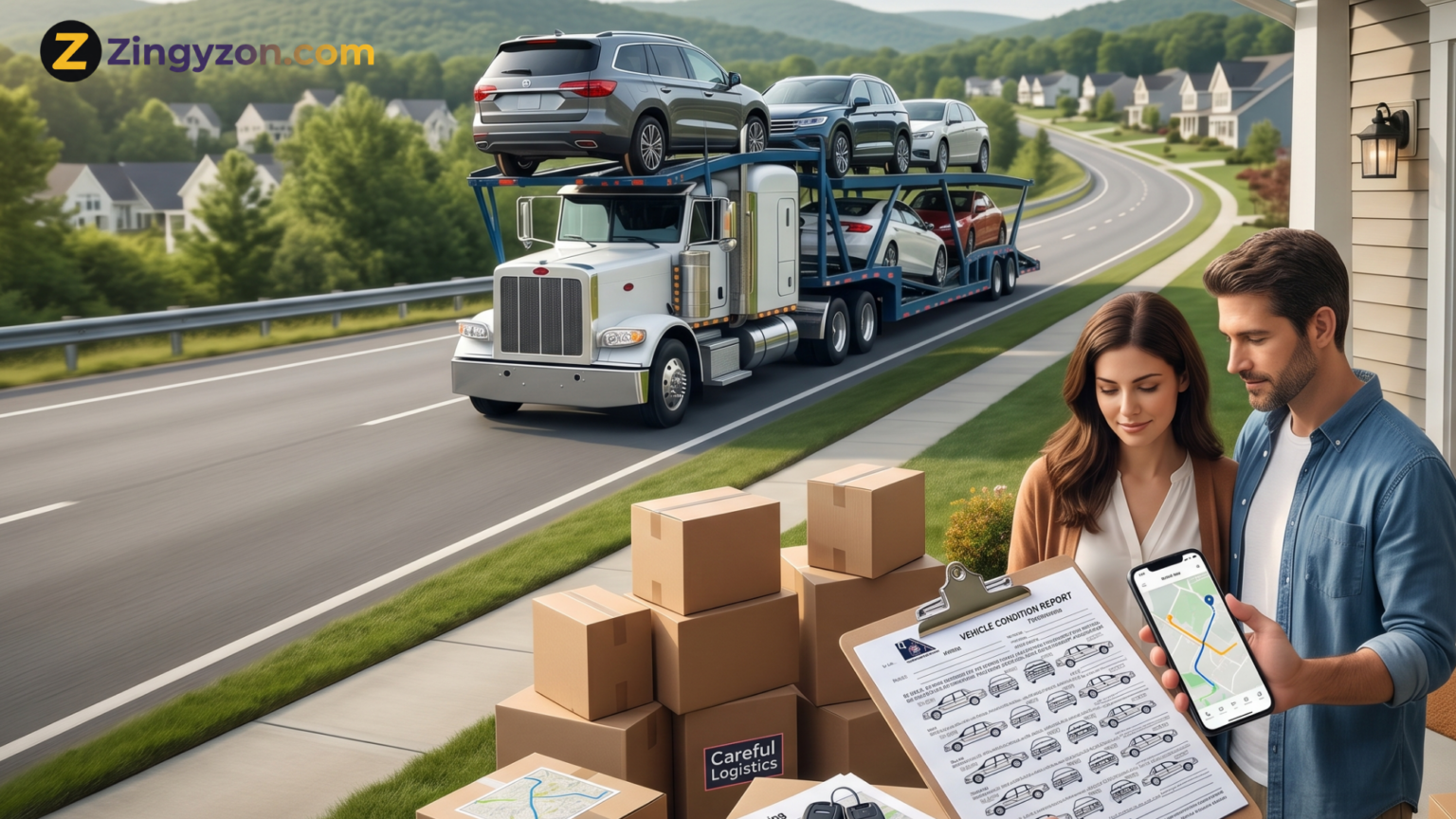
Moving to a new home involves dozens of connected decisions. You may be comparing movers, transferring utilities, packing fragile belongings, signing closing documents, and trying to keep everyday life running at the same time.
When a long-distance move also requires transporting a vehicle, many people assume that car shipping works like ordinary parcel delivery. They expect a fixed pickup time, a guaranteed arrival date, simple insurance coverage, and a truck that can stop directly outside either home.
That expectation creates unnecessary stress.
Professional vehicle transport is a specialised logistics service. The final schedule depends on carrier availability, route demand, weather, traffic, vehicle size, access restrictions, and the number of cars already assigned to a trailer. Pricing can also change as market conditions change.
Understanding these realities does not make the process more complicated. It makes it easier to plan correctly, recognise misleading offers, and protect the vehicle throughout the move.
This guide explains what people most often get wrong about shipping a car when moving—and what they should do instead.
Misconception 1: Every Auto Transport Company Owns the Truck
One of the most common misunderstandings is assuming that the company providing the quote will physically transport the vehicle.
The auto transport industry includes both motor carriers and brokers. These businesses perform different roles.
A motor carrier operates the truck and transports vehicles. A broker connects the customer with an authorised carrier and coordinates the shipment. Some businesses may operate under more than one type of authority, but customers should never assume this without checking.
Working with a broker is not automatically a disadvantage. A reputable broker may have access to numerous carriers and can help locate suitable capacity for a particular route and date.
The important point is transparency. The company should clearly explain whether it is acting as a carrier, broker, or both.
Before booking, ask:
- Will your company transport the car directly?
- Are you arranging a third-party carrier?
- When will I receive the carrier’s details?
- Which company’s insurance applies during transit?
- Who should I contact if there is a delay or damage claim?
The Federal Motor Carrier Safety Administration requires interstate auto transport brokers and carriers to register. Customers can use the company’s MC or USDOT information to confirm its authority through official FMCSA systems.
Misconception 2: The Lowest Quote Is Usually the Best Deal
Customers naturally compare prices, especially when moving expenses are already high. However, the lowest initial quote may not represent the final amount required to move the vehicle.
Auto transport rates are influenced by:
- Pickup and delivery locations
- Distance
- Vehicle dimensions and weight
- Whether the vehicle operates
- Open or enclosed transport
- Fuel costs
- Seasonal demand
- Carrier availability
- Route popularity
- Weather conditions
- Scheduling flexibility
- Expedited-service requests
A quote that sits far below the current market may not attract a willing carrier. The company may later request more money, delay dispatch, or pressure the customer to accept a different schedule.
Obtain several written quotes and compare what each includes. A realistic mid-range quote from a transparent company may provide better value than a dramatic bargain that changes shortly before the move.
Providers such as Rivalane Auto Transport explain that pricing depends on the route, vehicle, selected transport method, carrier availability, and seasonal demand. Regardless of which provider you consider, ask whether the price is an estimate, a binding rate, or subject to carrier acceptance.
A useful quotation should identify:
- Total anticipated price
- Deposit amount
- Remaining balance
- Accepted payment methods
- Cancellation terms
- Transport type
- Pickup window
- Delivery estimate
- Additional fees
- Conditions that could change the rate
Do not rely on a verbal promise when the written agreement says something different.
Misconception 3: Pickup Will Occur at an Exact Hour
People often schedule car shipping as though it were a home appliance delivery. They expect the truck to arrive at 10:00 a.m. on a particular date.
Auto transport typically operates through pickup and delivery windows rather than exact appointments.
A carrier may be collecting and delivering several vehicles across different cities. Traffic, loading time, inspections, weather, road closures, mechanical issues, and customer availability can affect the schedule.
A responsible company should provide realistic updates, but it cannot control every variable on the road.
Build flexibility into the move:
- Avoid scheduling pickup on the same morning as a flight.
- Do not assume the car will arrive before you do.
- Keep essential medication, identification, keys, and documents with you.
- Arrange a backup person who can release or receive the vehicle.
- Maintain temporary transportation options at the destination.
- Leave a small buffer between home closing, moving-day activities, and vehicle pickup.
The more flexible your pickup and delivery windows are, the easier it may be for a dispatcher to match the shipment with an active route.
Misconception 4: Door-to-Door Means the Truck Will Reach Your Driveway
Door-to-door transport usually means that the carrier will collect and deliver the vehicle as close to the requested addresses as safely and legally possible.
A large auto carrier may not be able to enter a narrow residential street. Low tree branches, weight restrictions, sharp turns, parked cars, gated communities, construction, overhead wires, and local ordinances can prevent direct access.
The driver may ask to meet at a nearby:
- Large parking lot
- Shopping centre
- Service plaza
- Wide commercial street
- Truck-accessible public area
This is normal and does not necessarily mean the service failed to meet its terms.
Before pickup, inspect both locations using maps and street-view tools. Tell the transport company about low clearances, gated access, difficult turns, or restricted roads.
A safe nearby meeting point is better than forcing a large trailer into a location where it could damage vehicles, trees, buildings, or utility lines.
Misconception 5: All Car Shipping Offers the Same Protection
The two most common options are open and enclosed transport.
With open car transport, vehicles travel on an uncovered multi-vehicle trailer similar to those commonly used for dealership deliveries. It is widely available and usually the more economical choice for standard cars.
Because the trailer is open, vehicles remain exposed to rain, dust, insects, and ordinary road conditions.
Enclosed transport places the vehicle inside a covered trailer. It may offer additional protection from weather and road debris, making it suitable for:
- Classic cars
- Exotic vehicles
- Rare models
- High-value vehicles
- Restored automobiles
- Cars with delicate paint or low clearance
Enclosed transport normally costs more and may have less route availability.
Open transport should not automatically be described as unsafe. It is a common method used to move everyday vehicles. The appropriate choice depends on the car’s value, condition, clearance, owner preferences, route, and budget.
Ask how the vehicle will be loaded, secured, and unloaded. Owners of modified or low-clearance cars should disclose those details before receiving a final quote.
Misconception 6: Carrier Insurance Covers Every Possible Loss
Insurance is one of the most misunderstood parts of auto transport.
Interstate carriers must maintain required financial-responsibility filings, but the existence of insurance does not mean that every type of loss is automatically covered without limits or exclusions.
Coverage may depend on:
- The carrier’s policy
- Cause of the damage
- Deductible
- Coverage limit
- Vehicle value
- Exclusions
- Condition report
- Claim deadlines
- Evidence provided by the customer
Ask for the assigned carrier’s insurance certificate and verify that it is current. Request written clarification about cargo coverage and whether the policy applies during loading and unloading.
Also contact your personal auto insurer. Your own policy may provide certain protection during transport, but you should never assume this without confirmation.
Remove valuable personal property because carrier cargo insurance may not cover belongings left inside the car.
Insurance discussions should happen before pickup—not after damage is discovered.
Misconception 7: The Bill of Lading Is Just a Receipt
The bill of lading is one of the most important documents in the shipment.
It typically records:
- Vehicle information
- Pickup and delivery details
- Existing damage
- Transport conditions
- Mileage
- Fuel level
- Customer and carrier acknowledgements
At pickup, you and the driver should inspect the car together. Existing scratches, dents, chips, and other visible conditions should be recorded accurately.
Do not sign a blank or incomplete condition report.
Take your own date-stamped photographs and video from multiple angles. Include:
- Front and rear
- Both sides
- Roof
- Wheels
- Windshield
- Mirrors
- Bumpers
- Interior
- Odometer
- Existing damage
At delivery, repeat the inspection before signing the final document. Compare the vehicle with the pickup photographs and condition report.
If new damage appears, note it clearly on the bill of lading before the driver leaves. Photograph the issue immediately and follow the stated claim procedure.
Signing a clean delivery receipt without recording visible damage may make a later claim more difficult.
Misconception 8: You Can Fill the Vehicle With Household Belongings
A car may appear to offer convenient extra storage during a move. People sometimes attempt to fill the trunk and seats with boxes, electronics, clothing, and personal items.
This can create several problems.
Auto carriers are licensed to transport vehicles, not necessarily household goods. Personal property may not be covered by the carrier’s cargo insurance. Additional weight can also affect trailer limits and loading arrangements.
Loose objects may shift and damage the vehicle’s interior. Visible belongings can also create a theft risk.
Some companies may allow a limited amount of property below the window line or inside the trunk. Others prohibit it entirely.
Never assume that belongings are allowed. Ask for the rule in writing before pickup.
Always remove:
- Cash
- Jewellery
- Identification
- Medication
- Electronics
- Firearms
- Important documents
- Toll tags
- Garage-door openers
- House keys
- Irreplaceable personal items
Even when limited belongings are permitted, understand that they may travel at the owner’s risk.
Misconception 9: The Car Must Have a Full Tank
A full fuel tank adds unnecessary weight and can complicate transport.
Many auto transport companies recommend leaving approximately one-quarter of a tank. This is generally enough to load, unload, and reposition the vehicle without carrying excessive fuel weight.
The vehicle should also be prepared mechanically.
Before pickup:
- Confirm that the battery holds a charge.
- Inflate the tires properly.
- Check for fluid leaks.
- Secure or remove loose accessories.
- Retract or remove the antenna where possible.
- Fold the mirrors.
- Disable the alarm.
- Remove detachable toll devices.
- Provide necessary keys.
- Inform the company about mechanical problems.
- Record current mileage.
If the car does not run, steer, brake, or roll normally, disclose this when requesting the quote. An inoperable vehicle may require a winch or other equipment and can cost more to transport.
Attempting to hide the condition may lead to delays, additional charges, or refusal at pickup.
Misconception 10: Washing the Car Before Shipping Is Cosmetic
Cleaning the exterior makes the inspection more accurate.
Dirt, salt, mud, or heavy dust can hide scratches and paint chips. A clean surface allows you and the driver to document the pre-transport condition clearly.
The car does not require professional detailing. A normal wash is usually sufficient.
Clean the interior enough to remove loose items. Check:
- Glove compartment
- Door pockets
- Centre console
- Trunk
- Cargo area
- Child-seat areas
- Under the seats
Keep the exterior free from temporary decorations, magnetic signs, removable spoilers, and loosely attached accessories.
Good preparation protects both parties by creating a reliable record of the vehicle’s condition.
Misconception 11: Delivery Dates Are Guaranteed Unless the Company Is Unreliable
A delivery estimate is not always a guaranteed appointment.
Transporters must account for highway conditions, driver-service limits, loading delays, weather, breakdowns, inspections, and route changes.
A professional company should not use ordinary uncertainty as an excuse for poor communication. However, a delay does not automatically prove negligence.
Ask the provider to distinguish between:
- Estimated transit time
- Pickup window
- Delivery window
- Guaranteed expedited service
- Conditions outside its control
Do not place essential items inside the vehicle based on an estimated arrival date.
If you need the car immediately after arriving at the new home, consider reaching the destination before the expected delivery or arranging a short-term rental.
Good planning treats the estimated date as a window rather than a promise unless a specific guarantee is written into the agreement.
Misconception 12: Shipping From Any Location Costs About the Same
Major metropolitan routes usually attract more carriers than remote or lightly travelled locations.
A vehicle moving between large cities may be easier to schedule than one requiring a significant detour into a rural area. Remote pickup or delivery can increase price, reduce carrier interest, or extend the waiting period.
If you live far from a major route, ask whether meeting the carrier in a nearby city could reduce cost or improve scheduling.
This approach is not always necessary, and convenience matters. However, it can provide another option when carrier availability is limited.
Season also affects route demand. Snowbird movements, severe winter weather, holidays, auctions, college schedules, and relocation peaks can change pricing and capacity.
Book early enough to compare options, but understand that rates obtained many months ahead may remain estimates until the shipment date approaches.
Misconception 13: Online Reviews Are Enough to Verify a Company
Reviews can reveal patterns in communication and customer service, but they should not replace regulatory verification.
A polished website or high review score does not prove that a business has active authority or current insurance filings.
For interstate U.S. transport, check:
- Legal company name
- MC number
- USDOT number where applicable
- Authority status
- Broker or carrier classification
- Business contact details
- Insurance information
- Complaint patterns
- Written terms
The FMCSA warns consumers to be cautious when a website does not clearly identify whether the company is a broker or carrier. It also advises checking the company’s registration.
Be careful when:
- The price is far below other quotes.
- The business will not provide an MC number.
- The company demands full payment before assigning a carrier.
- Payment is requested through gift cards or an unusual transfer method.
- The contract contains blank fields.
- The company name differs across the website, invoice, and payment request.
- Representatives refuse to answer insurance questions.
- Pickup is promised instantly without route confirmation.
- High-pressure tactics are used to demand immediate payment.
Take time to verify the company before handing over your vehicle or financial details.
Misconception 14: Booking the Car Is Separate From Planning the Move
Vehicle transport should be integrated into the wider relocation schedule.
Consider:
- When you must vacate the current property
- Whether the carrier can access the street
- Your departure date
- Your arrival date
- Temporary transportation
- Who can release or receive the car
- Parking rules at the new home
- Registration and insurance requirements in the destination state
- Whether a homeowners association or gated community restricts large trucks
If a friend or family member will handle pickup or delivery, provide written authorisation and ensure they understand the inspection process.
Keep transport documents, photographs, company contacts, and insurance details in an accessible digital folder rather than packing them inside a moving box.
For more relocation, property, and household planning guides, visit zingyzon.com.
A Better Step-by-Step Car Shipping Plan
Four to Six Weeks Before the Move
- Research brokers and carriers.
- Request several written quotes.
- Verify registration.
- Decide between open and enclosed transport.
- Review cancellation and payment terms.
- Ask about personal belongings and insurance.
One to Two Weeks Before Pickup
- Confirm the pickup window.
- Identify a backup contact.
- Select an accessible meeting location.
- Arrange temporary transportation.
- Review the carrier’s insurance.
- Prepare digital copies of all documents.
One or Two Days Before Pickup
- Wash the vehicle.
- Remove personal belongings.
- Check tires, battery, and fluids.
- Leave the recommended fuel level.
- Disable alarms and remove toll tags.
- Photograph the complete vehicle.
At Pickup
- Verify the driver and carrier.
- Inspect the car together.
- Ensure all existing damage is recorded.
- Read the bill of lading.
- Keep a signed copy.
At Delivery
- Inspect the vehicle before signing.
- Compare it with pickup photographs.
- Check the roof and lower body where visible.
- Start the car and observe obvious problems.
- Note new damage on the bill of lading.
- Take photographs immediately.
- Follow the claim process without delay.
Frequently Asked Questions
How far ahead should I book car shipping?
Several weeks of notice can provide more flexibility, especially during busy seasons. However, the ideal timing depends on the route, location, season, and transport method.
Is open transport suitable for a normal family car?
Open transport is commonly used for everyday vehicles. Enclosed transport may be preferred for rare, classic, luxury, or highly valuable cars.
Can someone else release or receive my vehicle?
Many companies allow an authorised adult to act on your behalf. Confirm the requirements beforehand and ensure that person understands how to inspect the vehicle and complete the paperwork.
Will the vehicle be delivered directly to my new house?
The carrier will generally attempt to deliver as close as safely and legally possible. A nearby meeting point may be necessary when the street cannot accommodate a large truck.
Should I tip the driver?
Tipping is generally optional rather than mandatory. Review your contract and make the decision based on service quality and personal preference.
What should I do if the car arrives damaged?
Record the damage on the delivery paperwork before signing, take photographs, preserve all documents, and contact the transport company and insurer promptly.
Final Thoughts
The biggest car-shipping mistakes begin with unrealistic assumptions.
The company arranging the shipment may be a broker rather than the carrier. The lowest quote may not attract a truck. Door-to-door service may require a nearby meeting place, and delivery dates may be estimates rather than guaranteed appointments.
Insurance also requires careful review. It should never be treated as a reason to skip the pickup inspection, condition report, or delivery photographs.
A successful shipment depends on preparation, documentation, realistic scheduling, and regulatory verification. Compare written terms rather than marketing claims, disclose the vehicle’s true condition, and keep essential items outside the car.
When car transport is planned as part of the whole move—not as a last-minute separate task—it becomes easier to manage, easier to document, and far less likely to create problems during the transition to a new home.


Keep Exploring Zingyzon.com
Read more Zingyzon SEO, digital marketing, online earning, business, and technology guides for Australia, USA, and global readers.