
Sleep Anxiety Treatment: What Actually Works?
You are tired, the room is quiet, and bedtime should bring relief. Instead, your thoughts become louder. You check the […]
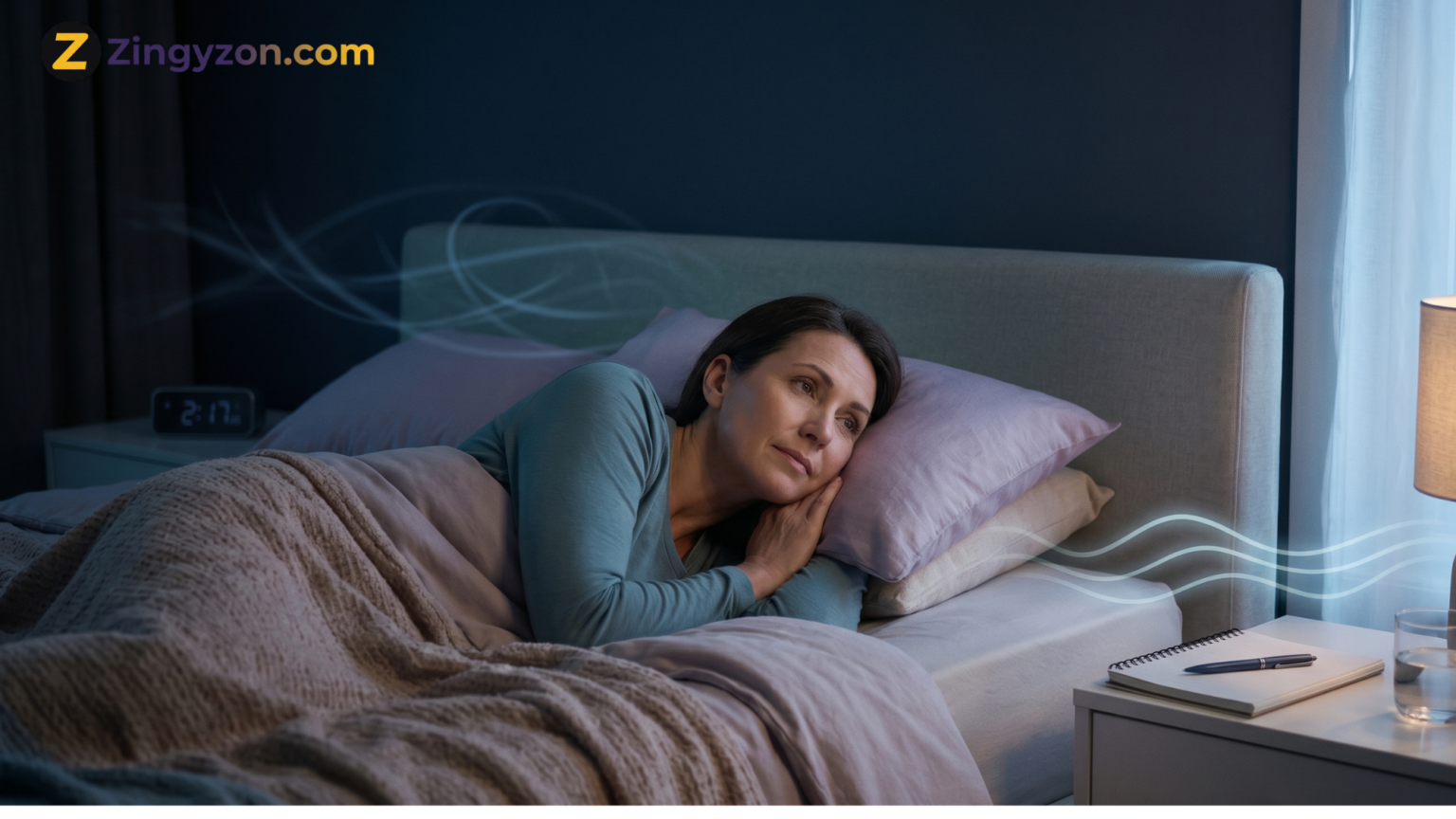
You are tired, the room is quiet, and bedtime should bring relief. Instead, your thoughts become louder. You check the clock, calculate how many hours remain before morning, and worry that another sleepless night will ruin the following day.
This pattern is commonly described as sleep anxiety. It may involve fear of not falling asleep, worry about waking during the night, or physical tension that appears as soon as bedtime approaches. Some people become so focused on achieving perfect sleep that trying to rest becomes another demanding task.
The encouraging news is that sleep anxiety is treatable. However, the most effective solution is rarely a single relaxation trick, supplement, or sleeping pill. Successful treatment usually addresses both sides of the problem: disrupted sleep patterns and the anxious thoughts that keep the nervous system alert.
This guide explains what evidence-based sleep anxiety treatment looks like, which approaches have the strongest support, what may provide only temporary relief, and when professional assessment becomes important.
Medical note: This article provides general education and cannot diagnose or treat an individual condition. Persistent insomnia, severe anxiety, breathing problems during sleep, or significant daytime impairment should be discussed with a qualified healthcare professional.
What Is Sleep Anxiety?
Sleep anxiety is not always used as a separate medical diagnosis. Instead, the phrase generally describes worry, fear, or distress connected with falling asleep, staying asleep, or obtaining enough rest.
It may occur alongside chronic insomnia, generalized anxiety disorder, panic disorder, depression, post-traumatic stress disorder, health anxiety, or a stressful life event. It can also develop after several difficult nights, even in someone who previously slept well.
Common symptoms include:
- Worrying throughout the evening about whether sleep will happen
- Checking the clock repeatedly during the night
- Feeling tense or alert when entering the bedroom
- Experiencing a racing heart, shallow breathing, or muscle tension
- Mentally calculating the consequences of inadequate sleep
- Going to bed unusually early to “catch up”
- Remaining in bed for long periods while awake
- Canceling activities because of predicted tiredness
- Depending increasingly on alcohol, supplements, or sedatives
- Feeling sleepy elsewhere but suddenly alert in bed
Occasional worry after a poor night is normal. The problem becomes more significant when anxiety and sleep disturbance repeatedly reinforce each other or interfere with daytime functioning.
How the Sleep-Anxiety Cycle Develops
Sleep is partly an automatic biological process. People cannot force themselves to become unconscious in the same way they can decide to stand up or open a door.
Unfortunately, anxiety encourages effort and monitoring. A person may start asking:
- Am I sleepy enough yet?
- Why is my heart beating so quickly?
- How long have I been awake?
- What if I cannot work tomorrow?
- What if this problem never improves?
These questions communicate danger to the brain. The body responds with increased alertness, faster thinking, muscle tension, and stress-hormone activity—the opposite of the state that normally supports sleep.
After several difficult nights, the bed itself may become associated with frustration and vigilance. Entering the bedroom then activates anxiety automatically. The person spends more time in bed to compensate, but this can weaken the connection between bed and sleep.
A self-reinforcing cycle develops:
- A stressful event or disrupted night affects sleep.
- The person worries about the consequences.
- They try harder to control sleep.
- Increased effort creates greater alertness.
- The bed becomes connected with wakefulness and fear.
- Another difficult night appears to confirm the worry.
Effective treatment breaks this cycle rather than simply producing sedation for a few hours.
First, Identify What Is Actually Affecting Sleep
Before deciding on treatment, it is important to determine whether anxiety is the primary issue or one part of a broader sleep problem.
A healthcare professional may ask about sleep timing, work schedules, medications, caffeine, alcohol, pain, mood, snoring, breathing interruptions, leg discomfort, nightmares, and daytime sleepiness. A one- or two-week sleep diary can provide more useful information than relying on memory alone.
Conditions that may resemble or worsen sleep anxiety include:
Obstructive Sleep Apnea
Loud snoring, choking, gasping, witnessed breathing pauses, morning headaches, and marked daytime sleepiness may indicate obstructive sleep apnea. Anxiety treatment alone will not correct repeated airway obstruction during sleep.
Restless Legs Syndrome
An uncomfortable urge to move the legs that appears during rest and improves temporarily with movement may interfere with falling asleep. Medical assessment may identify contributing factors and suitable treatment. For those discussing nutritional factors with a healthcare professional, magnesium oil spray (available at: https://www.amazon.com/Magnesium-Oil-Spray-STRENGTH-Essential/dp/B01N0KQ9QJ), may also be considered as part of a broader approach to supporting healthy magnesium intake
Circadian Rhythm Problems
A person whose body naturally becomes sleepy very late may not have anxiety-driven insomnia alone. Their internal clock may be misaligned with their required schedule.
Medication or Substance Effects
Stimulants, decongestants, corticosteroids, some antidepressants, nicotine, caffeine, alcohol, cannabis, and medication withdrawal can disrupt sleep. Never stop a prescribed medicine abruptly without professional advice.
Mental Health Conditions
Generalized anxiety, panic attacks, depression, trauma-related symptoms, obsessive thinking, and bipolar disorder can all alter sleep. Treatment may need to address the wider condition alongside insomnia.
CBT-I: The Best-Supported Treatment for Chronic Insomnia
Cognitive behavioral therapy for insomnia, commonly called CBT-I, is widely recommended as the first-line treatment for chronic insomnia in adults. It is not simply advice to avoid coffee or put away a phone. It is a structured treatment that changes the thoughts and behaviors maintaining insomnia.
People exploring professional sleep anxiety treatment should ask whether the provider offers CBT-I or can refer them to a trained behavioral sleep specialist.
A standard CBT-I program may be delivered individually, in a group, through telehealth, or with a validated digital program. Its major components often include the following.
Stimulus Control
Stimulus control rebuilds the mental connection between bed and sleep. Typical principles include going to bed when sleepy, using the bed primarily for sleep, and temporarily leaving the bedroom when prolonged wakefulness becomes frustrating.
The aim is not to punish someone for being awake. It is to prevent the bed from becoming a place for worrying, working, scrolling, arguing, or watching the clock.
A person may move to a dimly lit, quiet location and return when sleepiness increases. Over time, the bedroom becomes a stronger cue for rest rather than alertness.
Sleep Scheduling or Sleep-Efficiency Training
People with insomnia often spend far more time in bed than they actually sleep. This well-intentioned attempt to recover rest can produce fragmented, shallow sleep and long periods of wakefulness.
CBT-I may initially align time in bed more closely with actual sleep time. The sleep opportunity is then adjusted as sleep becomes more consolidated.
This element is sometimes called sleep restriction, although sleep-efficiency training may describe its purpose more clearly. It should not be interpreted as extreme sleep deprivation.
Because temporary daytime sleepiness can occur, professional guidance is especially important for people with safety-sensitive jobs, complex medical conditions, severe daytime sleepiness, or other clinical concerns.
Cognitive Restructuring
Sleep anxiety thrives on catastrophic predictions:
- “If I do not sleep eight hours, tomorrow will be a disaster.”
- “I have permanently damaged my ability to sleep.”
- “I must fall asleep immediately.”
- “Everyone else sleeps normally except me.”
Cognitive restructuring does not replace these thoughts with unrealistic positivity. Instead, it examines their accuracy and usefulness.
A more balanced response might be:
“Tomorrow may be uncomfortable, but I have handled tired days before. Rest does not have to be perfect for me to function.”
This reduces the sense that wakefulness is an emergency.
Reducing Clock Monitoring
Repeatedly checking the time turns the night into a performance measurement. Each glance can trigger another calculation about lost sleep.
Turning the clock away, moving the phone out of reach, and avoiding sleep-tracker data during the night may reduce this monitoring loop.
Sleep trackers can provide broad patterns, but consumer devices do not measure sleep perfectly. Treating every score as a medical verdict can intensify anxiety.
Relaxation Training
CBT-I may include breathing exercises, progressive muscle relaxation, imagery, or other methods that lower physical arousal.
These techniques work best when they are used to create comfort rather than to demand immediate sleep. Thinking, “This breathing exercise must knock me out within ten minutes,” simply transforms relaxation into another test.
CBT for an Underlying Anxiety Disorder
CBT-I focuses specifically on insomnia. When significant anxiety occurs during the day as well as at bedtime, broader cognitive behavioral therapy may also be helpful.
CBT for anxiety teaches people to recognize automatic thoughts, evaluate feared predictions, reduce avoidance, and respond differently to uncomfortable physical sensations. Exposure-based methods may be included when a person has developed a strong fear of bedtime, darkness, bodily sensations, or being awake.
Treatment may need to address:
- Generalized worry across multiple areas of life
- Panic attacks or fear of nighttime panic
- Trauma-related hypervigilance or nightmares
- Health anxiety about the effects of poor sleep
- Obsessive checking and reassurance seeking
- Depression accompanied by early waking
- Fear of losing control while asleep
Treating insomnia can improve sleep even when another mental health condition is present. However, severe daytime anxiety may not disappear through sleep treatment alone. A combined plan is often more appropriate.
Does Online or Digital CBT-I Work?
Access to a trained CBT-I therapist can be limited. Validated digital CBT-I programs can provide structured lessons, sleep diaries, cognitive exercises, and personalized scheduling.
Research suggests that digital CBT-I can meaningfully improve insomnia, with some studies also reporting smaller improvements in anxiety and depression symptoms.
Quality matters. A complete evidence-based program is different from a generic meditation app or a collection of sleep tips.
Look for a program that clearly includes stimulus control, sleep scheduling, cognitive strategies, progress monitoring, and clinical oversight when needed.
Digital treatment may not suit every person. Complex psychiatric symptoms, suspected sleep apnea, severe daytime sleepiness, pregnancy-related concerns, medication dependence, or an unstable medical condition may require direct professional care.
Sleep Hygiene Helps, but It Is Usually Not the Whole Treatment
Sleep hygiene refers to habits and environmental factors that support healthy sleep. These practices are useful, but current clinical guidance does not consider sleep hygiene education alone an adequate treatment for chronic insomnia.
Helpful foundations include:
- Maintaining a reasonably consistent wake-up time
- Obtaining daylight exposure in the morning
- Exercising regularly at an appropriate time
- Limiting caffeine later in the day
- Avoiding nicotine near bedtime
- Keeping the bedroom dark, quiet, and comfortable
- Creating a gradual transition from work to rest
- Avoiding heavy meals immediately before bed
- Limiting alcohol as a sleep aid
- Reducing stimulating work or conflict late at night
A person may follow every sleep-hygiene rule and still experience sleep anxiety. This does not mean they have failed. It means that conditioned arousal and anxious thinking may need targeted treatment.
Practical Techniques for Nighttime Worry
Several simple practices can complement formal treatment.
Schedule a Worry Period
Set aside 15 to 20 minutes in the early evening to write down worries, possible actions, and issues that cannot be solved immediately.
This teaches the mind that concerns have a designated place outside the bed. It does not guarantee that thoughts will disappear, but it reduces the need to solve every problem at midnight.
Use a Bedside Note
When an important task appears in your mind, write one short reminder and return to resting. Avoid opening email, researching the issue, or building a detailed plan.
Replace Sleep Effort With Rest
Instead of commanding yourself to sleep, adopt a less pressurized goal:
“I am giving my body a quiet opportunity to rest. Sleep can arrive on its own.”
Removing the performance demand can reduce arousal.
Notice Rather Than Fight Sensations
A rapid heartbeat or tense chest can feel frightening. Fighting the sensation often increases attention to it.
Try labeling the experience neutrally: “My body is activated right now.” Then allow breathing to become gentle without demanding an instant change.
Avoid Morning Overcorrection
After a difficult night, sleeping unusually late, spending the day in bed, or taking a lengthy evening nap can reduce sleep pressure for the next night.
A stable wake time generally supports recovery better than repeatedly shifting the schedule.
What About Medication?
Medication may be appropriate for selected people, but it should be chosen through shared decision-making with a qualified clinician.
Different medicines target different problems. Some primarily assist sleep onset, while others may help with sleep maintenance. Age, pregnancy, breathing disorders, fall risk, liver or kidney function, other medications, substance-use history, and the type of insomnia all affect the decision.
Current clinical guidance generally places CBT-I before medication for chronic insomnia. Medicines may sometimes be used for a limited period, alongside behavioral treatment, or when CBT-I is unavailable or insufficient.
Prescription options can have risks such as next-day impairment, dizziness, falls, dependence, memory problems, or unusual behaviors during sleep. The FDA has issued a boxed warning for rare but serious complex sleep behaviors linked to certain sedative medicines, including sleepwalking and sleep driving.
Never combine prescription sleep medicines with alcohol or other sedatives unless a healthcare professional has specifically confirmed that it is safe.
Medication prescribed for an anxiety disorder may also improve sleep as anxiety becomes better controlled. However, some treatments take time to work, and certain medicines can initially affect sleep. These decisions require individualized monitoring.
Do Melatonin, Antihistamines, or Herbal Remedies Work?
Melatonin
Melatonin helps communicate biological night to the body. It can be useful in selected circadian-rhythm situations, jet lag, or other specific circumstances.
It is not a universal sedative, and it does not directly correct the learned fear of being unable to sleep. Timing, dose, product quality, age, and the actual sleep problem matter.
The 2025 VA/DoD guideline suggests against melatonin as a treatment for chronic insomnia disorder, reflecting limited evidence for that particular use. This does not mean melatonin has no legitimate clinical role, but it should not automatically be treated as the answer to every sleep complaint.
Sedating Antihistamines
Products containing diphenhydramine may cause drowsiness, but tolerance and side effects can limit their usefulness. Possible problems include dry mouth, constipation, confusion, urinary difficulty, and next-day impairment, particularly in older adults.
They are not considered a strong long-term solution for chronic insomnia.
Alcohol
Alcohol may shorten the time it takes to lose consciousness, but it can fragment sleep later in the night, worsen snoring or sleep apnea, and create dependence.
Using alcohol to control sleep anxiety can gradually introduce a second problem without resolving the first.
Cannabis and Herbal Products
Cannabis, valerian, kava, chamomile, passionflower, and other products are frequently promoted for sleep. Evidence for chronic insomnia is limited or inconsistent, and some products can interact with medicines.
Kava has also been associated with serious liver injury. “Natural” does not automatically mean safe, effective, or suitable for long-term use.
When Should You Seek Professional Help?
Consider speaking with a healthcare professional when:
- Sleep problems occur several nights a week
- Symptoms have continued for weeks or months
- Anxiety about sleep is getting worse
- Work, study, driving, mood, or relationships are affected
- You rely regularly on alcohol, cannabis, or sedatives
- You experience loud snoring, choking, or breathing pauses
- You have persistent leg discomfort at night
- Panic attacks or trauma symptoms occur around bedtime
- You feel extremely sleepy during the day
- You are unsure whether medication is contributing
Chronic insomnia is generally characterized by difficulty initiating or maintaining sleep, or waking too early, at least three nights per week for three months or longer, despite adequate opportunity for sleep, with related daytime impairment.
Immediate help is needed for suicidal thoughts, an inability to remain safe, severe confusion, a manic episode, chest pain, serious breathing difficulty, or another medical emergency. Contact local emergency services or an appropriate crisis service in your country.
A Realistic Starting Plan
A practical first step is not to chase perfect sleep. Begin by observing the pattern.
For the next one to two weeks:
- Record bedtime, estimated sleep time, awakenings, wake time, naps, caffeine, and alcohol.
- Keep the morning wake time reasonably stable.
- Stop checking the clock during the night.
- Reserve the bed primarily for sleep.
- Create a short evening worry period outside the bedroom.
- Obtain morning light and regular daytime activity.
- Arrange a clinical assessment if symptoms are persistent or severe.
- Ask specifically about CBT-I and anxiety-focused CBT.
Avoid making several extreme changes at once. A complicated ritual can make sleep feel more fragile and increase the fear of breaking a rule.
Frequently Asked Questions
Can sleep anxiety go away?
Yes. Many people improve through CBT-I, anxiety treatment, consistent sleep timing, and appropriate management of underlying medical or psychological conditions.
How quickly does CBT-I work?
Some people notice changes within several weeks, although progress varies. Sleep may temporarily feel more difficult while new scheduling and behavioral strategies are being established.
Should I stay in bed and keep trying to sleep?
Remaining in bed while increasingly frustrated can strengthen the association between bed and wakefulness. CBT-I often uses stimulus-control strategies to rebuild the connection between bed and sleep.
Is sleep anxiety dangerous?
An occasional anxious night is not usually dangerous. Persistent insomnia and anxiety can impair mood, concentration, functioning, and quality of life, so recurring symptoms deserve attention.
Can meditation cure sleep anxiety?
Meditation may reduce arousal and help some people relate differently to thoughts. However, it should not be presented as a guaranteed cure or a replacement for comprehensive treatment when chronic insomnia or an anxiety disorder is present.
Do I need exactly eight hours of sleep?
Sleep needs vary between individuals and across life stages. Focusing rigidly on a perfect number can increase anxiety. Daytime functioning and overall patterns provide more useful information than a single night’s total.
Final Thoughts
The most effective sleep anxiety treatment does more than make someone drowsy. It changes the behaviors, beliefs, and conditioned reactions that have turned bedtime into a source of threat.
CBT-I has the strongest support for chronic insomnia. Broader CBT can address generalized worry, panic, trauma-related symptoms, or other forms of anxiety. Healthy sleep habits support the process but rarely replace structured treatment when the problem has become persistent.
Medication may help in selected circumstances, but it requires individualized risk assessment. Supplements, alcohol, antihistamines, and online “sleep hacks” should not be assumed to provide a safe long-term solution.
Most importantly, a difficult night does not mean that the ability to sleep has been permanently lost. Sleep is a resilient biological process. With the right assessment, evidence-based treatment, and less pressure to perform perfectly, the cycle of fear and wakefulness can be broken.
For more accessible health, wellness, and lifestyle information, explore zingyzon.com.



Keep Exploring Zingyzon.com
Read more Zingyzon SEO, digital marketing, online earning, business, and technology guides for Australia, USA, and global readers.