
Modern Home Decoration Lamp Matching Styles Guide
Lighting does more than help you see after sunset. The right lamp can make an empty corner feel intentional, soften […]
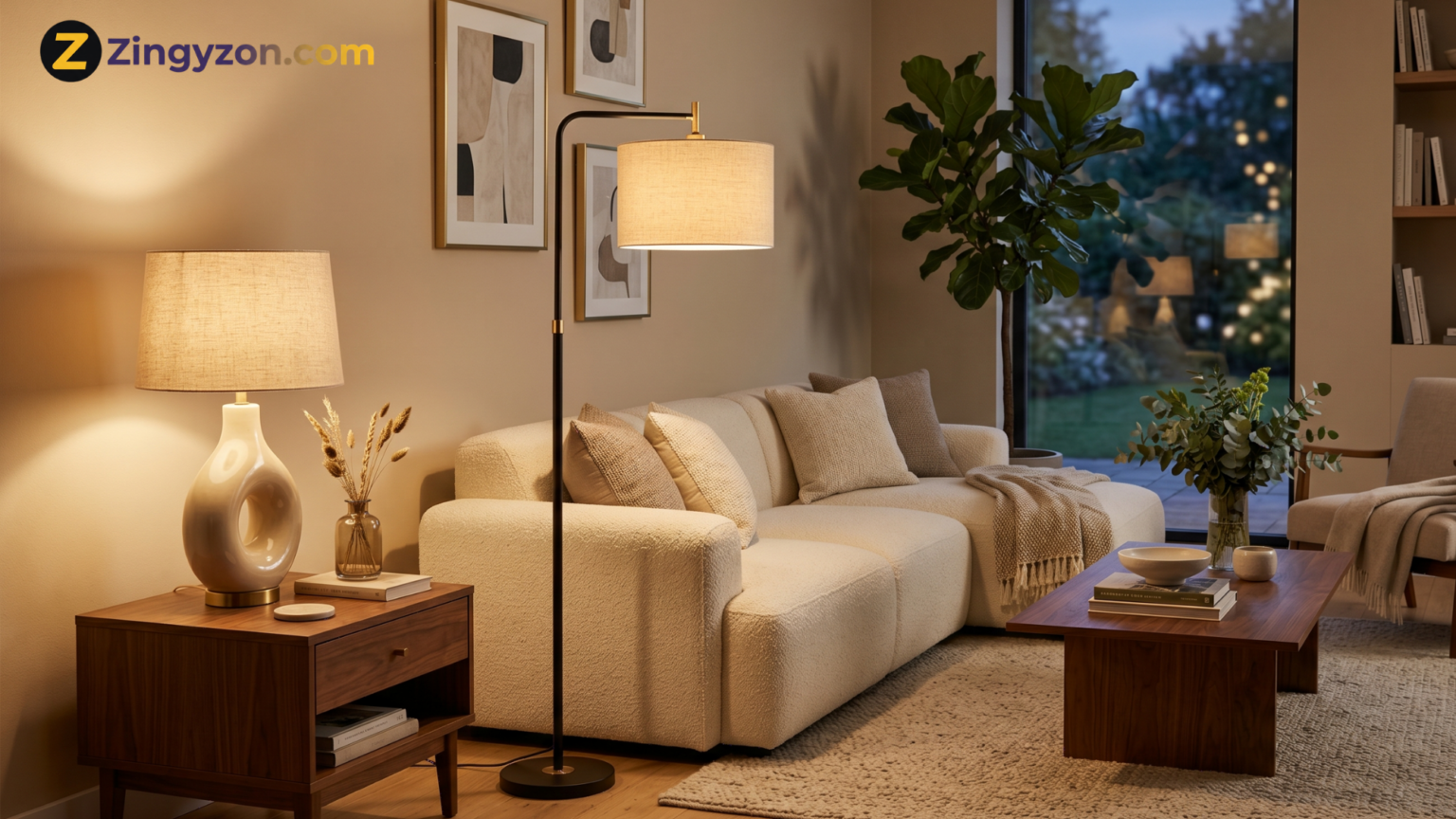
Lighting does more than help you see after sunset. The right lamp can make an empty corner feel intentional, soften an overly formal room, highlight favourite furniture, and connect separate decorative elements. Yet many people choose lamps only by appearance. A beautiful lamp may still look awkward when its height, shade, material, colour, or light output does not suit the space.
This modern home decoration lamp matching styles guide explains how to select table lamps, floor lamps, desk lamps, and decorative lighting for popular interiors. It also covers scale, placement, colour temperature, shade selection, and common mistakes, helping you create rooms that feel balanced during the day and welcoming at night.
Why Lamp Matching Matters in Modern Home Decoration
A lamp is both practical and decorative. Switched off, it contributes shape, colour, texture, and visual weight. Switched on, it changes how nearby surfaces and furniture appear.
Good lamp matching creates continuity. A black metal floor lamp may repeat the finish of picture frames or chair legs. A ceramic table lamp can echo the curves of a vase, while a linen shade can soften a room filled with glass, concrete, or polished wood.
Matching does not mean making every item identical. Rooms often feel more natural when finishes and forms are related rather than copied exactly. The objective is to create a clear visual connection between the lamp and its surroundings.
Begin with the Lamp’s Purpose
Before comparing styles, decide what the lamp needs to do. A decorative lamp may provide ambience, but a reading lamp must direct usable light onto a chair or book. A bedroom lamp should support relaxation, while a home-office lamp needs to illuminate the work surface without causing distracting glare.
Most rooms benefit from three lighting layers:
- Ambient lighting provides general illumination.
- Task lighting supports reading, writing, cooking, or grooming.
- Accent lighting highlights art, plants, textures, or architectural details.
A tall floor lamp with a diffused shade can improve ambient lighting. An adjustable desk lamp provides task light. A small sculptural lamp on a console works as an accent. Combining layers prevents one bright ceiling fixture from making the room feel flat.
For related ideas on using lighting and simple upgrades to improve daily comfort, explore this guide from Zingyzon.com.
Identify Your Interior Style
Look at the furniture lines, dominant colours, metal finishes, textiles, and decorative objects already in the room. Then identify the style that appears most strongly. Your lamp can either support that style or introduce a controlled contrast.
Modern and Contemporary Style
Modern interiors favour clean lines, simple geometry, and uncluttered surfaces. Choose lamps with slim profiles, globe shades, smooth metal, frosted glass, or restrained sculptural bases. Matte black, white, brushed brass, chrome, and smoked glass are reliable finishes.
A black arc floor lamp can complement a low sofa, while globe table lamps can balance a streamlined bedroom. Contemporary rooms also allow artistic forms, coloured glass, or asymmetrical bases. When the lamp is bold, keep nearby accessories quiet so the space does not feel crowded.
Minimalist Style
Minimalism depends on proportion and purpose. Suitable choices include narrow floor lamps, simple mushroom lamps, compact wall-mounted lights, and table lamps with clean silhouettes. Select limited colours such as cream, white, charcoal, black, pale wood, or muted metal.
Because minimalist rooms contain fewer objects, construction quality becomes more visible. Check the finish, cord placement, switch, and base stability. Add warmth through linen, frosted glass, paper, or natural wood.
Scandinavian Style
Scandinavian decoration combines simplicity with comfort. Lamps often feature pale timber, rounded shapes, woven details, soft white shades, and gentle neutral colours. The light should feel diffused and welcoming rather than sharp.
A timber tripod lamp suits a living room, while a small ceramic lamp works beside a bed. One black fixture can add contrast, but several heavy dark lamps may overpower an airy scheme.
Industrial Style
Industrial rooms use materials associated with workshops and warehouses. Blackened steel, aged brass, concrete, iron, cage shades, exposed hardware, and adjustable arms are natural choices.
Balance is essential. A refined metal lamp can complement exposed brick, leather, or reclaimed wood. Use warm light and soft textiles to prevent hard surfaces and dark metal from making the room feel cold.
Mid-Century Modern Style
Mid-century modern interiors are known for tapered legs, warm wood, organic curves, functional shapes, and controlled colour. Look for globe shades, cone shades, tripod bases, slender arms, brass details, and walnut finishes.
A walnut lamp with an off-white drum shade connects easily with wooden furniture. Mustard, olive, rust, teal, cream, and warm brass also suit the style. Repeat a strong lamp colour subtly in artwork or a cushion.
Traditional and Transitional Style
Traditional rooms often include symmetry, detailed furniture, rich wood tones, and classic fabrics. Ceramic, brass, glass, carved wood, and urn-shaped lamp bases fit naturally. Bell, empire, pleated, and soft fabric shades reinforce the classic character.
Pairs of lamps work well on bedside tables, consoles, or sideboards. Small lamps can disappear on a large chest, while oversized lamps may block a mirror or artwork. For a transitional look, combine a classic base with a clean drum shade.
Farmhouse and Rustic Style
Farmhouse and rustic interiors favour natural texture, aged finishes, practical forms, and comfortable colours. Consider stoneware, distressed wood, woven shades, muted ceramic glaze, linen, and antique-inspired metal.
A substantial ceramic lamp balances a solid wooden table. For modern farmhouse style, pair black or aged brass with a white or oatmeal shade. Keep other distressed details limited.
Coastal and Bohemian Styles
Coastal rooms suit clear glass, pale ceramic, whitewashed timber, rattan, and woven fibre in sandy or sea-inspired colours. Limit obvious nautical symbols.
Bohemian rooms welcome coloured glass, carved wood, patterned shades, tassels, and handmade ceramics. Connect the lamp with one existing colour, texture, or shape so the eclectic result still feels intentional.
Glamorous and Art Deco Style
Glamorous and Art Deco interiors use polished materials, geometry, contrast, and visual drama. Brass, gold, chrome, marble, smoked glass, crystal, glossy black, and ribbed glass are suitable materials.
Choose stepped bases, symmetrical forms, fan-like details, or geometric shades. Since reflective objects attract attention, let the lamps provide the main shine and keep nearby accessories restrained.
Match Lamp Scale with Furniture
Proportion is one of the most important parts of lamp selection. The lamp should look stable on the furniture beneath it and should not interfere with how the room is used.
For bedside lamps, the shade’s lower edge should sit near a comfortable eye level when you are seated or reclining. In a living room, the lamp should illuminate the seat without towering over the sofa.
The shade must relate to the base. A tiny shade makes a broad base look awkward, while an oversized shade overwhelms a narrow stem. It should also conceal the bulb holder from normal viewing angles.
Floor lamps require both vertical and horizontal space. Arc lamps need clearance for their curved arms. Tripod lamps use a wider footprint and may obstruct narrow walkways. Slim upright lamps are usually better for compact corners.
Before ordering, measure the table, floor area, nearby furniture, outlet position, cord route, and walkway clearance.
Coordinate Colours without Overmatching
Identify the room’s dominant colour, secondary colour, and accent colour. The lamp can blend with the dominant shade, connect with the secondary shade, or strengthen the accent.
Neutral lamps suit rooms with strong patterns or several colours. Black, cream, white, clear glass, and natural wood are flexible. A coloured lamp can energise a quiet room when its tone is repeated in art, textiles, or plants.
Metal finishes do not need to match perfectly. Brushed brass can work with matte black, while chrome can coordinate with cool grey and silver. Repetition makes the combination intentional. Echo each important finish at least once through a handle, frame, tray, or furniture detail.
Choose a Suitable Lamp Material
Material changes the visual mood of a lamp:
- Ceramic feels substantial and works with modern, coastal, farmhouse, traditional, and eclectic interiors.
- Glass creates visual lightness and suits modern, coastal, glamorous, and transitional rooms.
- Wood adds warmth to Scandinavian, rustic, mid-century, and organic designs.
- Metal can look sleek, industrial, classic, or luxurious depending on its finish and shape.
- Rattan and woven fibres add texture to coastal, bohemian, Scandinavian, and casual spaces.
- Stone, marble, and concrete provide weight for modern, industrial, and luxury interiors.
Contrast improves balance: woven fibre softens polished furniture, metal sharpens a fabric-heavy room, and clear glass lightens a dark table.
Select the Right Lampshade
The shade affects style, brightness, direction, and comfort. Drum shades are clean and versatile. Empire and bell shades feel more traditional. Cone, dome, and globe forms can appear modern, retro, or industrial depending on the material.
Fabric and paper shades diffuse light and create a gentle glow. Opaque metal shades direct light more strongly, making them useful for reading or desks. Clear glass exposes the bulb and creates sparkle, but it can also produce glare when the bulb is too bright.
White and cream shades are flexible, but darker, coloured, or patterned shades can work. Pair a bold shade with a simple base, or a decorative base with a plain shade.
Match Colour Temperature and Brightness
Light colour is measured in kelvins. Lower numbers appear warmer and more yellow, while higher numbers appear cooler and more blue-white.
Warm white light around 2700K to 3000K generally creates a comfortable atmosphere in living rooms and bedrooms. Kitchens, bathrooms, and work areas may benefit from a clearer neutral white, depending on the tasks and surface colours. Try not to mix strongly warm and strongly cool bulbs within one small room unless the contrast is intentional.
Judge brightness in lumens rather than relying only on watts. Check the lamp’s maximum bulb rating and whether both the bulb and switch support dimming. A dimmer allows brighter task light during active hours and softer ambience in the evening.
Fixed fixtures, new electrical points, damaged fittings, and persistent flickering should be handled by a qualified professional. Home Comfort Experts also discusses safe installation and suitable fixture placement.
Room-by-Room Lamp Matching Ideas
Living Room
Combine table and floor lamps to create depth. Place a reading lamp beside the main seat and another light source across the room to balance brightness. Large sofas and broad side tables need lamps with enough height and visual weight. Tiny lamps may look lost.
Bedroom
Matching bedside lamps create symmetry, while different lamps can work when they share a finish, shade colour, or similar height. Choose warm, diffused light and accessible switches. In a small bedroom, wall-mounted lamps preserve valuable bedside space.
Dining Room
A lamp on a console or sideboard can provide a soft glow when the main fixture is dimmed. Make sure it does not block artwork or a mirror. Use two slim lamps for formal symmetry or one sculptural lamp for a contemporary focal point.
Home Office
Prioritise adjustability and glare control. The lamp should direct light across the desk without shining into your eyes or screen. Match its finish with shelving, desk hardware, or storage accessories for a coordinated appearance.
Entryway
The entry introduces your decorating style. Choose a lamp with a clear silhouette, but leave enough console space for daily items. Narrow entries benefit from shallow bases, slim lamps, or wall-mounted lights.
Common Lamp Matching Mistakes
The first mistake is buying without measuring. Always check total height, shade diameter, base width, cord length, switch position, and outlet access.
The second is using only one light source. A strong ceiling fixture may illuminate the room, but several lower sources create more depth and useful zones.
Another mistake is mixing unrelated styles without a connecting element. Contrast works best when the lamp shares a colour, material, line, or shape with something nearby.
Do not ignore the bulb or stability. Excessive brightness, unsuitable colour, loose cords, and unstable bases can undermine an otherwise good choice, especially around children or pets.
Quick Lamp-Matching Checklist
Before buying, ask:
- What task will the lamp support?
- Does its size suit the table, furniture, and open space?
- Does its shape complement the interior style?
- Does its colour connect with the room palette?
- Is its material repeated or balanced elsewhere?
- Will the shade diffuse or direct light appropriately?
- Are brightness and colour temperature suitable?
- Are the cord, switch, outlet, and placement practical?
- Is the lamp stable and appropriate for the household?
- Does it still enhance the room when switched off?
Final Thoughts
Successful lamp matching combines style, scale, function, and atmosphere. Begin with the room’s purpose and dominant design language. Then select a lamp whose shape, material, colour, shade, and light quality connect naturally with the furniture and finishes already present.
Lamps do not need to match exactly. Repeat selected details and use controlled contrast. When proportion and light quality are right, each lamp feels like part of the design rather than a late addition.
Use this modern home decoration lamp matching styles guide as a practical framework, but also observe how the space feels. The best lamp should make the room more useful during the day, more inviting at night, and more visually complete from every angle.
Frequently Asked Questions
Should All Lamps in One Room Match?
No. Lamps may differ in shape or style when they share a connecting feature such as finish, material, shade colour, or visual weight. Exact matching creates formal symmetry, while coordinated variation feels more relaxed.
What Lamp Colour Works with Most Interiors?
Black, white, cream, clear glass, natural wood, and muted metal finishes are flexible. Brushed brass also works well in warm modern, traditional, transitional, and mid-century rooms.
How Do I Choose a Lamp for a Small Room?
Choose a narrow base, compact shade, wall-mounted lamp, or slim floor lamp. Avoid large tripod bases and wide arc lamps in circulation areas. Clear glass and pale colours can reduce visual heaviness.
Can I Mix Metal Finishes?
Yes. Mixed metals look intentional when one finish is dominant and the others are repeated in small details. Limit the number of competing finishes and consider whether their warm or cool undertones work together.
What Colour Temperature Is Best for Decorative Lamps?
Warm white light around 2700K to 3000K is a popular choice for living rooms, bedrooms, and decorative lamps. Task-oriented areas may need a clearer neutral white.
Are Table Lamps Useful in Modern Homes?
Yes. Table lamps add layered light, balance, and personality. Modern options include compact cordless lamps, sculptural forms, touch controls, dimming, and streamlined shades.



Keep Exploring Zingyzon.com
Read more Zingyzon SEO, digital marketing, online earning, business, and technology guides for Australia, USA, and global readers.