
Smart Appliances Worth Buying for Modern Homes
Smart appliances promise to make everyday life easier through automation, remote controls, useful alerts, and better energy management. Some connected […]
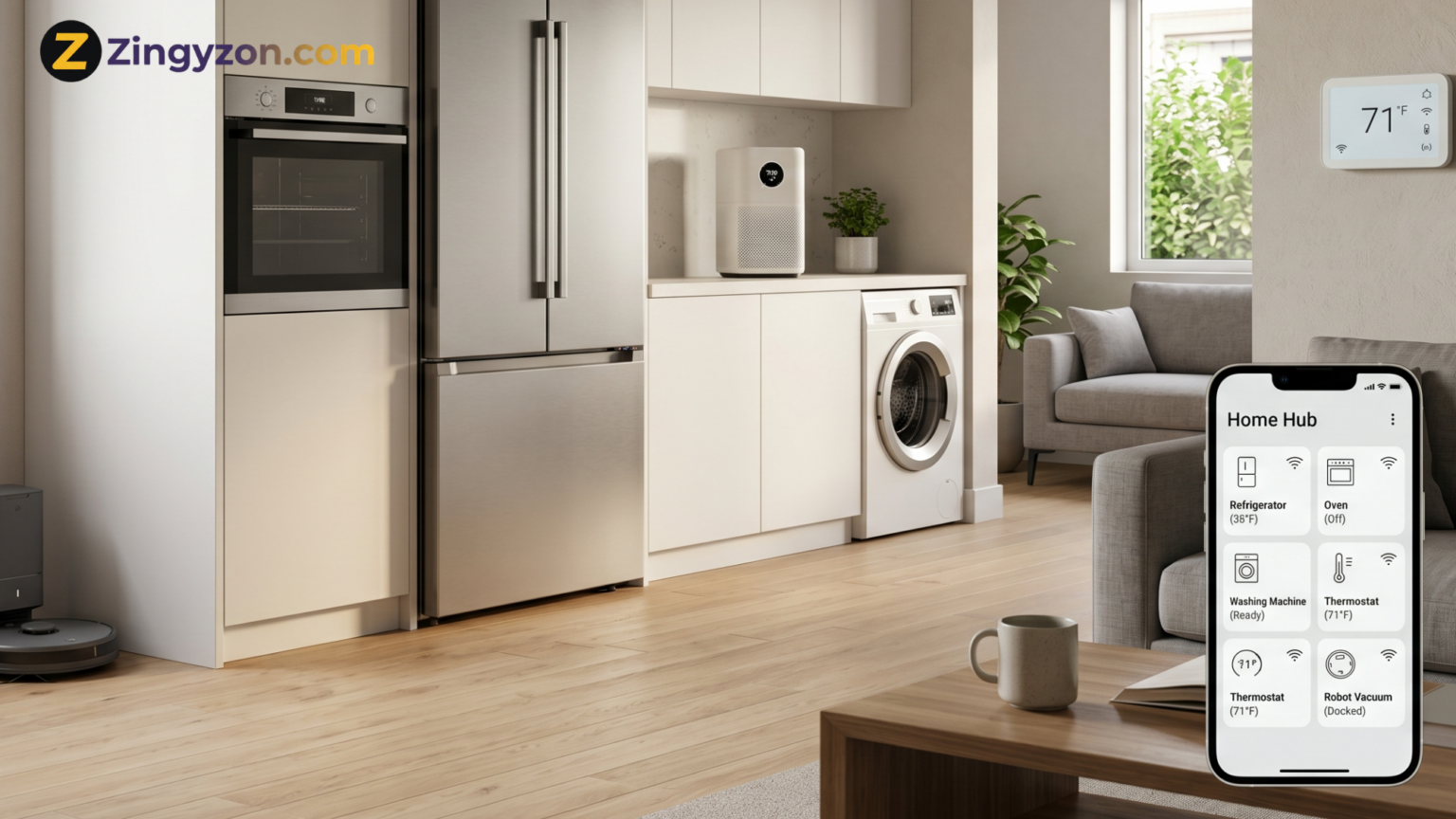
Smart appliances promise to make everyday life easier through automation, remote controls, useful alerts, and better energy management. Some connected products genuinely reduce household effort. Others simply add an app to a function that already works perfectly well with a physical button.
The smart appliances worth buying are not necessarily the most expensive or technically impressive models. They are the products that solve recurring problems, perform their main task reliably, and remain useful even when the internet connection or mobile application is unavailable.
A connected washer that tells you when a cycle has finished may prevent damp clothes from sitting in the drum. A smart thermostat can adjust heating and cooling around your schedule. Meanwhile, a robot vacuum can handle routine floor cleaning while you focus on other tasks.
However, smart technology can also introduce subscriptions, privacy concerns, compatibility problems, and dependence on software updates. This guide explains which appliances usually offer meaningful benefits and what you should check before paying extra for connected features.
Which Smart Appliances Are Worth Buying?
The most useful smart appliances for many households include:
- Smart thermostats
- Robot vacuums and mops
- Smart washers and dryers
- Connected dishwashers
- Smart air purifiers
- Smart room air conditioners
- Connected ovens and countertop cookers
- Smart plugs and power strips
- Water-leak detectors
- Selected smart refrigerators
You do not need to purchase every connected product at once. Start with one appliance that solves a regular household problem. A smaller, compatible smart-home setup is generally easier to manage than a collection of unrelated products using different applications.
What Makes an Appliance Smart?
A smart appliance normally connects to your home network, phone, or smart-home platform through Wi-Fi, Bluetooth, Thread, Ethernet, or a dedicated hub.
Depending on the product, this connection may provide:
- Remote controls
- Scheduling and automation
- Cycle-completion notifications
- Energy-use information
- Maintenance reminders
- Voice controls
- Equipment diagnostics
- Integration with other devices
Connectivity alone does not make an appliance valuable. A smart feature is most useful when it saves you from repeatedly checking a machine, automates a frequent task, warns you about a problem, or helps manage energy and water more carefully.
A feature that only duplicates a nearby button may not justify a substantial price increase.
For more ideas on making household routines simpler, explore ZingyZon’s guide to smart lifestyle upgrades for a more comfortable modern home.
1. Smart Thermostat
A smart thermostat is one of the strongest connected-home investments because it controls a system that operates frequently and can significantly affect household comfort.
Useful features may include remote temperature adjustments, automatic schedules, geofencing, vacation settings, equipment alerts, and energy reports. Some thermostats can reduce heating or cooling when nobody is home and restore comfortable temperatures before residents return.
Before purchasing one, confirm compatibility with your heating and cooling system. Older equipment, multi-zone systems, heat pumps, and electric heating may require specific models or professional installation.
Some thermostats also need a common wire or compatible power adapter. Renters should obtain approval before replacing fixed equipment.
A smart thermostat offers the greatest value when your household follows a regular schedule or frequently forgets to adjust heating and cooling before leaving home.
2. Robot Vacuum and Mop
A robot vacuum is worth considering because it automates a repetitive cleaning task rather than simply adding remote controls.
Basic models move through rooms using simple navigation, while more advanced devices can map floors, avoid selected areas, detect carpets, empty their own dust bins, or wash mop pads.
Choose features according to your home. Pet owners may benefit from stronger hair pickup and tangle-resistant brushes. Homes with several rooms may need dependable mapping, while a small apartment may not need a large self-emptying station.
Measure thresholds and the space beneath beds, cabinets, and sofas. Remove loose cords, small objects, and lightweight rugs that may interfere with navigation.
A robot vacuum does not fully replace deeper cleaning. Corners, stairs, upholstery, and crowded areas will still need attention. However, it can keep floors noticeably cleaner between regular vacuuming sessions.
3. Smart Washer and Dryer
Connected laundry appliances are particularly useful when the laundry area is located in a basement, garage, utility room, or another part of the home.
A mobile notification can tell you when a cycle has finished, helping prevent wet clothes from remaining forgotten inside the washer. Applications may also report an unbalanced load, filter issue, maintenance requirement, or cycle problem.
Some compatible washers and dryers exchange cycle information. For example, the dryer may recommend a suitable setting based on the completed wash cycle.
Nevertheless, washing performance, drying quality, capacity, noise, efficiency, and repairability should remain your priorities. Smart features cannot compensate for poor cleaning performance or inconvenient cycle times.
Remote starting may require the appliance to be manually enabled beforehand. This limitation helps prevent machines involving water, heat, and rotating components from starting unexpectedly.
4. Smart Dishwasher
A smart dishwasher can provide practical benefits without requiring constant interaction.
Useful connected features include cycle-completion alerts, delayed scheduling, remote status checks, maintenance reminders, and notifications about leaks or operating faults.
Some models can recommend wash programs or schedule operation during preferred electricity-rate periods. However, rack design, cleaning performance, drying quality, water use, and noise matter more than application features.
A smart dishwasher may be especially helpful in an open-plan home, where quiet operation and accurate completion alerts are valuable.
Before buying, determine whether important functions require a cloud connection, subscription, or permanent manufacturer account. The dishwasher should still complete normal wash cycles when its application or internet connection is unavailable.
5. Smart Air Purifier
A connected air purifier may allow you to adjust fan speed, check filter status, create schedules, and monitor reported air-quality readings from another room.
Automatic mode can increase or decrease airflow in response to its built-in sensor. This may be useful in bedrooms, home offices, nurseries, or rooms affected by cooking particles, outdoor pollution, smoke, dust, or pets.
Choose the purifier according to the recommended room size. An undersized machine may need to run continuously at a loud setting without providing the desired airflow.
Compare replacement-filter price and availability before purchasing. An affordable purifier can become expensive when its filters are difficult to find or require frequent replacement.
Filtration performance, airflow, noise, and long-term filter cost are more important than colorful charts inside the application.
6. Smart Room Air Conditioner
A smart room air conditioner can be helpful when you want to cool a room before arriving home, create a daily schedule, or switch the unit off remotely after leaving.
Some connected models offer filter reminders, energy-use reports, temperature-based routines, or compatibility with a wider smart-home system.
Select cooling capacity according to the room’s size, sunlight, insulation, ceiling height, and local climate. Smart controls will not correct a unit that is too small, too powerful, inefficient, or excessively noisy.
Window air conditioners require a compatible window and secure installation. Portable models need floor space, an exhaust hose, and sometimes condensate drainage.
Renters should check lease or building requirements before installing either type. The unit should also have accessible physical controls so essential functions remain available without Wi-Fi.
7. Smart Oven or Range
Connected ovens can send alerts when preheating is complete, a timer ends, or food reaches the temperature measured by a compatible probe.
These notifications are useful when you are preparing several dishes, entertaining guests, or moving between rooms. Some appliances also offer guided cooking, recipe programs, or remote preheating.
Remote operation should include reasonable safety restrictions. A mobile notification does not make it safe to leave active cooking completely unattended.
Evaluate temperature accuracy, heat distribution, control design, cleaning requirements, installation, and service support before considering connected functions.
A smart oven makes the most sense when you are already replacing an old or faulty appliance. Replacing a dependable oven only to receive phone notifications rarely provides enough value.
8. Smart Multicooker or Countertop Oven
A connected multicooker, pressure cooker, or countertop oven may offer guided recipes, progress updates, cooking notifications, and multi-stage programs.
These features can help less experienced cooks follow unfamiliar recipes. A multifunction countertop appliance may also replace separate cooking devices and reduce countertop clutter.
However, the appliance must still offer dependable heating, suitable capacity, intuitive controls, and manageable cleaning.
Be cautious with delayed or remote cooking. Perishable ingredients should not remain unrefrigerated for long periods, and pressure or high-temperature appliances must be prepared and operated according to their safety instructions.
Connected cooking appliances are worth buying when they support meals you already prepare. They provide less value when the application appears impressive but the appliance is awkward to clean or store.
9. Smart Refrigerator
Smart refrigerators are among the most visible connected appliances, but they also require careful evaluation because they often carry a substantial price premium.
Practical features may include open-door alerts, temperature warnings, internal cameras, shopping lists, maintenance notifications, and family calendars.
An open-door warning can be genuinely useful. Internal cameras may help during grocery shopping, although containers or shelves can block their view. Digital inventory tools may also require consistent manual updates.
Large touchscreens, entertainment applications, and recipe displays are more subjective. These features may become outdated before the refrigerator’s physical cooling system reaches the end of its useful life.
Prioritize temperature stability, storage layout, energy use, noise, warranty coverage, and repair access. Buy a smart refrigerator only when you will regularly use its connected functions.
10. Smart Coffee Maker
A connected coffee maker may offer scheduled brewing, remote controls, strength adjustments, or integration with a morning routine.
These features can be convenient, but many standard programmable coffee makers already start automatically without needing Wi-Fi.
A smart coffee maker provides better value when household schedules change frequently or several people need to adjust brewing times remotely.
Remember that water and coffee grounds generally need to be prepared in advance. Remote controls cannot complete these physical steps.
Choose the machine primarily for brewing quality, capacity, carafe design, cleaning, and reliability. Connectivity should remain a secondary advantage rather than the main reason for buying it.
11. Smart Plugs and Power Strips
Smart plugs are an affordable way to add scheduling and remote controls to selected devices. They can work well with lamps, holiday lights, compatible fans, and simple appliances.
Energy-monitoring models may also show how much electricity a connected device consumes.
Check the smart plug’s electrical rating and follow both manufacturers’ instructions. High-powered heating appliances and motor-driven devices may not be appropriate for every smart plug.
The connected device must also resume operation safely when electrical power returns. Appliances with electronic control panels may remain switched off even when the smart plug supplies power.
Choose compact plugs that do not block nearby outlets and confirm compatibility with your preferred smart-home platform.
12. Smart Leak Detector
A smart leak detector is not a traditional appliance, but it may provide more practical value than many expensive connected products.
Small battery-powered sensors can be placed near washing machines, dishwashers, water heaters, sinks, toilets, and refrigerator water lines. They send an alert after detecting moisture.
More advanced systems monitor water flow and may automatically close the main supply when unusual activity is detected. These systems may require professional installation.
Check alert-sharing options, battery warnings, alarm volume, and whether notifications still work when you are away from home.
A detector cannot repair a leak, but early warning may reduce the amount of time water continues spreading unnoticed.
When Smart Appliances Are Not Worth Buying
A connected appliance may not justify its added cost when:
- The application only duplicates basic controls
- Useful features require an ongoing subscription
- Software-support information is unavailable
- The appliance becomes severely limited without cloud access
- It is incompatible with your preferred platform
- Replacement parts or repair services are difficult to obtain
- Its application requests unnecessary permissions
- Core appliance performance is weaker than standard alternatives
The best conventional appliance is often a smarter purchase than a poorly supported connected model.
Check Smart-Home Compatibility
Before buying, decide which platform your household will use for automations, remote controls, and voice commands.
Look for exact compatibility information rather than relying on a general “smart” description. A product may work with one ecosystem but expose only limited functions through another.
Matter is designed to improve interoperability among compatible smart-home products and platforms. However, feature availability can still differ, and manufacturer-specific tools may require the brand’s own application.
Where possible, select appliances with accessible physical controls. Essential cooking, washing, cooling, and food-storage functions should not depend completely on an internet connection.
For wider appliance-planning guidance, read ZingyZon’s article on the best home appliances for modern homes.
Privacy, Security, and Software Support
A connected appliance is also a networked device. Before buying, review what information it collects, which permissions its application requests, and how long the manufacturer plans to provide security and software updates.
After installing the appliance:
- Replace default passwords
- Use a strong and unique account password
- Enable multifactor authentication when offered
- Install firmware and application updates
- Review camera, microphone, contact, and location permissions
- Secure your router and home Wi-Fi network
- Remove access for former household members
- Reset the appliance before selling or disposing of it
Software support is particularly important for appliances expected to remain in service for many years. Consider what functions will remain available if the manufacturer eventually discontinues the application or cloud service.
Energy Efficiency Comes Before Connectivity
A connected appliance is not automatically energy efficient.
Compare appliance capacity, annual electricity use, water use, estimated operating cost, and applicable efficiency labels. An oversized connected appliance may use more resources than a correctly sized standard model.
Smart features can encourage better habits through schedules, occupancy controls, remote shutoff, and usage reports. However, they cannot fully compensate for inefficient construction or poor household practices.
ZingyZon’s guide to energy-efficient home appliances explains how energy labels, appliance size, and operating costs can help you compare products.
Smart Appliance Buying Checklist
Before completing your purchase, ask:
- Does this appliance solve a recurring household problem?
- Is its basic performance strong without smart functions?
- Will it continue operating when the internet is unavailable?
- Does it support my current smart-home ecosystem?
- Are its useful features included without a subscription?
- How long will software updates be available?
- What information does its application collect?
- Are physical controls available?
- Can filters, parts, and accessories be replaced?
- Is the energy and water performance competitive?
- Is the price premium justified by features I will use?
Frequently Asked Questions
Are smart appliances worth buying?
Smart appliances are worth buying when alerts, schedules, automation, diagnostics, or remote controls solve a genuine recurring problem. They offer less value when connectivity only duplicates a basic physical control.
Which smart appliance should I buy first?
A smart thermostat, robot vacuum, or leak detector often offers a clear starting benefit. The right first product depends on whether your main concern is comfort, cleaning, energy management, or property protection.
Do smart appliances work without Wi-Fi?
Many appliances retain basic physical controls, but remote access, alerts, automation, and diagnostics may stop. Confirm offline operation before purchasing.
Can smart appliances reduce electricity use?
Some products can support lower energy use through scheduling, occupancy detection, usage feedback, and automatic control. Connectivity itself does not guarantee efficiency.
Are smart refrigerators worth the extra money?
They may be worthwhile for households that regularly use door alerts, internal cameras, or family-management features. Cooling performance, efficiency, layout, warranty, and repairability remain more important.
Is Matter important when buying smart appliances?
Matter can improve compatibility across supported products and ecosystems. Nevertheless, you should confirm that your preferred platform supports the exact appliance type and features you need.
Do smart appliances require subscriptions?
Many core features are included, but some manufacturers charge for advanced monitoring, cloud storage, recipes, or service plans. Review subscription requirements before purchasing.
How long are smart appliances supported?
Support periods vary. Look for a published software-update commitment and consider how the appliance will function when updates or cloud services end.


Keep Exploring Zingyzon.com
Read more Zingyzon SEO, digital marketing, online earning, business, and technology guides for Australia, USA, and global readers.