
Smart Home Automation Ideas for Modern Homes
Smart home automation ideas are becoming popular because homeowners want comfort, convenience, security, and better control without making daily routines […]
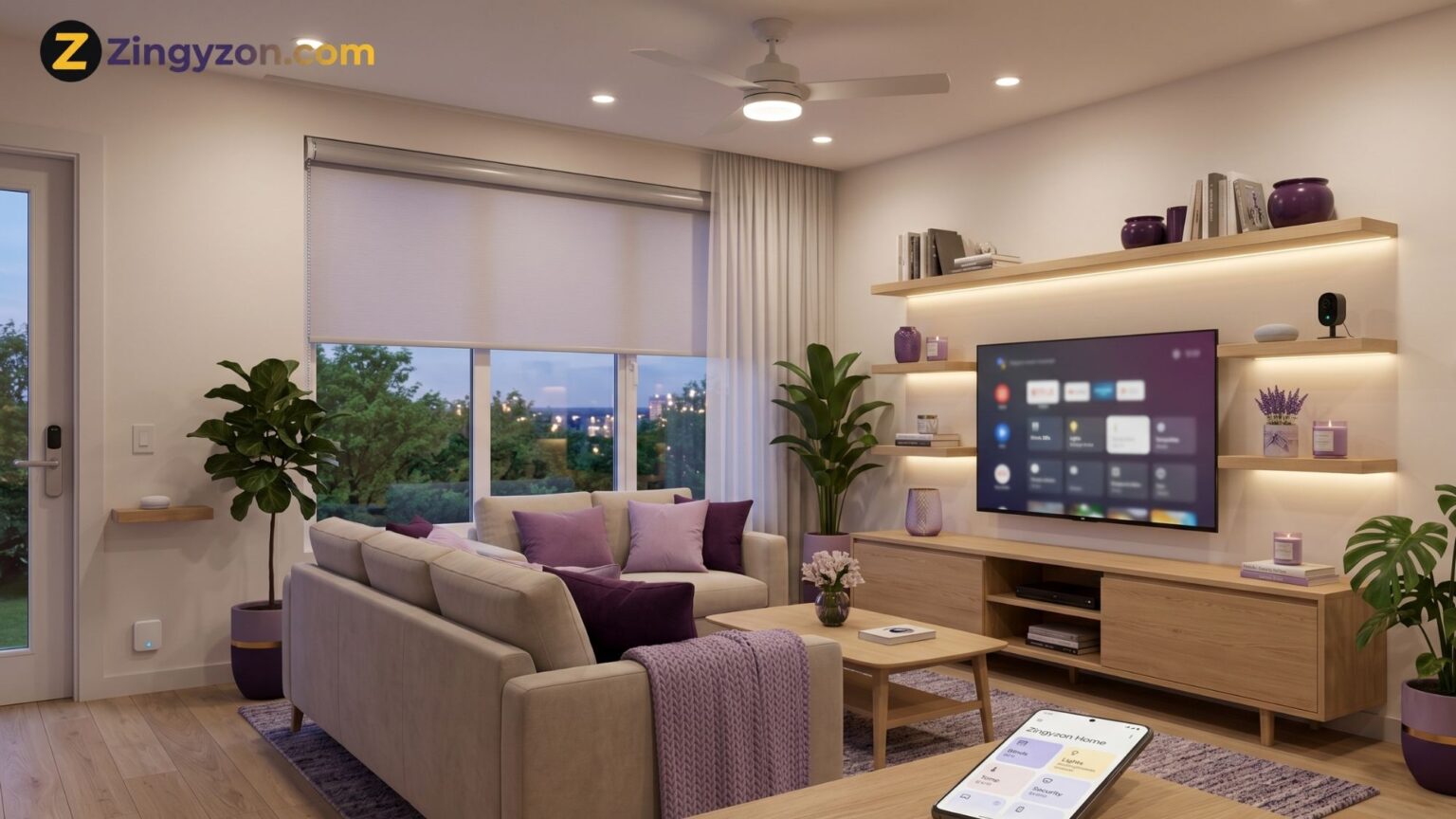
Smart home automation ideas are becoming popular because homeowners want comfort, convenience, security, and better control without making daily routines complicated. A modern smart home does not need to start with expensive gadgets in every room. It can begin with simple automations that connect lights, climate, security, cleaning, and entertainment into a smoother daily lifestyle. For more home upgrade inspiration, you can also explore Zingyzon home improvement inspiration.
The best approach is to choose automations that solve real problems. A smart light that turns on when you enter a hallway is useful. A thermostat schedule that lowers energy waste is practical. A door sensor that alerts you when a door opens can improve awareness. These small improvements make the home feel smarter without overwhelming the people who live there.
This guide shares practical smart home automation ideas for beginners, families, renters, and homeowners who want a cleaner and more comfortable setup. The goal is to build a home that reacts to your routine, protects your time, and keeps everyday living simple.
Start With Smart Lighting Automation
Smart lighting is one of the easiest ways to begin home automation because it is visible, useful, and simple to control. You can create morning lighting scenes that slowly brighten the bedroom, evening scenes that soften the living room, and night scenes that guide movement through hallways without turning on harsh lights.
A useful setup can include motion sensors in hallways, smart bulbs in lamps, and smart switches in frequently used rooms. For example, the entryway light can turn on when the front door opens after sunset. The kitchen lights can brighten during meal prep and dim automatically after dinner. Bedroom lamps can turn off at a fixed bedtime.
Smart lighting automation also helps with energy awareness because lights can turn off when no motion is detected. This idea works well in bathrooms, laundry rooms, storage areas, and kids rooms where lights are often left on by mistake.
Use Smart Thermostat Schedules for Comfort and Savings
A smart thermostat can make heating and cooling more convenient by adjusting temperature settings around sleep, work, school, and evening routines. ENERGY STAR explains that smart thermostats are Wi-Fi enabled devices that automatically adjust heating and cooling settings, and certified models are independently verified for energy savings.
A basic automation can lower heating or cooling use when the home is empty and return to a comfortable temperature before people arrive. A bedroom schedule can also reduce energy use overnight while keeping the room comfortable enough for sleep.
This automation is especially helpful when combined with insulated curtains, ceiling fans, and routine HVAC maintenance. The thermostat should support your comfort rather than forcing one setting all day.
Create a Morning Routine Automation
A morning routine automation can make the first hour of the day feel calmer. You can set smart blinds to open slowly, bedroom lights to brighten gradually, the thermostat to adjust, and a smart speaker to play a weather update or gentle music.
This idea works best when the automation follows your natural schedule. A weekday routine can start earlier, while a weekend routine can delay lighting and climate changes. The smart home should support your lifestyle instead of interrupting it.
For a cleaner setup, keep the morning routine simple. Start with lights and thermostat control first. Then add blinds, speakers, or kitchen appliances only if they genuinely make the routine easier.
Build an Evening Relaxation Scene
An evening scene can transform the living room with one command or schedule. The lights can dim, the curtains can close, the thermostat can shift to a comfortable setting, and the entertainment system can turn on. This creates a relaxed atmosphere without changing several devices manually.
A good evening automation should feel warm and natural. Use warm light temperatures, low brightness, and soft accent lighting. Avoid overly bright ceiling lights because they can make the room feel less cozy.
This type of automation works well for movie nights, family time, reading, or quiet evenings. For more room styling inspiration, connect this idea with Home & Garden ideas on Zingyzon so smart technology supports your decor instead of distracting from it.
Improve Home Security With Simple Automations
Smart home security does not have to be complicated. A practical setup can include a video doorbell, door sensors, motion sensors, smart outdoor lighting, and app alerts. The goal is awareness, not fear.
A useful automation can turn on porch lights when motion is detected at night. Another automation can send an alert if a door opens while everyone is away. Indoor cameras can be limited to entry areas and turned off during normal family time to protect privacy.
Security automations should be paired with strong passwords, regular device updates, and two-factor authentication when available. Smart homes are connected systems, so privacy and security should be treated as part of the setup from the beginning.
Add Smart Blinds and Curtain Automations
Smart blinds and curtain automations can improve comfort, privacy, and natural light control. Morning sunlight can help the home feel fresh, while afternoon closing schedules can reduce glare and heat in sunny rooms.
This idea is especially useful for living rooms, home offices, bedrooms, and rooms with large windows. A simple schedule can open curtains after sunrise and close them after sunset. A more advanced setup can adjust blinds based on temperature, time, or light levels.
Smart window coverings also support design goals because they keep the room looking tidy. The automation is useful, but the visual result is clean and premium.
Automate Cleaning With Smart Plugs and Robot Vacuums
Cleaning automation can make a home feel easier to manage. Robot vacuums can run when the home is empty, while smart plugs can control small cleaning devices or air purifiers on a schedule.
A good robot vacuum routine should avoid busy times. Schedule cleaning after school drop-off, during work hours, or after dinner when rooms are clear. Use no-go zones around delicate decor, pet bowls, and cable-heavy areas.
This automation is simple but powerful because it removes one repeated task from the day. A smart home should save attention, not only add technology.
Use Smart Plugs for Everyday Devices
Smart plugs are affordable automation tools for lamps, fans, coffee makers, humidifiers, and seasonal decor. They are useful when you do not want to replace an entire device but still want app control or scheduling.
For example, a living room lamp can turn on before sunset. A fan can switch off after bedtime. Holiday lights can follow a schedule without manual plugging and unplugging.
Always check the power rating of a smart plug before connecting larger appliances. Smart plugs are best for compatible low-to-medium power devices, and safety should come before convenience.
Connect Devices With Matter-Compatible Products
When buying new smart devices, compatibility matters. The Connectivity Standards Alliance describes Matter as an industry-unifying standard designed for reliable and secure IoT connectivity. Choosing Matter-compatible devices can make it easier to connect products across different brands and platforms.
This is useful for homeowners who do not want every device locked into one app or ecosystem. A smart bulb, plug, sensor, or lock with stronger compatibility can keep the setup more flexible as the home grows.
Before buying, check whether the device works with your phone, smart speaker, Wi-Fi network, hub, or preferred app. Good automation starts with devices that can actually communicate with each other.
Create Away Mode for Travel and Workdays
Away mode is one of the most practical smart home automation ideas. When the home is empty, lights can turn off, the thermostat can shift to an efficient setting, doors can be checked, and security sensors can become active.
Some homeowners also use randomized lighting while traveling so the home does not look completely empty. Outdoor lights can follow sunset schedules, and cameras or doorbells can send alerts when activity happens near entrances.
Away mode should be easy to activate. A single app button, voice command, or automatic location trigger can make the routine simple.
Keep Automation Simple and Human-Friendly
The biggest mistake in smart home automation is adding too many rules too quickly. A home can become frustrating when lights turn off too fast, speakers start at the wrong time, or sensors trigger unnecessary alerts.
Start with one room and one routine. Test it for a week. Adjust the timing, brightness, sensitivity, and notifications until it feels natural. Then add another automation only when the first one works well.
A smart home should feel invisible when it works properly. The technology should quietly support comfort, safety, and efficiency in the background.
Quick Smart Home Automation Checklist
| Automation Area | Best Use |
| Lighting | Automate entryway, hallway, bedroom, and living room scenes. |
| Climate | Use thermostat schedules for sleep, work, travel, and daily comfort. |
| Security | Add door sensors, motion lighting, and smart doorbell alerts. |
| Privacy | Update devices, use strong passwords, and limit camera placement. |
| Compatibility | Choose devices that work with your preferred app, hub, or Matter-supported ecosystem. |
| Simplicity | Start with one routine, test it, and expand only when it works naturally. |
Final Thoughts
Smart home automation ideas are most valuable when they make daily life easier. A useful smart home helps lights respond at the right time, keeps rooms comfortable, supports safer routines, and reduces repetitive tasks. The best setup is not always the most expensive setup. It is the one that fits your home, habits, and comfort needs.
Start with simple automations like lighting scenes, thermostat schedules, away mode, and smart plugs. Then build slowly into blinds, sensors, security routines, and cleaning automation. With the right approach, your smart home can feel modern, comfortable, and easy to manage every day.
For more practical modern-home inspiration, read more smart lifestyle upgrades on Zingyzon.
FAQs
What are the easiest smart home automation ideas for beginners?
The easiest ideas include smart lighting schedules, smart plugs for lamps, thermostat routines, door sensor alerts, and a simple away mode for when nobody is home.
Do I need a smart home hub for automation?
Not always. Many devices work directly through Wi-Fi and a mobile app, but a hub or Matter-compatible ecosystem can make larger setups easier to manage.
Can smart home automation save energy?
It can help when used correctly. Smart thermostats, lighting schedules, automated blinds, and device timers can reduce unnecessary energy use.
Is smart home automation safe?
It can be safer when devices are updated, passwords are strong, two-factor authentication is enabled, and cameras or microphones are placed with privacy in mind.

Keep Exploring Zingyzon.com
Read more Zingyzon SEO, digital marketing, online earning, business, and technology guides for Australia, USA, and global readers.