
Cooling Solutions for Warehouses and Factories
Warehouses and factories are built for production, storage, movement, and speed. These spaces often have high ceilings, large doors, metal […]
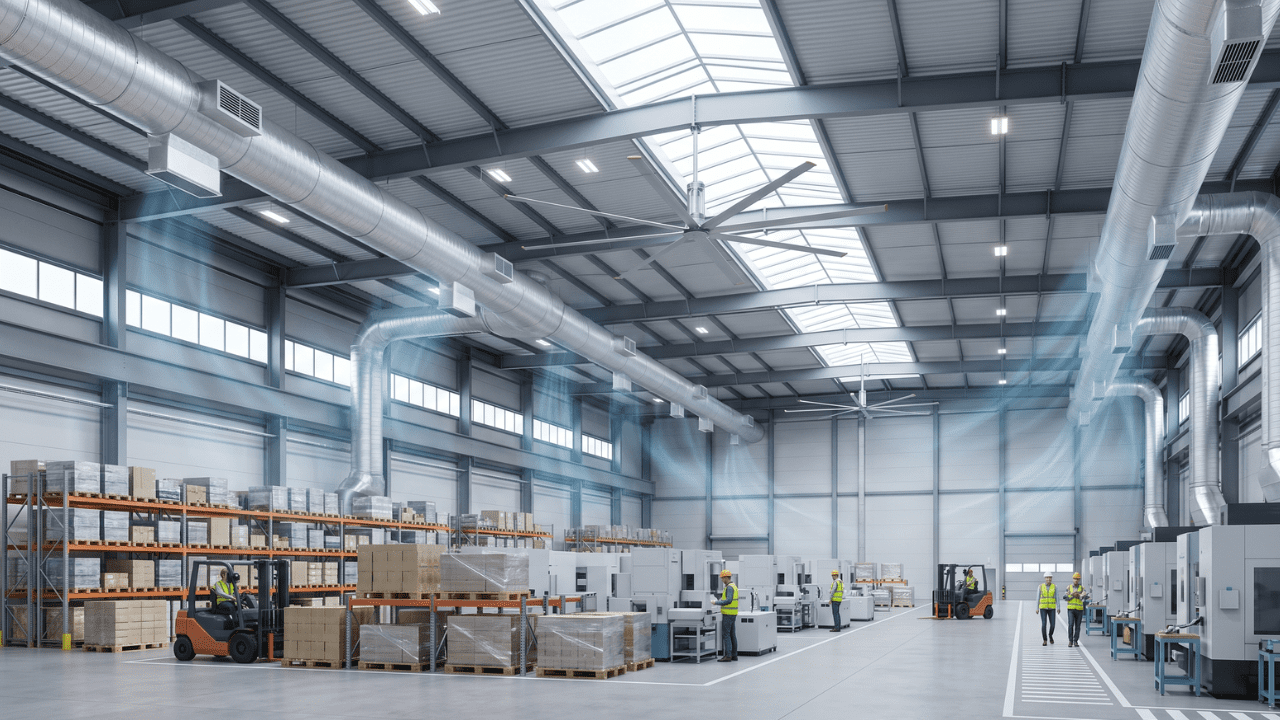
Warehouses and factories are built for production, storage, movement, and speed. These spaces often have high ceilings, large doors, metal roofs, heat-generating machinery, and long working hours. Because of that, indoor temperature can rise quickly, especially during warm months or in facilities that do not have enough ventilation. For business owners, facility managers, and operations teams, cooling is not only about comfort. It is also about safety, productivity, product protection, and energy control.
A good cooling plan helps workers stay alert, protects equipment from overheating, and creates a more stable environment for inventory. It can also reduce downtime, lower maintenance pressure, and make the building easier to manage during peak operating hours. The right solution depends on the building size, climate, heat sources, insulation, budget, and the way employees use different areas of the facility.
This guide explains the most practical cooling solutions for warehouses and factories, including ventilation, industrial fans, evaporative cooling, zoning, insulation, and HVAC planning. For more useful facility and business guides, you can also browse Zingyzon.com.
Use a Layered Cooling Strategy
The best cooling solution for a warehouse or factory is usually not one single system. A layered strategy works better because industrial buildings have different heat zones, airflow patterns, and operational needs. In many facilities, the strongest approach combines mechanical cooling, ventilation, air circulation, insulation, humidity control, and smart maintenance.
For example, a warehouse that stores temperature-sensitive goods may need a dedicated cooling system in storage zones, while loading docks may need air curtains, fans, and ventilation. A factory with hot machines may need source-level heat control, exhaust systems, and cooler rest areas for workers. Before choosing equipment, the facility should be assessed as a whole building, not just as one large open room.
Why Industrial Buildings Are Hard to Cool
Warehouses and factories are harder to cool than standard offices because they are larger, taller, and more active. Heat can collect near ceilings, sunlight can warm metal roofs, and open dock doors can allow cooled air to escape. Machinery, forklifts, ovens, compressors, lights, and production lines can add even more heat throughout the day.
Another challenge is uneven temperature. One part of the building may feel comfortable while another area feels hot and stagnant. This happens when air does not move properly or when cooling equipment is not matched to the building layout. A practical cooling plan should identify these hot zones first, then match each area with the right control method.
Modern HVAC systems can help control temperature, humidity, filtration, and airflow in large commercial and industrial buildings when they are designed around the actual heat load of the facility.
Heat Safety Should Be Part of the Cooling Plan
According to OSHA, indoor heat hazards can affect workers in warehouses and other facilities when the workplace is humid, not climate controlled, or physically demanding. OSHA also highlights practical controls such as air conditioning, ventilation, airflow, insulation of hot surfaces, and cool rest areas as part of heat illness prevention.
This means cooling should not be treated as a luxury upgrade. In high-heat workplaces, it can be part of a broader safety and health program. Workers may need access to drinking water, rest breaks, training on heat illness symptoms, and cooler recovery spaces. New or returning workers may also need time to build heat tolerance before they perform a full workload in hot conditions.
1. Industrial HVAC Systems
Industrial HVAC is one of the most complete ways to manage temperature in warehouses and factories. A properly designed HVAC system can cool large areas, control humidity, improve indoor air quality, and support consistent comfort across the facility. It is especially useful for buildings that store sensitive inventory, operate year-round, or need controlled indoor conditions for production quality.
However, industrial HVAC must be sized correctly. If the system is too small, it will run constantly and still fail to cool the space. If it is too large, it may cycle too quickly and waste energy. A professional load calculation should consider building size, insulation, roof type, door openings, machinery heat, number of workers, lighting, humidity, and local climate.
For large buildings, it may be necessary to air condition your entire facility only when full-building temperature control is required. In other cases, targeted cooling zones may be more affordable and more efficient.
2. Ventilation and Exhaust Systems
Ventilation is essential in industrial cooling because it removes hot indoor air and brings in fresher air where appropriate. Exhaust fans, roof vents, wall vents, and mechanical ventilation systems can help reduce trapped heat, fumes, moisture, and stale air. This is especially important in factories with heat-producing equipment or warehouses with limited natural airflow.
Ventilation works best when air has a clear path. Fresh air should enter from one side or lower point of the building, while hot air should exit from higher points such as roof vents or exhaust fans. Because warm air rises, high-level exhaust can be very effective in buildings with tall ceilings.
3. High-Volume Low-Speed Fans
High-volume low-speed fans, often called HVLS fans, move large amounts of air at a slow speed. They do not cool the air the same way an air conditioner does, but they help workers feel cooler by increasing air movement. In many warehouses, HVLS fans reduce hot spots, improve air circulation, and support more even temperature distribution.
These fans are useful in loading areas, storage zones, packaging departments, and production floors. They can also work with HVAC systems by helping distribute cooled air more evenly. When used correctly, fans can reduce the need for overcooling and help the facility feel more comfortable without forcing the cooling system to work harder than necessary.
4. Evaporative Cooling Systems
Evaporative cooling can be a practical option in dry climates. These systems use water evaporation to reduce air temperature and can cost less to operate than traditional air conditioning in the right conditions. They are often used in warehouses, workshops, distribution centers, and factories that need large-volume cooling without the same energy demand as compressor-based cooling.
The key limitation is humidity. Evaporative coolers are less effective in humid climates because the air already holds more moisture. Before choosing this option, facility managers should review local weather patterns, indoor humidity requirements, ventilation needs, and product storage conditions.
5. Zoned Cooling for Different Work Areas
A factory or warehouse may not need the same cooling level everywhere. Offices, break rooms, packing stations, quality control areas, storage aisles, and machine zones may all have different needs. Zoned cooling allows managers to cool the most important or occupied spaces without wasting energy on areas that do not require the same temperature level.
For example, a packaging area where employees stand for long periods may need stronger cooling and airflow. A low-traffic storage section may only need ventilation and air circulation. This targeted approach helps lower utility costs and makes cooling more practical for large facilities.
6. Insulation and Building Envelope Improvements
Cooling equipment works better when the building envelope is improved. Roof insulation, wall insulation, reflective roof coatings, dock door seals, weather stripping, and insulated panels can reduce heat gain. In many industrial facilities, poor insulation causes cooling systems to run longer than necessary.
Metal buildings can absorb heat quickly, especially under direct sun. A reflective or cool roof strategy can reduce roof surface heat and help lower the cooling load inside the building. Dock seals and air curtains can also reduce the amount of outdoor heat entering during shipping and receiving activity.
7. Air Curtains and Dock Door Control
Loading docks are one of the biggest cooling challenges in warehouses. Every time a large door opens, hot outdoor air can enter and cooled indoor air can escape. Air curtains create a controlled stream of air near doorways to reduce air exchange. They are especially useful where doors open frequently for trucks, forklifts, or material movement.
Operational habits also matter. Keeping dock doors closed when not in use, scheduling loading activity during cooler parts of the day, and installing fast-acting doors can all reduce cooling loss. Small process improvements can create noticeable savings across a full season.
8. Smart Controls and Energy Monitoring
Smart thermostats, building management systems, occupancy sensors, and energy monitoring tools can make industrial cooling more efficient. Instead of running systems at full capacity all day, smart controls allow cooling to respond to real conditions. They can adjust temperature by zone, schedule, occupancy, humidity, and peak demand periods.
Energy monitoring is also useful because it shows when cooling costs are rising and where improvements may be needed. If a facility uses more energy during specific shifts or in specific zones, managers can investigate equipment operation, door activity, insulation problems, or maintenance issues.
How to Choose the Right Cooling Solution
Before investing in equipment, facility managers should complete a basic cooling assessment. This assessment should review building layout, roof height, insulation, dock doors, machinery heat, worker density, production schedules, humidity levels, and safety risks. The goal is to understand where heat comes from and how air moves through the building.
A good plan should also compare installation cost with operating cost. The cheapest system to install may become expensive if it consumes too much energy. The most advanced system may not be needed if the building can be improved with ventilation, fans, insulation, and targeted cooling. The right solution balances comfort, safety, performance, and long-term cost.
Cooling Checklist for Warehouses and Factories
- Identify the hottest zones during peak operating hours.
- Measure temperature, humidity, and airflow in different areas.
- Check whether roof, walls, dock doors, and windows are adding heat.
- Review whether workers have access to cool rest areas and drinking water.
- Inspect HVAC filters, ducts, coils, fans, and controls regularly.
- Use fans to improve air movement where direct cooling is not required.
- Consider evaporative cooling only where climate and humidity make sense.
- Use zoning to cool occupied or sensitive areas first.
- Reduce heat gain with insulation, seals, air curtains, and reflective surfaces.
- Track energy usage before and after cooling upgrades.
Common Mistakes to Avoid
One common mistake is buying cooling equipment before understanding the building. Industrial cooling should begin with heat mapping, airflow review, and load calculation. Without this step, a business may install equipment that is too weak, too expensive, or placed in the wrong area.
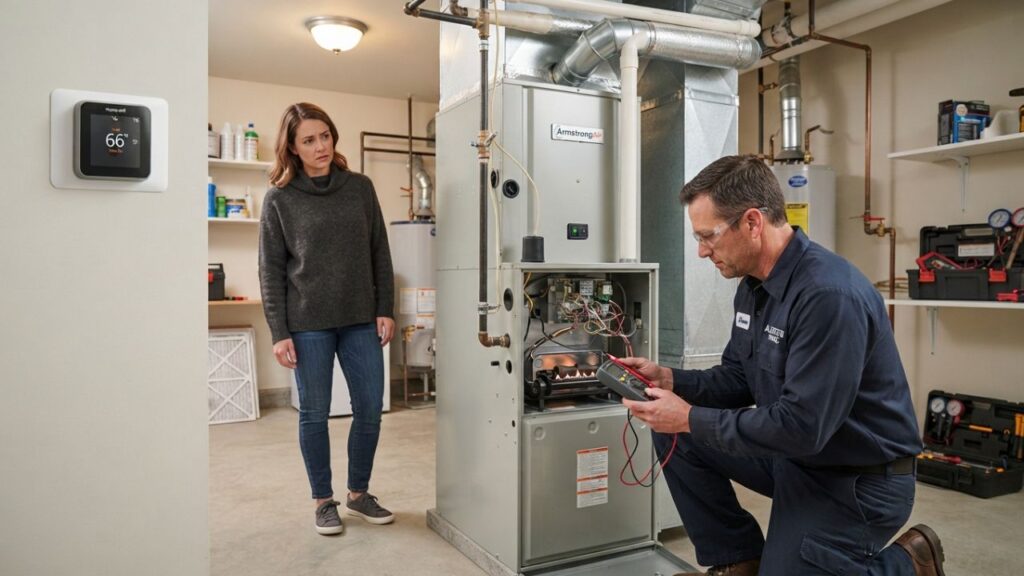
Another mistake is ignoring maintenance. Dirty filters, blocked vents, damaged belts, refrigerant problems, and poor controls can make even a strong cooling system perform badly. Regular maintenance keeps the system efficient and reduces surprise breakdowns during hot weather.
A third mistake is relying only on fans when the building has serious heat hazards. Fans can improve comfort, but they may not be enough if indoor air temperature is too high, humidity is heavy, or workers are performing physically demanding tasks. In those situations, ventilation, air conditioning, heat source control, and rest areas may all be needed.
Cooling Should Improve Safety, Comfort, and Efficiency
Cooling solutions for warehouses and factories should be planned around the full facility, not just the thermostat. A successful cooling strategy may include HVAC systems, ventilation, HVLS fans, evaporative cooling, insulation, air curtains, zoning, and smart controls. Each solution has a different role, and the best results often come from combining several methods.
The most important step is to understand the building first. Once heat sources, airflow problems, worker needs, and energy patterns are clear, facility managers can choose cooling upgrades that support safety, productivity, and long-term cost savings. With the right plan, an industrial space can become easier to work in, easier to manage, and more efficient throughout the year.
Frequently Asked Questions
What is the best cooling solution for a warehouse?
The best solution depends on the building size, climate, insulation, and heat sources. Many warehouses use a combination of HVAC systems, ventilation, HVLS fans, insulation, and zoned cooling for better results.
How can factories reduce indoor heat?
Factories can reduce indoor heat by controlling heat at the source, improving ventilation, using exhaust fans, insulating hot surfaces, adding air movement, and creating cooled zones for workers and sensitive operations.
Are fans enough to cool a warehouse?
Fans can improve comfort by moving air, but they do not lower air temperature like air conditioning. If the building is extremely hot or humid, fans should be combined with ventilation, air conditioning, or other cooling controls.
Is evaporative cooling good for factories?
Evaporative cooling can work well in dry climates and large open spaces. It is less effective in humid climates, so local weather and indoor moisture requirements should be reviewed before installation.
How often should industrial cooling systems be maintained?
Industrial cooling systems should be inspected regularly, with filters, coils, belts, fans, controls, and ducts checked before and during hot seasons. High-use facilities may need more frequent maintenance.
How can a business lower warehouse cooling costs?
A business can lower cooling costs by sealing dock doors, improving insulation, using zoning, installing smart controls, maintaining equipment, reducing heat sources, and improving airflow before adding more cooling capacity.

Keep Exploring Zingyzon.com
Read more Zingyzon SEO, digital marketing, online earning, business, and technology guides for Australia, USA, and global readers.