
Your Guide to Lasik ATL
When it comes to our eyes, there are few senses more important. Unfortunately, eyesight is also something very sensitive. Whether […]
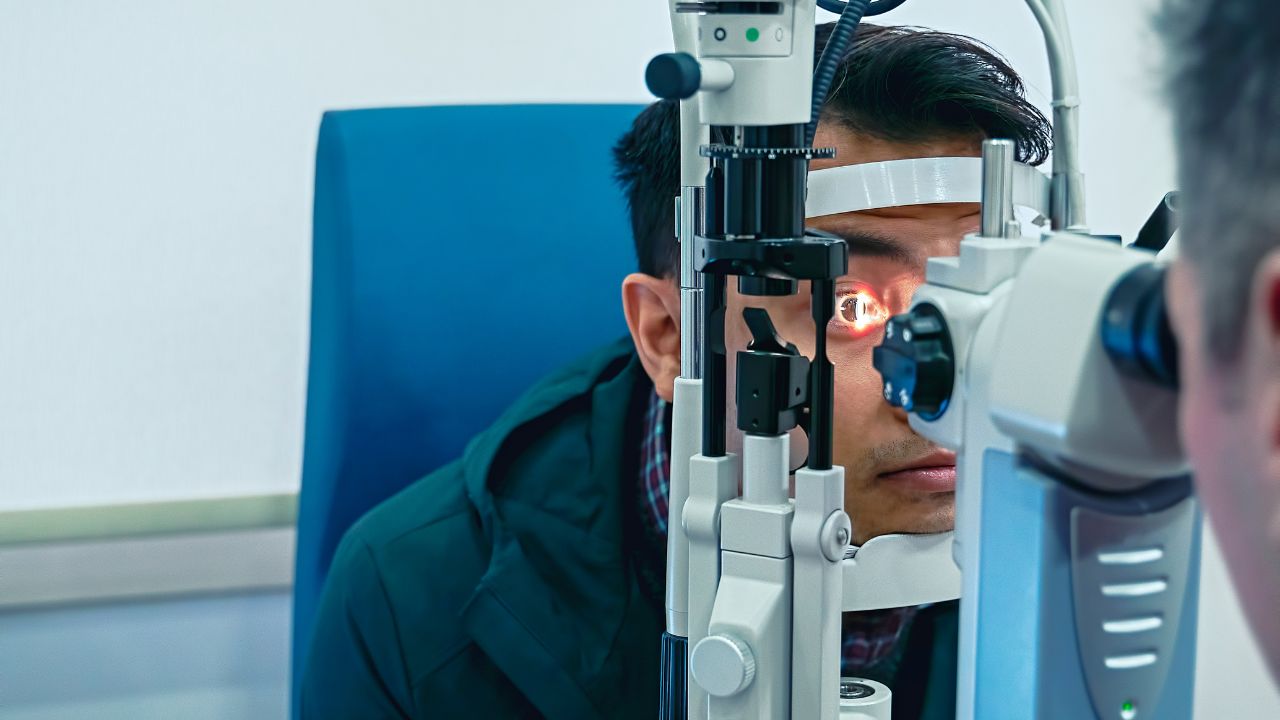
When it comes to our eyes, there are few senses more important. Unfortunately, eyesight is also something very sensitive. Whether it’s damaged over time naturally or we get some sort of injury, taking care of it is a big deal.
There are a lot of ways to do that. Many people wear contacts or glasses for most of their lives. However, there are other options now.
One of those is laser eye surgery. It’s sometimes called Lasik. That’s just one type of it, though.
If you want to learn more about it, make sure to stay tuned. You can read more about it here: https://www.bmj.com/content/342/bmj.d2345.abstract, if you want to get an overview first. For now, let’s delve into what it is and how it works.
What Is Laser Eye Surgery?
To start, let’s cover the basics. What is this process, anyway? It can be a bit complicated.
Sometimes it’s known as refractive surgery. It’s a type of medical procedure that is designed to help correct vision. That’s done by reshaping the cornea with the use of laser technology.
PRK (Photorefractive Keratectomy)
This is a type of surgery. It’s not our main focus today, but we figured it’s worth mentioning briefly.
PRK involves removing the outer layer of the cornea entirely, rather than creating a flap like in Lasik. We’ll explain that last part in the next section.
For now, just know that this method isn’t quite as popular as the others. A laser is used to recreate the corneal surface after that layer is removed. Eventually, it regenerates.
Typically, it’s only chosen when a patient has a thinner cornea. That’s because there are a few more inherent risks here. Still, it’s worth considering.

Of course, this is the main thing we’d like to cover. Organizations like Lasik ATL are known for offering these services. What are they, though? What is Lasik?
First and foremost, it’s an acronym that stands for Laser-Assisted In Situ Keratomileusis. Don’t worry if you don’t know what that means – it’s not overly important. Instead, let’s look at what the process actually entails.
It’s a type of refractive eye surgery. Notably, it’s designed to help correct common vision problems. Examples include myopia (nearsightedness), hyperopia (farsightedness), and astigmatism.
How It Works
Preparation: Of course, one of the key steps is for the patient to prepare. A professional should give them a comprehensive eye exam beforehand.
This helps figure out if they’re a good candidate for LASIK. They’ll be looking at overall health of the eyes, the thickness of the cornea, and refractive error stability.
Anesthesia: Considering a surgeon will be working on the patient’s eyes, this should come as no surprise. Topical anesthesia drops are usually used on the eye region. This numbs it, helping make sure the patient is comfortable throughout the process.
Flap Creation: This is where we get into the specifics. Resources like this one can help you to understand more of how this works. That said, we’ll do our best to explain.
A thin flap in the cornea is created using a surgical instrument or a laser. This is done to expose the underlying corneal tissue.
Corneal Reshaping: An excimer laser is then used to precisely reshape the cornea. The specifics of this in terms of amount and pattern of tissue will depend on the patient.
The idea is to allow light to enter the eye correctly into the retina. That improves vision.
Flap Repositioning: After the cornea is reshaped, the flap is carefully placed back over it. From there, it re-adheres naturally. That eliminates the need for stitches, which is one of the big draws of LASIK.
Recovery
This is what many patients worry about. However, we’re here to put some of those concerns to rest. Let’s examine what this might entail.
One thing to note is that LASIK is typically completed within 10 to 15 minutes for both eyes. Most patients will notice results within one to two days. That’s pretty impressive, right?
To prevent infection, a patient may be given eye drops to help reduce inflammation. It’s also important not to rub your eyes, and to wear sunglasses in bright light. That all will help smooth things along.
Benefits of LASIK
With all of this in mind, you may be wondering what some of the specific benefits are. Thankfully, there are a lot. Of course, there are some risks as well, so we’ll touch upon those briefly too.
One benefit is, of course, the quick recovery. For most people, they can go back to their normal life within just a few days. For some, it’s as quick as one day. That’s a very fast turnaround time.
There’s also the fact that there is very minimal discomfort. It’s usually painless, which is a big draw considering how much a person’s vision can be improved.
Another thing is the fact that there are long-lasting results. Many folks who have had this procedure report 20/25 vision or better after getting LASIK. It can last a long time.
The risks are small, but worth understanding. You could experience dry eyes after, for instance. There could also be under-correction or over-correction of vision during.
How to Get LASIK
If you’re wondering where to get it, the resources we’ve offered might be a place to start. Overall, you can look in a lot of places online. Sometimes, local eye doctors are able to do it as well. It will really depend on their skill sets.
You can always ask for a referral if it’s something you’re seriously interested in. However, searching for places online is a great place to start if you don’t want to fuss with that.
Many of them don’t require referrals and can do consultations quickly.
While LASIK may not be for everyone, it’s something that a lot more people have started to consider lately. The improvements to vision can be an incredible benefit for everyday life.
The long-lasting results can even save you money on glasses or contacts!



Keep Exploring Zingyzon.com
Read more Zingyzon SEO, digital marketing, online earning, business, and technology guides for Australia, USA, and global readers.