
The Real Cost of Electrical Downtime Nobody Talks About
Electrical downtime is one of those business problems that many companies only take seriously after it happens. A machine stops. […]
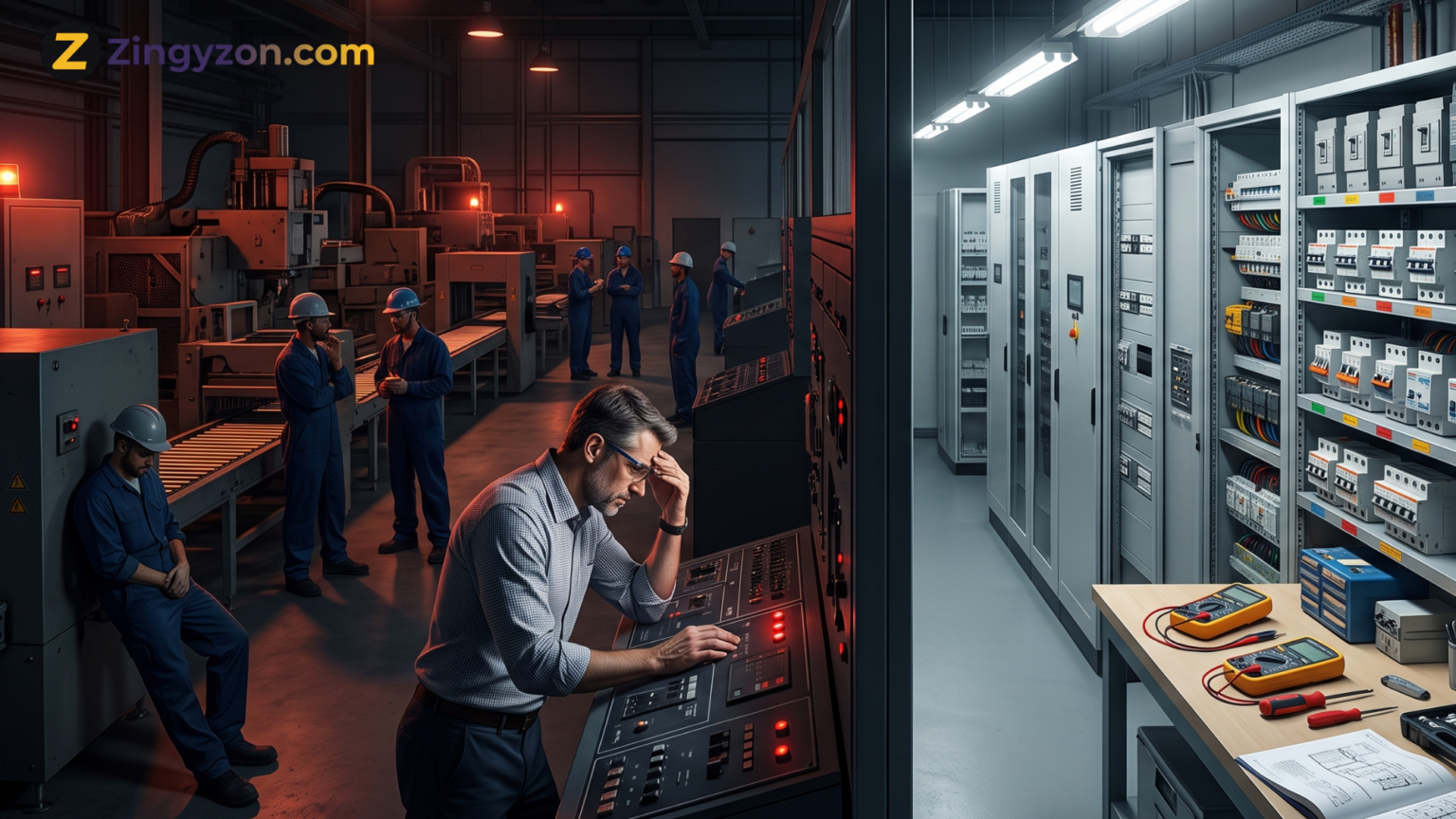
Electrical downtime is one of those business problems that many companies only take seriously after it happens. A machine stops. A panel fails. A breaker trips and does not reset. A production line goes silent. The lights may come back later, but the real damage often continues long after power is restored.
Most people think electrical downtime is only about lost electricity. In reality, it is about lost revenue, delayed orders, idle employees, equipment damage, safety risks, emergency repair costs, customer frustration, and reputation loss. For homes, small businesses, warehouses, factories, retail stores, data rooms, restaurants, and commercial buildings, even a short outage can create a chain reaction of problems.
The real cost of electrical downtime is not just what you see on the utility bill. It is everything that stops working when power is no longer reliable.
What Is Electrical Downtime?
Electrical downtime happens when electrical systems, equipment, or power distribution components fail and stop normal operations. It can be caused by power outages, overloaded circuits, faulty breakers, damaged panels, loose connections, aging electrical equipment, poor maintenance, weather events, short circuits, or failed backup systems.
For a home, downtime may mean no lights, no internet, no refrigerator, no heating or cooling, and no security system. For a business, it can mean stopped production, closed checkout counters, offline computers, failed communication systems, and delayed service.
The bigger the operation, the more expensive downtime becomes. But even a small business can suffer serious losses from one electrical failure at the wrong time.
The Visible Cost: Lost Revenue
The easiest cost to understand is lost revenue. If a retail store cannot process payments, sales stop. If a restaurant loses power, food preparation stops. If a warehouse cannot operate conveyor belts, shipments are delayed. If a factory line shuts down, production targets are missed.
Every minute without power can reduce income. Some businesses can recover lost sales later, but many cannot. A customer who leaves a closed store may buy from a competitor. A missed production deadline may create penalties. A delayed shipment may affect future contracts.
Electrical downtime is especially costly for businesses that operate on tight schedules. Manufacturing, logistics, healthcare, food service, e-commerce, and data-based companies often depend on continuous power. When electricity stops, business stops.
The Hidden Cost: Idle Employees
One cost many businesses forget is labor. Employees still need to be paid even when equipment is not running. If workers are waiting for power to return, the business is paying for time that produces no value.
In some workplaces, employees may not be able to do anything during downtime. In others, they may shift to manual tasks, but productivity still drops. Supervisors spend time managing the disruption. Maintenance teams rush to find the problem. Office staff answer customer complaints. Managers update schedules and explain delays.
This lost labor time can become expensive quickly. The longer the downtime lasts, the more people are pulled away from their normal work.
Equipment Damage Can Cost More Than the Outage
Electrical downtime does not always end when power returns. A sudden failure, voltage problem, overloaded circuit, or repeated breaker trip can damage sensitive equipment.
Computers, servers, HVAC systems, motors, refrigeration units, control panels, pumps, and industrial machines can all be affected by unstable electrical conditions. Sometimes the damage is immediate. Other times, electrical stress weakens equipment and causes failure later.
For example, a short outage may stop a motor suddenly, causing mechanical stress. A power surge after restoration may damage electronics. A weak breaker may trip repeatedly, creating interruptions that shorten equipment life.
Replacing damaged equipment can cost much more than the original downtime event. That is why electrical reliability is not only an operations issue; it is also an asset protection issue.
Safety Risks Increase During Downtime
Electrical downtime can also create safety problems. Dark hallways, stopped ventilation, failed alarms, inactive security cameras, disabled access systems, and emergency lighting problems can put people at risk.
In industrial environments, sudden power loss can stop machines in dangerous positions. Workers may need to secure equipment manually. If backup systems do not start correctly, the risk increases.
Electrical faults themselves can also be dangerous. Overheating breakers, loose wiring, overloaded panels, and short circuits can lead to fire hazards or shock risks. Ignoring repeated trips or electrical warning signs can turn a downtime problem into a safety emergency.
Businesses should treat electrical downtime as more than an inconvenience. It can be a warning sign that the electrical system needs inspection, maintenance, or component replacement.
Customer Trust Is Hard to Recover
Customers may understand one small delay, but repeated downtime damages trust. If a business cannot keep its systems running, customers may question its reliability.
A restaurant that loses refrigeration may disappoint guests. A retailer with payment system failures may lose shoppers. A service provider with repeated outages may look unprofessional. A manufacturer that misses deadlines may damage relationships with buyers.
Trust is one of the most expensive things to rebuild. Downtime creates doubt, and doubt can push customers toward competitors. This cost does not always appear in accounting reports, but it affects long-term growth.
Downtime Creates Emergency Repair Costs
Planned maintenance is usually cheaper than emergency repair. When electrical failure happens unexpectedly, businesses often pay more for urgent service, expedited parts, overtime labor, temporary equipment, and emergency shipping.
The pressure to restart operations can also lead to rushed decisions. A facility may accept a temporary fix because it needs power immediately. But temporary fixes can create future problems if they are not followed by proper repairs.
This is why keeping critical components available or having a trusted supplier matters. When a breaker or electrical part fails, fast access to the right replacement can reduce downtime. For example, businesses that need replacement circuit breakers from Essential Electric Supply can source parts more quickly instead of losing time searching during an emergency.
Food, Inventory, and Material Losses
Electrical downtime can destroy inventory. Restaurants, grocery stores, cold storage facilities, pharmacies, laboratories, and warehouses may lose temperature-sensitive products if refrigeration or climate control stops.
Manufacturers may lose raw materials during interrupted processes. For example, materials inside machines may harden, cool, spoil, or become unusable when production stops suddenly. In printing, plastics, chemicals, food production, and pharmaceutical environments, interrupted processes can create waste.
Inventory loss is painful because the business pays twice: first for the lost materials, and then for the replacement. It may also lose time while waiting for new stock.
Data Loss and Communication Problems
Electrical downtime also affects digital systems. Computers, routers, servers, phone systems, security systems, point-of-sale systems, and cloud-connected devices depend on electricity.
If systems shut down unexpectedly, files can become corrupted, transactions can fail, and communication can stop. Even when data is stored in the cloud, the local network must stay powered to access it.
For offices and modern businesses, communication downtime is a major issue. Employees cannot respond to customers, process orders, check schedules, or access important platforms. The business may appear closed even if staff are physically present.
Reputation Damage Spreads Faster Than Ever
In the past, a power-related service failure might only affect the people inside the building. Today, customers share experiences online quickly. A delayed order, failed appointment, closed store, or poor service experience can become a negative review.
This is especially true for businesses that promise speed, reliability, or premium service. Customers expect systems to work. If downtime affects their experience, they may not care whether the cause was a breaker, a panel issue, a utility problem, or an internal electrical fault. They only see the result.
Reputation damage is difficult to measure, but it can reduce future sales and weaken brand authority.
Downtime Affects Employee Morale
Frequent downtime frustrates employees. Workers want stable tools, safe conditions, and clear processes. When electrical problems happen repeatedly, staff may feel stressed, unproductive, or unsafe.
Maintenance teams may also become overwhelmed if they are always reacting to emergencies instead of following a planned schedule. This reactive environment creates pressure and increases the chance of mistakes.
A reliable electrical system supports better workplace morale. It allows employees to focus on their jobs instead of worrying about the next failure.
Insurance and Compliance Issues
Some industries have strict requirements for safety, backup power, equipment maintenance, and operational continuity. Electrical downtime can create compliance problems if critical systems fail.
For example, facilities may need working emergency lighting, alarms, temperature controls, security systems, or data protection processes. If downtime reveals that backup systems were not maintained properly, the business may face insurance or regulatory questions.
Insurance claims can also become complicated if electrical equipment was old, poorly maintained, overloaded, or not installed correctly. Proper documentation, inspections, and preventive maintenance can help protect the business.
Why Preventive Maintenance Matters
The best way to reduce electrical downtime is to prevent small problems from becoming major failures. Preventive maintenance includes inspecting panels, checking breakers, testing backup systems, tightening connections, identifying overheating, reviewing load capacity, and replacing worn components before they fail.
Many electrical failures give warning signs. Flickering lights, buzzing panels, burning smells, warm outlets, frequent breaker trips, overloaded circuits, and inconsistent equipment performance should never be ignored.
Businesses should schedule electrical inspections based on usage, building age, equipment type, and operational risk. A facility with heavy machinery needs a different maintenance plan than a small office, but both need reliable power.
The Importance of Quality Electrical Components
Cheap or mismatched electrical parts can create long-term problems. Circuit breakers, panels, switches, fuses, and distribution components must be selected carefully. The right rating, compatibility, brand, condition, and installation method all matter.
Using the wrong part may create safety risks or future downtime. That is why electrical components should be sourced from reliable suppliers and installed by qualified professionals.
A breaker is not just a switch. It protects circuits from overloads and faults. If it fails or does not match the system, it can affect both safety and uptime.
Backup Power Is Helpful, But Not Enough
Generators, UPS systems, and battery backups can reduce downtime, but they do not solve every electrical problem. Backup power helps when the main power supply fails, but if the issue is inside the building’s electrical distribution system, backup power may not fix it.
For example, if a critical breaker, panel, switchgear component, or internal connection fails, a generator may not restore the affected circuit. That is why backup power should be part of a larger reliability plan, not the whole plan.
A strong electrical uptime strategy includes maintenance, monitoring, quality components, trained staff, backup systems, and emergency response planning.
How to Calculate the Real Cost of Electrical Downtime
To understand the real cost, businesses should look beyond lost sales. A practical downtime calculation should include:
Lost revenue during the outage
Employee wages during idle time
Emergency repair costs
Replacement parts and shipping
Damaged inventory or materials
Equipment repair or replacement
Missed deadlines or penalties
Customer refunds or credits
Lost future sales
Reputation damage
Management and recovery time
Once these costs are added together, many businesses realize that prevention is much cheaper than recovery.
Creating an Electrical Downtime Plan
Every business should have a downtime response plan. The plan should identify critical systems, responsible team members, emergency contacts, backup power procedures, spare parts strategy, and communication steps.
Employees should know what to do if power fails. Maintenance teams should know which circuits support the most important operations. Managers should know how to communicate with customers during delays.
A good plan reduces confusion. When downtime happens, speed and clarity matter.
Final Thoughts
Electrical downtime is more expensive than most people realize. It affects revenue, labor, safety, equipment, inventory, customers, employees, and reputation. The outage itself may last minutes or hours, but the consequences can continue for days, weeks, or even longer.
The businesses that handle downtime best are the ones that prepare before failure happens. They invest in inspections, quality components, backup systems, trusted suppliers, and clear response plans. They understand that electrical reliability is not just a maintenance issue; it is a business protection strategy.
Ignoring electrical downtime may save money today, but it can create much bigger costs tomorrow. For more practical guides on business technology, electrical reliability, and smart operations, visit zingyzon.com.



Keep Exploring Zingyzon.com
Read more Zingyzon SEO, digital marketing, online earning, business, and technology guides for Australia, USA, and global readers.