
How to Clean Wagner Spray Gun: Informational Guide
Wagner spray guns are widely used for painting projects, from DIY home improvements to professional work. They provide smooth, even […]
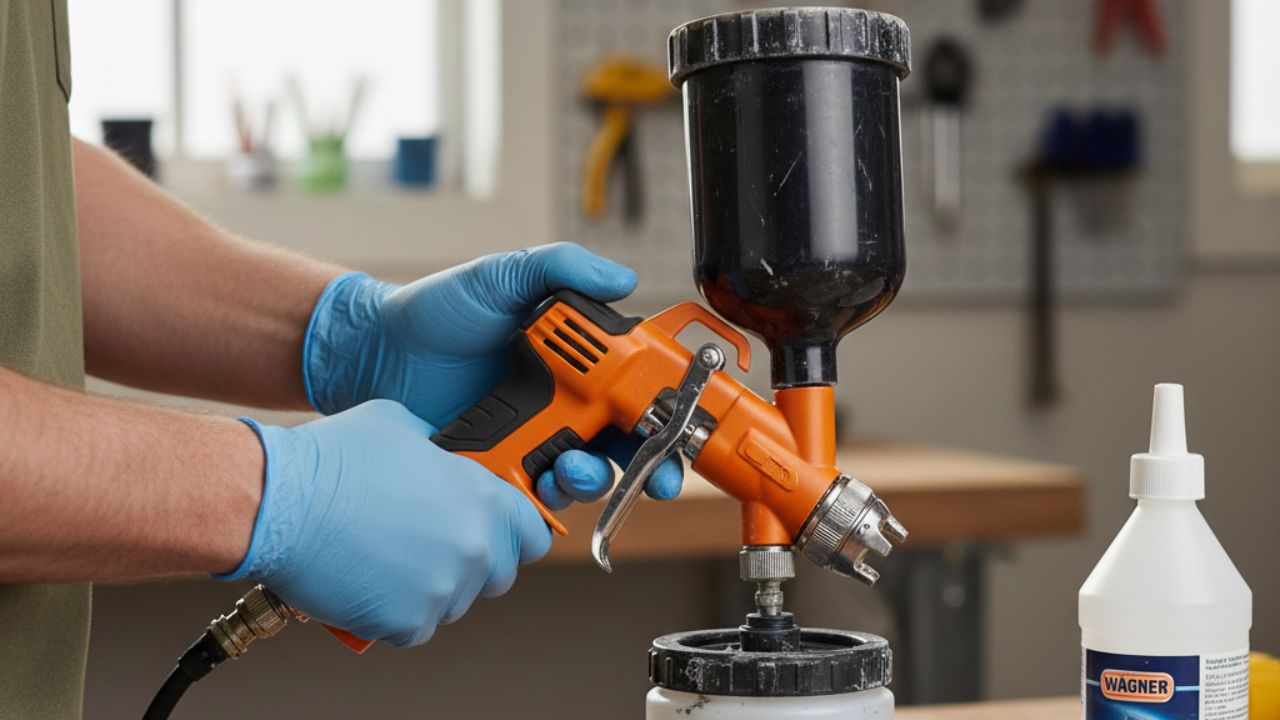
Wagner spray guns are widely used for painting projects, from DIY home improvements to professional work. They provide smooth, even finishes that can save time and improve results. However, proper cleaning and maintenance are critical for keeping your spray gun in peak condition. Understanding how to clean a Wagner spray gun goes beyond following steps—it involves knowing why each part matters, what issues may arise from neglect, and how to extend the lifespan of your equipment.
Why Cleaning Your Wagner Spray Gun is Crucial
Regular cleaning of your spray gun is not just about aesthetics—it directly affects performance and longevity:
- Preventing Clogs: Paint residue can dry inside the nozzle, needle, or air cap, leading to blockages that disrupt the spray pattern.
- Ensuring Consistent Flow: Even minor paint buildup can cause uneven paint distribution, leaving streaks or spots.
- Protecting Components: Metal parts like the needle, tip, and air cap can corrode if paint and solvents are left inside.
- Cost Savings: Neglecting cleaning often results in costly repairs or replacement of worn parts.
Professional painters often emphasize that the quality of your cleaning routine is as important as the painting technique itself.
Understanding the Components That Need Cleaning
A Wagner spray gun has several critical parts, each of which requires attention:
- Paint Container: Holds the paint and can accumulate residue if not cleaned.
- Nozzle and Spray Tip: Direct the paint flow; clogs here affect spray consistency.
- Needle: Controls the amount of paint released; buildup can cause sputtering or uneven spray.
- Air Cap: Helps atomize the paint; blockages affect finish quality.
- Seals and O-Rings: Ensure proper pressure and prevent leaks; can degrade if not maintained.
Knowing these components helps you focus your cleaning efforts efficiently.
How Paint Type Affects Cleaning
The cleaning method depends on the type of paint used:
- Water-Based Paints: Easier to clean with warm water; minimal harsh chemicals required.
- Oil-Based or Solvent Paints: Require suitable paint thinner or cleaning solution to dissolve residue.
- Specialty Paints (e.g., lacquer, enamel): May need stronger solvents and careful handling to avoid damage.
Choosing the correct cleaning agent protects both your spray gun and your health. Always use gloves and ensure proper ventilation when working with chemicals.
you can also check out our guide : How to Connect PVC Pipe: Easy Step-by-Step Guide for Beginners
Common Mistakes in Cleaning Wagner Spray Guns
Even experienced users can make errors that reduce performance:
- Skipping Routine Cleaning: Leaving paint in the gun, even overnight, can cause irreversible clogs.
- Using Metal Tools for Cleaning: Needles or tips can be scratched or deformed, compromising spray quality.
- Neglecting Small Parts: Even minor paint deposits on O-rings or air cap holes can affect performance.
- Rushing the Process: Incomplete cleaning often leads to long-term damage and uneven paint application.
Avoiding these mistakes ensures your spray gun maintains professional performance over time.
Tips for Maintaining Your Wagner Spray Gun
Proper cleaning is part of a broader maintenance routine. Consider the following tips:
- Clean Immediately After Use: Paint is easier to remove before it dries.
- Inspect Components Regularly: Check for wear on needles, seals, and O-rings.
- Use the Right Brushes: Soft cleaning brushes avoid damaging delicate parts.
- Store Properly: Keep your spray gun in a clean, dry place to prevent corrosion.
- Follow Manufacturer Guidelines: Your Wagner model may have specific maintenance instructions.
A consistent maintenance routine not only improves performance but also reduces the frequency of repairs.
Understanding the Science Behind Spray Gun Cleaning
Cleaning a spray gun is about more than removing paint—it’s about preserving the fluid dynamics of the tool. Paint flows through tiny passages that must remain unobstructed. Even small blockages alter pressure and atomization, which affects paint distribution on the surface. Proper cleaning ensures that:
- The paint atomizes evenly.
- Spray patterns remain consistent.
- Air pressure remains stable for smooth application.
Understanding these principles helps users appreciate why each cleaning step is important.
Final Thoughts
Learning how to clean a Wagner spray gun is not just about routine maintenance—it’s a crucial part of professional painting. By understanding the importance of each component, the impact of paint type, and the consequences of neglect, you can ensure your spray gun delivers optimal performance and lasts for years. Proper cleaning and maintenance save time, prevent frustration, and result in higher-quality finishes on every project.
Investing a little time in cleaning today can prevent major issues tomorrow, making it a fundamental skill for anyone using a Wagner spray gun.


Keep Exploring Zingyzon.com
Read more Zingyzon SEO, digital marketing, online earning, business, and technology guides for Australia, USA, and global readers.