
How Long Do Canary Eggs Take to Hatch: A Complete Guide
If you are a bird enthusiast or canary breeder, one of the most common questions is how long do canary […]
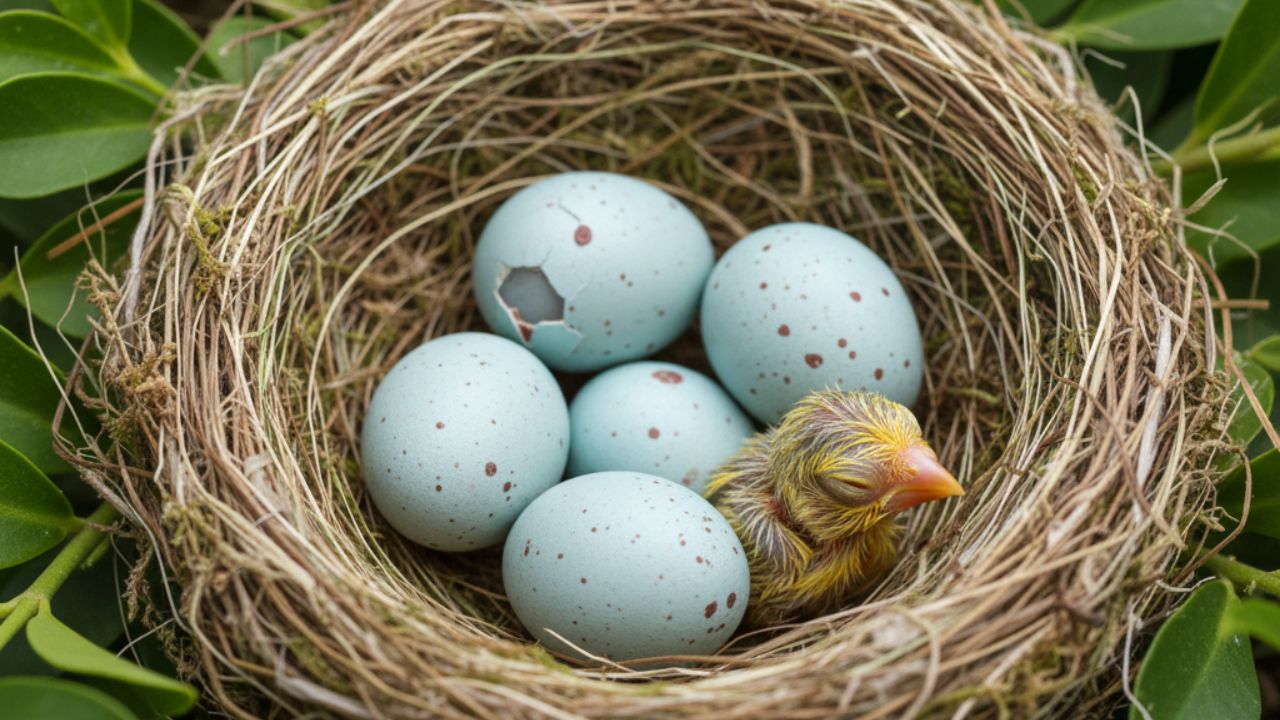
If you are a bird enthusiast or canary breeder, one of the most common questions is how long do canary eggs take to hatch. Understanding the hatching timeline, incubation conditions, and proper care can help ensure healthy chicks and successful breeding.
Canaries are delicate birds, and their eggs require careful attention during the incubation period. This guide provides a comprehensive overview of hatching times, environmental conditions, and practical tips for nurturing baby canaries.
Typical Hatching Time for Canary Eggs
On average, canary eggs take about 13 to 14 days to hatch after incubation begins. This timeframe may vary slightly depending on factors such as:
- Parent birds: Some breeds may have slightly shorter or longer incubation periods.
- Temperature: Stable and correct temperatures can affect development.
- Humidity: Proper humidity levels are essential for healthy embryo growth.
During this period, the eggs must be kept under consistent conditions to maximize hatching success.
Step 1: Incubation by Parent Birds
In most cases, canary eggs are incubated naturally by the female:
- The female typically starts incubating the eggs after laying the last one.
- She spends most of her time on the nest, keeping the eggs warm.
- The male may help occasionally by feeding the female and keeping her calm.
It’s important not to disturb the nest during this time, as frequent handling can stress the female and affect egg development.
Step 2: Artificial Incubation
Some breeders prefer using incubators to control temperature and humidity more precisely:
- Set the incubator temperature to 37.5°C (99.5°F) for optimal embryo development.
- Maintain humidity at around 50–60%.
- Rotate the eggs gently 3–4 times a day to prevent the embryo from sticking to the shell.
- Monitor conditions closely, as fluctuations can reduce hatching success.
Using an incubator allows more control and can be particularly useful for large breeding projects or if the female is inexperienced.
you can also check out our guide : zingyzon.com
Step 3: Signs the Eggs Are About to Hatch
As the 13–14 day mark approaches, watch for signs that the chicks are ready to emerge:
- Small cracks or pipping marks on the shell.
- Tiny chirping sounds from inside the egg.
- Slight movements of the egg as the chick shifts position.
At this stage, it is crucial to avoid handling the eggs unnecessarily, as the chick may be vulnerable.
Step 4: After Hatching Care
Once the chicks hatch:
- Keep them in a warm, safe environment; the female typically continues to brood them.
- Ensure that the parents have a high-protein diet to feed the chicks.
- Avoid excessive handling during the first few days to prevent stress.
- Observe the chicks for signs of illness or weakness, and consult a vet if necessary.
Healthy feeding and a clean environment are essential for proper growth and development.
Factors Affecting Hatching Success
Several factors influence how long canary eggs take to hatch and their survival rate:
- Egg viability: Fresh, healthy eggs have higher chances of hatching.
- Parent health: The health and diet of the breeding pair affect embryo development.
- Environmental conditions: Temperature, humidity, and stability are critical for proper hatching.
- Disturbance: Minimal handling and stress-free conditions improve hatching success.
Monitoring these factors can help ensure that your canary eggs hatch successfully and the chicks thrive.
Tips for Successful Canary Egg Hatching
- Always provide a balanced diet for breeding canaries, including seeds, eggs, and fresh greens.
- Maintain a clean cage to prevent infections.
- Monitor the nesting area for safety and security.
- Avoid sudden temperature changes, which can harm the embryos.
- Record the laying and expected hatching dates to anticipate and prepare for hatching.
Following these tips helps maximize the health and survival of both eggs and chicks.
Final Thoughts
Knowing how long do canary eggs take to hatch is essential for anyone interested in breeding these beautiful birds. Typically, the eggs hatch within 13 to 14 days, but successful hatching also depends on temperature, humidity, parental care, and handling practices.
By understanding the incubation process, maintaining optimal conditions, and providing proper post-hatching care, breeders can increase the likelihood of healthy chicks and enjoy the rewarding experience of raising canaries.



Keep Exploring Zingyzon.com
Read more Zingyzon SEO, digital marketing, online earning, business, and technology guides for Australia, USA, and global readers.