
8Why Concert Tourism Is One of the Biggest Travel Trends
Travel once began with a destination. People chose a city, booked a hotel, and then searched for activities. Concert tourism […]
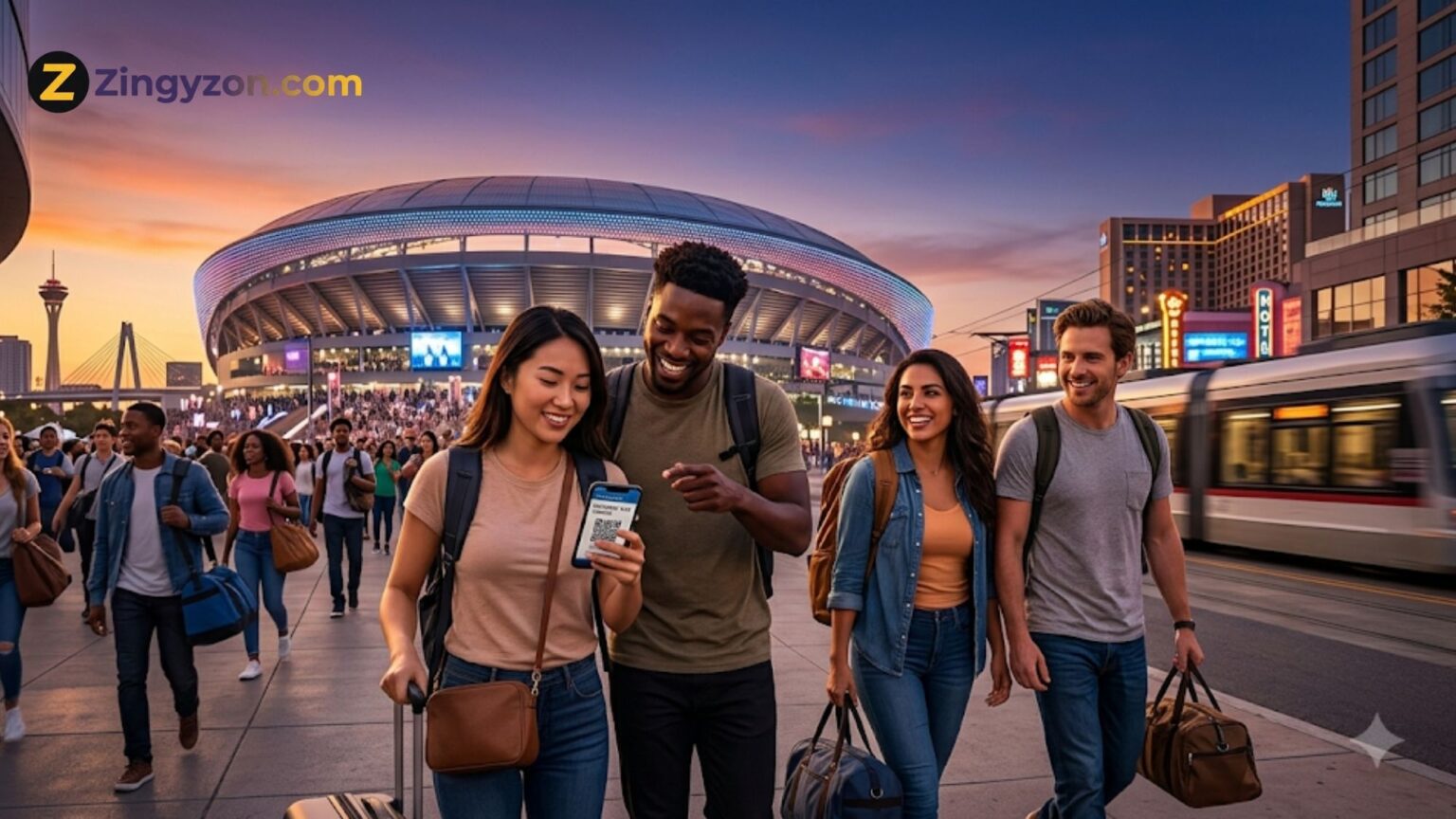
Travel once began with a destination. People chose a city, booked a hotel, and then searched for activities. Concert tourism is reversing that order. Increasingly, travellers choose an artist, tour date, festival, or music residency first and build the entire trip around it.
Also called music tourism, gig tripping, or live event tourism, the idea is simple: a concert becomes the main reason to travel. Flights, accommodation, restaurants, sightseeing, shopping, and local transport are then organised around the performance.
The trend is no longer limited to dedicated fans following a band across several cities. Couples are turning concerts into weekend breaks, families are combining shows with holidays, and groups of friends are using live events as a reason to reunite. Travellers searching for more destination inspiration can also explore zingyzon.com.
Live music fits perfectly with the modern desire for meaningful, shareable, and emotionally memorable experiences. Here are eight reasons concert tourism has become one of the biggest travel trends.
1. Travellers Are Choosing Experiences Over Traditional Sightseeing
Many travellers no longer want a holiday built only around landmarks and photographs. They want an experience that gives the trip a clear purpose. A live concert does exactly that.
The excitement begins while trying to secure tickets, continues through planning and travelling, and reaches its peak when the artist appears on stage. Afterwards, fans remember the crowd, venue, songs, outfits, and people they met.
Viator reported that concerts and special events became one of its five fastest-growing booking categories, rising by more than 50 percent over the previous year. The growth included headline concerts and culturally rooted performances such as flamenco and classical music.
Concert tourism therefore provides something ordinary sightseeing cannot always offer: a personal story linked to a specific place and moment.
2. Global Tours Create Ready-Made Travel Opportunities
A major tour can introduce fans to destinations they may never have considered. Someone may choose a date in Paris, Tokyo, Singapore, London, Dubai, Seoul, or New York because the artist is not visiting their home country or because tickets are easier to find elsewhere.
Tour schedules become temporary travel maps. Fans compare cities by ticket availability, flight prices, visa rules, venue size, weather, and the attractions available before or after the show. Travellers exploring possible dates can browse concert tickets on Fanatix and then compare the total trip cost before booking.
The cheapest concert ticket does not always create the cheapest holiday. A slightly more expensive seat in a well-connected city may cost less overall when flights, hotels, and public transport are considered.
Live Nation reported that about 159 million fans attended its shows in 2025, its highest annual attendance, with particularly strong growth in Europe, Mexico, and Asia. This scale shows how international touring can influence travel choices across many markets at once.
3. Social Media Turns Concert Trips Into Cultural Moments
Concert tourism is closely connected to social media. Tour announcements, fan videos, outfit ideas, venue guides, countdowns, and set-list discussions spread quickly across TikTok, Instagram, YouTube, X, and online fan communities.
This creates urgency. People see friends or creators attending a show and feel they are watching a cultural moment unfold without them. A concert is no longer experienced only inside the venue; it becomes part of a wider online conversation.
Social media also makes international concert travel feel easier. Fans share airport routes, safe neighbourhoods, venue entry rules, transport options, merchandise tips, and places to stay. This advice can reduce uncertainty for first-time concert travellers.
However, viral excitement should not replace careful planning. Travellers must still verify ticket terms, visa timelines, hotel cancellation rules, venue policies, and the total cost.
4. Concerts Give Short Breaks a Clear Purpose
Concert tourism works particularly well for short holidays. A traveller does not always need a two-week itinerary. A show can justify a two- or three-night city break that feels complete.
A typical trip may include arrival on Friday, sightseeing and the concert on Saturday, brunch or a museum on Sunday, and the return journey that evening. This format suits professionals with limited annual leave, students travelling on weekends, and people who want a focused getaway.
The event also simplifies planning. The traveller already has a fixed date and central activity, so the rest of the itinerary can be organised around the venue.
Fans also spend beyond the concert on hotels, food, transport, shopping, and attractions. Cities therefore treat concerts, festivals, sporting competitions, and other live tourism events as valuable drivers of visitor demand. Skift notes that music events and residencies continue to create substantial travel and economic impact, even as consumers become more budget-conscious.
5. Fans Want Community as Much as Entertainment
A concert brings together people who already share an interest. That sense of community becomes especially powerful when fans travel from different regions or countries.
Solo travellers may feel more comfortable taking a trip when they know they will be surrounded by people who enjoy the same artist. Fan groups often organise meet-ups, transport, shared accommodation, themed outfits, banners, or pre-show gatherings.
For friends living in different cities, one tour stop can become a meeting point and a shared holiday. Families may also travel together when an artist appeals to more than one generation.
The memories extend beyond the performance. They include conversations in hotel lobbies, queues outside the venue, meals with other fans, and the anticipation of travelling together. Concert tourism succeeds because it combines entertainment, identity, belonging, and discovery.
6. Host Cities Are Improving Event Experiences
Destinations recognise that major events attract valuable visitors. Many are improving public transport, crowd management, safety information, venue districts, and partnerships between hotels and event organisers.
Some cities extend the experience through fan zones, pop-up shops, themed exhibitions, local performances, special menus, and city passes. Music residencies can be especially valuable because they bring visitors repeatedly over several weeks or months instead of on a single night.
The venue itself may become part of the attraction. Fans sometimes choose an iconic stadium, arena, theatre, or outdoor festival site even when the same artist is performing closer to home.
According to the World Travel & Tourism Council, travel and tourism contributed US$11.6 trillion to global GDP in 2025 and supported 366 million jobs. Concert tourism is only one part of that economy, but it shows how one event can distribute spending across hotels, restaurants, transport providers, retailers, and attractions.
7. Music Creates a Deeper Connection With a Destination
Concert travellers often discover much more than the venue. Once they have paid for transport and accommodation, many extend the itinerary to explore the city.
A show in Nashville may lead to country music landmarks. A concert in New Orleans can introduce travellers to jazz clubs and local food. A trip to Seoul may include K-pop districts, cafés, shopping, and cultural attractions. Festivals may also bring visitors to smaller towns they would otherwise overlook.
Concert tourism is not limited to stadium tours. It includes opera, jazz festivals, electronic music weekends, classical performances, folk traditions, local clubs, and music heritage routes.
The destination becomes part of the memory of the performance, while the performance gives the traveller a more meaningful way to understand the destination. For local businesses, this creates opportunities to connect events with food, nightlife, heritage, neighbourhoods, and day trips.
8. Limited Availability Creates Urgency
Unlike a museum or historic landmark, a concert is temporary. It takes place at a specific time and may never be repeated in the same form.
A farewell tour, reunion, album launch, festival anniversary, or exclusive residency can motivate people to travel now rather than postpone the experience. Missing the date may mean losing the opportunity completely.
This scarcity increases the emotional value of the trip. Travellers may accept higher prices or more complicated schedules because they view the experience as rare. That helps explain why concert tourism can remain strong even when people become more cautious about general travel spending.
Excitement still needs limits. Responsible travellers secure legitimate tickets, use refundable bookings where possible, keep emergency funds, and avoid creating an unaffordable trip simply because of fear of missing out.
How to Plan a Concert Tourism Trip
A concert trip needs careful coordination because the main event cannot easily be moved.
Secure the Ticket First
Do not book non-refundable flights or hotels based only on a tour announcement. Confirm the ticket, date, city, venue, and entry conditions. Check whether it is mobile-only, personalised, transferable, or linked to the original purchaser.
Calculate the Full Cost
Include ticket fees, transport, baggage, accommodation, food, visas, insurance, local travel, merchandise, and emergency spending. Comparing the total cost of different tour cities can reveal a better-value option.
Plan the Journey Back From the Venue
A hotel near the venue may cost more but reduce late-night transport problems. When staying farther away, check when trains, buses, and metro services stop. Large events can produce long taxi queues and higher fares.
Arrive Early
International travellers should consider arriving at least one day before the show. Flight delays, cancellations, baggage problems, and immigration queues can ruin a tightly scheduled trip.
Review Venue Rules
Check bag limits, identification requirements, age restrictions, accessibility arrangements, prohibited items, entry gates, and re-entry policies. Rules can differ significantly between venues and countries.
Protect Important Documents
Keep digital and offline copies of tickets, hotel reservations, insurance details, identification, and emergency contacts. Read travel insurance terms carefully because cancellation coverage varies.
The Future of Concert Tourism
Concert tourism is likely to remain influential because it reflects several wider travel preferences at once: experiences over possessions, purposeful short breaks, social connection, cultural immersion, and shareable memories.
Technology will make these trips easier to organise. Fans can compare tour dates, ticket options, transport, accommodation, and venue information within minutes. Cities and travel companies are also developing packages and local activities around major events.
The trend will become more diverse. Stadium tours will keep attracting international audiences, while smaller cultural performances, regional festivals, music heritage routes, and artist residencies will create additional reasons to travel.
Cost will remain important. Travellers may choose fewer events but make each trip more meaningful. They may also select secondary cities, travel off-peak, share accommodation, or combine a concert with a longer holiday to gain better value.
Frequently Asked Questions
What Is Concert Tourism?
Concert tourism is travel primarily motivated by attending a live music event, including concerts, festivals, residencies, opera, club performances, and cultural music experiences.
Why Is Concert Tourism Growing?
It is growing because travellers increasingly value memorable experiences, artists tour globally, social media creates excitement, and live events give trips a clear purpose.
Is Concert Tourism Limited to Stadium Shows?
No. Concert tourism also includes small venues, local music scenes, classical concerts, cultural performances, festivals, and music heritage experiences.
How Can Concert Travellers Save Money?
Compare several tour cities, use public transport, share accommodation, travel outside peak periods, and set a firm budget for food and merchandise.
Final Thoughts
Concert tourism has transformed live music into a powerful reason to explore the world. A performance can influence where people travel, how long they stay, what they spend, and how deeply they connect with a destination.
Its appeal comes from more than entertainment. Concert trips combine anticipation, community, discovery, and emotion in a way few ordinary holidays can match. Whether the journey involves a global stadium tour or an intimate local performance, music gives travellers a purpose and turns a destination into part of a lasting memory.
As artists continue to tour internationally and cities invest in event infrastructure, concert tourism will remain one of the most important travel trends shaping how people choose their next trip.


Keep Exploring Zingyzon.com
Read more Zingyzon SEO, digital marketing, online earning, business, and technology guides for Australia, USA, and global readers.