
Coffee Maker Buying Guide
A good coffee maker should make your morning easier, not turn it into a complicated experiment. The right machine can […]
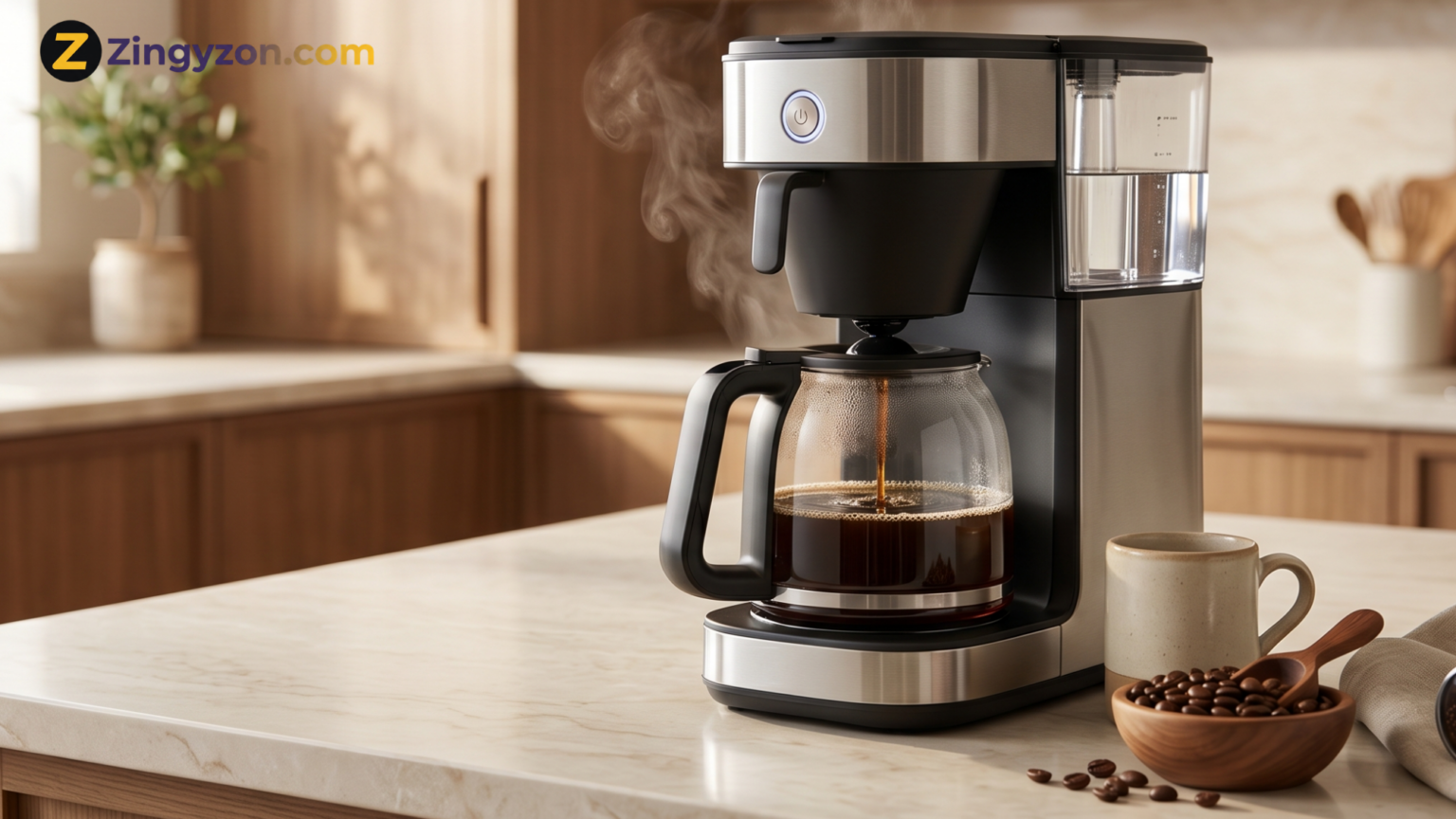
A good coffee maker should make your morning easier, not turn it into a complicated experiment. The right machine can deliver consistent flavor, suit the number of people in your home, fit your counter, and remain simple enough to clean regularly. The wrong one may look impressive online but produce weak coffee, waste pods, occupy too much space, or require more maintenance than you expected.
This coffee maker buying guide explains the main brewer types, essential features, capacity choices, carafe options, maintenance needs, and common buying mistakes. Whether you want one fast cup before work or a full pot for several people, the best choice begins with understanding how you actually drink coffee.
Quick Answer: Which Coffee Maker Should You Buy?
Choose a standard drip coffee maker when you regularly prepare several cups and want an affordable, dependable option. A single-serve machine is more convenient for one person or a household with different drink preferences. An espresso machine is suitable when you want concentrated coffee and milk-based drinks, while a grind-and-brew model is useful when you prefer freshly ground beans without buying a separate grinder.
For most households, an 8- to 12-cup programmable drip machine with a removable water reservoir, automatic shutoff, and easy-to-clean brew basket offers the best balance of convenience and value. A thermal carafe is preferable when coffee needs to stay warm for an extended period, while a glass carafe works well when the pot is usually finished soon after brewing.
Start With Your Daily Coffee Routine
Before comparing buttons, pressure ratings, or premium finishes, consider your normal routine. How many people drink coffee at home? Do they drink at the same time? Do you prefer a large mug, several smaller servings, espresso, iced coffee, or milk-based beverages? Your answers will quickly narrow the options.
A person who drinks one mug before leaving home has different needs from a family that finishes a full carafe at breakfast. Likewise, someone who enjoys cappuccinos may be disappointed by a basic drip brewer, even if that machine receives excellent reviews.
Consider how many servings you make, whether everyone likes the same style, how quickly coffee must be ready, whether you buy beans or grounds, and how much cleaning and counter space you can accept. Buying around your real routine is more reliable than choosing the machine with the longest feature list.
Main Types of Coffee Makers
Coffee makers differ significantly in flavor, speed, cost, and effort. Understanding the main categories will prevent you from paying for functions you do not need.
Drip Coffee Makers
A drip coffee maker heats water and distributes it over ground coffee held in a filter. Brewed coffee then flows into a glass or thermal carafe. This familiar style is practical for households, offices, and anyone who wants several servings at once.
Drip machines are generally easy to operate and available across a wide price range. Better models control water temperature, distribute water evenly, and offer programmed start times. Their main limitation is flexibility, although half-batch settings improve small brews.
Single-Serve and Pod Coffee Makers
Single-serve machines prepare one cup at a time using pods, capsules, or a reusable filter. They are fast, reduce measuring, and allow household members to choose different flavors.
They work well in small kitchens, offices, or homes where coffee is consumed at different times. However, pods can cost more per serving and create extra packaging waste. Check capsule availability, reusable-pod compatibility, and ongoing cost before buying.
Espresso Machines
Espresso machines force hot water through finely ground coffee to produce a concentrated drink. They are designed for espresso shots and drinks such as lattes, cappuccinos, and Americanos.
Manual and semi-automatic machines offer control but require grinding, dosing, tamping, and practice. Automatic models simplify the process, with some grinding beans and preparing drinks at one touch.
Choose this category only when you enjoy espresso-style drinks and accept the extra cleaning. Temperature stability, grinder quality, and usability matter more than dramatic pump-pressure claims.
Grind-and-Brew Coffee Makers
A grind-and-brew machine combines a grinder with a drip brewer or automatic espresso system. It can improve convenience and preserve aroma by grinding beans shortly before brewing.
This design is useful when you want fresh coffee without operating two appliances. The trade-off is more cleaning and more components that may eventually need service. Check whether the grinder can be switched off when using pre-ground coffee and whether the bean hopper and grinding path are accessible for cleaning.
Pour-Over and Manual Brewers
Pour-over brewers, French presses, AeroPress-style devices, and other manual tools do not automate the full process. They require a kettle and more hands-on preparation but provide control over coffee dose, water, and brew time.
Manual brewers are compact and affordable, but they are less convenient when several people need coffee quickly.
Cold Brew Coffee Makers
Cold brew makers steep coarse grounds in cool water for an extended period. Choose one when cold brew is a regular drink, and consider refrigerator space, filter quality, batch size, and sediment control.
For a broader comparison of useful countertop tools, explore ZingyZon’s guide to small kitchen appliances for everyday cooking.
Choose the Right Coffee Maker Capacity
Coffee-maker capacity can be misleading because the “cup” marked on a carafe may be smaller than the mug you use at home. Instead of relying only on the advertised cup count, check the reservoir and carafe volume in ounces or milliliters.
A compact 4- to 5-cup brewer may suit one or two people. An 8- to 10-cup model works for many couples and smaller families. A 12- to 14-cup machine is more practical for larger households, frequent visitors, or home offices.
| Household Need | Suggested Brewer Size |
|---|---|
| One regular coffee drinker | Single-serve or 4–5 cup |
| Two coffee drinkers | 5–8 cup |
| Three to four drinkers | 8–12 cup |
| Large household or office | 12–14 cup or larger |
Check whether a large machine also has a small-batch setting, since this can improve results when you do not need a full pot.
Glass Carafe or Thermal Carafe?
A glass carafe normally sits on a warming plate. It is easy to see through, often costs less, and suits coffee served soon after brewing. Extended heating may gradually change flavor, and glass can break, so check replacement availability.
A thermal carafe uses insulation to retain heat without a hot plate. It suits slow mornings or households that drink one batch over several hours, although it may be heavier and harder to inspect.
Choose glass for visibility and simplicity or thermal storage for longer heat retention.
Brewing Temperature and Water Distribution
Consistent extraction depends partly on how effectively a machine heats and distributes water. A weak heating system may produce flat or sour coffee, while uneven water flow can leave some grounds under-extracted and others over-extracted.
Look for language about precise temperature control, full coffee-bed saturation, pre-infusion, or a wide showerhead. A bloom or pre-wet function briefly wets fresh grounds before the main brew and may help release trapped gas.
The Specialty Coffee Association certifies home brewers that meet testing requirements related to brewing temperature, brew time, and performance consistency. SCA certification is not essential for every buyer, but it provides a useful independent quality signal when comparing premium drip machines.
Important Coffee Maker Features
Useful features should reduce effort or improve consistency. Decorative extras that you rarely use should not drive the purchase.
Programmable Brewing
A 24-hour timer allows the machine to begin brewing before you wake up. This feature is valuable for predictable weekday routines. Make sure the control panel is easy to set, especially after a power interruption.
Automatic Shutoff
Automatic shutoff improves convenience and reduces the risk of leaving a warming plate or machine running. Check the shutoff timing and whether it can be adjusted.
Brew-Strength Control
Strength settings may alter water flow or contact time to produce a milder or more intense cup. They are helpful when several people share the brewer, although bean dose and grind size still influence the result.
Pause-and-Serve Function
This feature temporarily stops coffee flow when the carafe is removed. It is useful when you want a cup before the full cycle finishes, but removing the pot too early may affect the balance of the remaining brew.
Removable Water Reservoir
A removable reservoir is easier to fill and clean, particularly beneath cabinets. Look for clear markings and a secure handle.
Built-In Water Filter
A replaceable carbon filter may reduce unwanted tastes and odors. Confirm its price and availability, and remember that filtration does not eliminate the need for descaling.
Iced-Coffee Settings
An iced setting generally brews a stronger or differently sized portion intended to be poured over ice. It is convenient for regular iced-coffee drinkers, but it should not be mistaken for true cold brew, which uses a different extraction method.
Smart Controls
Wi-Fi and voice controls can support remote scheduling, but they add value only when dependable. A physical button remains simpler for many users.
Counter Space and Machine Dimensions
Measure the intended location before ordering. Allow room to lift the reservoir lid, open the brew basket, remove the carafe, and provide required ventilation.
Cabinet clearance matters because a machine may fit beneath a cabinet but still need to be pulled forward for filling. Also check cord placement, outlet access, and weight if the brewer will be stored between uses.
ZingyZon’s overview of the best kitchen appliances for modern homes offers additional ideas for planning a practical, uncluttered appliance setup.
Coffee Maker Cleaning and Maintenance
A coffee maker that is difficult to clean may quickly become unpleasant to use. Coffee oils can collect in baskets and carafes, while minerals from water can accumulate inside heating pathways.
Look for a removable brew basket, suitable dishwasher-safe parts, a wide carafe opening, and a cleaning indicator. Pod machines need accessible holders and drip trays, while espresso machines require regular care of steam wands, group components, and milk systems.
Descale at the interval stated in the manual; the correct frequency depends on water hardness and use. Use an approved product or method, wash coffee-contact parts regularly, replace filters when required, and inspect seals or tubing for wear.
Operating Cost and Long-Term Value
The purchase price is only one part of ownership. Consider ground coffee or capsule cost, paper filters, water filters, descaling solution, cleaning tablets, replacement carafes, and potential repairs.
A basic drip machine usually has low ongoing costs. Single-serve systems may cost more per cup, while espresso machines can involve grinder, accessory, and maintenance expenses.
Durability also matters. A repairable brewer with available parts may outlast a cheaper unit that becomes unusable when a carafe or seal fails. Compare warranty, support, and consumable-part availability.
For more information about selecting dependable appliances across the home, see the guide to best home appliances for modern homes.
Is an Expensive Coffee Maker Worth Buying?
A higher price may bring more precise temperature control, better water distribution, stronger construction, quieter operation, and better warranty coverage. Premium models may also include thermal carafes, grinders, adjustable brew settings, milk systems, or smart controls.
However, a high price does not automatically mean the machine is right for your household. A simple drip brewer can provide better value than an expensive espresso machine when you only want a straightforward pot of morning coffee.
Pay for brewing quality, durability, and functions you will use regularly. Avoid spending extra only for decorative screens, excessive presets, or connectivity features that add little to your routine.
Coffee Maker Energy and Convenience Considerations
Coffee makers generally operate for short periods, but certain features can affect energy use. Warming plates may remain active after brewing, while automatic shutoff reduces unnecessary operation.
A thermal carafe can keep coffee warm without continuous heating. Single-serve brewers may also maintain hot water between drinks, depending on their design and settings.
Check whether the machine offers an energy-saving or standby mode. More importantly, choose the correct capacity. Brewing a full carafe when only one cup is needed wastes coffee, water, and electricity.
Convenience also includes noise. Built-in grinders, pumps, alerts, and milk systems may be noticeable during early mornings. Reviews and product demonstrations can help you understand whether the machine is suitable for a quiet apartment or shared home.
Coffee Filters: Paper, Permanent, or Capsules?
Drip brewers commonly use paper filters, reusable metal filters, or both. Paper filters simplify cleanup and may produce a cleaner cup with less sediment. They create recurring cost and must remain available in the correct size.
Permanent filters reduce disposable waste and allow more coffee oils into the cup, which can produce a fuller texture. They require washing after each use and may allow fine sediment through.
Pod systems use sealed capsules designed for specific machines. They are convenient but can limit coffee choice and increase cost. Before purchasing a pod brewer, check whether compatible reusable filters are available and whether using them affects performance or warranty terms.
Common Coffee Maker Buying Mistakes
One common mistake is buying an espresso machine because it looks premium without considering the learning and cleaning involved. Another is choosing a large drip brewer even though only one person drinks coffee.
Do not ignore ongoing pod costs, counter clearance, replacement filters, or carafe availability. Avoid judging performance only by the number of settings. A machine that heats water consistently and saturates grounds evenly may produce better coffee than one with dozens of rarely used presets.
Another mistake is assuming a built-in grinder guarantees excellent coffee. Grinder consistency and cleaning access vary considerably. Finally, do not overlook noise. Early-morning grinders, pumps, and alert tones may be disruptive in small homes.
Coffee Maker Checklist Before You Buy
Use this checklist to compare shortlisted models:
- Does it match the coffee style you drink most often?
- Is its realistic capacity large enough?
- Can it handle a smaller batch properly?
- Will it fit with the lid and basket open?
- Do you prefer a glass or thermal carafe?
- Are temperature and water distribution well controlled?
- Are its parts easy to wash and replace?
- What filters, pods, or cleaning supplies will it require?
- Is the warranty reasonable?
A machine that answers these questions well is more likely to remain useful after the excitement of a new purchase fades.
Frequently Asked Questions
What type of coffee maker is best for everyday home use?
A programmable drip coffee maker is the best general choice for many homes because it is affordable, simple, and capable of brewing several servings. Single-serve machines are better for one-cup convenience, while espresso machines suit specialty-drink preferences.
What size coffee maker should I buy?
Base the size on the number of actual mugs prepared together, not only the advertised cup count. One person may need a compact or single-serve machine, while a household of three or four coffee drinkers may prefer an 8- to 12-cup brewer.
Is a thermal carafe better than glass?
A thermal carafe is better when coffee must remain warm for a longer period without sitting on a hot plate. A glass carafe is easier to see through and may cost less, making it suitable when the batch is consumed quickly.
Is an expensive coffee maker worth it?
A more expensive machine may be worthwhile when it offers better temperature control, even water distribution, durable construction, repairability, and features you use regularly. A high price alone does not guarantee better coffee or easier ownership.
Should I buy a coffee maker with a grinder?
A built-in grinder is convenient and saves counter space. It is a good choice when you use whole beans daily and are willing to clean the grinder and brewing system. Separate grinders offer more flexibility and may be easier to upgrade.
How often should a coffee maker be descaled?
Follow the manufacturer’s schedule because the correct interval depends on the machine, frequency of use, and mineral content of your water. A cleaning or descaling indicator can make the routine easier to manage.
Is a pod coffee maker cheaper than a drip coffee maker?
A pod machine may have a low initial purchase price, but capsules usually cost more per serving than ground coffee. A drip machine is normally more economical for households that prepare several cups each day.
Can I use regular ground coffee in every machine?
Regular ground coffee works in most drip machines, but espresso, French press, and cold brew methods require different grind sizes. Pod machines may require compatible capsules or an approved reusable filter.
Keep Exploring Zingyzon.com
Read more Zingyzon SEO, digital marketing, online earning, business, and technology guides for Australia, USA, and global readers.