
Bike Repair Shop Growth Strategies You Didn’t Know
Wondering what makes other bike repair stores more successful than yours? We get it, running a business in the unpredictable […]
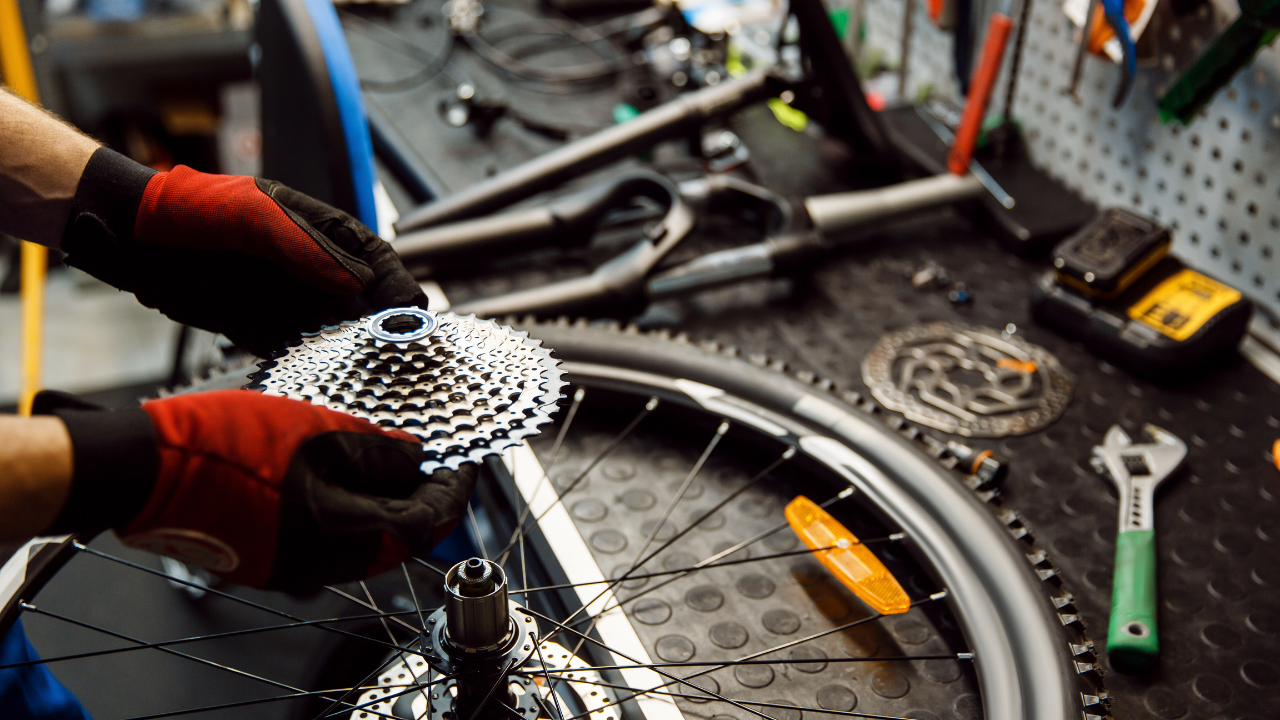
Wondering what makes other bike repair stores more successful than yours?
We get it, running a business in the unpredictable field of bicycle repair requires you to stand out in terms of efficiency and consumer happiness. Walking into a successful repair shop shows a friendly environment, a well-organized work area, and personnel that understands its tools and its consumers. Beyond the physical surroundings, these stores flourish on professionalism, internet technologies, and close ties with local bike groups.
Their dedication to remaining relevant distinguishes these stores. They provide quick, open billing, employ contemporary inventory systems, and follow industry trends. Their employees regularly collect consumer input and endure consistent training.
Bicycle repair shops that fail generally overlook technological improvements, under-invest in customer experience, and lag in knowledge of market trends. A lack of development might lead to bad service, falling foot traffic, and final closure. All this means that it is high time you incorporate renowned bike inventory management software and automate your spare parts sourcing process.
The Downfall: Bad Practices Sinking Companies
Shops that lag behind often struggle with a mix of bad management and antiquated methods. Many of these companies retain records manually, issue handwritten invoices, and use spoken work orders. Such techniques are not only labor-intensive but also error-prone. Wrong billing, missed appointments, and misplaced components can all rapidly drive away consumers.
One additional frequent problem is reluctance to change. From electric bikes to high-performance racing parts, bicycle technology is evolving. Shops that lack updated tools or training cannot adequately maintain current bicycles. Consequently, those who are better equipped steal clients from rivals.
Not having an internet presence also damages. Customers in the digital era want to locate companies online, schedule services, and see reviews.
Reinventing Your Company: A Basis of Operational Efficiency
Improving operational efficiency is the first step in turning around a bicycle repair company. Efficiency is not only about quickness but also about minimizing mistakes and streamlining processes. A well-organized workshop where tools are readily available and professionals understand their duties is absolutely vital.
Begin with a study of the present process. Find delays in part ordering, missed appointments, or protracted wait times. From reservation to pickup, chart the whole consumer path and search for pain areas. Reducing this path increases both speed and happiness.
Another cornerstone of operational success is staff training. A knowledgeable crew can swiftly identify issues, recommend the appropriate remedies, and effectively carry out repairs. Encourage continuous education and certifications to keep your workforce abreast of industry trends.
Giving Customer Satisfaction Top Priority
Customer happiness should always come first. Happy consumers recommend others, give good comments, and come back. Begin by ensuring the consumer experience is smooth and pleasant. Make sure employees quickly greet clients, actively listen, and provide precise repair deadlines.
Being open is absolutely vital. Let consumers know what has to be fixed, how long it will take, and how much it will cost. Provide several communication options including text updates, email, and phone calls. These little details demonstrate professionalism and help to foster confidence.
Service follow-up can distinguish your store. Loyalty is built with a straightforward note reminding them of a suggested service or inquiring whether all is functioning smoothly. Provide returning clients complimentary tune-ups, referral discounts, or loyalty programs among other benefits.
Modern inventory control
A repair shop can be made or broken by inventory control. A cloud-based inventory system modernizes the whole supply chain. It automates reordering, lets parts be tracked in real time, and reduces overstocking or stock-outs. Detailed usage reports let you find fast-moving products and make sure they are always accessible.
These systems also lower human mistakes. Staff can scan products in and out, change amounts right away, and get low stock notifications rather than depending on memory or handwritten notes. You avoid the turmoil of lost parts or unintentional duplicate orders and get more control of your inventory.
Furthermore, bar code integration allows you to quicken repair procedures and lower consumer wait time. Technicians devote more time to real repairs and less time looking for components. A well-organized stock helps to increase efficiency and safety in the workplace as well.
Changing Billing using Automated Systems
Another field begging for change is billing. Manual billing is not only time-consuming but also error-prone. A computerized POS (point-of-sale) system made for repair firms can greatly simplify this procedure. These systems help consumers pay using many ways—credit, debit, mobile wallets, or even payment plans; they create bills right away, compute taxes.
Automated billing guarantees professionalism and correctness. Every task is detailed properly in all parts and labor, and it may be traced from beginning to end. Customers value openness; quicker payments and less conflict help companies as well.
These systems also sometimes connect with consumer information and inventory. A part’s use automatically removes it from stock and updates customer data. This degree of integration cuts administrative load and saves time.
Remaining Competitive in a Changing Market
Like many other sectors, the bicycle maintenance one is changing. Customer expectations are shifting from e-bikes to emerging sustainability themes. Repair companies have to be aware and prepared to change. To remain ahead, go to trade exhibitions, read industry magazines, and interact with other store owners.
Final Thoughts
In the cutthroat economy of today, a bicycle repair company that does not change runs the risk of being irrelevant. Red flags that could cause failure are bad procedures including manual recordkeeping, outmoded billing, and neglected consumer input. Struggling companies can overhaul their operations and win back client confidence by learning from successful stores and using technology, though.
Operational efficiency and client happiness complement one another. A shop that is responsive, open, and orderly will automatically keep more clients. Modern inventory and billing systems help to speed up, improve accuracy, and reduce stress of procedures. Investing in these technologies is about survival and long-term success, not only about convenience.


Keep Exploring Zingyzon.com
Read more Zingyzon SEO, digital marketing, online earning, business, and technology guides for Australia, USA, and global readers.