
When Roof Repair Fixes the Problem and When Full Replacement Protects the Home: A Decision Guide for Homeowners
Homeowners facing roof damage often hear the same two options from contractors: patch it or replace it. Neither answer is […]
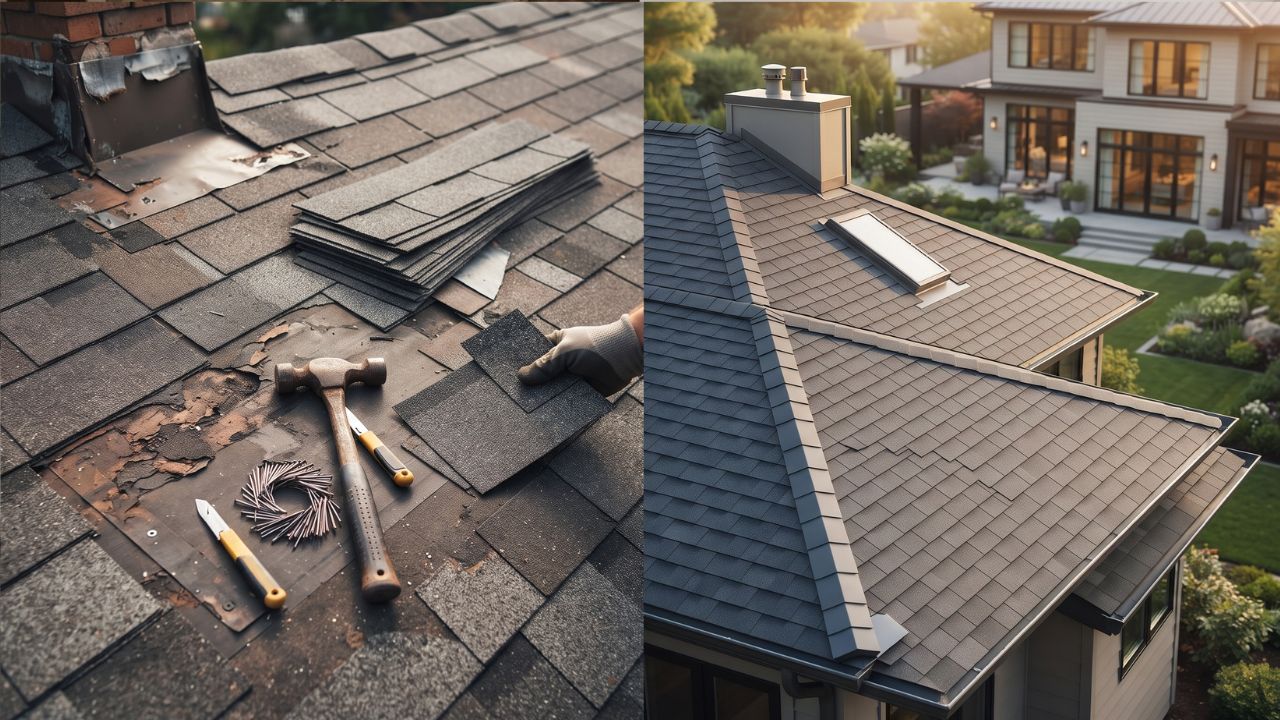
Homeowners facing roof damage often hear the same two options from contractors: patch it or replace it. Neither answer is automatically right. The correct decision depends on what the roof has sustained, how old the system is, and what an inspection actually reveals beneath the surface. For property owners considering roof repair Madison, understanding these factors can help determine whether a targeted repair or a full replacement is the better solution.
This guide walks through the specific factors that separate a repairable roof from one that needs full replacement, so you can evaluate a contractor’s recommendation with confidence and ask the right questions before work starts.
How Roof Damage Is Assessed Before Any Decision Is Made
A thorough roof inspection examines more than the shingle surface. Inspectors check flashing at penetration points (chimneys, pipe boots, vents, valleys), the condition of the decking beneath the shingles, ventilation in the attic cavity, and the gutter system where water exits the roof plane.
The visible damage on the outside is rarely the whole picture. A section of cracked shingles may sit above a deck that is structurally sound and dry. The same visible damage on a different roof may sit above decking that has absorbed moisture over multiple seasons and softened at the substrate level. The inspection determines which situation you are dealing with.
Skipping the inspection and negotiating based on a visual estimate from the ground is the most common way homeowners end up either underpaying for repairs that do not hold, or overpaying for replacement on a roof that still has years of serviceable life.
Five Factors That Point Toward Roof Repair
|
1. The damage is isolated to a defined section. When a hail strike, falling branch, or ice dam opens damage in one section of the roof while the surrounding field of shingles is intact and properly adhering, repair is the precise response. Replacing the full roof to address a 10-square section of damage costs significantly more and does not extend the life of shingles that are performing correctly.
2. The underlying deck is dry and structurally sound. Decking that is firm, free of soft spots, and shows no signs of moisture intrusion supports a repair. The repaired shingles seal to a stable substrate and perform as expected. Where the deck has softened or delaminated, it must be replaced regardless of what repair work sits above it, and at that stage the total scope of the project shifts.
3. The shingles are within the first half of their expected service life. Shingles have rated lifespans that vary by material and installation quality. A roof system that is 8 to 10 years into a 30-year rated shingle still has the majority of its service life ahead of it. Repairing storm damage or a failed flashing joint on a roof at that age preserves a system that is still performing correctly everywhere else.
4. The flashing failure is at a single penetration point. Flashing fails at chimney bases, around pipe boots, and at valley intersections for different reasons, and those failures are repairable without touching the rest of the roof system. Reflashing a chimney or replacing a deteriorated pipe boot seal is a targeted repair with a defined scope and a predictable outcome.
5. The repair cost stays well below 30 percent of full replacement pricing. When repair costs represent a small fraction of what full replacement would cost on the same structure, repair is the financially sound call. The calculus shifts when repair scope grows and approaches replacement pricing on a roof that is already past its midpoint in age.
Four Indicators That Replacement Is the Better Call
1. The shingles show widespread granule loss across the full roof field. Granules protect the asphalt layer from UV degradation and moisture. When granules are absent or depleted across a significant portion of the roof, the exposed asphalt dries, cracks, and curls at the edges. At this stage, isolated repairs address symptoms while the larger system continues to deteriorate underneath. Replacement addresses the actual condition.
2. Multiple sections show soft spots or moisture in the decking. Soft spots in the decking indicate that water has penetrated past the shingle layer and sat against the substrate long enough to compromise the wood. When soft areas appear in multiple, non-adjacent sections of the roof, the moisture intrusion has been occurring across the full system, not from a single failure point. Replacement with new decking is the correct response.
3. The roof is past 20 years on standard 3-tab or architectural shingles. Shingles aged past 20 years on a standard residential installation are approaching or past the end of their rated service life. At this stage, one repair is typically followed by another within the same season, since the surrounding shingles share the same age and exposure history. Replacement ends that cycle.
4. Insurance documentation supports replacement. After a qualifying storm event, a thorough inspection that documents damage across the full roof field may support a full replacement claim. Settling for a partial repair when replacement is warranted shortchanges the coverage the homeowner has been paying for. A contractor who photographs and documents damage before recommending a scope is working in the homeowner’s interest.
The Question to Ask Before Approving Any Scope
Before approving either a repair or a replacement estimate, ask the contractor to show you, in writing, what the inspection found and how that finding connects to the recommended scope. A repair recommendation should identify the specific damaged section, the decking condition beneath it, and the reason surrounding shingles were not included. A replacement recommendation should identify the conditions across the full roof field that make replacement the right answer at this time.
A contractor who can answer that question in writing is working from an inspection. One who cannot is working from a price.
Why Getting This Decision Right the First Time Matters
A repair performed on a roof that needed replacement will fail. A replacement performed on a roof that needed only targeted repairs wastes the homeowner’s money and removes a system that still had productive life. Neither outcome serves the homeowner.
The decision process described here does not require the homeowner to become a roofing expert. It requires asking what the inspection found, reading what the contractor documented, and verifying that the recommended scope matches the actual condition.
For homeowners and businesses looking for dependable roofing services in Madison, WI, Apple Roofing provides residential and commercial roof inspections and repairs throughout Dane County. With written estimates and thorough damage documentation provided before work begins, property owners can make informed decisions about their roofing needs and the next steps for protecting their properties.
<p><iframe src=’https://batchgeo.com/map/Roofing-Experts-in-Madison’ frameborder=’0′ width=’100%’ height=’550′ sandbox=’allow-top-navigation allow-scripts allow-popups allow-popups-to-escape-sandbox allow-same-origin allow-modals allow-forms’ allow=’geolocation https://batchgeo.com’ style=’border:1px solid #aaa; position: relative;’ scrolling=’no’ referrerpolicy=’strict-origin-when-cross-origin’ allowfullscreen></iframe></p><p><small>View <a href=’https://batchgeo.com/map/Roofing-Experts-in-Madison’>Your Roofing Experts in Madison</a> in a full screen map</small></p>
Media Contact:
Company Name: Apple Roofing
Phone: (608) 470-7551
Address: 811 E Washington Ave
City: Madison
State: WI
ZIP Code: 53703
Country: United States
Website: https://appleroof.com/madison-wi/
Social Media:

Keep Exploring Zingyzon.com
Read more Zingyzon SEO, digital marketing, online earning, business, and technology guides for Australia, USA, and global readers.