
Why Your Refrigerator Compressor Makes Noise and How to Fix It
A refrigerator that suddenly starts buzzing, rattling, clicking, or humming louder than usual can make homeowners worry about expensive repairs. […]
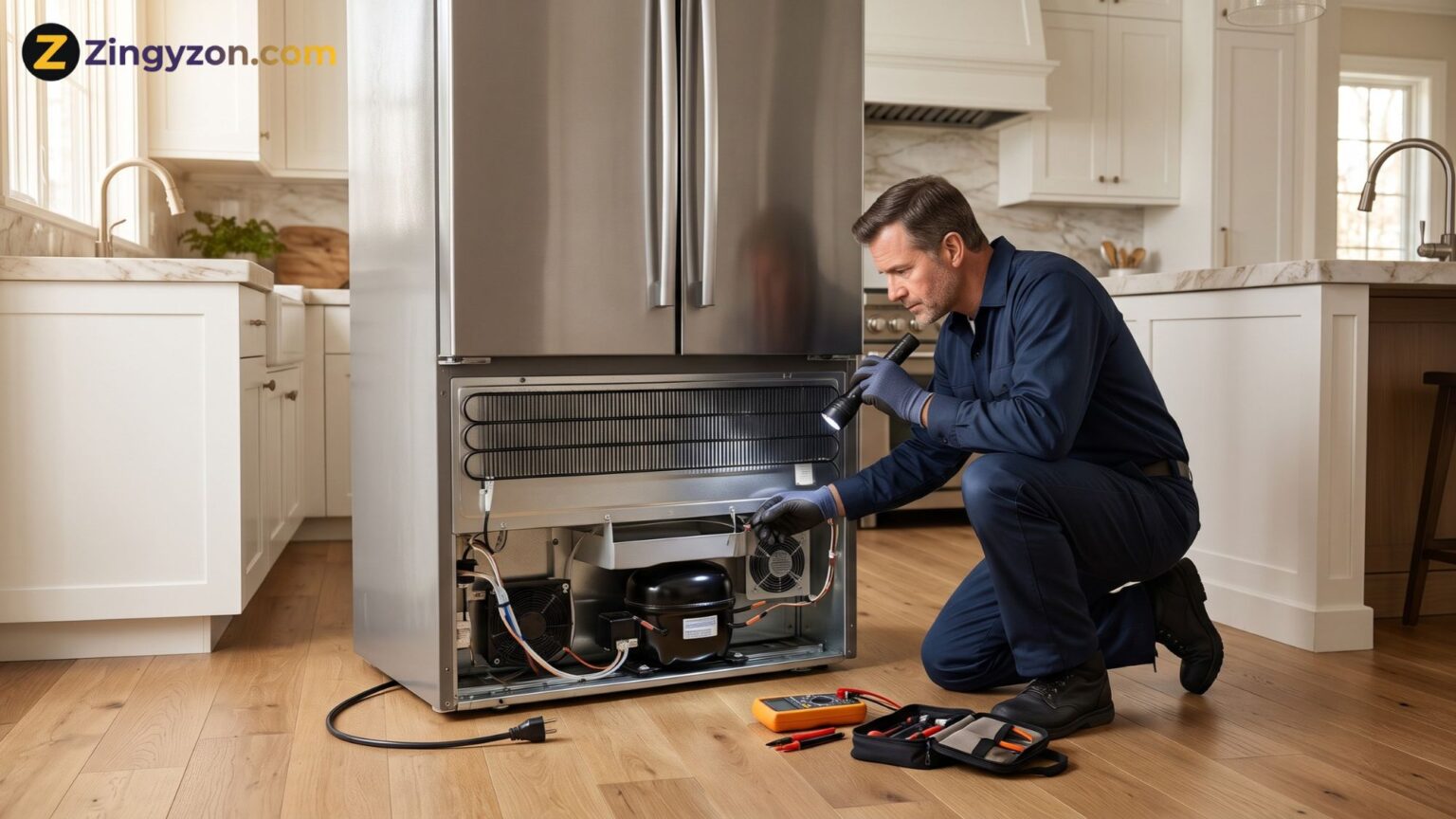
A refrigerator that suddenly starts buzzing, rattling, clicking, or humming louder than usual can make homeowners worry about expensive repairs. Fortunately, not every unusual sound indicates a serious problem. Understanding refrigerator compressor noise troubleshooting can help you recognize normal operating sounds, identify possible mechanical issues, and decide when professional assistance is necessary.
Modern refrigerators contain several moving components, including compressors, condenser fans, and evaporator fans. These components work together to maintain safe temperatures, and some operating noise is completely normal.
However, persistent grinding, repeated clicking without successful cooling, or excessive vibration may indicate a developing problem. Knowing the difference between harmless sounds and warning signs can prevent unnecessary repairs while protecting your appliance.
This guide explains common refrigerator noises, their possible causes, practical troubleshooting methods, and ways to maintain efficient cooling performance.
What Causes Refrigerator Compressor Noise?
The compressor is an essential part of a refrigerator’s cooling system. It circulates refrigerant through a sealed system, allowing heat to be removed from the refrigerator’s interior and released into the surrounding environment.
When the internal temperature rises, the cooling system operates to restore the selected temperature. Depending on the refrigerator’s design, the compressor may switch on and off or adjust its operating speed.
During this process, you might hear a low humming sound, a brief click, or gentle vibration.
The amount of noise depends on several factors:
- Compressor technology and operating speed.
- Refrigerator age and mechanical condition.
- Surrounding room temperature.
- Appliance placement and floor stability.
- Cooling demand and door-opening frequency.
- Nearby cabinets, walls, and other surfaces.
A sudden change in sound deserves attention, especially when accompanied by reduced cooling performance.
Understanding Normal Refrigerator Compressor Sounds
Before investigating possible faults, it helps to understand the sounds associated with ordinary refrigerator operation.
1. Gentle Humming During Cooling Cycles
A soft, consistent humming sound is among the most common refrigerator operating noises.
It typically occurs when the compressor runs to maintain the required temperature.
Some modern refrigerators use variable-speed compressors that operate at different speeds depending on cooling demand. As a result, humming may become louder or softer throughout the day.
After adding groceries or opening the refrigerator frequently, the compressor may work harder temporarily.
If the refrigerator maintains its correct temperature and the sound remains relatively consistent, gentle humming is generally not a reason for concern.
2. Occasional Clicking When the Compressor Starts
A brief clicking noise may occur when the refrigerator activates or stops part of its cooling system.
Temperature controls, electrical relays, and internal valves can produce clicking sounds during normal operation.
The important difference is frequency and behavior.
An occasional click followed by ordinary cooling is usually expected. Repeated clicking every few minutes, particularly when the compressor fails to start and the refrigerator becomes warm, may require professional diagnosis.
Listen for patterns rather than assuming every clicking sound indicates compressor failure.
3. Gurgling and Bubbling Sounds
Some homeowners mistake bubbling or gurgling noises for problems inside the compressor.
In many cases, these sounds come from refrigerant moving through the cooling system.
Flowing refrigerant can create gentle gurgling, especially during or after cooling cycles.
Automatic defrost systems may also produce water-related sounds as moisture drains or evaporates.
If cooling performance remains normal, these occasional noises are generally harmless.
However, unexplained hissing accompanied by poor cooling or signs of system damage should be assessed by a qualified technician.
4. Light Popping and Cracking Noises
Refrigerators experience repeated temperature changes during cooling and defrosting.
Plastic liners, internal panels, and other components can expand or contract slightly as temperatures change.
This movement occasionally produces popping, snapping, or cracking sounds.
These noises are usually brief and do not necessarily indicate a mechanical problem.
If popping becomes unusually loud or is accompanied by other symptoms, consult the manufacturer’s troubleshooting instructions.
Refrigerator Compressor Noises That May Signal a Problem
Not every sound can be explained by normal refrigeration cycles. Certain patterns may suggest that maintenance or repair is needed.
5. Loud Buzzing That Does Not Stop
A compressor can create a noticeable buzzing sound while operating normally.
However, a new, unusually loud buzz that persists may indicate excessive vibration, a fan problem, or an electrical or mechanical issue.
First, determine whether the appliance is maintaining its expected temperature.
Check for objects vibrating against the refrigerator and verify that the cabinet stands securely.
If loud buzzing continues after basic external checks, arrange professional inspection rather than attempting internal electrical repairs.
6. Repeated Clicking Without Cooling
Repeated clicking followed by silence can be more concerning than an occasional startup click.
Possible causes include difficulties starting the compressor, problems with a starting component, electrical supply issues, or compressor-related faults.
The sound alone cannot identify the defective component.
If the refrigerator repeatedly attempts to start while the compartments become warmer, avoid repeatedly switching the appliance on and off.
Contact a qualified appliance technician to evaluate the cooling and electrical systems.
7. Grinding or Harsh Mechanical Noise
A persistent grinding sound is not normally associated with quiet refrigerator operation.
The source could be a failing fan, contact between moving parts and an obstruction, or an internal mechanical problem.
Grinding near the bottom of the appliance may appear to originate from the compressor even when the condenser fan is responsible.
Do not reach toward rotating fans or remove electrical covers while the refrigerator is connected to power.
If the sound persists, professional inspection is the safest option.
8. Heavy Rattling and Excessive Vibration
Rattling is frequently caused by the appliance vibrating against nearby objects.
A refrigerator positioned too close to surrounding cabinetry may transfer normal vibrations into adjacent surfaces.
Loose items on top of the refrigerator, unstable flooring, or incorrect leveling can also amplify sounds.
In some cases, internal components or their supports may need professional attention.
Check accessible external causes first. If the appliance continues vibrating heavily despite proper positioning, schedule an inspection.
9. High-Pitched Whining or Squealing
A high-pitched sound can have several explanations.
Variable-speed compressors and cooling fans sometimes create noticeable changes in pitch during normal operation.
However, persistent squealing, harsh whining, or a sound that becomes progressively louder may indicate a fan or mechanical problem.
Pay attention to whether the noise changes when the refrigerator door opens or when cooling demand changes.
These observations can help a technician identify the source without unnecessary component replacement.
Step-by-Step Refrigerator Compressor Noise Troubleshooting
A systematic approach helps homeowners distinguish simple external problems from issues requiring professional service.
The following checks focus on safe, accessible areas rather than internal electrical or refrigerant components.
Step 1: Identify Where the Noise Comes From
Begin by listening carefully to the refrigerator while it operates.
Determine whether the sound seems to originate from the rear, lower compartment, freezer, or refrigerator interior.
A noise coming from inside the freezer may involve an evaporator fan rather than the compressor.
Sounds near the lower rear area may come from the compressor, condenser fan, or surrounding components.
Record the sound with your phone if possible.
Note when it occurs, how long it lasts, and whether cooling performance changes.
This information can be useful if professional service becomes necessary.
Step 2: Check Whether the Refrigerator Is Level
An uneven refrigerator can produce additional vibration and rattling.
Place a suitable level on the cabinet according to the manufacturer’s instructions and check that the refrigerator is stable.
If adjustment is necessary, follow the appliance manual for the correct procedure.
Some refrigerators require a slight front-to-back tilt for proper door closing rather than perfectly level positioning.
Do not attempt to move or tilt a heavy refrigerator alone.
Use appropriate assistance, protect the flooring, and avoid pulling on water or electrical connections.
Step 3: Inspect Clearance Around the Appliance
Insufficient clearance can affect ventilation and cause vibration against surrounding surfaces.
Check whether the refrigerator touches a nearby wall, cabinet, or countertop.
Look for objects that might vibrate when the compressor operates.
Maintain the clearances specified in the refrigerator’s installation manual.
Avoid guessing a universal ventilation gap because requirements differ between freestanding, counter-depth, and built-in refrigerators.
Proper placement can improve airflow and reduce unnecessary contact noise.
Step 4: Clean Accessible Condenser Areas
Dust accumulation around accessible condenser components may reduce heat-transfer efficiency.
Depending on the model, condenser coils may be located underneath or behind the refrigerator.
Disconnect the refrigerator from electrical power before cleaning.
Follow the manufacturer’s instructions for removing an accessible grille and gently clearing dust with a suitable vacuum brush.
Never bend refrigerant tubing, remove sealed-system components, or touch electrical terminals.
Some modern refrigerators have condenser designs that do not require routine consumer cleaning.
When uncertain, consult the specific model’s maintenance instructions.
Step 5: Check the Condenser Fan for Obstructions
The condenser fan helps move air through parts of the cooling system on refrigerators equipped with one.
A noisy fan may create rattling, buzzing, or scraping sounds that resemble compressor problems.
With the refrigerator powered off and unplugged, visually inspect only accessible areas for obvious obstructions.
Do not remove protective housings or reach into inaccessible mechanical compartments.
If a fan appears damaged, obstructed internally, or unable to operate correctly, arrange professional service.
A technician can safely determine whether the motor, blade, mounting hardware, or another component is responsible.
Step 6: Inspect the Door Seals
Damaged or dirty door gaskets can allow warm air to enter the refrigerator.
This increases cooling demand and may cause the compressor to operate more frequently.
Examine the gasket for cracks, dirt, deformation, or gaps.
Clean accessible seals with an appropriate mild cleaning solution recommended by the manufacturer.
Check that food containers and shelves are not preventing the door from closing.
If a gasket is damaged or no longer seals properly, replacing it may help restore efficient operation.
A well-sealed door reduces unnecessary cooling demand.
Step 7: Review Temperature Settings
Incorrect temperature settings may contribute to excessive compressor operation.
A refrigerator set unnecessarily cold may run more frequently to maintain that setting.
Use an appliance thermometer to verify actual compartment temperatures instead of relying entirely on the control dial.
For food safety, the refrigerator should remain at or below 40°F (4°C), while the freezer should be maintained around 0°F (-18°C) or below.
Follow your manufacturer’s recommended settings and allow time for the appliance to stabilize after adjustments.
If temperatures remain too high despite normal settings, professional diagnosis may be necessary.
Step 8: Consider Recent Changes in Usage
Refrigerator noise sometimes increases after changes in household activity.
Adding a large quantity of groceries, frequently opening the doors, or operating the appliance during hot weather can increase cooling demand.
A newly installed refrigerator may also run for an extended period while reaching its selected temperature.
Observe whether the sound gradually settles once the appliance reaches normal operating conditions.
If the noise continues increasing or food temperatures remain unsafe, do not assume heavy use is the only explanation.
Step 9: Check Ice Maker Operation
Not every buzzing or clicking sound originates from the compressor.
Automatic ice makers and water inlet valves can create similar noises during filling and harvesting cycles.
If the refrigerator has an ice maker that is not connected to a water supply, check whether the manufacturer recommends switching it off.
Listen for noises that coincide with water dispensing or ice production.
Do not disconnect pressurized water fittings or perform internal valve repairs without appropriate expertise.
Identifying the correct source prevents unnecessary compressor-related repairs.
When Should You Call a Refrigerator Repair Technician?
Basic troubleshooting can resolve external vibration and maintenance issues, but some symptoms require professional attention.
Arrange service when you notice:
- Repeated clicking with little or no cooling.
- Persistent grinding or unusually loud mechanical noises.
- Increasing compressor noise over several days.
- Excessive heat accompanied by poor refrigeration.
- A fan that appears damaged or repeatedly obstructed.
- Error codes that remain after manufacturer-approved checks.
- Recurring electrical problems or unexplained shutdowns.
A burning smell, smoke, sparking, or damaged power cord requires immediate attention. Stop using the appliance, disconnect power only when safe, and seek qualified assistance.
Never attempt to open a sealed refrigeration system, handle refrigerant, bypass electrical protection devices, or test compressor capacitors without professional training.
Can a Noisy Refrigerator Compressor Be Repaired?
Whether repair is worthwhile depends on the actual fault rather than the noise alone.
Some problems involve components outside the sealed compressor, such as a fan motor, mounting hardware, or starting equipment.
Other situations may involve internal compressor damage or a sealed-system failure.
A technician can determine the cause through appropriate diagnostic testing.
Before approving expensive work, compare the estimated repair cost with the refrigerator’s age, general condition, warranty coverage, and replacement options.
Homeowners researching new kitchen equipment can also explore this guide to best kitchen appliances for modern homes for useful appliance selection considerations.
How to Prevent Excessive Refrigerator Compressor Noise
Preventive maintenance helps reduce avoidable operating problems and maintain reliable refrigeration.
Begin with regular cleaning and periodic checks of accessible areas.
Keep door gaskets clean, maintain suitable ventilation clearance, and ensure the appliance remains stable.
Avoid leaving refrigerator doors open unnecessarily, especially during hot weather.
Clean accessible condenser areas when recommended for your model.
Monitor internal temperatures with an appliance thermometer and investigate unusual changes in cooling performance.
Regular maintenance may reduce unnecessary compressor workload, although it cannot eliminate normal mechanical sounds or prevent every equipment failure.
For more household energy-saving guidance, read these practical tips about energy efficient home appliances.
Common Refrigerator Noise Troubleshooting Mistakes
Misdiagnosing refrigerator sounds can lead to unnecessary expenses or unsafe repair attempts.
One common mistake is assuming every buzzing sound means the compressor is defective.
Fans, water valves, cabinet vibration, and normal refrigerant movement can produce similar noises.
Another mistake is replacing parts without confirming the actual problem.
Avoid these additional errors:
- Cleaning internal components while the refrigerator is plugged in.
- Ignoring rising food temperatures.
- Blocking ventilation openings to reduce noise.
- Using makeshift padding near hot mechanical components.
- Attempting refrigerant repairs without certification.
- Repeatedly restarting an appliance that cannot cool properly.
If the refrigerator stops maintaining safe temperatures, protect perishable food promptly rather than concentrating only on noise reduction.
How to Tell Whether Refrigerator Noise Is Getting Worse
Monitoring changes over time is often more useful than judging a single unusual sound.
Notice whether the noise becomes louder, lasts longer, or occurs more frequently.
You can keep a simple record of when the compressor starts, the type of sound, and the actual refrigerator temperature.
If the appliance maintains stable temperatures and the sound remains consistent, it may be part of ordinary operation.
However, louder noises combined with poor cooling, frequent unsuccessful startup attempts, or unexpected shutdowns justify further investigation.
For additional practical home maintenance and appliance guidance, explore zingyzon.com.
Frequently Asked Questions
1. Why is my refrigerator compressor making a loud buzzing noise?
Loud buzzing may result from normal cooling demand, vibration, fan problems, or a mechanical fault. Check appliance stability and cooling performance first.
2. Is it normal for a refrigerator compressor to click?
An occasional click during cooling system operation is normal. Repeated clicking without successful cooling may indicate a problem requiring professional diagnosis.
3. How do I stop my refrigerator compressor from rattling?
Check refrigerator leveling, surrounding clearance, and nearby vibrating objects. Persistent internal rattling should be inspected by a qualified technician.
4. Can a dirty condenser make a refrigerator noisier?
Dusty condenser areas can reduce cooling efficiency in some models, potentially increasing operating time. Clean accessible areas according to the appliance manual.
5. How do I know if my refrigerator compressor is failing?
Possible warning signs include unsuccessful startup attempts, persistent harsh noises, and poor cooling. These symptoms are not conclusive without professional testing.
6. Should I replace a refrigerator with a noisy compressor?
Not necessarily. Some noises are normal or caused by repairable components. Compare a technician’s diagnosis, repair estimate, warranty, and replacement cost.
Conclusion
Effective refrigerator compressor noise troubleshooting begins with recognizing normal operating sounds and identifying changes that may signal a genuine problem. Simple checks involving appliance leveling, ventilation, door seals, and accessible condenser areas can resolve some common noise complaints. However, persistent grinding, repeated unsuccessful startup attempts, or poor cooling require professional assessment. By following safe maintenance practices and monitoring refrigerator performance, homeowners can reduce unnecessary noise, protect their appliances, and make better repair decisions.



Keep Exploring Zingyzon.com
Read more Zingyzon SEO, digital marketing, online earning, business, and technology guides for Australia, USA, and global readers.