
More Than a Box: What to Ask Before You Rent Roll-Off Dumpster
By a waste management industry contributor. Your project is running on a tight schedule and budget. The last thing you […]
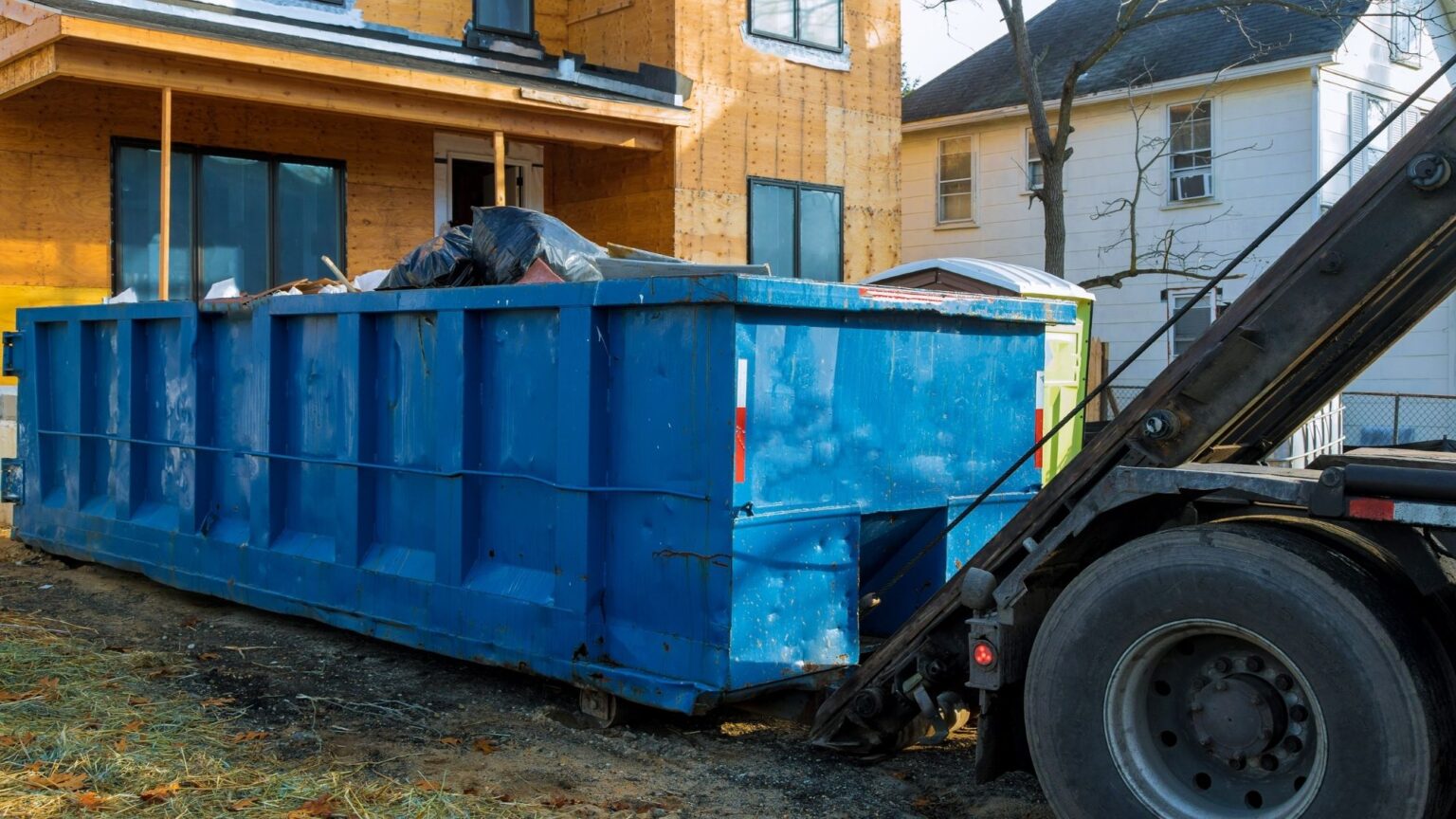
By a waste management industry contributor.
Your project is running on a tight schedule and budget. The last thing you need is a surprise bill for hundreds of dollars because your dumpster was a few hundred pounds overweight. Or worse, a call from the driver saying they can’t place the container where you need it, grinding your crew to a halt. These headaches are common, and they almost always stem from treating the rental as a simple commodity purchase.
In reality, the logistics of waste management are complex. Effective roll off dumpster rentals services are about more than just delivering a steel box; they involve clear communication about weight limits, placement requirements, and pickup scheduling. Vetting your provider on these details is the difference between a smooth-running job site and a costly bottleneck. Understanding the full scope of service, from delivery constraints to the types of materials handled, is essential for keeping your project on track.
Quick answer: The true cost and convenience of a roll-off dumpster rental depend less on the advertised daily rate and more on understanding the fine print. Key factors include weight allowances, acceptable materials, placement logistics, and the provider’s pickup turnaround time. Asking the right questions upfront prevents costly surprises and project delays.
What’s inside
· What Really Determines the Final Price of a Dumpster Rental?
· What Critical Questions Should I Ask a Rental Company?
· Where Can a Roll-Off Dumpster Actually Be Placed?
· Frequently Asked Questions
· The Bottom Line: Predictability Is More Valuable Than Price
What Really Determines the Final Price of a Dumpster Rental?
The final invoice is shaped less by the advertised daily rate and more by three key variables: the total weight of your debris, the type of material you’re discarding, and any extra service fees hidden in the fine print.
The single biggest factor in your final cost is weight. Every rental agreement includes a specific tonnage allowance, which is the maximum weight of material included in the base price. Landfills and transfer stations charge hauling companies by the ton, and that cost is passed directly to you. If your project involves heavy materials like concrete, roofing shingles, or dense, wet soil, you can easily exceed a standard allowance. The resulting overage fees are often the source of budget-breaking surprise charges, sometimes adding hundreds of dollars to the bill.
The composition of your debris also matters. A dumpster filled with “clean”, homogenous material like scrap metal or pure concrete can often be sent to a recycling facility. This can sometimes be cheaper for the hauler than landfilling, a saving that may be reflected in your price. In contrast, a container with mixed construction and demolition (C&D) waste requires more sorting and processing, increasing the disposal cost. Prohibited items, such as hazardous liquids or electronics, can trigger substantial fines if discovered at the dump.
❝ A good practice is to overestimate your debris volume by about 20% when choosing a size. It is almost always cheaper to pay for a little unused space in a slightly larger dumpster than it is to pay steep per-ton overage fees on a smaller one that you have packed too densely with heavy material.
Finally, look beyond the base rate for a list of potential service fees. These can include fuel surcharges, daily rental fees for keeping the container beyond the agreed period, and trip charges if the driver cannot access the delivery or pickup location. Ask specifically about costs for things like blocked access or needing to relocate a dumpster on the job site. A transparent quote should itemize all of these potential costs, not just the initial drop-off price.
What Critical Questions Should I Ask a Rental Company?
Your evaluation should focus on verifying three things: logistical reliability, proper insurance coverage, and total price transparency. A reputable provider will have clear, immediate answers for all three, backed by documentation. Getting these details in writing before you commit is the single most effective way to protect your project’s budget and timeline.
Start with scheduling and logistics. A container that arrives late or isn’t picked up promptly can halt your entire operation. Ask about their guaranteed delivery window and, more importantly, their standard turnaround time for a pickup request. A vague “we’ll get to it in a day or two” is a red flag. A professional service should be able to commit to a 24 or 48-hour pickup window. The private waste and recycling industry is a massive logistical operation, with the National Waste & Recycling Association reporting more than 450,000 employees helping to manage collection and processing. A competent operator will have their dispatch and hauling schedules dialed in.
Next, shift the conversation to liability and insurance. Their equipment will be on your property, creating potential for damage. Ask for a Certificate of Insurance (COI) before signing any agreement. This document should prove they carry, at a minimum, General Liability and Auto Liability coverage. General Liability protects against damage their container might cause to your driveway or lawn, while Auto Liability covers incidents involving their truck. Without proof of adequate coverage, you could be held responsible for accidents or damage.
Finally, dissect the quote and contract to uncover all potential costs. The scale of debris is enormous; the U.S. Environmental Protection Agency estimates that 600 million tons of construction and demolition debris were generated in the U.S. in just one year. Managing this material properly has real costs. Your contract should clearly state the weight allowance, the exact per-ton overage fee, and any charges for fuel, trip failures, or extended rental periods.
❝ One of the most important questions you can ask is, “Will I receive a copy of the certified scale ticket with my final invoice?” This ticket is your only proof of the actual weight of your disposed material. Insisting on it ensures you are not being arbitrarily billed for overages.
To keep your vetting process organized, use a simple checklist of questions.
| Category | Key Question to Ask | Why It Matters |
| Scheduling | What is your guaranteed turnaround time for a pickup request? | Prevents costly project delays and keeps the job site clear. |
| Insurance | Can you provide a current Certificate of Insurance? | Protects you from liability if their equipment damages your property. |
| Weight | Will I receive a certified scale ticket with my final invoice? | Ensures you are only paying for the actual weight of your debris. |
| Fees | Please provide an itemized list of all potential fees. | Avoids surprise costs and allows for a true comparison between providers. |
A provider who can confidently answer these questions and provide documentation is demonstrating a commitment to transparency. This is far more valuable than a low initial quote that conceals a dozen potential upcharges.
Where Can a Roll-Off Dumpster Actually Be Placed?
The ideal spot depends on three physical realities: truck access, ground stability, and overhead clearance. Ignoring any of these can lead to property damage, a failed delivery, or both. A driver will refuse to place a container in a location they deem unsafe or inaccessible, and you may still be charged a trip fee.
First, consider the delivery truck itself. A standard roll-off truck is a large, heavy vehicle that needs significant straight-line clearance to back in and unload the container. This typically means a path at least 50 to 60 feet long and about 10 to 12 feet wide. Tight turns, narrow alleys, or steep inclines can make placement impossible. The truck must be able to approach the drop spot directly, as the container rolls straight off the back of the chassis. It cannot be dropped at an angle or lifted over obstacles like a crane would.
Second, the surface must be able to support immense weight. A loaded dumpster can easily weigh 10 tons or more, and the delivery truck itself is even heavier. A loaded roll-off truck can approach the federal gross vehicle weight limit of 80,000 pounds for vehicles on the Interstate System, as specified by the U.S. Department of Transportation. This concentrated weight can crack concrete, permanently depress asphalt (especially in summer heat), and destroy lawns or paver driveways. Always plan to place the container on the most stable, level surface available, preferably a street or a thick concrete pad. If you must use a driveway, protect it by laying down thick plywood or wooden planks to help distribute the load from the container’s steel feet and rollers.
❝ The truck driver has the final say on placement. They are legally and professionally responsible for operating their vehicle safely. If you have a tight or questionable spot in mind, discuss it with the dispatcher when you order and be present for the delivery. Trying to convince a driver to place a container in a spot they have rejected is a losing battle and a safety risk.
Finally, look up. The truck’s hoist needs significant vertical space to lift and place the container, usually requiring at least 15 to 20 feet of clearance. Check for low-hanging power lines, phone cables, and tree branches. Also, be mindful of building overhangs or carport roofs. If the container is being placed on a public street, you will almost certainly need a permit from your local municipality. Check with your city or county public works department well in advance, as permit processing can take several days.
Frequently Asked Questions
What is the cheapest way to rent a dumpster? The lowest advertised price is often not the cheapest final cost. Focus on getting the right size for your project to avoid expensive overage fees, which can negate any initial savings. A slightly larger container with a higher weight allowance is almost always more cost-effective than a smaller, “cheaper” one that you overload.
How much debris can a 10 or 20-yard dumpster actually hold? Think in terms of pickup truck loads. A 10-yard dumpster holds roughly three to four full pickup beds, making it suitable for a small bathroom remodel or a garage cleanout. A 20-yard dumpster doubles that capacity to about six to eight pickup loads, which is appropriate for a larger kitchen renovation or a small-to-medium roofing tear-off.
Is it cheaper to haul debris to the dump myself? For a very small project that generates one pickup truck load or less, self-hauling is usually cheaper. For anything larger, a dumpster rental quickly becomes more economical when you factor in your time, fuel costs, and the wear on your vehicle from multiple trips. The convenience and efficiency of having a single container on-site typically outweigh the costs for most renovation or construction jobs.
Why are certain materials like tires or electronics prohibited? These items are banned because they require special disposal methods and cannot be mixed with general waste in a landfill. Tires are bulky and can trap methane gas, while electronics contain hazardous materials like lead and mercury that can leach into the soil. Disposing of these items in a roll-off can result in significant environmental fines passed on to you.
Do I need to be present for the dumpster delivery? While not always mandatory, it is highly recommended that you are on-site for the delivery. This allows you to confirm the exact placement with the driver, ensuring it doesn’t block access or damage your property. If you cannot be there, you must provide very clear instructions and mark the desired spot with cones, boards, or spray paint.
The Bottom Line: Predictability Is More Valuable Than Price
Choosing a dumpster rental service often feels like a simple price comparison. But the real cost of a container goes far beyond the initial quote. A successful rental hinges on factors that are not always listed on a price sheet: logistical reliability, proper insurance coverage, and a complete absence of surprise fees. A container that arrives late or a final bill loaded with unexpected overages can disrupt your project far more than a slightly higher, but transparent, upfront cost.
The most effective approach is to shift your thinking from buying a commodity to vetting a service provider. The container itself is just a steel box; the service is the crucial part. A provider who readily offers a Certificate of Insurance, explains their fee structure in detail, and can commit to a firm pickup schedule is demonstrating their professionalism. Your final decision should be based on this transparency, not just a number on a website.
Ultimately, the goal is predictability. You need to know when the dumpster will arrive, when it will be removed, and what the final invoice will say. By asking detailed questions about weight limits, potential fees, and insurance, you take control of the process. This diligence ensures your project’s waste management is a smooth, planned expense, not a source of last-minute problems and budget overruns.
About the author
Olympus Recycling is a scrap metal recycling company with facilities serving the Atlanta and Gainesville, Georgia, metro areas. The firm provides roll-off dumpster and trailer services for industrial, commercial, and individual clients, specializing in the collection and processing of both ferrous and non-ferrous metals. Their operations support projects of all sizes, from large-scale demolition and manufacturing scrap management to smaller contractor cleanouts, helping customers manage waste streams and recover value from recyclable materials.



Keep Exploring Zingyzon.com
Read more Zingyzon SEO, digital marketing, online earning, business, and technology guides for Australia, USA, and global readers.