
Winter Vegetable Garden Planning Guide
A productive garden does not have to end when summer fades. With thoughtful winter vegetable garden planning, you can keep […]
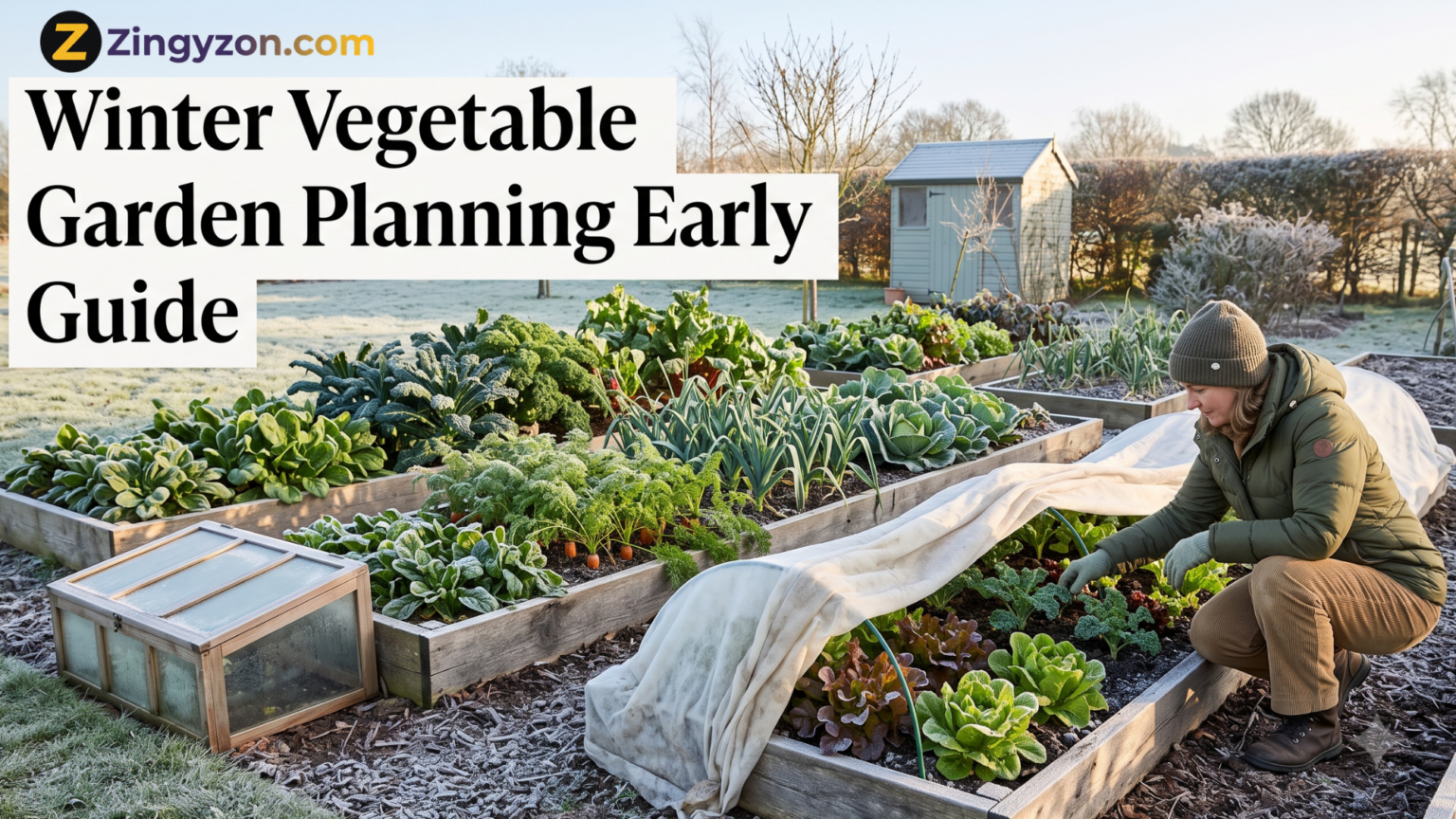
A productive garden does not have to end when summer fades. With thoughtful winter vegetable garden planning, you can keep growing leafy greens, root vegetables, brassicas, herbs, and alliums during the colder months. Success depends on choosing cold-tolerant crops, planting them early enough, and protecting them when severe weather arrives.
Winter gardens should be planned before the first hard frost. Local climate, daylight, soil drainage, crop maturity, and frost protection all influence results. This guide covers each step, from creating a planting calendar to harvesting fresh food through winter. For more practical home and outdoor inspiration, explore Zingyzon.com.
Why Plan a Winter Vegetable Garden?
Winter gardening provides fresh food when many outdoor beds are empty. Spinach and kale can be picked as needed, while carrots, parsnips, and leeks may remain in the ground until required. Cooler weather also slows many weeds and warm-season pests.
The main challenge is reduced growth. Short days, heavy rain, frozen soil, and sudden temperature drops can affect even hardy crops. Planning allows you to establish plants early, improve drainage, and prepare protection before harsh weather arrives.
Understand Your Climate Before Planting
A winter garden looks different in every region. Mild climates may support continuous outdoor growth, while colder areas may require tunnels, cold frames, or an unheated greenhouse. In very cold locations, crops may simply overwinter and resume growth in spring.
Check your average first autumn frost, last spring frost, winter minimum temperature, rainfall, and daylight. US gardeners can consult the USDA Plant Hardiness Zone Map, but local frost dates and microclimates matter too. A sunny wall may create a warmer pocket, while a low area can collect cold air and frost.
Choose the Best Location
Choose the sunniest winter location available. Because the sun sits lower in the sky, a bed that receives good summer light may be shaded by buildings or trees in winter.
The site must also drain well. Avoid low areas where rainwater remains, and use raised beds or mounded rows where soil is heavy. Finished compost can improve structure, but do not work soil while it is saturated. A fence, hedge, or wall can reduce wind exposure, provided it does not create deep shade or block airflow.
Create a Winter Planting Calendar
Planting too late is one of the most common winter gardening mistakes. Young crops need time to establish before temperatures and daylight decline. Once days become very short, many plants survive but grow slowly.
Work backward from your expected first hard frost and review the days-to-maturity figure on each seed packet. Add extra time because cool autumn conditions delay growth.
- Early autumn: Brussels sprouts, leeks, cabbage, and long-season carrots.
- Mid-autumn: Spinach, kale, chard, turnips, beets, lettuce, Asian greens, and radishes.
- Late autumn: Fast baby greens, garlic, onion sets, and crops intended to overwinter.
Sow small batches of quick crops every one or two weeks while conditions remain suitable. This creates a steadier harvest instead of one large crop maturing at once.
Best Vegetables for a Winter Garden
The best crop list depends on your location, but several vegetable groups perform reliably in cool conditions.
Leafy Greens
Spinach is one of the strongest choices for winter gardens. Established plants can tolerate cold conditions, especially under a row cover or cold frame. Harvest the outer leaves and allow the center to continue growing.
Kale is also dependable and often develops a sweeter flavor after cool weather. Choose compact varieties for covered beds and larger varieties where space is available. Other useful greens include arugula, mustard greens, collards, Swiss chard, mâche, and winter lettuce.
Root Vegetables
Carrots, parsnips, turnips, radishes, rutabagas, and beets can all play a role in a winter garden. Root crops need loose, stone-free soil so their roots can develop properly. Carrots and parsnips may remain in the ground under a thick mulch, although they should be harvested before the soil becomes impossible to dig.
Radishes mature quickly and are useful for filling gaps between slower crops. Turnips can provide both edible roots and greens. Beets are moderately cold tolerant, but their level of winter survival varies by variety and local conditions.
Brassicas
Kale, cabbage, broccoli, cauliflower, Brussels sprouts, kohlrabi, and some Asian greens belong to the brassica family. Many tolerate cool weather, but their maturity times differ greatly. Brussels sprouts and heading cabbage need an early start, while baby bok choy and tatsoi can mature more quickly.
Select varieties described as winter-hardy, frost-tolerant, or suitable for autumn production. A summer variety may not perform as well under short days and cold temperatures.
Alliums
Garlic is commonly planted in autumn for harvest the following year. It needs a long growing period, but it requires little attention during winter once the bed is prepared and mulched.
Leeks, scallions, and some onions can also tolerate cool conditions. Leeks are especially useful because they can remain in the garden for an extended period and be harvested when needed.
Herbs
Parsley, cilantro, chives, thyme, sage, and rosemary may continue producing in mild winters. Parsley and cilantro generally prefer cool conditions, while perennial herbs vary in hardiness. Containers can be moved into a sheltered space during severe weather.
Select Varieties Specifically for Winter
Variety selection matters as much as crop choice. Look for seed descriptions such as “winter hardy,” “frost tolerant,” “slow to bolt,” or “suitable for fall production.” Compact varieties fit easily under low tunnels and cold frames.
Treat maturity dates as estimates because growth slows during short, cold days. Local suppliers and experienced gardeners can help identify reliable regional varieties.
Prepare the Soil Properly
Remove weeds, diseased debris, and exhausted summer plants before preparing the bed. Loosen compacted areas and mix in a moderate amount of finished compost. Winter crops need fertile soil, but excessive fast-release nitrogen can produce tender growth that is easily damaged by cold.
Test soil that has performed poorly or has not been checked for several years. After planting, mulch established crops with clean straw or shredded leaves. Mulch reduces temperature swings, protects soil structure, and suppresses weeds. Keep thick material away from very small seedlings so they are not smothered.
Start Seeds Indoors or Direct Sow?
Start slow-growing cabbage, broccoli, cauliflower, kale, and leeks indoors when they need extra time before winter. Carrots, radishes, turnips, spinach, peas, and many salad greens are usually suitable for direct sowing.
Harden indoor seedlings by exposing them gradually to outdoor conditions over several days. Keep newly seeded beds evenly moist, and transplant in late afternoon or on a cloudy day to reduce stress.
Use Frost Protection Wisely
Floating row covers, low tunnels, cold frames, cloches, and unheated greenhouses create a more stable environment around winter crops. The University of Minnesota Extension’s season-extension guide explains several common methods.
Row cover allows light, water, and air through while reducing wind and frost exposure. Secure the edges firmly. Low tunnels use hoops covered with fabric or plastic; plastic traps more warmth but must be ventilated on sunny days. Cold frames are useful for lettuce, spinach, herbs, and young transplants.
Monitor the weather even when protection is installed. Add insulation before severe cold, ventilate during mild sunshine, and prevent heavy wet fabric from pressing directly on delicate leaves.
Watering During Winter
Winter crops need less water than summer crops, but the soil should not dry completely. Check moisture by hand instead of using a fixed schedule, and water near the soil in the morning so leaves can dry before night.
Covered beds evaporate slowly, making overwatering a common problem. Containers may dry in wind yet become waterlogged during rain, so keep drainage holes open and raise pots slightly when necessary.
Manage Winter Pests and Diseases
Slugs, snails, aphids, and brassica caterpillars may remain active during mild or damp weather. Inspect leaf undersides, remove damaged foliage, hand-pick visible pests, and clear decaying material.
Ventilate tunnels and greenhouses during mild weather to reduce condensation. Water at soil level and avoid overcrowding. Fine insect mesh can exclude pests, but it does not provide the same frost protection as heavier row-cover fabric.
Plan for Continuous Harvests
Combine quick crops with long-holding vegetables. Radishes and baby greens provide early harvests, while spinach, kale, chard, and lettuce can be picked leaf by leaf. Root vegetables and leeks may remain in the bed until needed.
Take the largest outer leaves and leave each plant’s growing point intact. Before severe cold, harvest mature crops that may not survive. Mark root-crop rows so they remain easy to locate under mulch, leaves, or snow.
Harvest and Store Winter Crops Correctly
Harvest leafy vegetables during the warmer part of the day, after frozen leaves have thawed. Handling frozen foliage can bruise plant tissue and reduce quality. Use clean tools and take only what you need when the crop is designed for repeated picking.
Brush loose soil from carrots, beets, turnips, and leeks rather than washing them immediately if they will be stored. Keep suitable roots in a cool, dark, humid place and check them regularly for decay. Greens are best refrigerated soon after harvest. Label stored crops with the harvest date so older produce is used first.
Common Winter Gardening Mistakes
Avoid planting too late, choosing summer-only varieties, using a shaded or waterlogged site, overwatering, and leaving covers unsecured. Ventilate plastic structures and do not expect summer-speed growth during the darkest weeks.
Start with one bed or several containers. Record planting dates, varieties, weather, protection methods, and harvests. These notes will make next year’s plan more accurate.
A Simple Winter Garden Layout
Place taller brassicas on the north side of a bed so they do not shade shorter crops. Use the center for kale, chard, leeks, or beets, and grow spinach, lettuce, radishes, and herbs near the edges for easy harvesting.
Leave space for airflow and protective hoops. In small gardens, use deep containers for carrots, beets, chard, and kale, and shallow boxes for lettuce, spinach, radishes, and herbs. A sunny wall can provide shelter, but pots must still drain freely.
Final Thoughts
Successful winter vegetable garden planning begins with local knowledge. Learn your frost pattern, choose a sunny, well-drained site, plant early, and select varieties bred for cool conditions. Use mulch, row covers, tunnels, or cold frames when protection is needed.
Growth will be slower than in summer, but reliable crops such as spinach, kale, carrots, radishes, leeks, garlic, and winter lettuce can still provide useful harvests. Work with the season rather than against it, record your results, and improve the plan each year.
Frequently Asked Questions
What vegetables grow best in a winter garden?
Good winter vegetables include spinach, kale, winter lettuce, carrots, radishes, turnips, leeks, garlic, cabbage, Brussels sprouts, and hardy Asian greens. The best choices depend on local minimum temperatures and the protection available.
When should I start planning a winter vegetable garden?
Begin planning in mid-to-late summer. Many winter crops must be sown or transplanted in late summer or early autumn so they can establish before cold temperatures and short days slow their growth.
Can vegetables grow during freezing weather?
Some cold-hardy vegetables can survive frost, but active growth often slows or stops during very cold, dark periods. Row covers, cold frames, low tunnels, and mulch can improve survival and extend the harvest.
Does a winter vegetable garden need full sun?
Winter vegetables should receive as much direct sun as possible. A location with six or more hours of winter sunlight is preferable, although leafy greens may tolerate slightly less in mild climates.
How often should winter vegetables be watered?
Water only when the soil begins to dry. Winter crops usually need less frequent irrigation because evaporation is slower. Avoid keeping the soil constantly saturated, especially in cold weather.
Can I grow winter vegetables in containers?
Yes. Kale, spinach, lettuce, radishes, herbs, chard, carrots, and beets can grow in containers. Choose pots deep enough for the crop, use quality potting mix, and ensure the drainage holes remain open.
What is the easiest winter vegetable for beginners?
Spinach, radishes, kale, and winter lettuce are beginner-friendly options. They are relatively easy to grow, fit into small spaces, and can be protected with simple row covers or cold frames.
How can I protect vegetables from frost without a greenhouse?
Use floating row cover, frost cloth, low tunnels, cloches, cold frames, or a thick organic mulch. Secure coverings before sunset and remove or ventilate them when daytime temperatures rise.
Keep Exploring Zingyzon.com
Read more Zingyzon SEO, digital marketing, online earning, business, and technology guides for Australia, USA, and global readers.