
Best Time to Take a Luxury Mekong River Cruise
A journey along the Mekong River offers a relaxing way to experience Vietnam and Cambodia beyond their busiest cities. Instead […]
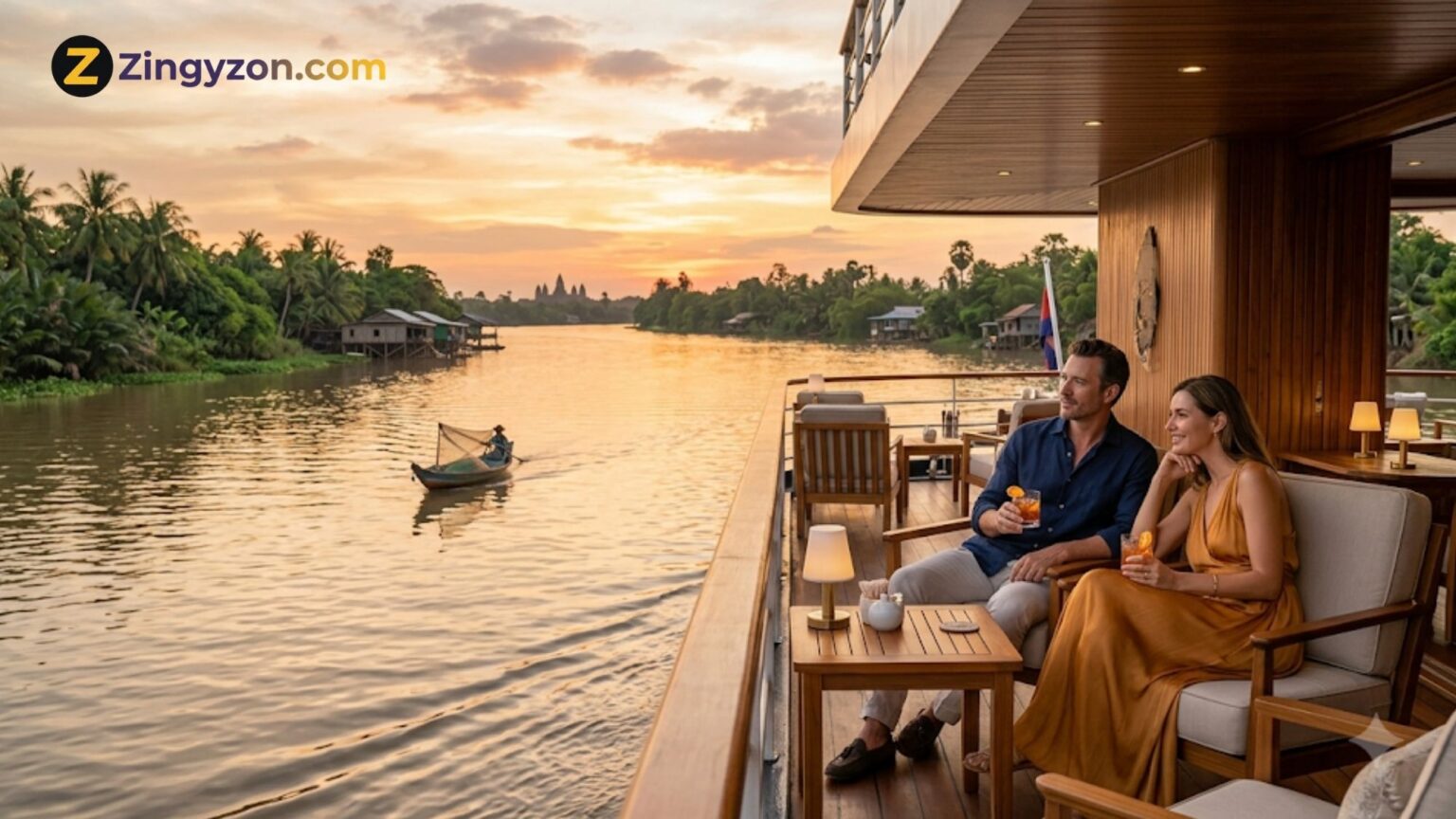
A journey along the Mekong River offers a relaxing way to experience Vietnam and Cambodia beyond their busiest cities. Instead of moving between airports and hotels, travellers can unpack once and watch river communities, temples, farmland, floating homes, and lively waterfronts pass by.
However, choosing the right month can significantly affect the experience. Weather conditions influence temperature, humidity, rainfall, river levels, shore excursions, photography, and the number of other visitors at major attractions.
For most travellers, November to February is the best time to take a luxury Mekong River cruise. These months generally offer drier weather, more comfortable temperatures, and pleasant conditions for outdoor excursions. Nevertheless, the wetter months also have advantages, including greener landscapes, higher water levels, fewer visitors, and dramatic tropical scenery.
The ideal time ultimately depends on what matters most to you. This guide compares each season so you can choose a sailing period that matches your comfort, budget, and travel interests.
Understanding the Mekong Cruise Route
The Mekong is one of Asia’s most important rivers, flowing through several countries before reaching the South China Sea through Vietnam’s delta. Many luxury itineraries focus on the section between southern Vietnam and Cambodia.
Depending on the cruise length and water conditions, journeys may include Ho Chi Minh City, My Tho, Sa Dec, Chau Doc, Phnom Penh, Kampong Cham, Tonle Sap, and Siem Reap. Some routes begin or finish with land transfers because river access changes throughout the year.
A typical cruise combines time aboard with daily excursions. Guests may visit temples, markets, farming communities, craft workshops, historic buildings, pagodas, and riverside villages. This makes the weather important because much of the experience takes place outdoors.
Travellers considering a luxury Mekong River cruise can review the sailing style, vessel facilities, itinerary length, and seasonal departures before choosing a date. Aqua Expeditions, for example, offers Mekong journeys aboard the Aqua Mekong, with itineraries connecting destinations in Cambodia and Vietnam.
November to February: The Best Overall Time
November through February is widely regarded as the most comfortable period for cruising the lower Mekong. Cambodia’s official tourism information identifies November to April as the dry season, following the wetter period from May to October.
Rainfall is usually lower during these months, while humidity and daytime temperatures can feel more manageable than during the hottest part of the year. Mornings and evenings are often particularly pleasant for sitting on deck, walking through villages, or visiting temples.
Why Choose This Period?
The main benefits include:
- More comfortable sightseeing conditions
- Lower likelihood of prolonged rain disruption
- Clearer skies for photography
- Pleasant evenings on open decks
- Easier walking at temples and markets
- Good conditions for combining the cruise with additional city stays
December and January are especially attractive for travellers who dislike intense tropical heat. These months are also convenient for combining the cruise with visits to Ho Chi Minh City, Phnom Penh, or the temples near Siem Reap.
The main disadvantage is popularity. Comfortable weather attracts more international visitors, so desirable cabins and departure dates may sell out earlier. Flights and hotels can also become more expensive around Christmas, New Year, and other major holiday periods.
Book well in advance when travelling during December or January, particularly when you want a specific suite category or plan to add several nights before or after the cruise.
March and April: Hot, Dry, and Less Crowded
March and April fall near the end of the dry season. They can still provide plenty of sunshine, but temperatures and humidity generally rise as the region approaches the monsoon period.
These months suit travellers who are comfortable in hot weather and want to avoid some of the peak winter demand. Shore excursions remain rewarding, although midday walks can feel tiring.
Advantages of Travelling in March or April
- Generally dry conditions
- Potentially better availability than in peak winter
- Bright sunlight and long sightseeing days
- Lively cities and riverside communities
- Good opportunities to add beach or city stays
Lightweight clothing, sun protection, a reusable water bottle, and a comfortable hat are essential. It is also wise to choose a luxury vessel with reliable air conditioning, shaded observation areas, and a comfortable indoor lounge.
April can be particularly interesting because several Southeast Asian countries celebrate traditional New Year festivals. Cambodia’s Khmer New Year generally falls in April, bringing family gatherings, religious activities, games, and celebrations. Exact dates and the effect on excursion schedules should be checked before booking.
Festivals can add atmosphere, but they may also cause business closures, traffic changes, and crowded local transport. A reputable cruise company should explain whether the itinerary changes during major public holidays.
May to October: Green Season and Higher Water
The wetter period generally extends from May through October in Cambodia, although rainfall patterns vary by location and year. Tropical rain often arrives in powerful showers rather than continuing without interruption all day. Cambodia’s Ministry of Tourism notes that rainy-season downpours may last only a few hours, although full rainy days can occur.
The monsoon transforms the landscape. Fields become greener, vegetation appears more vibrant, and the river system gains energy. Photographers may appreciate dramatic clouds, reflections, and intense natural colours.
The Mekong River Commission states that the basin’s flood season normally lasts from June to November and accounts for approximately 70% to 80% of total annual river flow. The southwest monsoon is the main driver of this seasonal flood pulse.
Higher water can allow vessels and smaller excursion boats to reach waterways that may be less accessible during drier months. It can also influence whether cruises cross Tonle Sap Lake or use alternative road transfers.
Reasons to Consider the Green Season
- Lush scenery and productive farmland
- Higher river and tributary water levels
- Fewer tourists at some attractions
- Atmospheric skies and stronger colours
- A quieter onboard or destination experience
- Possible seasonal offers or improved cabin availability
Rain does not necessarily ruin a river cruise. Luxury ships usually provide indoor lounges, covered outdoor spaces, umbrellas, and flexible excursion arrangements. A warm tropical shower can even make a village or temple visit feel more atmospheric.
However, travellers should be prepared for muddy paths, humidity, insects, temporary itinerary adjustments, and occasional heavy rain. Pack quick-drying clothing, shoes with reliable grip, a light waterproof layer, and protection for cameras or phones.
When Are Mekong River Levels Highest?
Water levels generally rise during the monsoon and flood season, with conditions often becoming particularly significant between August and October. Exact timing changes annually because river behaviour depends on rainfall, upstream conditions, tributary flows, and wider weather patterns.
The Mekong’s annual flood is a natural and valuable process. It replenishes water supplies, moves nutrients, supports agriculture, and contributes to the health of river ecosystems.
For travellers, higher water may create broader river views and easier access to certain channels. It may also make seasonal routes through the Tonle Sap system possible.
Nevertheless, high water should not automatically be treated as better. Flooding can affect local roads, landing points, and village visits. Cruise companies may modify excursions to protect guests and communities.
Always view a published itinerary as an intended plan rather than an absolute guarantee. River conditions can require changes even during traditionally predictable months.
When Are Water Levels Lowest?
Water levels usually decline through the dry season and may become particularly low towards March and April. During lower-water periods, operators may adjust embarkation points, use smaller boats, or replace certain river sections with road transfers.
This does not mean the cruise loses its value. Lower water can expose riverbanks, sandbars, farming areas, and everyday activities that are less visible during the flood season.
The most important step is to read the itinerary notes carefully. Look for information explaining how high- and low-water routes differ. Ask whether a change affects the number of nights aboard, the destinations visited, or the time spent travelling by road.
Best Time for Comfortable Weather
Choose December or January when temperature and lower rainfall are your main priorities.
These months are well suited to first-time visitors, older travellers, and anyone who plans to spend significant time exploring temples, markets, and villages on foot. Even during the cooler season, conditions remain tropical, so sun protection and breathable clothing are still important.
Comfort also depends on the vessel. A high-quality ship should offer shaded decks, climate-controlled cabins, cooling drinks, and indoor spaces where guests can rest between excursions.
Best Time for Fewer Crowds
Consider May, June, September, or October for a quieter experience.
Visitor numbers can be lower during the green season, particularly away from public holidays. This may create more relaxed temple visits, less congested sightseeing, and greater availability across cabin categories.
September and October may provide especially lush scenery and higher water, although they can also bring heavier rainfall. Travellers who value tranquillity more than predictable sunshine may find the trade-off worthwhile.
Best Time for Photography
The answer depends on the visual style you prefer.
Choose the dry season for clearer skies, cleaner sunrise views, and easier outdoor shooting. Choose the green season for dramatic clouds, saturated vegetation, storm light, flooded landscapes, and powerful reflections.
Early morning and late afternoon usually provide the most attractive light. Luxury river cruises are ideal for photography because the constantly changing scenery can be viewed from open decks and private spaces.
Bring a weather-resistant camera bag, lens cloths, spare batteries, and sufficient storage. Humidity can affect equipment, so allow cameras to adjust gradually when moving between air-conditioned rooms and warm outdoor air.
Best Time for Cultural Experiences
Cultural encounters are available throughout the year because communities continue living, trading, farming, fishing, and worshipping along the river in every season.
Seasonal festivals can add another layer to the journey. Khmer New Year in April and Vietnam’s Lunar New Year period can create colourful celebrations, although operating hours and travel arrangements may change.
The rainy season can also reveal the agricultural rhythm of the Mekong. Higher water, rice cultivation, fishing activity, and changing landscapes demonstrate how closely local life is connected to the river.
For a wider introduction to the traditions, beliefs, arts, food, and social history travellers may encounter, read about the region’s cultural exploration before departure.
Respectful behaviour is important during community visits. Dress appropriately at temples, ask before photographing people, follow the guide’s instructions, and avoid treating villages as staged attractions.
Month-by-Month Mekong Cruise Guide
November
The wet season begins to ease, landscapes remain green, and temperatures become more comfortable. November is an excellent balance between scenery and weather.
December
December offers pleasant conditions and lower rainfall but is part of the popular travel season. Reserve preferred cabins early.
January
January is one of the best overall months for outdoor excursions, deck time, and extended travel through Cambodia and Vietnam.
February
Conditions are generally dry and comfortable, although temperatures may begin increasing towards the end of the month.
March
March is sunny and increasingly hot. It works well for travellers who tolerate warm weather and want to avoid peak winter dates.
April
April can be very hot, but traditional New Year celebrations may add cultural interest. Plan around public holidays and drink plenty of water.
May
The seasonal transition begins. Rain becomes more likely, visitor numbers may fall, and the landscape starts turning greener.
June
June brings warm, humid conditions and regular showers. It can provide attractive scenery without the busiest peak-season crowds.
July
The river continues rising, vegetation is lush, and rain becomes a normal part of the experience. Flexible travellers may enjoy the quieter atmosphere.
August
Higher water can improve access to some waterways. Expect humidity, heavy showers, and dramatic tropical landscapes.
September
September is among the wetter months in many locations. It offers rich green scenery but requires flexible expectations.
October
Water levels may remain high while rainfall gradually begins to ease. October can be an excellent shoulder-season choice.
What to Check Before Booking
Before choosing a departure, confirm exactly what the cruise fare includes. Luxury packages may cover meals, beverages, guided excursions, transfers, entrance fees, internet access, and selected onboard activities, but policies vary.
Ask the operator about:
- High- and low-water itinerary differences
- Airport or hotel transfers
- Visa and passport requirements
- Domestic or regional flights
- Included drinks and premium beverages
- Excursion difficulty levels
- Medical and mobility support
- Dietary requirements
- Cancellation and amendment rules
- Travel insurance expectations
- Tipping policies
- Laundry and Wi-Fi access
Travellers can also explore more destination inspiration and holiday-planning advice on zingyzon.com.
What to Pack for a Mekong Cruise
Pack light, breathable clothing suitable for heat and humidity. Include modest garments that cover the shoulders and knees for religious sites.
Comfortable walking shoes are essential because excursion surfaces may include steps, dirt paths, uneven pavements, and riverbanks. A second pair is helpful during the wet season.
Your luggage should also contain:
- High-factor sunscreen
- Insect repellent
- Sunglasses and a wide-brimmed hat
- Light waterproof jacket
- Small day bag
- Reusable water bottle
- Prescription medicines
- Copies of important documents
- Universal travel adaptor
- Camera protection
- Smart-casual evening clothing
Formal dress is rarely necessary, but check the specific cruise company’s guidance.
Frequently Asked Questions
What Is the Best Month for a Luxury Mekong River Cruise?
December and January are often the best choices for comfortable temperatures and lower rainfall. November and February also provide favourable conditions.
Is the Mekong Cruiseable During the Rainy Season?
Yes. Cruises operate during much of the rainy season, although routes and excursions may change according to water and weather conditions.
Is the Rainy Season a Bad Time to Visit?
Not necessarily. The rainy season offers greener landscapes, higher water, fewer visitors, and dramatic scenery. Travellers simply need suitable clothing and flexible expectations.
How Many Days Should a Mekong Cruise Last?
A three- or four-night journey offers an introduction, while seven-night itineraries provide more time for villages, cities, temples, and onboard relaxation. Longer holidays may combine the cruise with Siem Reap, Ho Chi Minh City, or additional destinations.
Should I Book Far in Advance?
Early booking is recommended for November through February, popular holiday dates, and limited premium suite categories. Green-season departures may offer greater availability.
Final Thoughts
The best time to take a luxury Mekong River cruise depends on the experience you want.
For comfortable weather and easier sightseeing, travel between November and February. For sunshine and fewer peak-season visitors, consider March. For lush scenery, higher water, and a quieter atmosphere, choose the green season from May to October.
No season is perfect in every way. Dry months offer reliability but attract more visitors, while wetter months provide vivid landscapes but require greater flexibility.
A luxury vessel makes the seasonal differences easier to enjoy by combining comfortable accommodation, expert guides, organised excursions, and relaxing spaces. Once you understand how rainfall, temperature, and water levels shape the route, you can choose a departure that suits your priorities and experience the Mekong at its most rewarding.


Keep Exploring Zingyzon.com
Read more Zingyzon SEO, digital marketing, online earning, business, and technology guides for Australia, USA, and global readers.