
Iowa Charter Bus Solution for Events, Tours & Group Travel
Organising transportation for a large group can quickly become one of the most challenging parts of an event or trip. […]
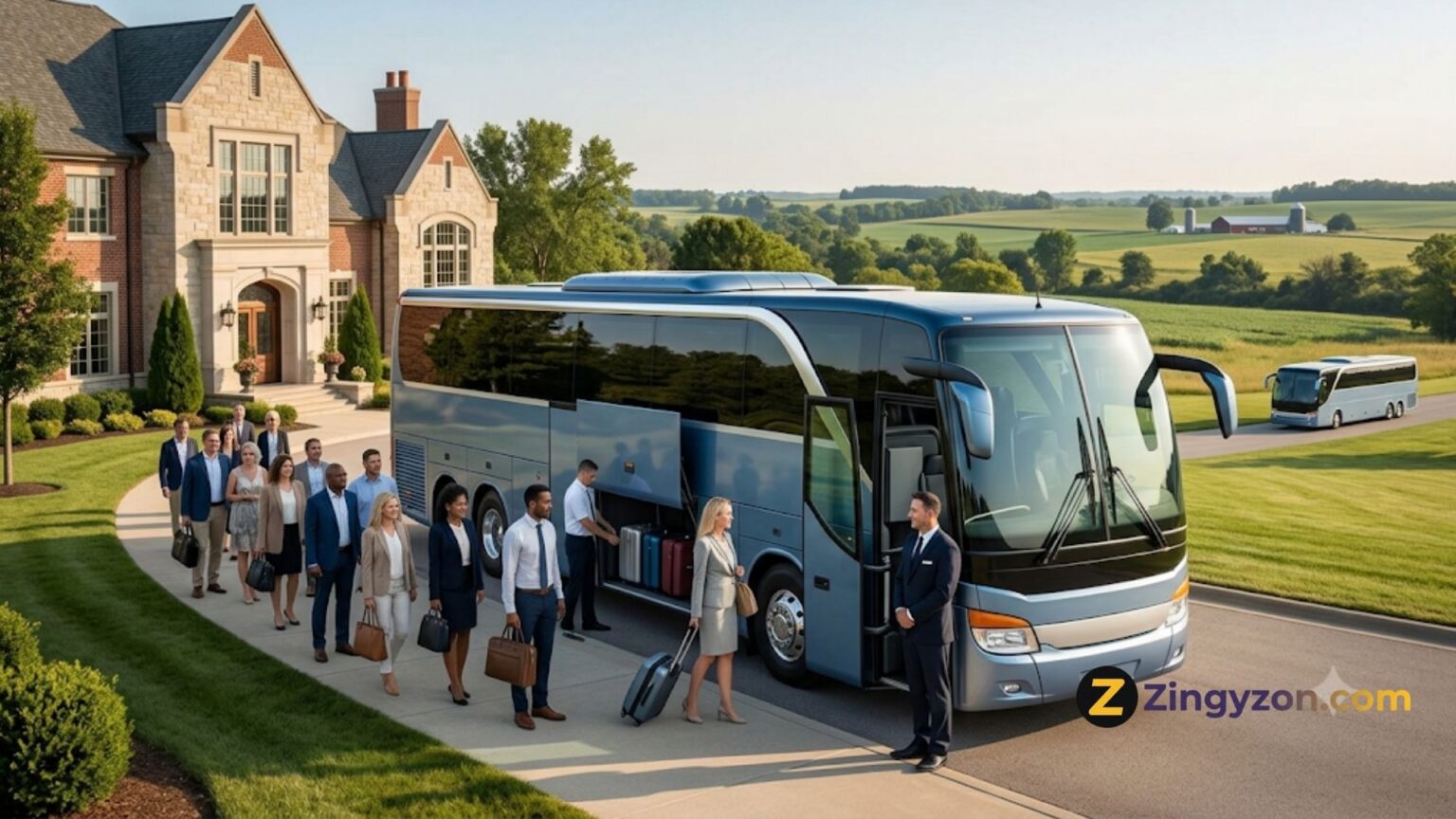
Organising transportation for a large group can quickly become one of the most challenging parts of an event or trip. Coordinators must consider passenger numbers, pickup locations, luggage, parking, schedules, accessibility and unexpected delays. When everyone travels in separate vehicles, even a carefully planned itinerary can become difficult to control.
An Iowa charter bus solution brings passengers together in one organised transportation system. Rather than relying on several cars, ride-sharing services or complicated public-transport connections, groups can travel according to a shared itinerary with planned pickup and drop-off points.
Charter buses can support corporate events, weddings, school trips, sports teams, family reunions, church groups, airport transfers and private tours. They are also useful for multi-city journeys involving destinations such as Des Moines, Cedar Rapids, Iowa City, Dubuque, the Amana Colonies and Iowa’s scenic countryside.
Iowa’s official tourism website highlights a wide selection of attractions, including state parks, cultural destinations, scenic road trips, museums, family activities, trails and historic communities. This variety makes organised road transportation particularly valuable for groups that want to visit several destinations during one journey.
Why Group Transportation Requires Careful Planning
Moving ten, twenty or fifty people is very different from planning an ordinary car journey. Each passenger may have different needs, and every additional vehicle introduces another possible delay.
When groups depend on separate cars, common problems include:
- Passengers following different routes
- Drivers struggling to find parking
- People arriving at different times
- Last-minute changes not reaching everyone
- Travellers becoming separated at rest stops
- Higher coordination demands for organisers
- Limited room for equipment or luggage
A charter bus allows the organiser to create one transportation plan. Passengers can receive the same meeting instructions, follow the same schedule and arrive together.
This does not remove the need for good planning, but it reduces the number of moving parts that must be managed throughout the day.
1. One Vehicle Keeps the Group Together
The clearest benefit of a charter bus is group coordination. Passengers board at an agreed location and travel together to each destination.
This arrangement is especially useful when arrival time matters. Wedding guests may need to reach the ceremony before a specific time, while students may have a scheduled museum tour. Corporate attendees may need to arrive together for registration, and sports teams must often follow strict event schedules.
Travelling together also makes communication easier. The group leader can share announcements, confirm meal stops, explain changes and remind passengers about departure times.
It also gives participants more opportunity to interact. Instead of spending the journey divided between vehicles, colleagues, relatives, students or teammates can socialise before reaching the destination.
2. Charter Buses Can Support Different Types of Iowa Events
An Iowa charter bus solution can be adapted for many types of events. The itinerary, vehicle and amenities should be selected according to the purpose of the journey.
Corporate Events and Conferences
Companies can use charter buses for:
- Hotel-to-conference transfers
- Airport pickups
- Team-building activities
- Client entertainment
- Company retreats
- Multi-office meetings
- Employee appreciation events
- Evening dinner transportation
Centralised transportation helps organisers move attendees between venues without expecting every participant to rent a car or navigate an unfamiliar city.
Passengers may also use the journey to review presentations, speak with colleagues or rest between sessions.
Weddings and Receptions
Wedding transportation may connect hotels, ceremony locations, reception venues and after-event accommodation.
A shuttle schedule can reduce parking pressure around the venue and provide a convenient option for out-of-town guests. It can also help couples ensure that important family members and members of the wedding party arrive on time.
The organiser should provide the charter company with accurate venue addresses, passenger numbers and realistic boarding times. Several smaller shuttle journeys may be more practical than one large movement, depending on the wedding schedule.
School and University Trips
Schools and colleges can use charter transportation for educational visits, sporting events, campus tours, competitions and student activities.
Planning should include passenger lists, adult supervision, emergency contacts, accessibility requirements and clear boarding procedures.
The vehicle should also provide enough space for backpacks, educational equipment or sports supplies.
Family and Community Events
Charter buses may be suitable for family reunions, church outings, cultural events, senior-group activities and community excursions.
These groups often include passengers of different ages and mobility levels. Organisers should ask about steps, handrails, wheelchair access, seating and restroom availability before confirming the vehicle.
3. Iowa Tours Become Easier With a Flexible Itinerary
Iowa offers urban attractions, historic towns, outdoor recreation, scenic routes and cultural experiences. Travel Iowa organises activities around interests such as history, arts, family entertainment, agritourism, food, cycling and outdoor adventure.
A private bus itinerary can connect destinations that would be inconvenient to visit using separate vehicles.
Possible tour themes include:
- Iowa history and architecture
- Scenic countryside and covered bridges
- Food and agricultural experiences
- Museums and cultural attractions
- University and campus tours
- Riverfront communities
- State parks and nature areas
- Festivals and seasonal events
- Family entertainment
- Sports and music events
The official Travel Iowa website also provides road-trip ideas covering different travel regions and seasons, which can be useful when creating a multi-day group itinerary.
A private schedule gives the group greater control over departure times, meal breaks and the length of each stop. However, the proposed route must still account for bus parking, turning space, road restrictions and driver working requirements.
4. Des Moines Can Serve as a Central Group-Travel Hub
Des Moines is a practical location for conferences, government-related trips, cultural tours and event transportation.
A group itinerary may include museums, public art, dining, sporting events, the Iowa State Capitol or seasonal activities. The city can also serve as the starting point for journeys into central and eastern Iowa.
For a corporate group, the charter bus could collect attendees from a hotel, travel to a conference venue, provide an evening restaurant transfer and return passengers to their accommodation.
For a private tour, the same vehicle might connect several attractions without requiring visitors to find parking at every location.
During major events, organisers should confirm designated coach-loading areas and allow extra time for traffic and passenger boarding.
5. The Amana Colonies Work Well for Cultural Tours
The Amana Colonies are frequently included in Iowa group itineraries because visitors can combine history, architecture, food, shops and traditional craftsmanship within one region.
A group visit may involve:
- A guided historical introduction
- A pre-booked lunch
- Local shops and crafts
- Museum visits
- Seasonal celebrations
- Walking through the villages
- Nearby accommodation
Large groups should contact restaurants and attractions before arrival. Group meals may require fixed menus, deposits or advance confirmation of passenger numbers.
A coach itinerary could combine the Amana Colonies with Iowa City and Cedar Rapids, creating a multi-stop cultural tour without requiring participants to navigate between destinations independently.
6. Scenic Travel Becomes Part of the Experience
A group trip is not only about the final destination. The journey itself can become part of the event.
Iowa’s landscapes include farmland, river valleys, wooded areas, small communities and scenic routes. Large coach windows can allow passengers to enjoy these views while someone else manages the driving.
Potential scenic itineraries might include sections of the Mississippi River region, western Iowa’s Loess Hills or the historic communities of Madison County.
Rural and scenic locations require additional planning. Not every overlook, trail entrance or historic site has enough space for a full-size bus. The organiser should confirm access with the attraction and discuss the route with the transport provider before finalising the itinerary.
7. Vehicle Choice Can Be Matched to Group Size
Not every group requires a full-size coach. Selecting an appropriate vehicle can improve comfort and help control costs.
Minibuses
A minibus may be appropriate for:
- Smaller wedding parties
- Airport transfers
- Local corporate groups
- Short city tours
- Hotel shuttles
- Small family events
Minibuses are generally easier to operate in areas with limited parking or tighter streets, although storage and restroom availability may be limited.
Full-Size Charter Buses
A full-size coach may be better for:
- Large groups
- Long-distance travel
- School excursions
- Sports teams
- Multi-day tours
- Groups carrying significant luggage
BUSXOXO advertises minibuses and full-size coaches for weddings, corporate events, school trips, private tours and other group journeys. The company’s Iowa page also lists possible amenities such as reclining seats, climate control, entertainment systems and overhead storage. Travellers should confirm the precise vehicle and features included in their individual booking.
Before requesting a quote, prepare an accurate passenger count. Booking a vehicle that is too small creates an obvious problem, while hiring significantly more capacity than required may unnecessarily increase the cost.
8. Onboard Amenities Can Improve Longer Journeys
Comfort matters when passengers will be travelling for several hours.
Depending on the selected vehicle, possible amenities may include:
- Reclining seats
- Air conditioning and heating
- Charging outlets
- Wi-Fi
- Entertainment screens
- Overhead storage
- Underfloor luggage compartments
- Reading lights
- Public-address equipment
- An onboard restroom
Not every bus provides every feature. Amenities may also differ between vehicles offered by the same company.
Ask the provider to confirm the assigned vehicle’s specifications in writing. For example, a group should not assume that Wi-Fi, power outlets or a restroom will be available simply because those features appear in a general fleet description.
For school, senior or corporate groups, comfort requirements should be discussed before accepting the quote.
9. Group Luggage Stays More Organised
Luggage can become a major concern when travellers use multiple cars.
A suitable charter bus may offer space for:
- Suitcases
- Sports equipment
- Musical instruments
- Presentation materials
- Wedding supplies
- Student backpacks
- Mobility equipment
- Event displays
The organiser should tell the provider what the group intends to carry. Oversized equipment may not fit inside a standard storage compartment, even when the passenger capacity is sufficient.
Sports teams, musicians and exhibitors should provide detailed information about equipment dimensions and quantities.
Fragile, valuable or unusually shaped items may require separate arrangements.
10. Iowa Road Conditions Can Be Monitored Before Departure
Weather, construction and traffic incidents can affect travel times. This is particularly important during winter or when an itinerary covers several parts of the state.
Iowa 511 provides current information about traffic incidents, construction, cameras and winter road conditions on interstates, U.S. routes and state highways. Its coverage does not include every county road or city street.
Before departure, organisers should:
- Review the weather forecast
- Check major road conditions
- Allow time for construction or traffic
- Confirm attraction opening hours
- Maintain contact with the provider
- Prepare a backup itinerary when necessary
- Avoid scheduling stops too closely together
A realistic schedule is usually better than an ambitious itinerary with no flexibility for delays.
11. Costs Can Be Managed Through One Central Booking
Separate vehicles create separate expenses. These may include fuel, parking, tolls, car rental and mileage reimbursement.
Charter transportation combines the main group-transport service into one booking. The total quote may depend on:
- Travel dates
- Vehicle type
- Passenger count
- Total mileage
- Number of stops
- Trip duration
- Driver time
- Overnight accommodation
- Parking and tolls
- Seasonal demand
- Requested amenities
When comparing Iowa bus rental services, ask for a detailed written quote rather than comparing only the advertised starting price.
The quotation should explain what is included and identify possible additional charges. Ask specifically about waiting time, itinerary changes, parking, driver accommodation, cleaning and cancellation.
The cheapest quote may not offer the most suitable vehicle, service terms or operational support.
12. Safety Should Be Checked Before Booking
Price and comfort are important, but safety should be a central part of the decision.
The Federal Motor Carrier Safety Administration advises travel planners to check a carrier’s operating authority, registration, insurance and safety information before hiring an interstate passenger carrier. Its passenger-carrier search allows organisers to review whether a company is authorised to operate.
Before booking, ask the company about:
- Operating authority
- Insurance
- Driver qualifications
- Vehicle inspections
- Emergency procedures
- Replacement vehicles
- Seat-belt availability
- Maintenance processes
- After-hours support
The person providing the quote should also explain whether the company operates the vehicle directly or arranges transportation through another carrier.
Do not rely only on website language such as “safe” or “reliable.” Verify the available documentation and understand which company will actually provide the bus.
13. Accessibility Needs Should Be Discussed Early
Passengers may have mobility, sensory or medical needs that affect vehicle selection.
The organiser should ask participants about reasonable transportation requirements without requesting unnecessary personal medical information.
Important considerations may include:
- Wheelchair access
- Lift availability
- Steps and handrails
- Space for mobility devices
- Accessible rest stops
- Boarding assistance
- Seating near the entrance
- Service-animal policies
- Restroom accessibility
Accessible vehicles may require advance notice and may have different passenger capacities.
Do not wait until the day of travel to raise these requirements. Confirm arrangements in writing and share clear boarding information with the passengers concerned.
14. A Detailed Itinerary Helps the Provider Prepare
A transport provider can offer a more accurate quotation when it receives complete trip information.
Your itinerary should include:
- Exact pickup addresses
- Passenger numbers
- Boarding times
- Destination addresses
- Planned stops
- Attraction reservations
- Hotel details
- Meal breaks
- Event finishing times
- Accessibility requirements
- Luggage information
- Emergency contact details
Avoid using vague instructions such as “tour around Des Moines” or “visit several attractions.” The provider needs enough detail to estimate mileage, working time and parking requirements.
Significant last-minute changes may affect price, vehicle availability or driver scheduling.
Sample Iowa Charter Bus Itineraries
One-Day Corporate Event
Morning: Hotel pickups in Des Moines
Midday: Conference or meeting venue
Afternoon: Team-building activity
Evening: Group dinner and hotel return
Cultural Weekend Tour
Day One: Iowa City attractions and group dinner
Day Two: Amana Colonies historical tour and shopping
Day Three: Cedar Rapids museums or cultural sites
Wedding Shuttle Plan
Afternoon: Hotel-to-ceremony transfers
Early evening: Ceremony-to-reception transportation
Late evening: Scheduled hotel return services
Sports-Team Journey
Morning: School or training-facility pickup
Afternoon: Competition venue arrival
Evening: Team meal and return journey
Each itinerary should include additional time for boarding, rest breaks and delays.
Questions to Ask Before Hiring a Charter Bus
Before finalising a charter bus rental, ask:
- Which vehicle will be assigned to the trip?
- What is its confirmed passenger capacity?
- Which amenities are included?
- How much luggage space is available?
- Is the bus accessible?
- What is included in the quoted price?
- Are parking and tolls included?
- What is the cancellation policy?
- How are delays or itinerary changes charged?
- What happens if the assigned vehicle develops a problem?
- Who will operate the bus?
- When is the final passenger count required?
- Are food and drinks permitted?
- Is a deposit required?
- When must the remaining balance be paid?
Keep the confirmed quotation, contract, itinerary and provider contact details accessible throughout the trip.
Final Thoughts
An Iowa charter bus solution can make events, tours and group travel easier to coordinate. It keeps passengers together, reduces dependence on separate vehicles and gives organisers greater control over arrival times, routes and planned stops.
The right vehicle can support corporate functions, weddings, school excursions, sports trips, private tours and community events. It may also provide useful amenities and storage for longer journeys.
Successful charter travel still depends on preparation. Confirm the passenger count, create a realistic itinerary, discuss accessibility, check the provider’s authority and insurance, and obtain written confirmation of all important costs and vehicle features.
For more travel, event-planning and group-transportation guidance, visit zingyzon.com.
With a suitable provider and a carefully planned schedule, charter transportation can turn a complicated Iowa group journey into a more comfortable, organised and enjoyable shared experience.


Keep Exploring Zingyzon.com
Read more Zingyzon SEO, digital marketing, online earning, business, and technology guides for Australia, USA, and global readers.