
Why Luxury Real Estate Lives or Dies by the Website
Luxury real estate has always depended on presentation. A beautiful property must be introduced with the right photography, language, atmosphere, […]
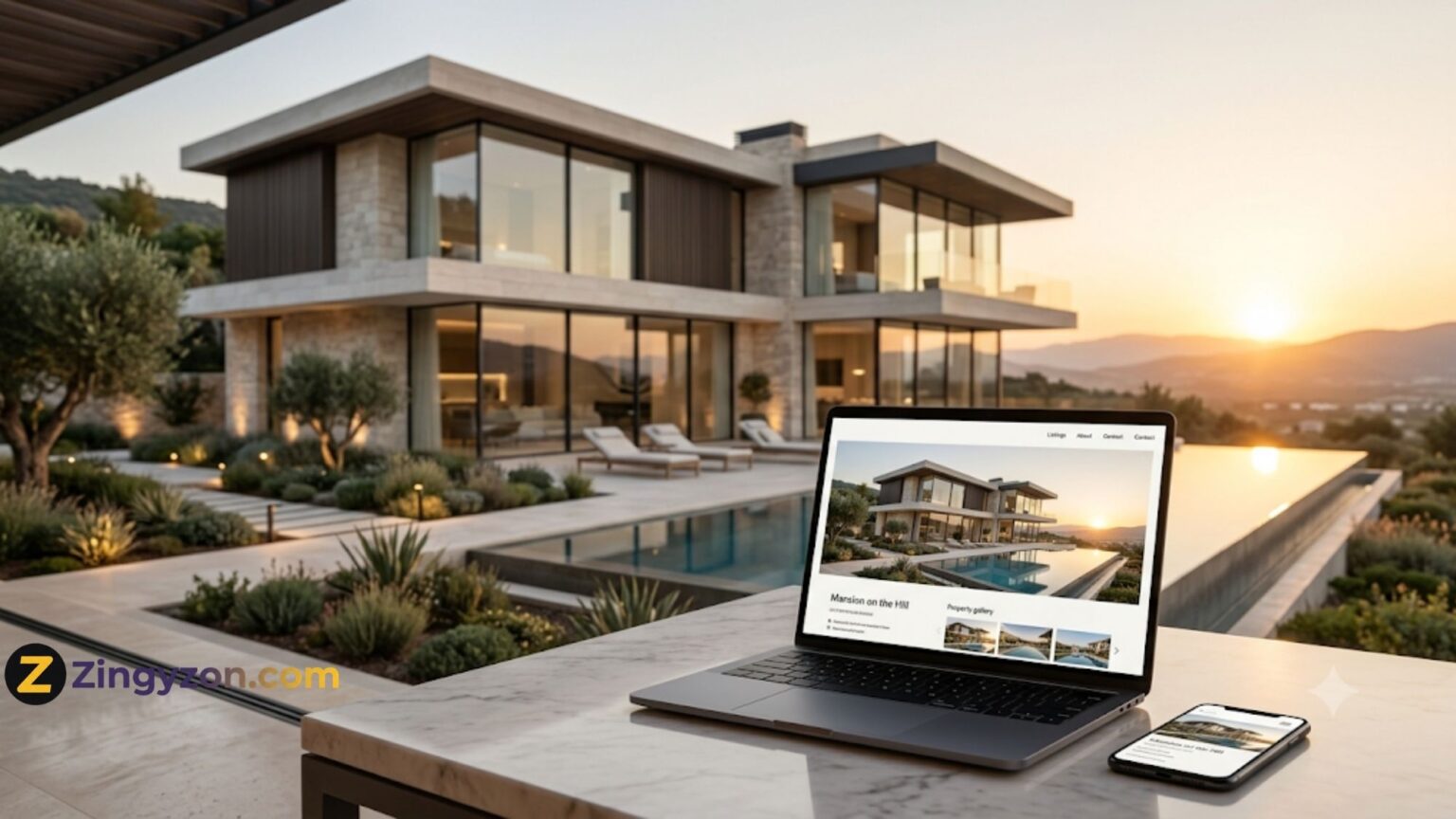
Luxury real estate has always depended on presentation. A beautiful property must be introduced with the right photography, language, atmosphere, and level of service. In the past, printed brochures, private viewings, personal recommendations, and exclusive events carried most of that responsibility. Today, however, the website has become the centre of the entire luxury property experience.
For many prospective buyers, the website is not simply a place to find an address or view a few photographs. It is their first private showing, their introduction to the agent, and their first impression of the brand representing the property.
That is why luxury real estate often lives or dies by the website.
A slow, outdated, confusing, or visually weak website can make an extraordinary estate appear ordinary. On the other hand, a carefully designed luxury real estate website can create desire, establish trust, attract qualified buyers, and turn online interest into serious enquiries.
In a market where image, privacy, confidence, and attention to detail matter, the website is not a supporting tool. It is one of the most valuable assets a luxury real estate business owns.
The Website Is the First Private Showing
Before a buyer walks through the entrance of a mansion, penthouse, villa, or country estate, they are likely to visit its listing online.
This digital visit may happen weeks before the buyer speaks to an agent. It may also happen late at night, from another city or country, on a mobile phone, tablet, or laptop. During those first few moments, the buyer forms an opinion about both the property and the company representing it.
A strong website should make this first visit feel similar to arriving at an exclusive private viewing. The layout should be calm, elegant, easy to understand, and focused on the property. Photography should load smoothly, navigation should feel natural, and every piece of information should be presented with confidence.
When a website feels rushed or poorly organised, the buyer may assume the same lack of care exists elsewhere in the transaction. When it feels polished and intentional, the buyer is more likely to believe they are dealing with professionals who understand the expectations of the luxury market.
Luxury Buyers Judge the Brand Before the Property
High-net-worth buyers do not evaluate only the number of bedrooms, the size of the land, or the quality of the finishes. They also evaluate the people and brands involved in the sale.
A luxury property is a major financial and personal decision. Buyers want to know that the agent understands confidentiality, negotiation, international transactions, complex documentation, and high-value client service.
The website becomes evidence of that capability.
Typography, colour choices, spacing, written content, photographs, and even the way contact forms are designed communicate something about the agency. A premium website suggests organisation, attention to detail, and confidence. An outdated website can create doubt, even when the company has years of experience.
Luxury real estate branding should therefore be consistent across the entire website. The logo, photography, property descriptions, team profiles, and enquiry process should all communicate the same level of quality.
A buyer should never feel that the website belongs to one brand while the listings belong to another.
Exceptional Properties Need Exceptional Visual Storytelling
Luxury homes are not purchased through specifications alone. Buyers are often attracted to the lifestyle, privacy, architecture, location, history, and emotional experience associated with the property.
This is where visual storytelling becomes essential.
A high-end property website should use professional photography that captures more than individual rooms. It should show how the home feels throughout the day, how indoor and outdoor spaces connect, and what kind of life the property makes possible.
A coastal villa might be presented through views of the morning light, open terraces, private access, and peaceful surroundings. A city penthouse might focus on skyline views, evening entertainment spaces, design details, and proximity to cultural landmarks.
Video tours, aerial footage, interactive floor plans, neighbourhood guides, and carefully edited galleries can strengthen this experience. However, these elements should be used with control. Luxury design is not about placing every available feature on the page. It is about selecting the right features and presenting them beautifully.
The website should create curiosity without overwhelming the visitor.
Website Speed Protects the Luxury Experience
Large photographs and cinematic videos are valuable, but they can also make a website slow. This creates one of the biggest challenges in luxury property marketing.
A visually impressive website is ineffective when visitors must wait for every page to load.
Luxury buyers may be browsing from different countries, using mobile networks, hotel Wi-Fi, or private office connections. The website must perform well under different conditions. Images should be properly compressed, videos should be optimised, and unnecessary scripts should be removed. Using tools such as a video to GIF converter can also help transform heavy video content into lighter, more flexible visual elements when appropriate, improving loading speed while maintaining engagement.
Speed affects more than convenience. It also influences trust and search visibility.
A slow website interrupts the emotional experience of exploring a property. Buyers may leave before seeing the full gallery or reaching the enquiry form. Search engines may also struggle to reward pages that provide a poor user experience.
Luxury should feel effortless. The website must reflect that principle.
Mobile Design Is No Longer Optional
A significant part of the property search now takes place on mobile devices. Even buyers who complete detailed research on a desktop may first discover a listing through a phone.
The mobile version of a luxury real estate website must therefore be treated as a primary experience, not a reduced version of the desktop site.
Photographs should remain clear and impressive. Buttons must be easy to select. Property information should be readable without excessive zooming or scrolling. Enquiry forms should be simple, and contact options should be immediately available.
The mobile design must also maintain the brand’s premium appearance. A beautiful desktop homepage cannot compensate for a crowded or broken mobile layout.
Every device should provide the same feeling of professionalism and exclusivity.
Search Visibility Connects Properties With Buyers
Even the most beautiful website has limited value when nobody can find it.
Search engine optimisation helps luxury property pages appear when potential buyers search for particular locations, property types, architectural styles, or investment opportunities.
A buyer may search for terms such as:
- Luxury villas for sale in Marbella
- Waterfront homes in Miami
- Private estates near London
- Modern penthouses in Dubai
- Historic villas in Tuscany
- Luxury investment property in Sydney
A properly optimised website can attract buyers at different stages of their journey. Some may be ready to arrange a viewing, while others may still be researching neighbourhoods, taxes, residency requirements, or market conditions.
Each property page should include a clear title, original description, accurate location information, optimised images, a suitable URL, and useful supporting content. Copying the same description across several portals can weaken the website’s ability to stand out.
The focus keyword and related terms should appear naturally. Keyword stuffing makes the content difficult to read and can damage the sophisticated tone expected in luxury marketing.
Trust Must Be Built Before the Enquiry
Luxury buyers often value privacy as much as information. They may not want to submit personal details through a website that feels insecure or unprofessional.
Trust signals should therefore be visible throughout the website.
These can include detailed agent profiles, professional photographs, office information, industry memberships, client testimonials, press coverage, secure browsing, clear privacy policies, and transparent contact options.
The website should also explain what happens after an enquiry. Will an agent call the buyer? Can the buyer request a private viewing? Is additional information available after identity verification? Are confidential or off-market listings handled differently?
Clear communication reduces uncertainty.
A buyer considering a high-value transaction wants to know that their details will be handled responsibly. The enquiry experience should feel private and personal rather than automated and aggressive.
The Website Must Generate Qualified Leads
Traffic alone does not make a real estate website successful. The real goal is to attract relevant visitors and encourage serious conversations.
A luxury property website should make it easy for qualified prospects to take the next step. This could involve arranging a private viewing, requesting a brochure, contacting a specialist agent, receiving investment information, or joining a confidential property list.
Calls to action should be clear but not disruptive. Constant pop-ups, flashing buttons, and urgent sales language can make the experience feel cheap.
Luxury buyers are more likely to respond to calm and confident invitations, such as:
- Arrange a private consultation
- Request the complete property brochure
- Speak with the listing specialist
- Enquire about a confidential viewing
- Receive details about similar properties
The website should also help the agency understand the visitor’s interests. Well-designed forms can collect useful information without demanding too many personal details at the beginning.
Personalisation Makes the Experience More Relevant
Luxury buyers rarely have identical requirements. One may be searching for privacy and land, while another may prioritise architectural importance, rental potential, or access to international schools.
A modern website can guide visitors towards properties that match their priorities.
Advanced search filters may include location, price, architectural style, waterfront access, security, land size, amenities, or investment potential. Saved searches, personalised recommendations, and private client areas can make the experience even more useful.
However, personalisation should never become intrusive. Visitors should remain in control of their data and browsing preferences.
The objective is to make property discovery easier while maintaining the discretion expected in the luxury market.
Global Buyers Need a Global Website
Luxury property buyers may come from outside the region or country where the property is located. The website must be prepared to serve an international audience.
This may involve multiple languages, clear currency information, international contact options, time-zone-friendly booking systems, and guides explaining the local buying process.
International visitors may also need information about property taxes, legal requirements, residency rules, financing, schools, transport links, and property management.
Providing this information can position the agency as a reliable adviser rather than simply a listing provider.
Translation quality is particularly important. Automated or inaccurate translations can weaken trust. Luxury content should sound natural and professional in every language offered.
Content Builds Authority Beyond Individual Listings
Listings come and go, but useful content can continue attracting buyers, sellers, investors, and property enthusiasts for years.
A luxury real estate website should publish informative material about neighbourhoods, market trends, architecture, interior design, investment opportunities, ownership costs, and the buying process.
For example, an agency could publish guides covering:
- The best neighbourhoods for luxury family homes
- What international buyers should know before purchasing
- How to prepare a high-end property for sale
- The difference between waterfront and water-view property
- Important questions to ask during a private viewing
- How architecture affects long-term property value
This content strengthens SEO while demonstrating expertise.
For more practical content related to homes, digital growth, and modern online experiences, readers can also explore zingyzon.com.
Social Media Cannot Replace the Website
Instagram, YouTube, Facebook, LinkedIn, and short-form video platforms can generate attention for luxury properties. However, social media should lead visitors towards the website rather than replace it.
Social platforms control their algorithms, layouts, and audience access. A company can lose visibility when a platform changes its rules. The website, by comparison, is a digital property the agency controls.
Social content can create initial interest, while the website provides the complete experience. It can host full property details, private enquiry options, agent information, legal notices, market guides, and searchable listings.
The strongest strategy connects both channels. Social media captures attention, and the website converts that attention into a serious relationship.
Common Website Mistakes in Luxury Real Estate
Several mistakes can reduce the effectiveness of a luxury property website:
Poor-quality photography: Dark, distorted, or inconsistent images can reduce the perceived value of the property.
Slow loading pages: Heavy visual files can cause visitors to abandon the listing.
Generic property descriptions: Repetitive language fails to communicate what makes an estate distinctive.
Complicated navigation: Buyers should not struggle to locate listings, agents, or contact information.
Weak mobile design: A broken mobile experience can lose valuable enquiries.
Too many visual effects: Excessive animation can distract from the property and slow the site.
Missing trust signals: Limited company information may make visitors hesitant to share their details.
Aggressive forms and pop-ups: Luxury clients expect professional communication, not pressure.
Outdated listings: Properties marked as available after they have sold can damage credibility.
No SEO strategy: A beautiful website cannot perform when search engines cannot understand or index it properly.
Avoiding these mistakes is often more important than adding complicated features.
What a Successful Luxury Real Estate Website Needs
A strong website should combine beauty, performance, and practical functionality.
The essential elements include:
- A distinctive and consistent brand identity
- Fast, mobile-friendly page design
- Professional property photography and video
- Clear and original property descriptions
- Intelligent search and filtering options
- Agent profiles and direct contact information
- Secure and discreet enquiry forms
- Location and lifestyle information
- Search-engine-optimised pages
- Market guides and authoritative content
- Easy content and listing management
- Reliable analytics and lead tracking
Real estate professionals comparing specialised website solutions may find it useful to review midtide.co while considering which features, layouts, and property-management tools support their business model.
The best platform is not automatically the one with the most features. It is the one that presents the brand correctly, supports the sales process, performs reliably, and can grow with the business.
A Cheap Website Can Become an Expensive Mistake
Luxury agencies sometimes treat the website as an area where costs can be reduced. This can lead to the use of generic templates, poor hosting, low-quality content, and limited technical support.
The initial cost may be lower, but the long-term consequences can be significant.
A weak website can reduce property enquiries, damage seller confidence, increase advertising costs, and make the brand appear less established than its competitors. It may also require a complete redesign sooner than expected.
For an agency representing properties worth millions, losing even one qualified buyer or one valuable listing opportunity can cost far more than building the website properly.
Investment should be based on business value rather than the lowest available price.
The Future of Luxury Property Marketing Is Digital
Technology will continue to change how buyers experience property online. Virtual tours, artificial intelligence, interactive floor plans, private digital showrooms, personalised recommendations, and advanced property data are likely to become more common.
However, technology alone will not create luxury.
The winning websites will use technology carefully while protecting the emotional, personal, and confidential qualities of the buying experience. They will help buyers understand the property without removing the need for expert human guidance.
The website should support the agent, not attempt to replace them.
Conclusion
Luxury real estate depends on trust, presentation, emotion, and service. The website brings all four together.
It introduces the brand, presents the property, answers early questions, supports international buyers, attracts search traffic, and creates the path towards a private conversation. When designed properly, it can make a property feel valuable before the buyer ever steps through the door.
When designed poorly, it can weaken confidence in both the listing and the agency.
That is why luxury real estate lives or dies by the website. In a market where every detail influences perception, digital presentation is no longer optional. The website must deliver the same quality, elegance, and professionalism as the property itself.
Keep Exploring Zingyzon.com
Read more Zingyzon SEO, digital marketing, online earning, business, and technology guides for Australia, USA, and global readers.