
The Scent Sanctuary: How To Turn A Spare Room Into A Fragrance Gallery
A spare room can become far more than a place for unused furniture and storage boxes. With thoughtful planning, it […]
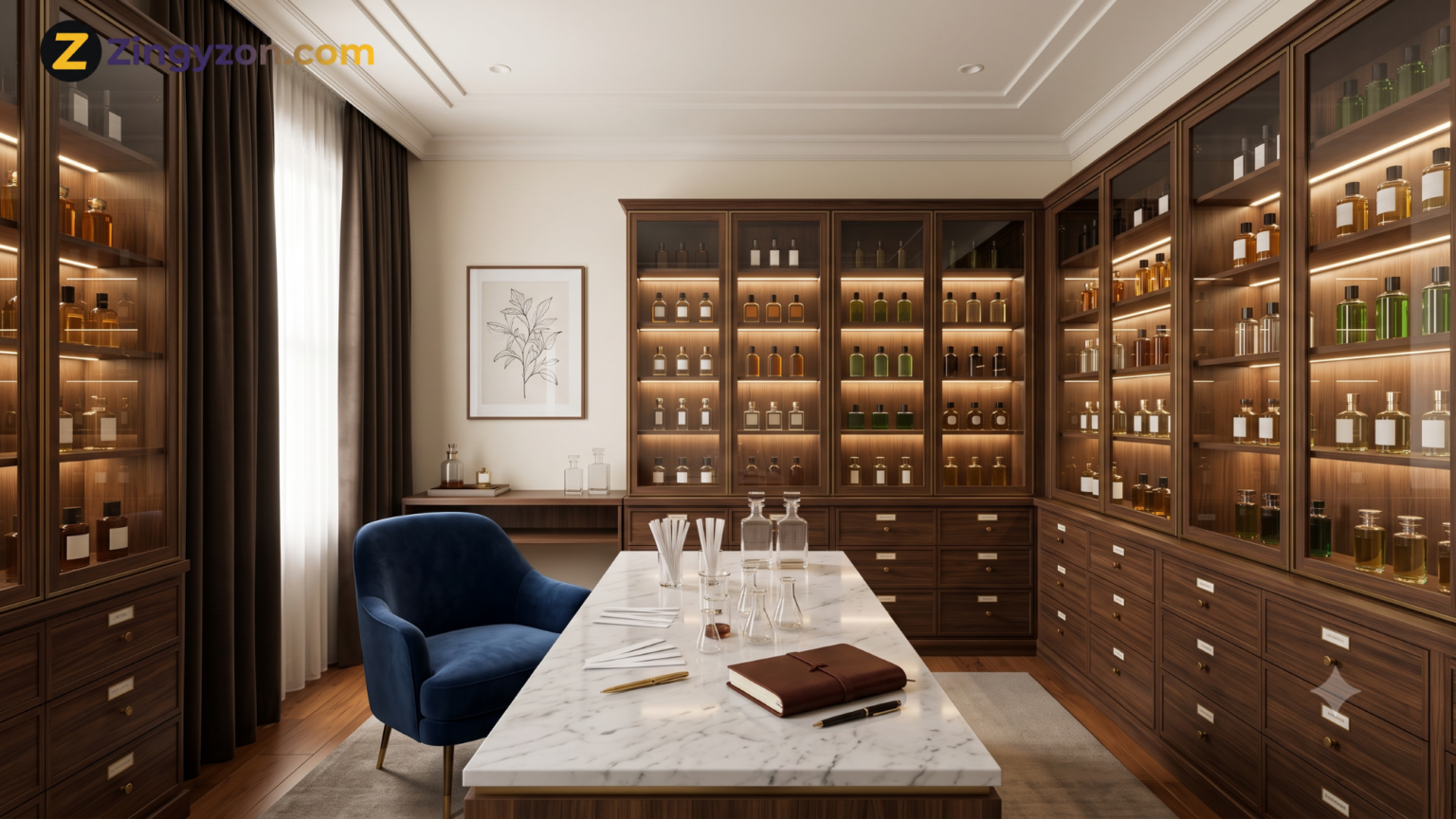
A spare room can become far more than a place for unused furniture and storage boxes. With thoughtful planning, it can be transformed into a fragrance gallery—a calm, organized space where perfumes are protected, displayed, tested, and enjoyed.
A well-designed scent sanctuary combines the atmosphere of a luxury boutique with the practical conditions needed to preserve a fragrance collection. It gives every bottle a defined place, makes different scent families easier to explore, and creates a comfortable setting for testing perfumes without distractions.
The key is to balance presentation with preservation. Although perfume bottles look beautiful in bright sunlight, heat and ultraviolet exposure may gradually affect fragrance quality. A successful fragrance gallery therefore needs controlled lighting, stable room conditions, secure shelving, and a layout that supports both display and long-term storage.
Whether you own ten favorite perfumes or several hundred bottles, this guide explains how to convert a spare room into an elegant and functional fragrance gallery.
What Is a Fragrance Gallery?
A fragrance gallery is a dedicated room or carefully planned area used to store, organize, display, and experience a perfume collection.
Unlike a normal bedroom vanity, a fragrance gallery is designed around the needs of the collection. It may include enclosed cabinets, open display shelves, testing stations, fragrance journals, comfortable seating, sample drawers, and controlled lighting.
The room can serve several purposes:
- Protecting full-size perfume bottles
- Organizing samples and travel sprays
- Displaying decorative or collectible bottles
- Testing new fragrances
- Comparing different scent families
- Photographing bottles for social media
- Recording wear tests and fragrance notes
- Preparing decants or travel atomizers
The result should feel personal rather than commercial. It may resemble a minimalist perfume boutique, a vintage apothecary, a dark luxury library, or a bright contemporary dressing room.
Start With the Right Spare Room
The best room is not necessarily the largest one. A smaller interior room may offer better temperature stability and less direct sunlight than a large room with several windows.
Before moving the collection, evaluate the room carefully.
Check whether it receives strong morning or afternoon sunlight. Observe whether it becomes unusually warm during the day and whether humidity increases after rain, bathing, cooking, or laundry activities elsewhere in the home.
Avoid rooms located directly beside:
- A hot attic
- An uninsulated exterior wall
- A laundry area
- A frequently used bathroom
- A boiler or furnace room
- A kitchen
- A poorly ventilated garage
An interior spare bedroom, dressing room, study, or box room often provides a more stable environment.
The room should also have a door. Closing the door helps control light, dust, temperature, pets, children, and household activity.
Control Temperature and Humidity
Temperature stability is one of the most important considerations when creating a fragrance gallery.
Heat may accelerate changes within a fragrance, while repeated shifts between warm and cool conditions can place additional stress on the liquid. Direct sunlight can also affect delicate aromatic compounds and change the appearance or smell of a perfume over time.
Some fragrance experts recommend keeping valuable bottles below 15 degrees Celsius, while many specialist storage guides suggest a stable environment of approximately 15°C to 20°C. The practical priority for most homes is to keep the room consistently cool rather than forcing the collection through repeated temperature changes.
Use a digital thermometer and hygrometer to monitor conditions. A small device placed near the collection can reveal whether the room becomes too warm or humid during different parts of the day.
Air conditioning can help in a hot climate, but do not direct a cold air vent straight at the bottles. The goal is a steady room environment, not extreme refrigeration.
Bathrooms are generally poor perfume-storage areas because showers create repeated warmth and humidity. A spare room provides much better control.
Protect the Collection From Sunlight
Natural light can make a fragrance gallery look beautiful, but direct sunlight should never fall continuously on the bottles.
Clear glass bottles are especially exposed because they provide little protection from ultraviolet light. Tinted bottles offer some protection, but they should still not be displayed on sunny windowsills.
Use several layers of light control where necessary:
- Blackout curtains
- UV-filtering window film
- Roller blinds
- Shutters
- Cabinet doors
- Tinted display glass
- Interior shelving positioned away from windows
You do not need to keep the room completely dark at all times. Instead, create controlled display periods. Open the cabinets and turn on the room lighting when you are using the gallery, then return sensitive bottles to protected storage afterward.
Fragrance houses commonly advise storing perfume away from direct sunlight and in a stable environment without large temperature fluctuations.
Choose the Right Storage Furniture
Furniture determines whether the room feels like an organized gallery or a crowded stockroom.
Enclosed cabinets are usually the safest option for the main collection. They protect bottles from dust, accidental knocks, excessive light, and curious children or pets.
Glass-fronted cabinets provide visibility while offering more protection than open shelves. For extra control, apply UV-filtering film to the glass or use curtains inside the cabinet.
Open shelves can be reserved for:
- Empty collectible bottles
- Decorative boxes
- Frequently used fragrances
- Fragrance books
- Ceramic scent strips
- Non-sensitive display objects
Choose shelves that are deep and strong enough to support heavy glass bottles. Avoid lightweight floating shelves unless they are professionally installed and rated for the expected weight.
A single perfume bottle may not seem heavy, but dozens of thick glass bottles can place significant pressure on a shelf.
Secure tall cabinets to the wall, especially in homes with children, pets, or vibration from traffic and construction.
Design a Practical Room Layout
A good fragrance gallery should be easy to move through and simple to maintain.
Divide the room into functional zones instead of placing every item on one wall.
The Main Collection Wall
This area holds full-size bottles in cabinets or on secure shelving. Arrange the collection at a comfortable viewing height so you do not need to bend or stretch constantly.
The Testing Station
Create a table or counter for testing perfumes. Include blotter strips, unscented tissues, notebooks, pens, cotton pads, and a small waste container.
The Sample Library
Use shallow drawers, labeled trays, or compartment organizers for samples and discovery sets. Small vials become difficult to manage when placed loose in large boxes.
The Reference Area
Keep fragrance books, note charts, purchase records, brand information, and personal scent journals in one place.
The Seating Zone
A comfortable chair gives you somewhere to assess a perfume over time. Fragrance develops in stages, so the room should encourage slow testing instead of rushed decisions.
Maintain clear walkways and avoid placing fragile bottles near the edge of tables.
Organize Perfumes in a Meaningful Way
There is no single correct way to organize a fragrance collection. The best system is the one that helps you locate and enjoy your perfumes easily.
Organize by Scent Family
Group fragrances into families such as:
- Floral
- Woody
- Amber
- Citrus
- Aromatic
- Leather
- Gourmand
- Green
- Aquatic
- Chypre
This system makes comparison easier and helps you understand your preferences.
Organize by Brand
Brand-based organization creates a clean boutique-style display. It works particularly well when you own several bottles from the same fragrance house.
Organize by Season
Separate warm-weather and cool-weather scents. Citrus, aquatic, green, and light floral perfumes may sit together, while amber, vanilla, leather, spice, and oud fragrances form another group.
Organize by Occasion
Create sections for office wear, evenings, formal events, casual days, travel, and special occasions.
Organize by Frequency of Use
Place everyday fragrances at eye level and store rare or sentimental bottles in a more protected section.
A combined system often works best. You might organize cabinets by scent family and then arrange each shelf by brand or bottle height.
Create a Fragrance Inventory
As the collection grows, it becomes easy to forget what you own.
Create a digital or printed inventory containing:
- Fragrance name
- Brand
- Bottle size
- Concentration
- Purchase date
- Batch or production code
- Remaining quantity
- Storage location
- Purchase price
- Personal rating
- Main scent notes
- Best season
- Best occasion
Numbering cabinets, shelves, and drawers can make the inventory more useful. For example, “Cabinet B, Shelf 3” helps you locate a specific bottle quickly.
Photographing each perfume can also help with insurance records and collection management.
Review the inventory every few months. Identify bottles that are almost empty, duplicates that can be sold or gifted, and samples that should be tested before buying another full bottle.
Use Lighting That Protects the Collection
Lighting has a major effect on the mood of a fragrance gallery.
Warm LED lights can create a luxury boutique atmosphere without producing the same level of heat associated with some traditional bulbs. Use indirect lighting wherever possible.
Suitable options include:
- Dimmable ceiling lights
- LED shelf strips
- Wall sconces
- Cabinet lighting
- Table lamps with covered bulbs
- Motion-activated drawer lights
Avoid placing hot bulbs close to perfume bottles. Check that cabinet lighting does not create heat after being switched on for several hours.
Choose a color temperature that supports accurate bottle viewing. Very yellow light may distort liquid colors, while extremely cool lighting can make the room feel clinical.
A soft neutral or warm-white setting generally creates a balanced appearance.
You can explore Zingyzon for more inspiration on matching lighting, furniture, textures, and decorative details with a chosen interior style.
Select a Fragrance Gallery Style
The room should reflect your personality and collection.
Minimalist Gallery
Use white or pale walls, simple cabinets, concealed storage, clean labels, and limited decoration. This style allows bottle shapes and colors to become the visual focus.
Dark Luxury Library
Choose deep green, charcoal, navy, or burgundy walls. Add dark wood cabinets, brass handles, velvet seating, and warm lighting.
Vintage Apothecary
Use antique-style cabinets, wooden drawers, aged labels, framed botanical prints, and amber glass accessories.
Modern Boutique
Combine glass cabinets, metallic details, marble surfaces, mirrors, and carefully spaced displays.
Soft Romantic Room
Use warm neutrals, dusty pink, cream, curved furniture, subtle floral artwork, and fabric-covered storage boxes.
Avoid overcrowding the room with unrelated decorations. Perfume bottles are already detailed visual objects, so the surrounding décor should support rather than compete with them.
Build a Proper Testing Station
A fragrance gallery should be designed for smelling, not just looking.
Place the testing table away from windows, heating vents, and strong household odors. Keep the surface clean and uncluttered.
Useful testing supplies include:
- Paper blotter strips
- A fragrance journal
- Unscented hand cream
- Glass sample holders
- Labels and date stickers
- Disposable pipettes
- Small atomizers
- Coffee-free neutral breaks
- A timer or clock
Test only a few fragrances during one session. Smelling too many perfumes in quick succession can make it difficult to distinguish individual notes.
Start on blotter paper before applying a fragrance to the skin. Once you find a promising scent, test it on clean skin and observe how it develops over several hours.
Do not use heavily scented candles, air fresheners, diffusers, incense, or cleaning products in the gallery. They can interfere with fragrance evaluation and may leave a persistent background smell.
Store Samples, Decants, and Miniatures Safely
Small fragrance containers need a different storage system from full-size bottles.
Keep sample vials upright whenever possible. Loose vials may leak, lose labels, or become difficult to identify.
Use:
- Compartment trays
- Lipstick organizers
- Shallow drawer inserts
- Laboratory-style vial racks
- Small labeled boxes
- Dividers arranged by brand or scent family
Label decants with the fragrance name, concentration, decant date, and source. Never rely on memory when several liquids have similar colors.
Travel atomizers should also be inspected occasionally. Some inexpensive atomizers may slowly evaporate or leak around the seal.
Keep Original Boxes and Packaging
Original packaging can help protect fragrances from light and may increase the value or completeness of collectible bottles.
You do not need to display every box beside its bottle. Instead, store packaging in labeled cabinets or archive boxes.
Keep rare, discontinued, or expensive perfumes in their original boxes when they are not being used. Everyday bottles can remain more accessible in enclosed cabinets.
Do not store empty packaging in a damp attic, basement, or garage. Moisture can damage cardboard, labels, and decorative finishes.
Add Security and Safety Measures
Fragrance bottles are fragile, and many perfumes contain alcohol. The room should therefore be treated as both a collection area and a controlled household storage space.
Keep bottles away from candles, fireplaces, heaters, smoking areas, and other sources of heat or flame. Fire services also advise storing perfumes and similar products in cool, dry, ventilated locations away from direct sunlight and open fires.
Install cabinet locks when children or visitors may enter the room. Keep ladders and unstable stools away from glass displays.
Consider a smoke alarm near the room in accordance with local fire-safety recommendations. High-value collections may also benefit from:
- A lockable room door
- Cabinet locks
- Window locks
- Home-security sensors
- Insurance documentation
- Photographic inventory records
Never block the room’s entrance or exit with storage furniture.
Plan for Cleaning and Maintenance
Dust can quickly reduce the polished appearance of a fragrance gallery.
Use a soft microfiber cloth on shelves and cabinet surfaces. Do not spray household cleaner near open bottles. Apply the cleaner to the cloth outside the room, then wipe the surface carefully.
Inspect bottles periodically for:
- Evaporation
- Leakage
- Loose caps
- Damaged sprayers
- Discoloration
- Label deterioration
- Cloudiness
- Cracked glass
A change in color does not always mean a fragrance has become unusable, as some ingredients naturally darken over time. However, a sharp change in smell, unusual cloudiness, or leakage should be investigated.
Rotate bottles so those with lower liquid levels are used more regularly. More air enters the bottle as the liquid is consumed, which may increase oxidation over time.
Common Fragrance Gallery Mistakes
The most common mistake is prioritizing appearance over preservation.
Displaying every bottle in direct sunlight may look impressive in photographs, but it is not ideal for long-term storage.
Other mistakes include:
- Using unstable floating shelves
- Placing bottles beside hot lighting
- Storing perfume in a humid room
- Keeping all sample vials loose
- Failing to secure tall cabinets
- Using scented candles in the testing area
- Overcrowding shelves
- Ignoring leaks and damaged sprayers
- Buying more bottles without maintaining an inventory
- Treating a cool room as a substitute for stable conditions
A fragrance gallery should make the collection easier to enjoy, not more difficult to manage.
Frequently Asked Questions
What is the best room for a fragrance gallery?
A cool, dry interior room with limited direct sunlight and stable temperature is usually the best option. A spare bedroom, dressing room, or study can work well.
Should perfume bottles be displayed openly?
Frequently used bottles may be displayed on protected shelves, but valuable or sensitive fragrances are safer in enclosed cabinets away from direct sunlight.
Can I store perfume in a refrigerator?
A normal food refrigerator may be too cold and may expose bottles to moisture, food odors, and frequent temperature changes. A stable, cool room or specialist beauty refrigerator is often more practical.
What lighting is best for a perfume room?
Dimmable LED lighting is usually suitable because it produces less heat and allows the room’s brightness to be controlled.
How should perfume samples be organized?
Store samples upright in divided trays, vial racks, or labeled drawers. Organize them by brand, scent family, season, or testing status.
Can I use candles in a fragrance gallery?
It is better to avoid candles. They introduce another scent into the room and create an unnecessary flame near alcohol-based fragrance products.
How can I protect an expensive fragrance collection?
Use lockable cabinets, stable shelving, controlled light, an updated inventory, photographs, purchase records, and suitable insurance where necessary.
Final Thoughts
Turning a spare room into a fragrance gallery is about more than displaying attractive bottles. It creates a dedicated environment where fragrances can be protected, organized, tested, and appreciated properly.
Start with room conditions before choosing decoration. Control direct sunlight, monitor temperature, reduce humidity, and select secure storage furniture. Then build clear zones for the main collection, samples, testing, reference materials, and seating.
The most successful scent sanctuary balances beauty with function. It should feel elegant enough to inspire you, organized enough to simplify your collection, and controlled enough to support long-term fragrance storage.
With thoughtful lighting, meaningful organization, secure cabinets, and a comfortable testing area, an unused spare room can become one of the most personal and memorable spaces in your home.



Keep Exploring Zingyzon.com
Read more Zingyzon SEO, digital marketing, online earning, business, and technology guides for Australia, USA, and global readers.