
What No One Tells You Before a Major Home Cleanout
A major home cleanout sounds simple at first. You imagine sorting through old items, throwing away junk, donating what you […]
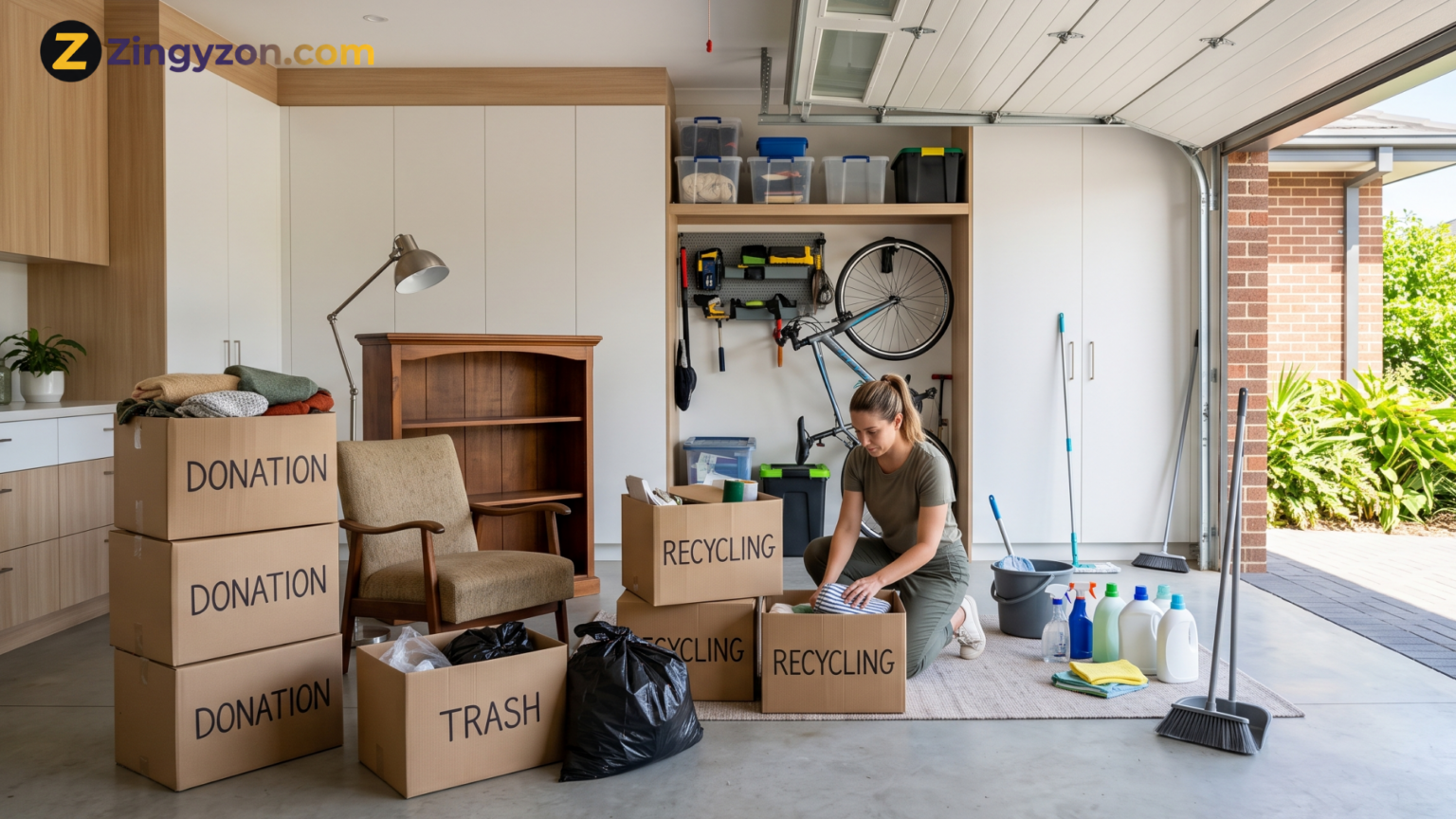
A major home cleanout sounds simple at first. You imagine sorting through old items, throwing away junk, donating what you do not need, and finally enjoying a cleaner, more organized space. But once the process begins, many homeowners quickly realize that a full cleanout is bigger, heavier, and more emotional than expected.
Whether you are cleaning out a garage, basement, attic, storage room, rental property, inherited home, or your entire house, the project can become overwhelming without the right plan. It is not just about removing clutter. A major home cleanout involves decision-making, physical work, time management, safety, disposal rules, and sometimes even emotional stress.
The good news is that with smart preparation, you can make the process much easier. This guide explains what no one tells you before a major home cleanout and how to handle the project with less stress and better results.
A Cleanout Usually Takes Longer Than Expected
One of the biggest surprises during a major home cleanout is how much time it actually takes. Many people think they can clear a garage or basement in one afternoon. In reality, sorting, lifting, packing, donating, cleaning, and disposing of items can take several days or even longer.
The reason is simple: every item requires a decision. Should you keep it, donate it, sell it, recycle it, or throw it away? These decisions slow the process down, especially when items have memories attached to them.
Before starting, give yourself more time than you think you need. Break the cleanout into sections instead of trying to finish everything at once. For example, start with one closet, then move to the garage, then the basement. Smaller goals make the project feel more manageable and help you avoid burnout.
You Will Find More Stuff Than You Remember Owning
Most homeowners are surprised by how much they have stored away. Boxes in closets, old furniture in basements, broken tools in garages, holiday decorations, outdated electronics, unused appliances, and forgotten paperwork can add up quickly.
A major home cleanout often reveals years of hidden clutter. Items get pushed into storage areas because people plan to deal with them later. Over time, “later” turns into years.
This is why it is important to prepare enough boxes, bags, bins, labels, gloves, and cleaning supplies before you begin. You may also need more disposal space than expected. If you are dealing with a large amount of junk, booking a dumpster rental in Centennial, CO can make the cleanout more efficient because you will not have to make repeated trips to a landfill or disposal site.
Emotional Attachment Can Slow Everything Down
A major home cleanout is not always just physical. It can also be emotional. Old photos, children’s toys, gifts, letters, furniture, inherited belongings, and family keepsakes can bring back memories. This is especially true when cleaning out a loved one’s home or downsizing after many years in the same place.
Many people feel guilt when throwing away items, even if they no longer need them. Others feel overwhelmed because every object seems connected to a memory.
To make the process easier, create a small “memory box” for truly meaningful items. This allows you to preserve important memories without keeping everything. Take photos of sentimental items you cannot store. If several family members are involved, set clear rules about who gets what before the cleanout begins.
Not Everything Can Go in the Trash
Another thing people often do not realize is that disposal rules matter. You cannot simply throw every item into regular trash. Paint, chemicals, batteries, electronics, tires, appliances, old fuel, pesticides, and certain construction materials may require special handling.
Before your cleanout, check local disposal guidelines. This helps you avoid fines, delays, or unsafe handling. Separate hazardous or restricted items from regular junk. Keep electronics in one area, donation items in another, and trash in another.
This simple sorting system saves time later and helps ensure that items are disposed of responsibly.
The Right Sorting System Makes a Huge Difference
Without a sorting system, a major home cleanout can quickly turn into chaos. You may end up moving the same items multiple times or mixing trash with things you meant to donate.
The best approach is to create clear categories before you start. Use labels such as Keep, Donate, Sell, Recycle, Trash, and Unsure. Place items in the correct area as you go.
Try not to create a huge “maybe” pile. The maybe pile can become a second clutter problem. If you are unsure about an item, ask yourself when you last used it, whether it has real value, and whether you have space for it. If you have not used it in years and it does not serve a purpose, it may be time to let it go.
Cleanouts Can Be Physically Demanding
A major home cleanout can involve lifting heavy furniture, carrying boxes, climbing stairs, bending, reaching, and moving awkward items. This can be hard on your back, knees, shoulders, and hands.
Before starting, dress properly. Wear closed-toe shoes, gloves, comfortable clothing, and a dust mask if needed. Use dollies or hand trucks for heavy items. Do not try to lift large furniture alone. Take breaks, drink water, and avoid working too long in extreme heat or cold.
Safety should always come first. No cleanout is worth an injury. If something is too heavy, sharp, moldy, or unsafe, get help instead of forcing it.
Dust, Mold, and Pests May Be Hiding
Storage areas like basements, garages, sheds, and attics can hide more than clutter. You may discover dust, mold, rodent droppings, insects, water damage, or damaged insulation. These issues can create health risks if handled carelessly.
Before digging into old boxes or dark corners, inspect the area. Wear gloves and a mask. Open windows if possible. If you see mold, strong odors, animal nests, or signs of serious contamination, stop and consider professional help.
Do not shake dusty fabrics or old rugs indoors. Bag dirty items carefully. Clean surfaces after removing clutter so the area feels fresh and safe again.
Donation Takes Planning Too
Donating usable items is a great way to reduce waste, but it also requires planning. Not every donation center accepts every item. Some may reject damaged furniture, old mattresses, broken electronics, or certain household goods.
Before loading your car, call donation centers or check their guidelines online. Confirm what they accept and whether they offer pickup services. Keep donation items clean and organized. If possible, pack similar items together, such as clothing, books, kitchenware, and small appliances.
Donation is easier when you plan it early instead of waiting until the end of the cleanout.
Selling Items Can Slow the Process
Selling unwanted items may seem like a smart way to make extra money, but it can also slow down your cleanout. Taking photos, writing listings, answering messages, negotiating prices, and arranging pickups takes time.
For valuable items, selling may be worth it. But for low-value items, the effort may not be worth the delay. Be realistic. If your main goal is to clear the home quickly, donate or dispose of lower-value items instead of trying to sell everything.
Set a deadline for selling. For example, if an item does not sell within two weeks, donate it or remove it. This prevents your cleanout from turning into long-term clutter management.
Paperwork Can Be a Hidden Challenge
Many homes contain boxes of old paperwork, receipts, bills, documents, tax files, manuals, school papers, and personal records. Sorting papers can take much longer than expected because some documents may contain private information.
Create separate piles for important documents, shredding, recycling, and trash. Keep legal records, tax documents, property papers, medical documents, warranties, and financial records if they are still needed. Shred anything with personal information, such as account numbers, Social Security numbers, addresses, or medical details.
Avoid throwing sensitive paperwork directly into the trash. Identity protection is an important part of a responsible home cleanout.
You Need a Plan for Large Items
Large items can create major problems during a cleanout. Sofas, mattresses, cabinets, exercise equipment, appliances, shelving, and broken furniture are difficult to move and may not fit in regular trash bins.
Before the cleanout begins, make a list of large items that need removal. Measure doorways and staircases if needed. Decide whether you will donate, sell, recycle, or dispose of each item.
If appliances are involved, check whether they need special recycling. Some items may have metal parts or electronic components that should be handled separately. Planning for large items early helps prevent delays.
The Cleanout May Reveal Home Repairs
Once clutter is removed, you may notice problems that were hidden for years. These can include cracked walls, water stains, pest damage, damaged flooring, broken shelves, leaks, or electrical issues.
This can feel frustrating, but it is also a benefit of cleaning out the home. Removing clutter allows you to see the true condition of your space. After the cleanout, make a repair list and prioritize urgent issues first.
Do not ignore signs of water damage, mold, structural damage, or electrical hazards. These problems can become more expensive if left untreated.
Decision Fatigue Is Real
During a major home cleanout, you may make hundreds of decisions in a short period of time. This can lead to decision fatigue. After a few hours, even simple choices can feel exhausting.
To avoid this, set time limits. Work in focused sessions, such as two or three hours at a time. Take breaks and avoid making emotional decisions when tired. Start with easy areas first to build momentum, then move to more difficult spaces.
You can also create simple rules. For example, throw away broken items, donate duplicates, keep only what you use, and limit sentimental items to one box. Rules reduce stress and make decisions faster.
It Helps to Take Before and After Photos
Before and after photos can be surprisingly motivating. Take pictures before you start, especially in cluttered rooms, garages, or storage areas. As you make progress, take more photos.
These photos help you see how much work you have completed. They can also be useful if you are cleaning out a rental property, preparing a home for sale, or documenting an estate cleanout.
Progress can feel slow while you are working, but photos show the difference clearly.
Clean as You Go
Many people wait until all junk is removed before cleaning. However, cleaning as you go can make the process feel better and more organized.
Once you clear a shelf, wipe it down. After emptying a closet, vacuum or sweep it. When a room is cleared, clean the floors and windows. This gives you small wins throughout the project and prevents dirt from spreading.
Cleaning as you go also helps you decide how to use the space afterward. A freshly cleaned room feels more inspiring than an empty but dusty one.
Do Not Forget About Storage After the Cleanout
A cleanout is not only about removing things. It is also about creating a better system for what remains. If you do not organize the items you keep, clutter may return quickly.
Use storage bins, labels, shelves, hooks, and cabinets to keep things easy to find. Store seasonal items together. Keep frequently used items within reach. Avoid overfilling closets and storage rooms again.
The goal is not just a cleaner home today. The goal is a home that stays easier to manage in the future.
For more helpful home improvement, organization, and lifestyle tips, visit zingyzon.com.
Final Thoughts
A major home cleanout can be more challenging than most people expect. It takes time, energy, planning, and patience. You may deal with heavy items, emotional memories, hidden dust, disposal rules, donation limits, and unexpected repairs. But with the right approach, the process can also be rewarding.
Start with a clear plan. Sort items into simple categories. Protect yourself with proper safety gear. Arrange disposal and donation options early. Take breaks when needed. Most importantly, focus on progress instead of perfection.
A successful cleanout gives you more than extra space. It gives you a cleaner home, a calmer environment, and a fresh start. When you understand what to expect before you begin, you can handle the project with confidence and avoid many common mistakes.



Keep Exploring Zingyzon.com
Read more Zingyzon SEO, digital marketing, online earning, business, and technology guides for Australia, USA, and global readers.